Hell Is Us Keeps the Soulslike Thrill — Without the Soul-Crushing Baggage
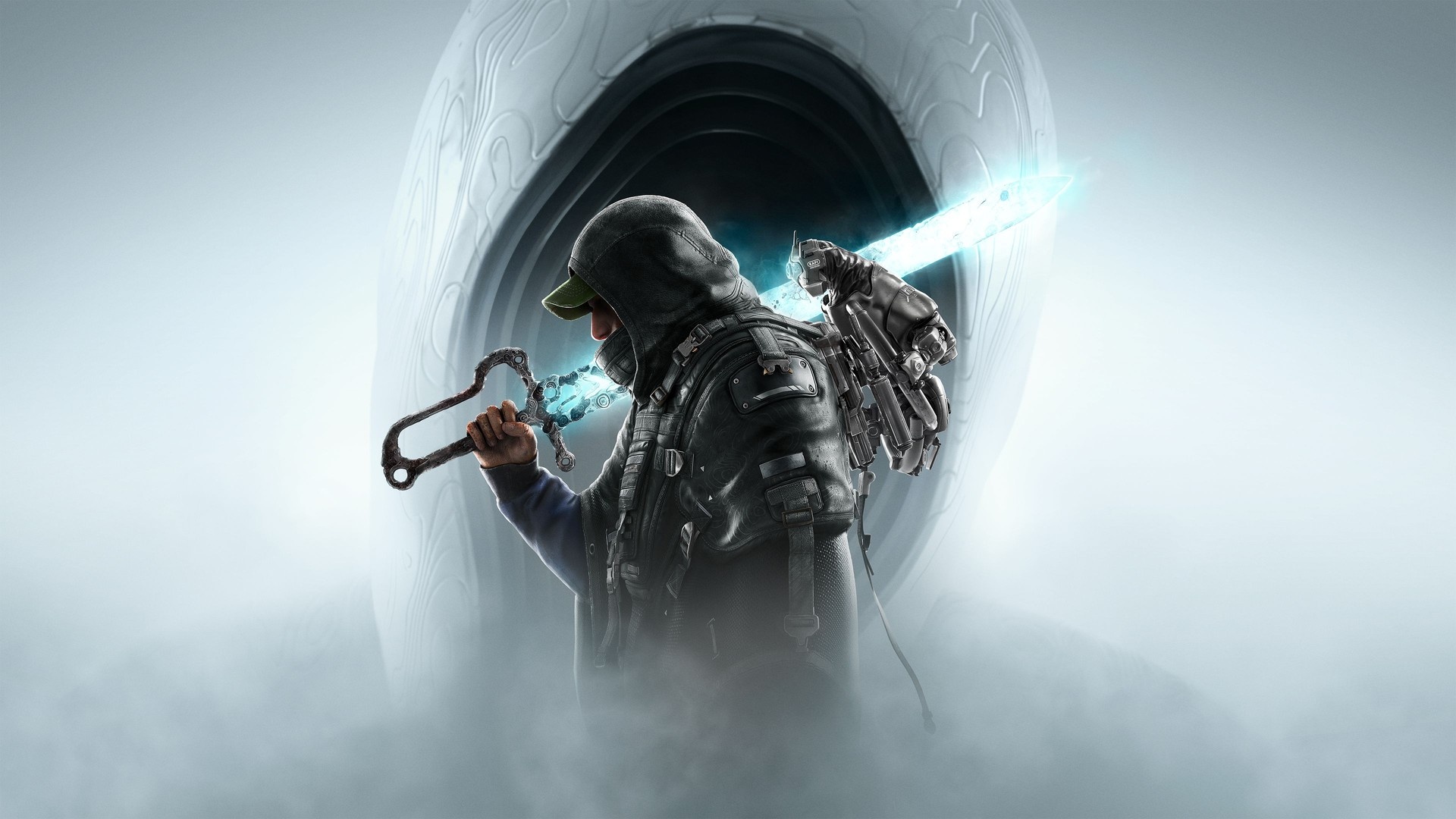
Rogue Factor’s Hell Is Us is an exploration-focused action-adventure that borrows Soulslike ideas but removes many of the genre’s harder restrictions. It asks players to investigate, read, and piece things together, while still offering checkpoints and optional guidance.
What Hell Is Us is
Hell Is Us is developed by Rogue Factor and published by Nacon. It emphasizes investigation and environmental storytelling, and it intentionally limits quality-of-life signals such as maps and quest markers. In short, the game encourages players to *look* for clues rather than follow arrows.
Setting and story
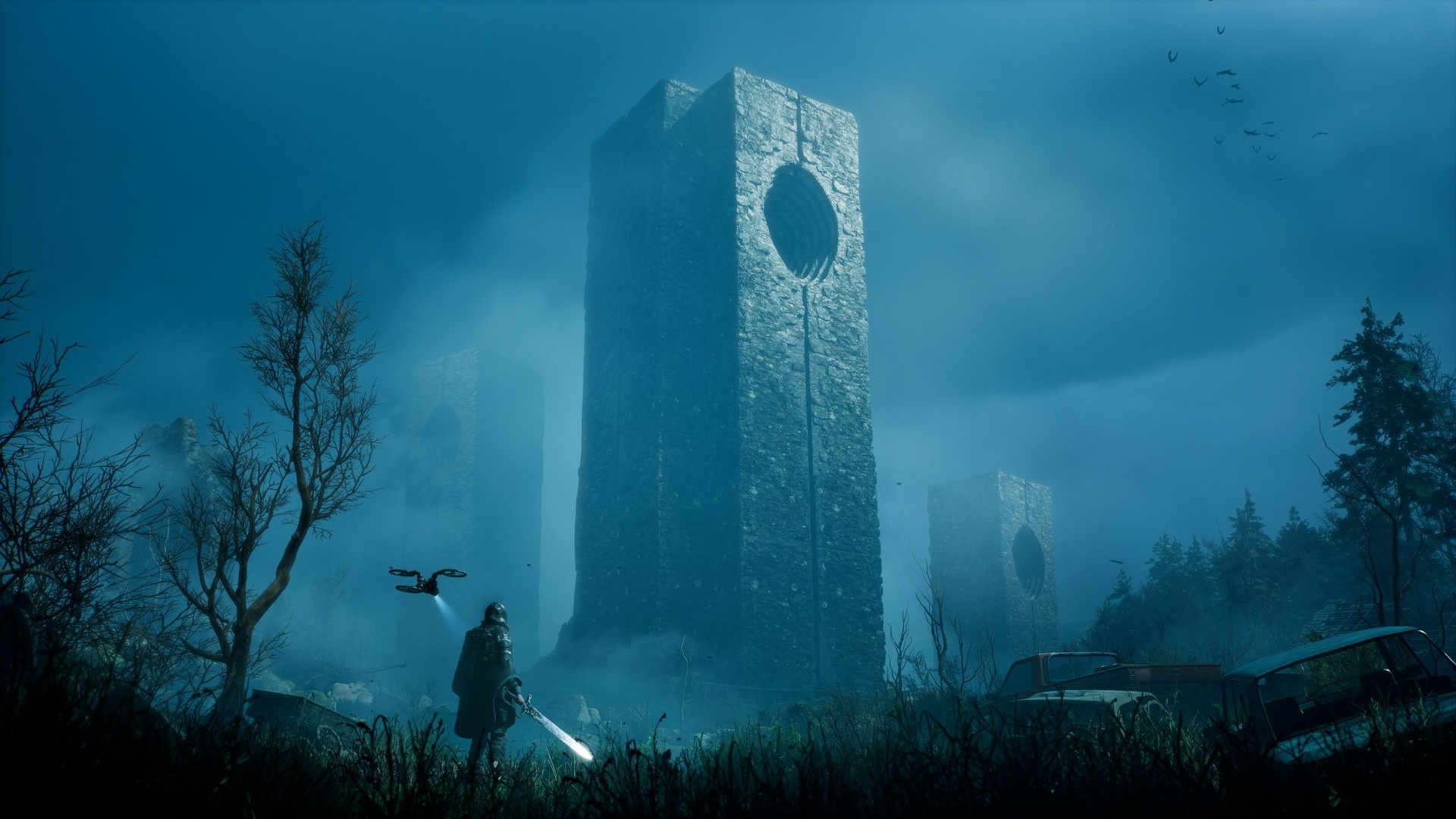
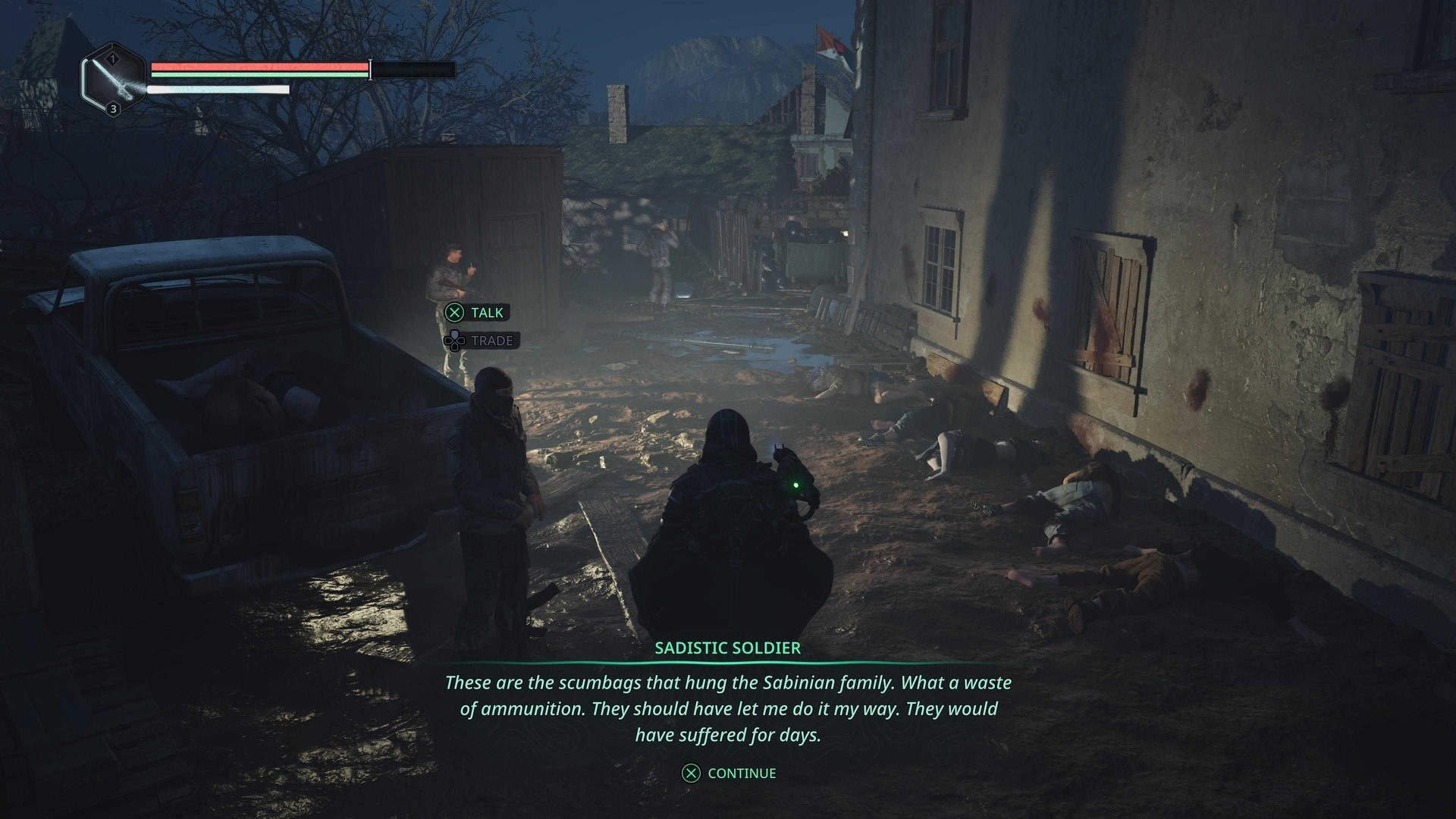
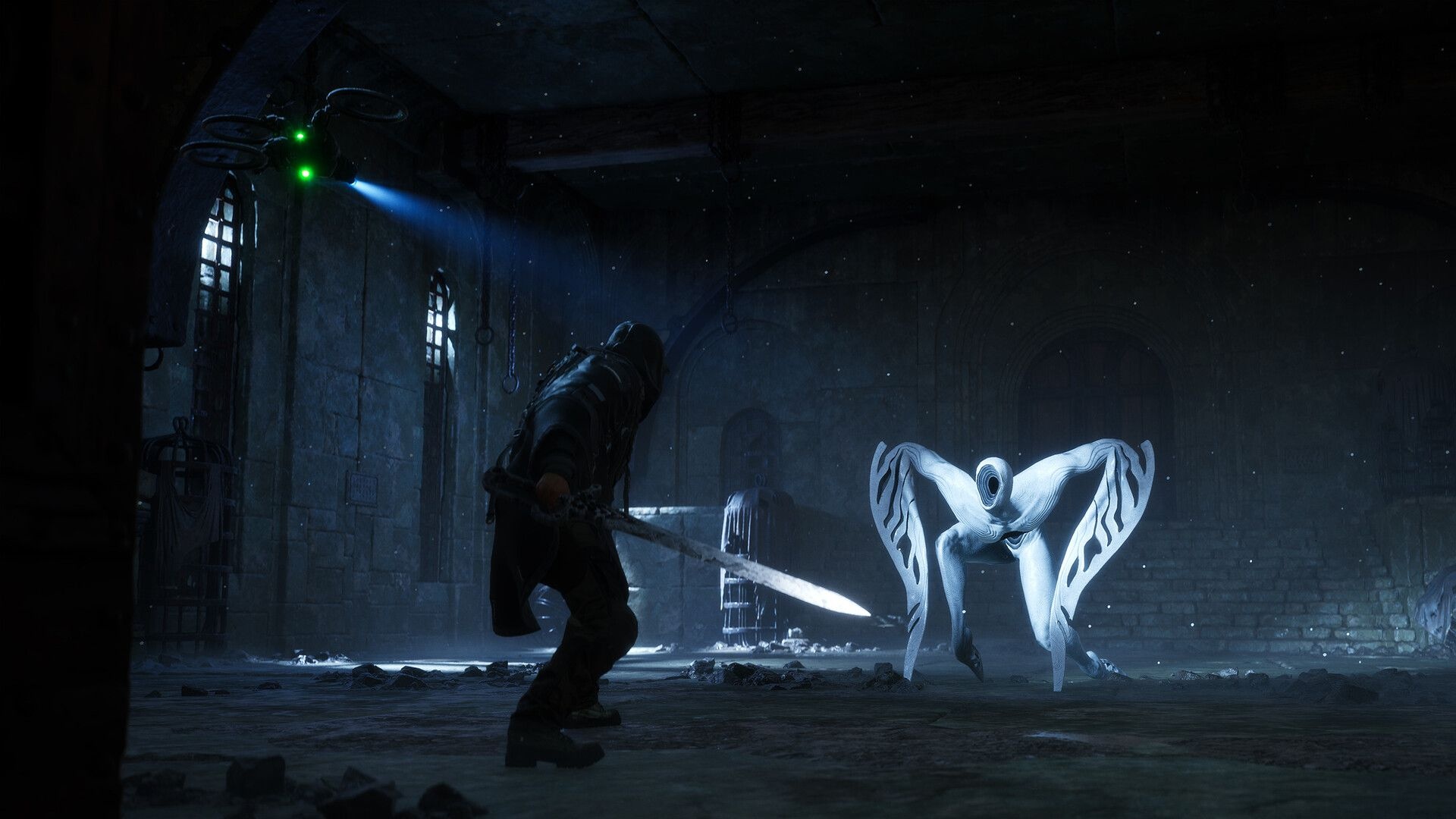
The player controls Remi, a young man in the early 1990s who returns to his homeland of Hadea to search for his parents. Early on, Remi scavenges a soldier’s poncho, sword, and drone after a deadly encounter with pale demonic creatures, and those items become his main tools.
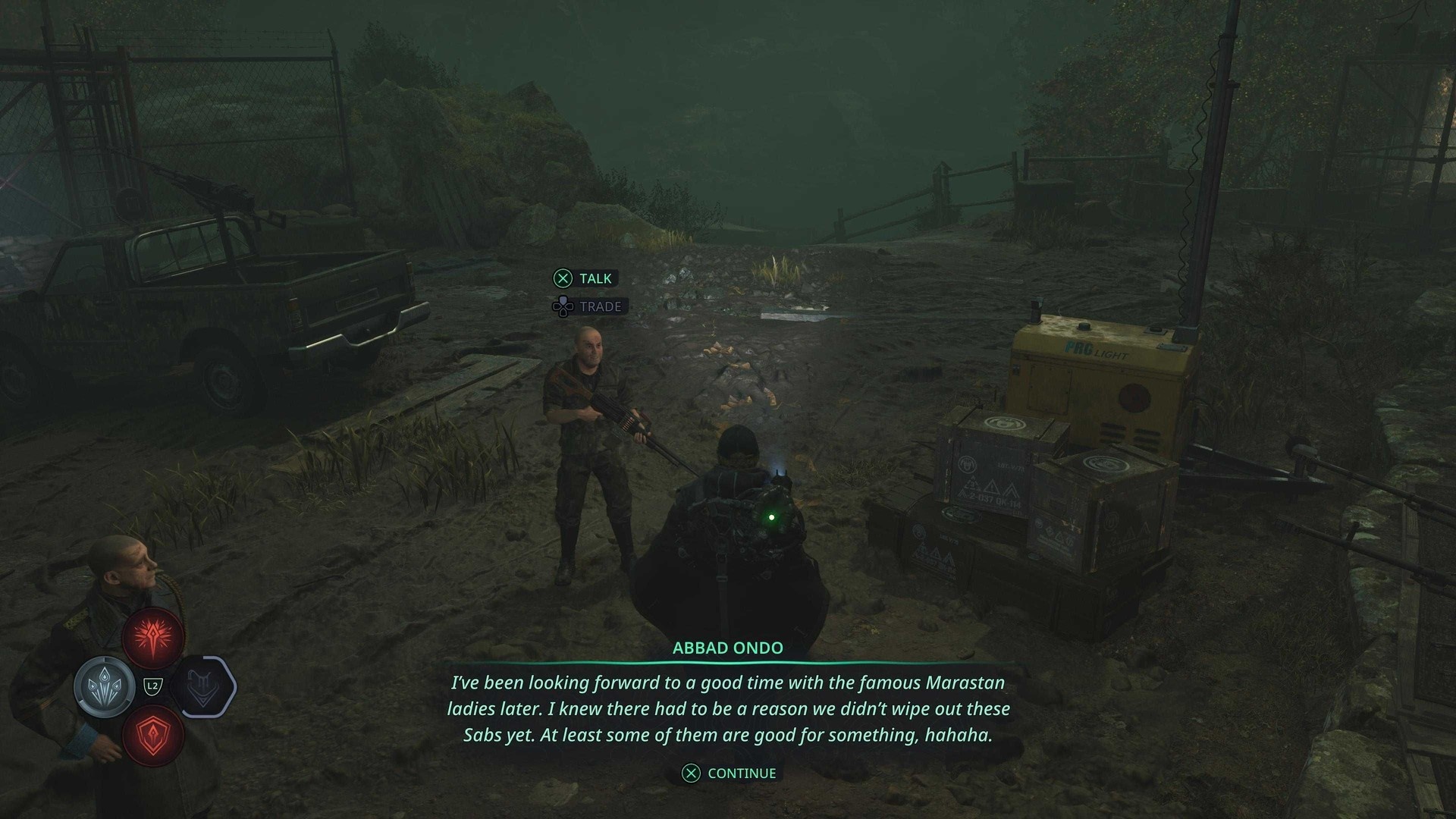
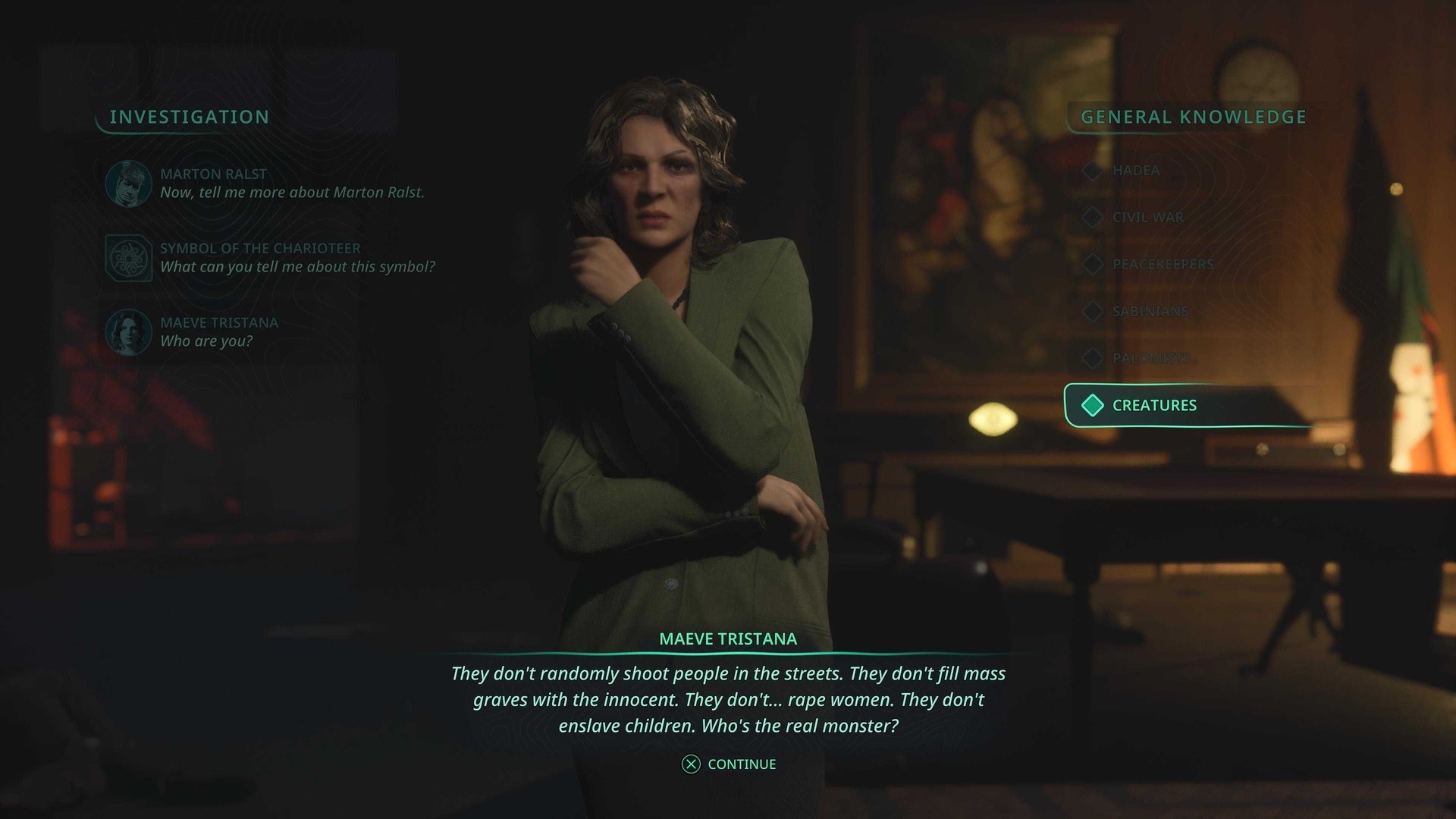
Hadea is a country scarred by civil war between two religious factions, the Sabinians and the Palomists. The game presents both sides committing atrocities, and most locations—such as a government research center and a national library—are strewn with corpses. Lore is delivered through documents and collectibles, and the game does not fully explain why the pale demons appeared; instead, it leaves clues for players to piece together.
Exploration and puzzles
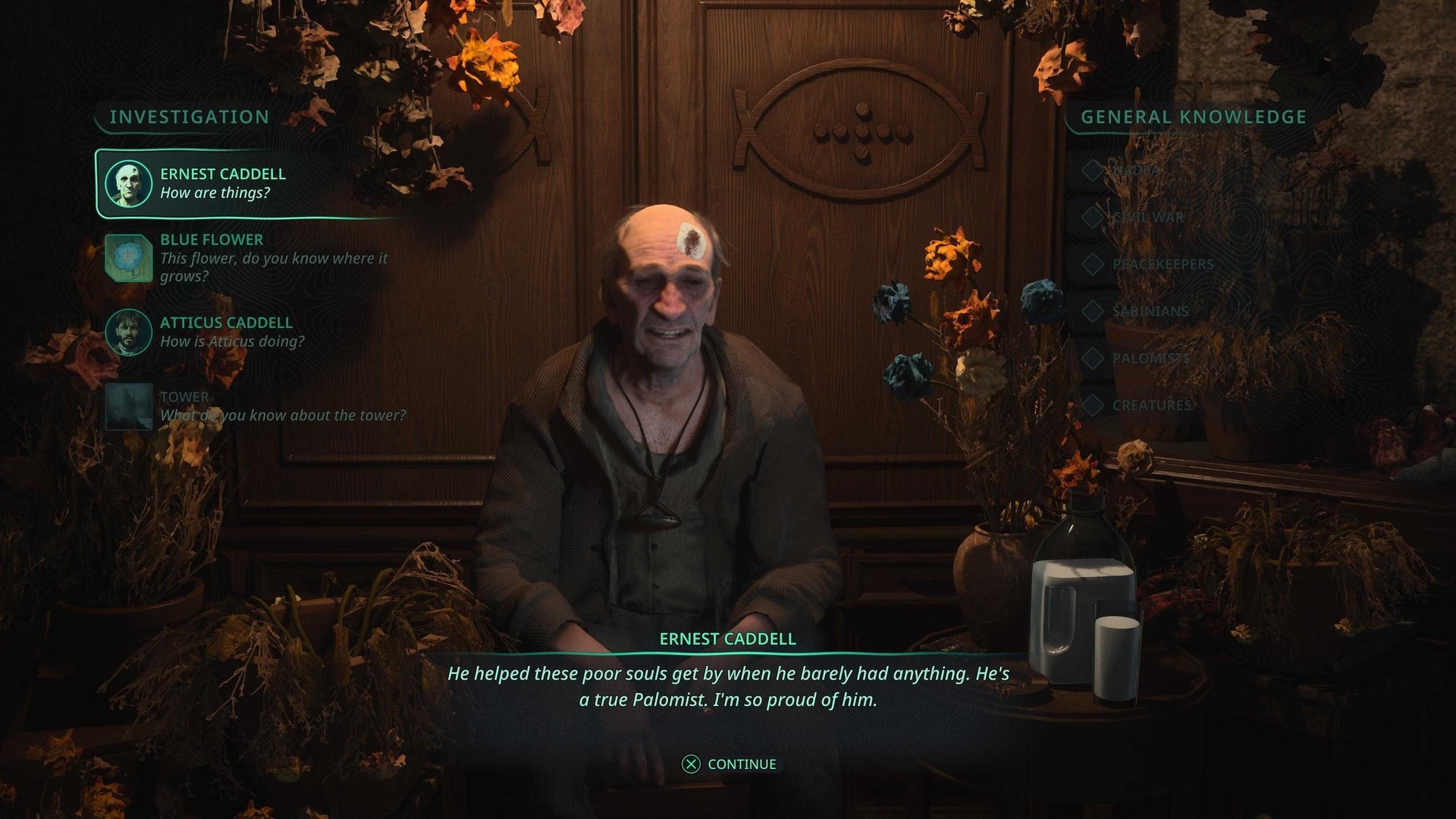
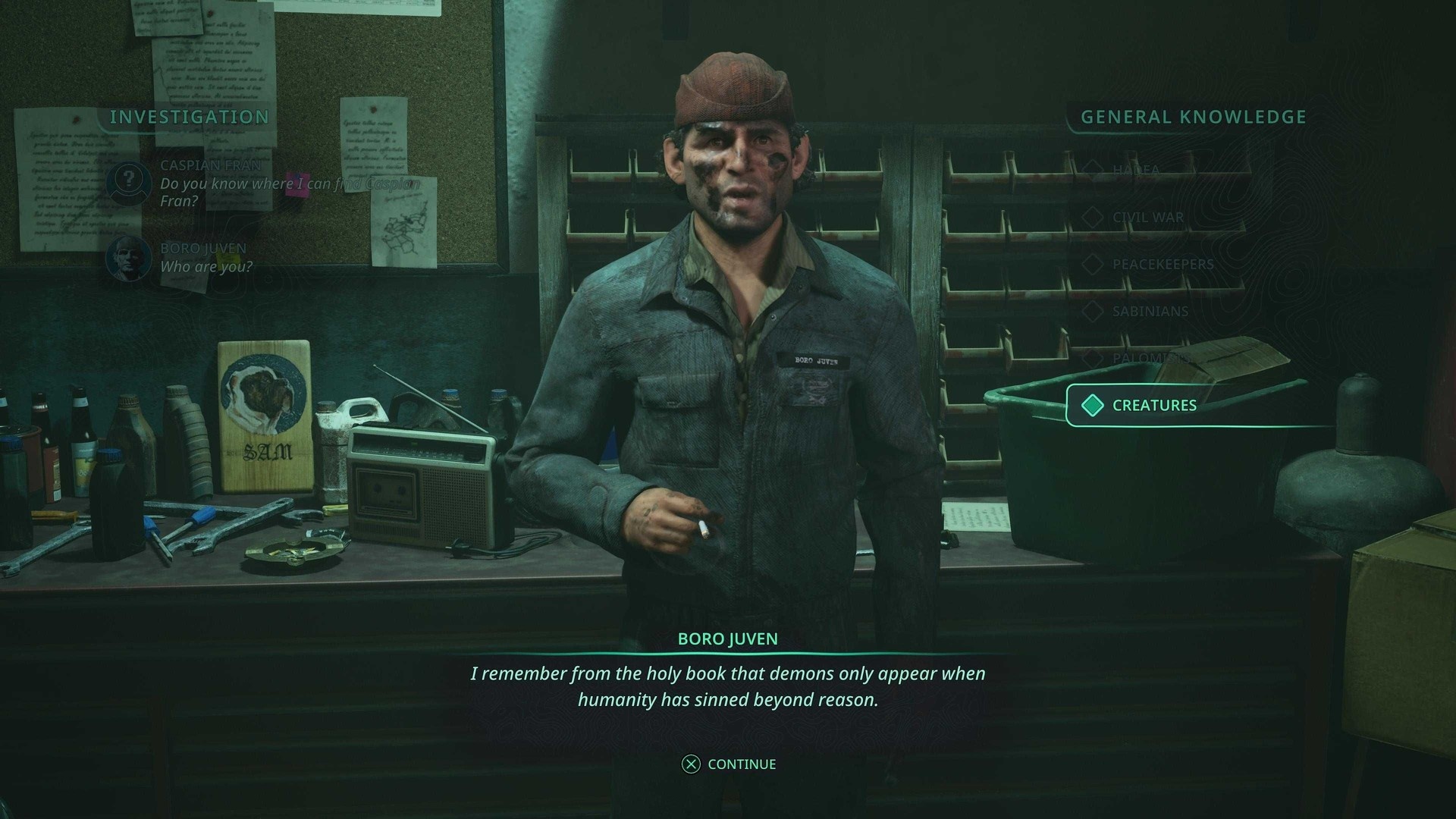
Remi carries a tablet with investigation boards, collectibles, and loadouts, but *no map data* is provided. Therefore, players must memorize areas or rely on their own notes. The developer’s opening message explicitly warns there are no maps or quest markers, so the design expects players to search and deduce.
Moreover, puzzles are frequent and often require reading scattered documents. For example, players may need to reference a document to place orbs in statues correctly, or scan portraits and use dates and numbers to form a safe passcode. At times a radio frequency must be tuned based on information found elsewhere. In addition, optional mysteries and “Good Deeds” encourage listening to NPCs and following clues. If a player offers the wrong item to an NPC, the game simply declines the trade rather than punishing the player.
Combat and enemies
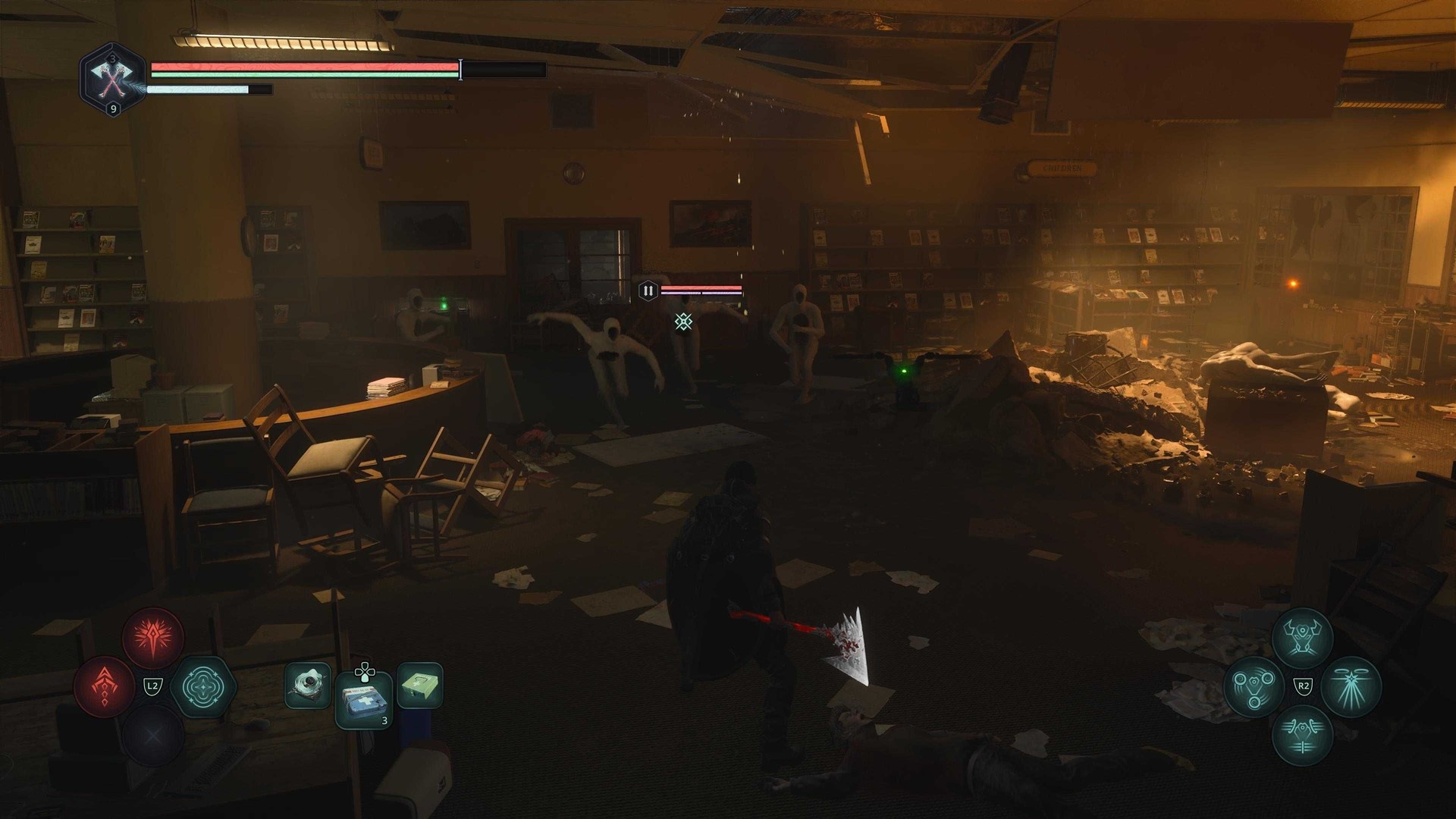
Combat in Hell Is Us relies on a learned rhythm and the tools Remi acquires. However, enemy variety is limited: nearly every foe is a variation of the pale demons. Some enemies move like dancers, others shoot projectiles, and many are connected to colored Hazes that must be defeated first.
Importantly, the game does not respawn killed enemies immediately while players remain in a level. In default settings, killing enemies and staying in an area keeps them dead even after dying or saving at a checkpoint. Leaving and returning will respawn foes, but closing a level’s timeloop (large domes that trap souls) can make enemy deaths permanent in that level.
Verdict and platforms
Over roughly 25 hours, the reviewer completed the main story and reported finding about two-thirds of the collectibles, saying the game struck a balance between guiding players and letting them get lost. Combat can feel repetitive because of the limited enemy types, but exploration and puzzle design offer a steady stream of investigation-focused challenges.
Hell Is Us is available on PlayStation 5, Windows PC, and Xbox Series X. The review was conducted on PlayStation 5 using a prerelease download code provided by Nacon.