Hollow Knight: Silksong Makes You Buy Your Map — It’s a Brilliantly Stressful Trick
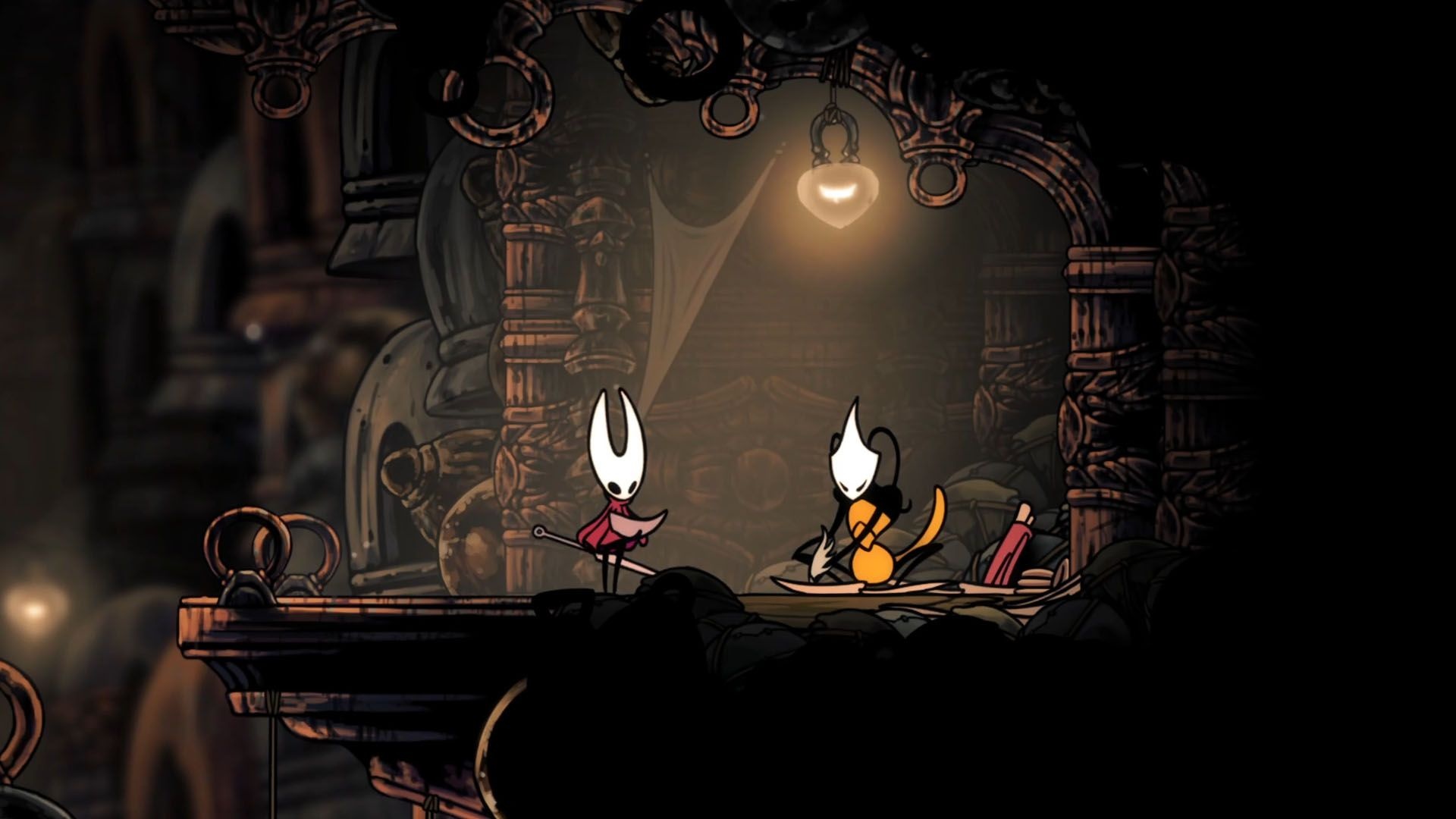
Hollow Knight: Silksong handles mapping differently than many recent Metroidvanias: maps and map features are not given automatically. Instead, players must find a cartographer named Shakra and buy map pieces and tools with in-game currency, and some map functions require equipping a skill.
- Silksong doesn’t give you a full map at the start; maps must be bought per area.
- The map vendor, Shakra, sells map chunks, icons, a quill for updates, markers, and a compass.
- Purchases use rosary beads, the game’s currency, and the compass is an equippable skill.
- Team Cherry’s system encourages players to explore and remember routes before relying on map aids.
How maps are distributed in Silksong
Silksong is a Metroidvania that focuses on exploration, backtracking, and layered routes. Therefore, the game splits mapping into discoverable, purchasable parts. At the start of the game you won’t automatically have a map for new areas. Instead, you must locate the map vendor in each region to unlock that map.
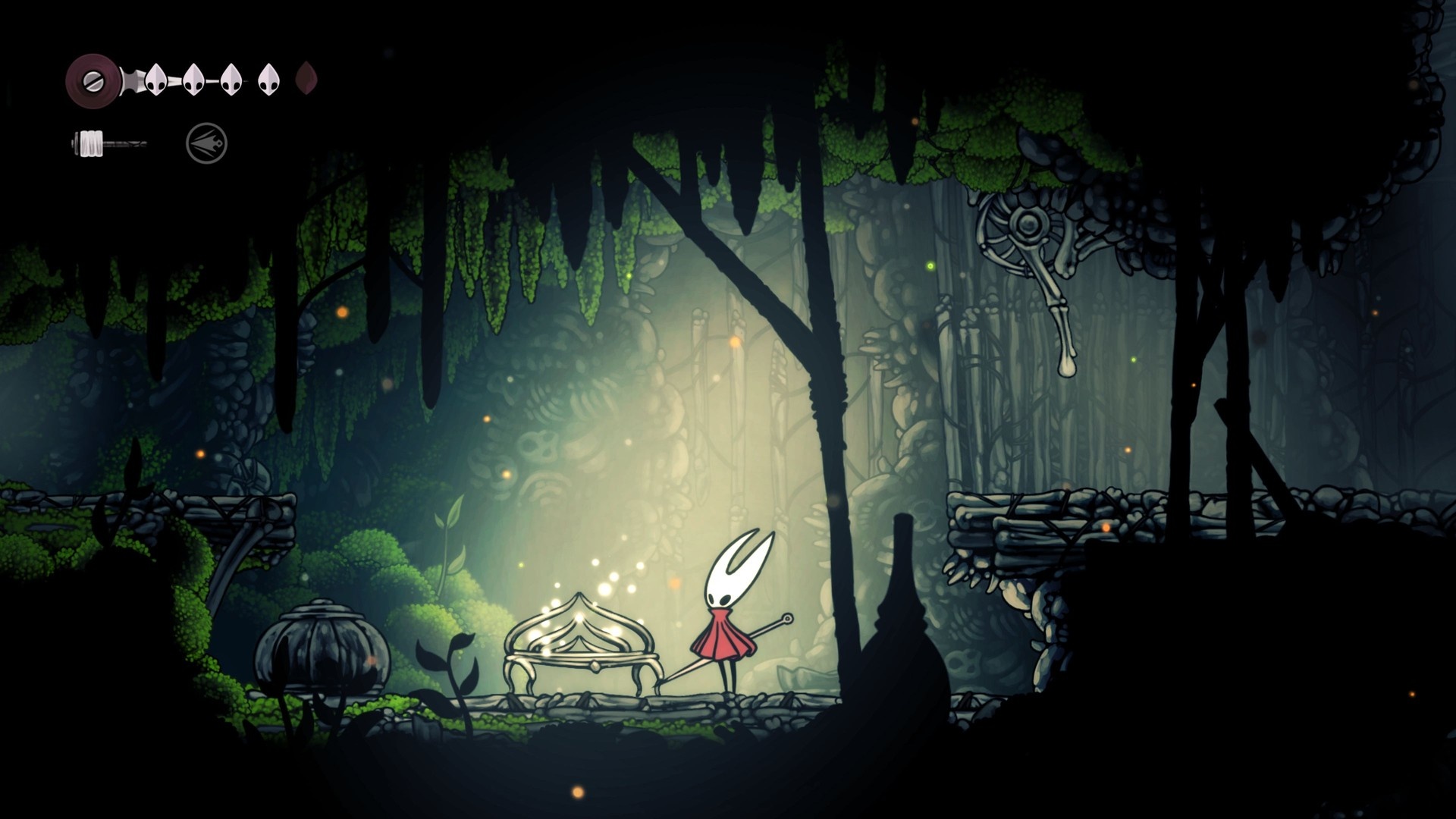
Who is Shakra, the map vendor
Shakra is a named NPC who appears in multiple areas. When you find her, she sells the map for that area and also offers individual map-related items. Players must discover her location themselves before the map for that region becomes available for purchase.
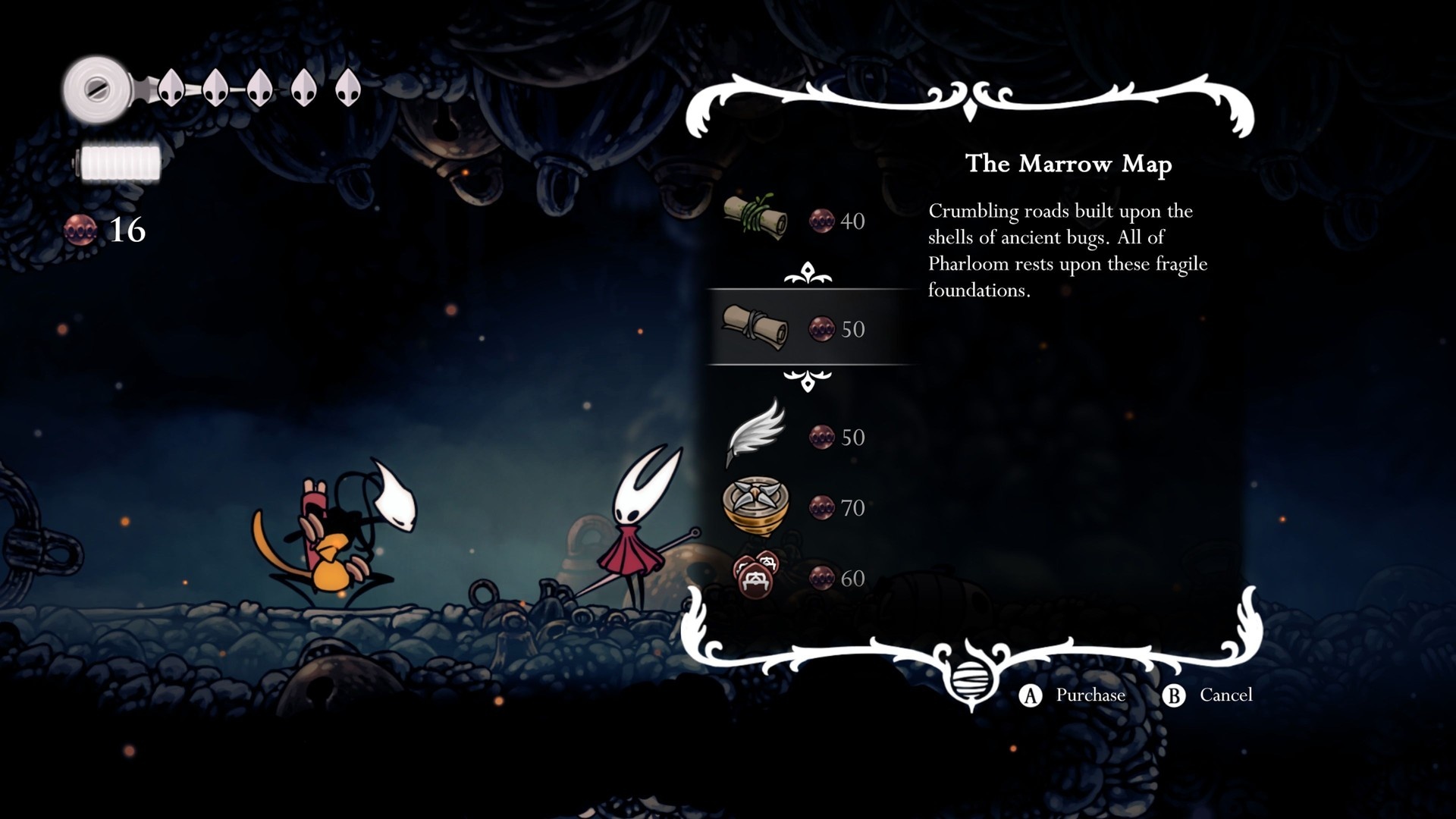
Exactly what Shakra sells
According to in-game mechanics, Shakra’s shop breaks map functionality into several items. These include:
- Area map — the basic map reveal for the region.
- Icons — purchasable markers for benches (save points), fast travel locations, vendors, and Shakra herself.
- Quill — lets the player add notes and distinguish explored areas on the map.
- Markers — placeable pins for points of interest.
- Compass — shows your location on the map but is sold as a skill that must be bought and equipped, occupying a skill slot.
How you pay and equip map tools
All map items are purchased with rosary beads, the game’s currency. Furthermore, the compass is a special case: it must be bought and then equipped as a skill, which means choosing it can block another skill from being used at the same time.
Therefore, players make a resource decision: buy more map features now, or spend beads on other upgrades. Also, because each area’s map is only available after you find Shakra there, the game phases in map access as you explore.
Design intent and in-game dialogue
Team Cherry implemented this system to make mapping a controllable, gradual process rather than an automatic convenience. As a result, the game encourages players to learn layouts by memory and exploration before relying fully on purchased aids.
Hornet: Your charts and tools show fine skill, Shakra. I’ve met few who’d match your talent.
Shakra: Cartography! Peh. Bakallo! It is a craft-skill common amongst my tribe. Most important is to keep one’s mind sharp when on a journey.
The charting of caverns, the memory of travel, the knowing of one’s place within the kingdom: an engaging task for a warrior’s mind.
What this means for players
In practical terms, expect to feel disoriented in new zones until you find and buy that area’s map. Moreover, buying the compass requires a skill choice. Consequently, map access becomes part of the game loop: explore, find Shakra, spend rosary beads, then return with more tools.
In short, Silksong separates mapping into discovery and purchase, intentionally asking players to invest time and resources before granting full navigational conveniences.