Hollow Knight: Silksong Nearly Nails Its Message — So Why Can’t Team Cherry Decide Who the Hero Is?
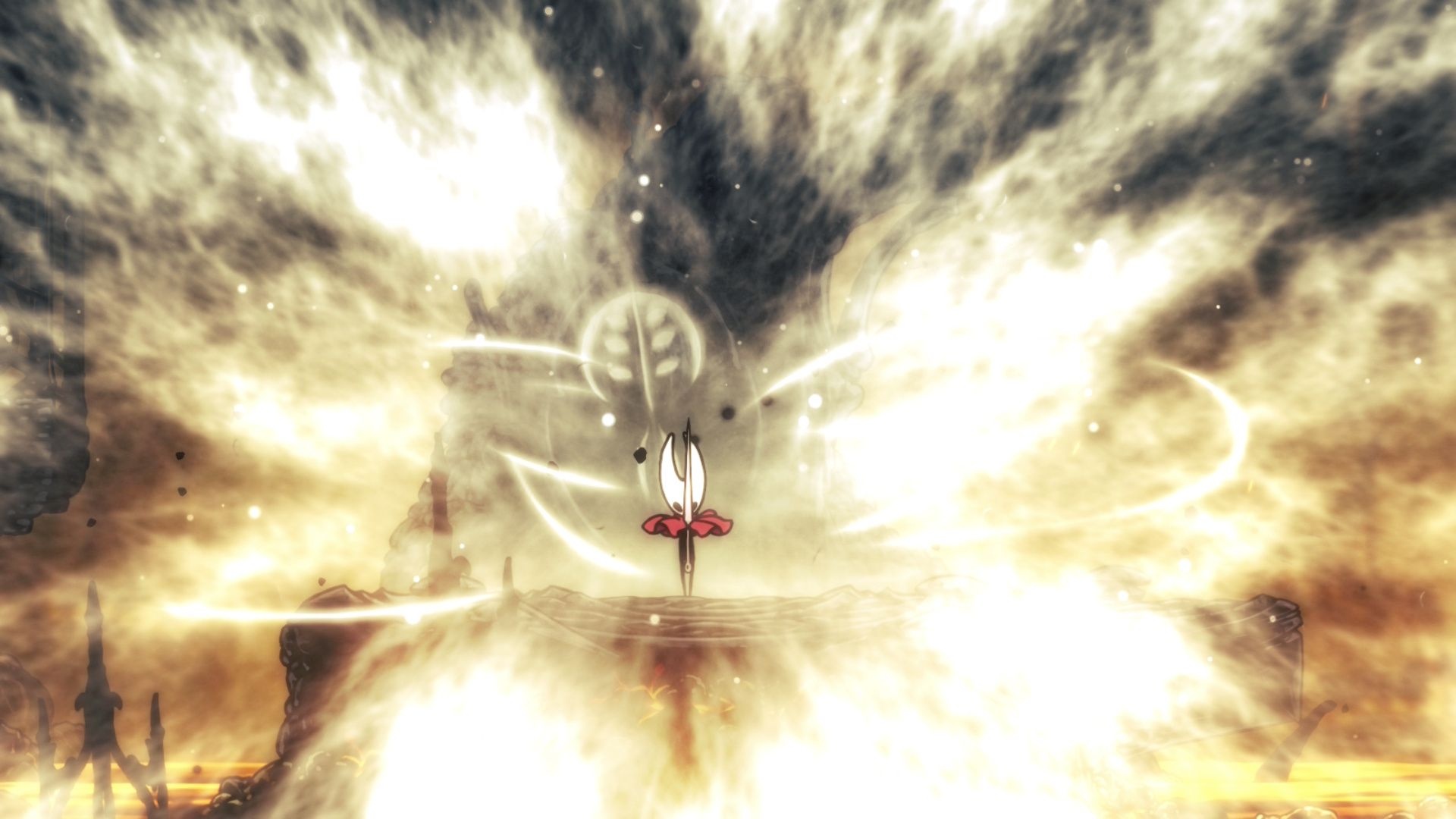
Hollow Knight: Silksong continues Team Cherry’s approach to storytelling by scattering worldbuilding, character notes, and lore across the map while asking players to piece together the larger narrative. The game opens with Hornet captured, follows her ascent through Pharloom, and offers multiple endings that change the state of the game’s world. [Ed. note: The piece contains heavy spoilers for Silksong’s standard and true ending.]
- Story structure and pilgrim model
- Themes and literary influences
- Characters and narrative focus
- Endings and their implications
- Takeaway
Overview
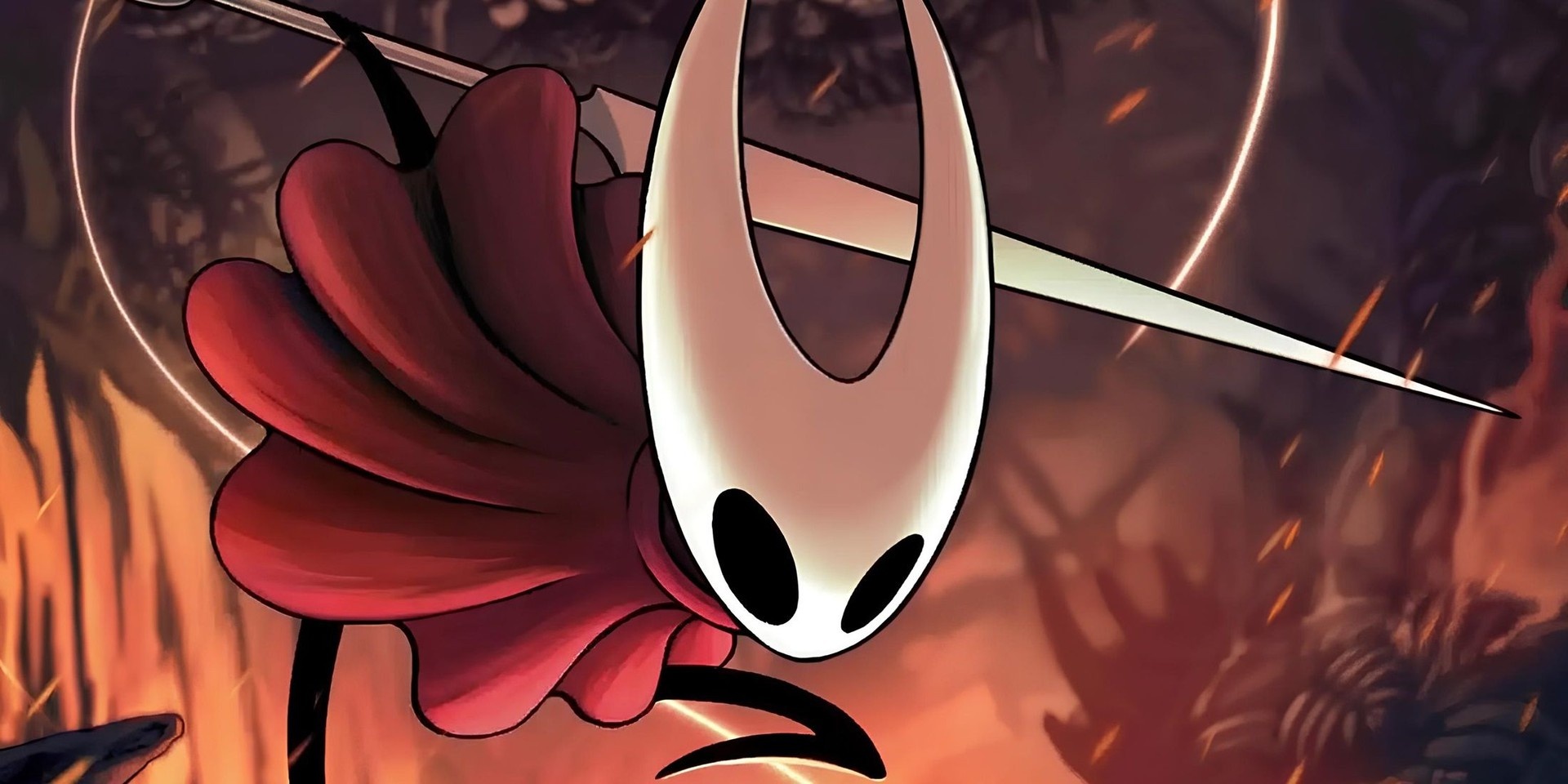
Silksong places Hornet at the center of a multi-act journey through Pharloom. First, she is captured by the Weavers and then escapes into a series of regions that chart a vertical progression from the underlayers to the Citadel. Along the way, players encounter camps of workers, imprisoned dissenters, and a religious caste that governs the Citadel. The game offers at least two notable conclusions often referred to as the standard ending and the true ending.
Story structure and pilgrim model
The narrative framework maps Hornet’s movement as a form of pilgrimage and moral journey rather than a purely linear quest. Specifically, the game’s three-act progression resembles historical and literary pilgrimage forms, moving from depths, through intermediary zones, and finally to a high seat of authority. For background on the pilgrimage idea, see this Met Museum essay on medieval pilgrimages.
Themes and literary influences
Silksong references several well-known works and traditions. For example, reviewers and analysts have drawn parallels to Dante’s The Divine Comedy because of the layered ascent from lower realms to a citadel-like peak; the original text can be read via this Gutenberg edition. Additionally, commentators note resemblance to Stations-style devotional narratives; for a modern description, see an overview of the Stations of the Cross. The game also contains elements that echo Reformation-era critiques of organized religion; readers can refer to this Britannica entry on Martin Luther for context.
Characters and narrative focus
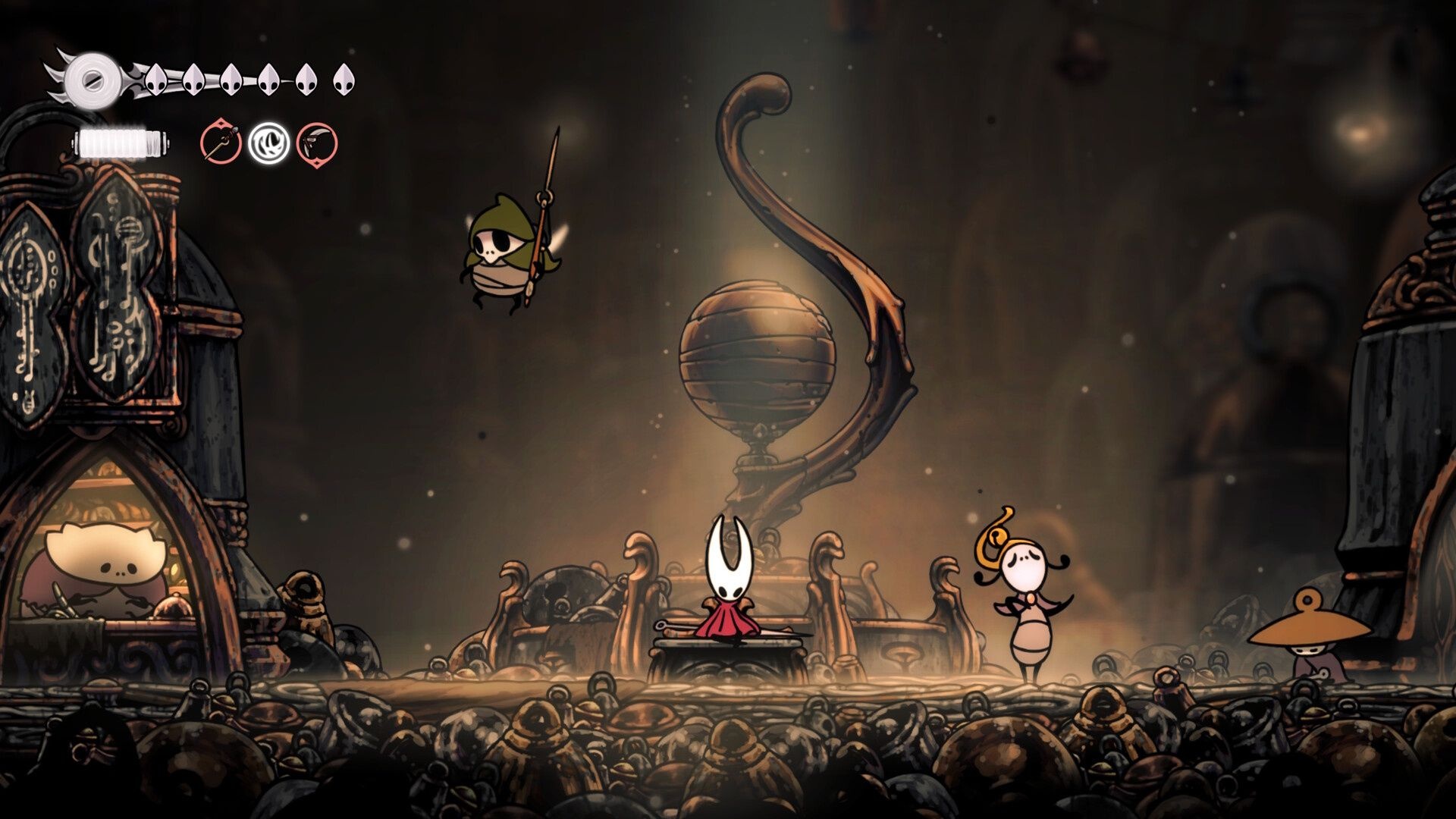
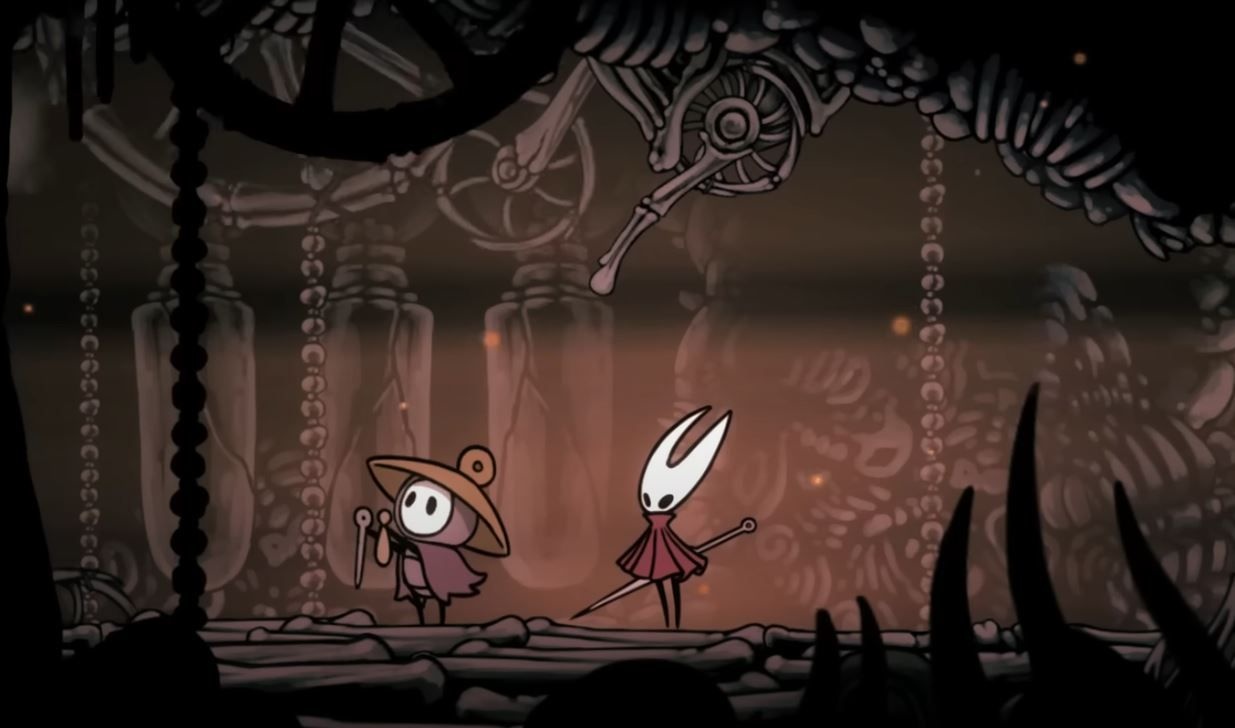
Hornet is presented as a distinct character with her own backstory: she is descended in part from Grand Mother Silk and was raised away from the Weaver hierarchy by her mother, Herrah. The Weavers view Hornet as having a pre-ordained role tied to Grand Mother Silk. Lace is introduced as another Weaver descendant whose arc intersects Hornet’s, and Lace’s motivations include awakening or confronting Grand Mother Silk.
Other named figures include the Songclave Caretaker, Garmond, the Moss Druid, the Huntress, Sherma, and the Green Prince. Some characters appear across multiple acts; for instance, Lace and Sherma have through-lines in the story. Garmond has been compared to characters in classic Arthurian fiction such as King Pellinore; see this Britannica summary for the Arthurian reference.
Endings and their implications
There are at least two major outcomes documented in coverage of Silksong:
- Standard ending: Hornet confronts and defeats Mother Silk in Act 2 and absorbs the deity’s spirit, effectively replacing the previous divine authority.
- True ending (Act 3 unlocked): Players who meet the conditions for the game’s further act see an expanded finale where Hornet imprisons Mother Silk, confronts the Void, frees Lace from the Void, and ultimately Mother Silk sacrifices herself to allow Hornet and Lace to leave. This ending removes Weaver-driven religious control within Pharloom in the narrative.
Coverage notes that the true ending reframes the state of Pharloom by ending the deity-driven system and enabling characters such as Lace to rebuild with different priorities. The story’s moral framing is often described as emphasizing care for people over institutional control, and some commentators link that framing to interactive choices available to the player during the game.
Takeaway
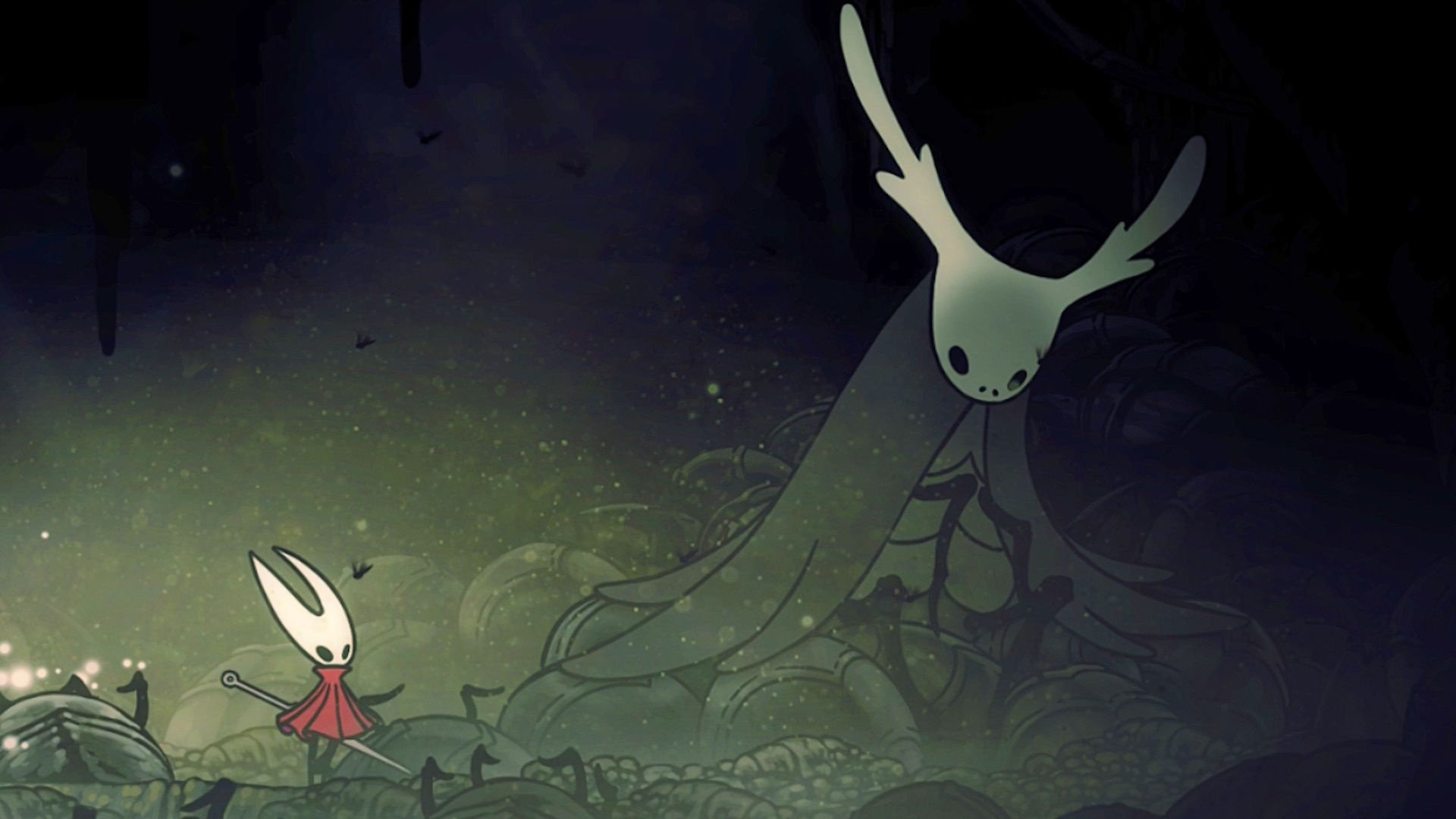
In concrete terms, Silksong delivers a multi-act story built around Hornet’s journey through a stratified region, with influences from medieval pilgrimage, Dante, and other religious and literary traditions. The game provides branching conclusions that change the political and spiritual status of Pharloom, and it embeds worldbuilding across exploration, NPCs, and optional content. For those tracking the game’s literary ties, the long-form influences include The Pilgrim’s Progress and other historical sources cited above.