Hollow Knight: Silksong’s Brutal Runbacks Are Infuriating — and Addictively Brilliant

Hollow Knight: Silksong is Team Cherry’s follow-up to Hollow Knight. The game stars Hornet, expands the studio’s Metroidvania systems, and has attracted strong player discussion about its difficulty since release.
Key facts
Developer: Team Cherry. Platform and release dates vary by storefront and platform; check official sources for specifics.
Protagonist: Hornet.
Playtime reported in this review: close to 60 hours.
World and story
The game is set in Pharloom, a kingdom with social hierarchy and an in-game substance called silk that affects inhabitants’ behavior. Hornet is drawn into Pharloom and explores its regions, towns, and Citadel areas while meeting a range of insectoid characters.
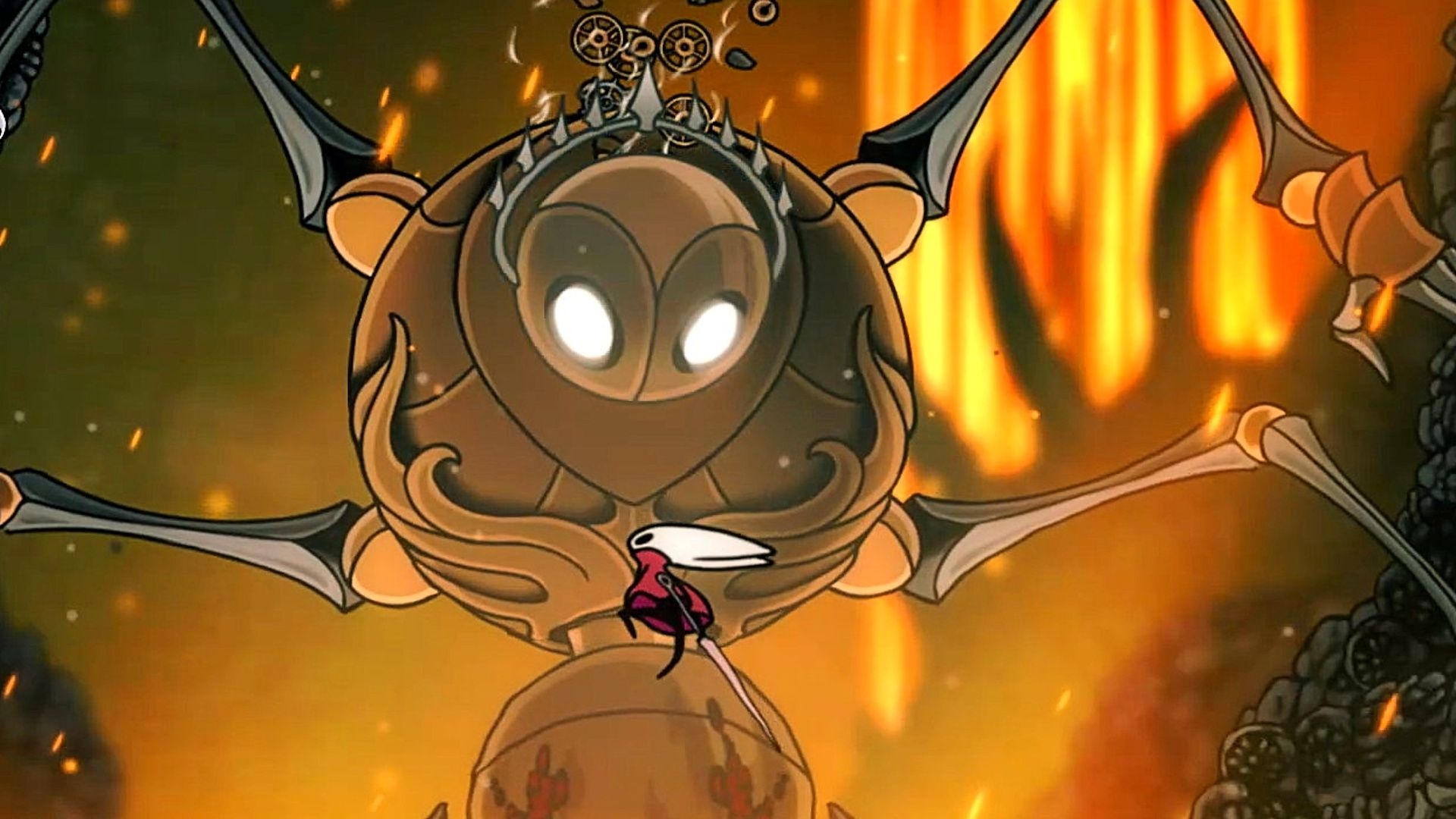
Story and lore are delivered mostly through environmental details, item descriptions, and discovered notes rather than long cutscenes. Players do not need prior experience with the original Hollow Knight to follow the basic plot threads.
Gameplay and mechanics
Silksong follows Metroidvania conventions: exploration, ability-gated progression, and platforming. Hornet’s basic actions include jump, dash, and hover, plus a needle weapon used for melee combat.
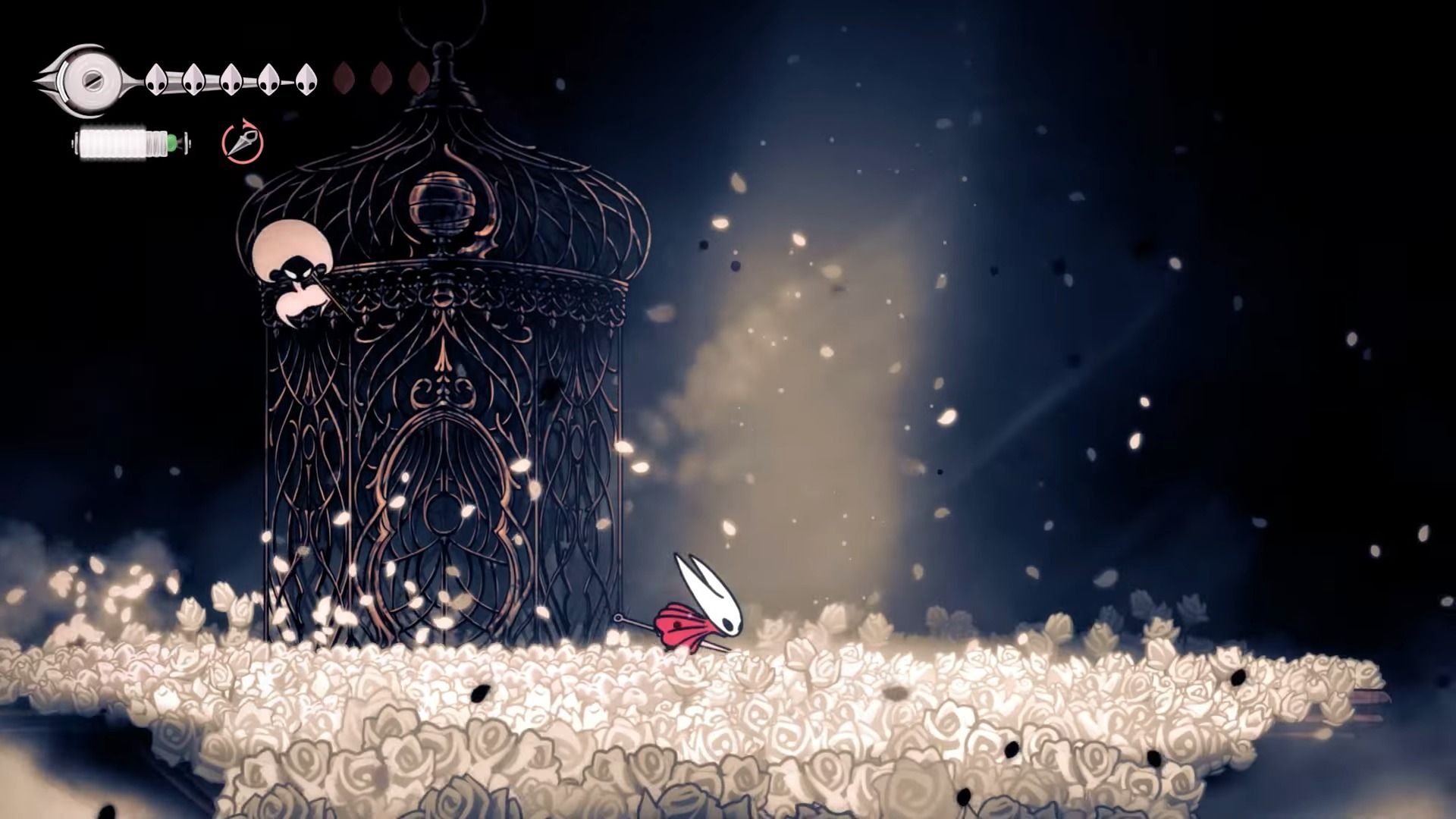
The game uses a silk gauge that fills when Hornet attacks; once full, the player can initiate a heal. Healing requires a short charge time but can be performed mid-jump. At the start of the game, Hornet can withstand roughly three consecutive hits before dying.
Difficulty and runbacks
Silksong requires players to perform runbacks: after dying, players commonly must traverse sections they already cleared to reach a boss again. The game does not automatically place the player immediately beside most bosses after death; instead, players often restart from a previous checkpoint and travel back to the fight.

Combat design expects close-range engagement and frequently rewards approaches that differ from natural player impulses (for example, dashing toward certain threats rather than away). Consequently, encounters can be lethal and require repeated attempts.
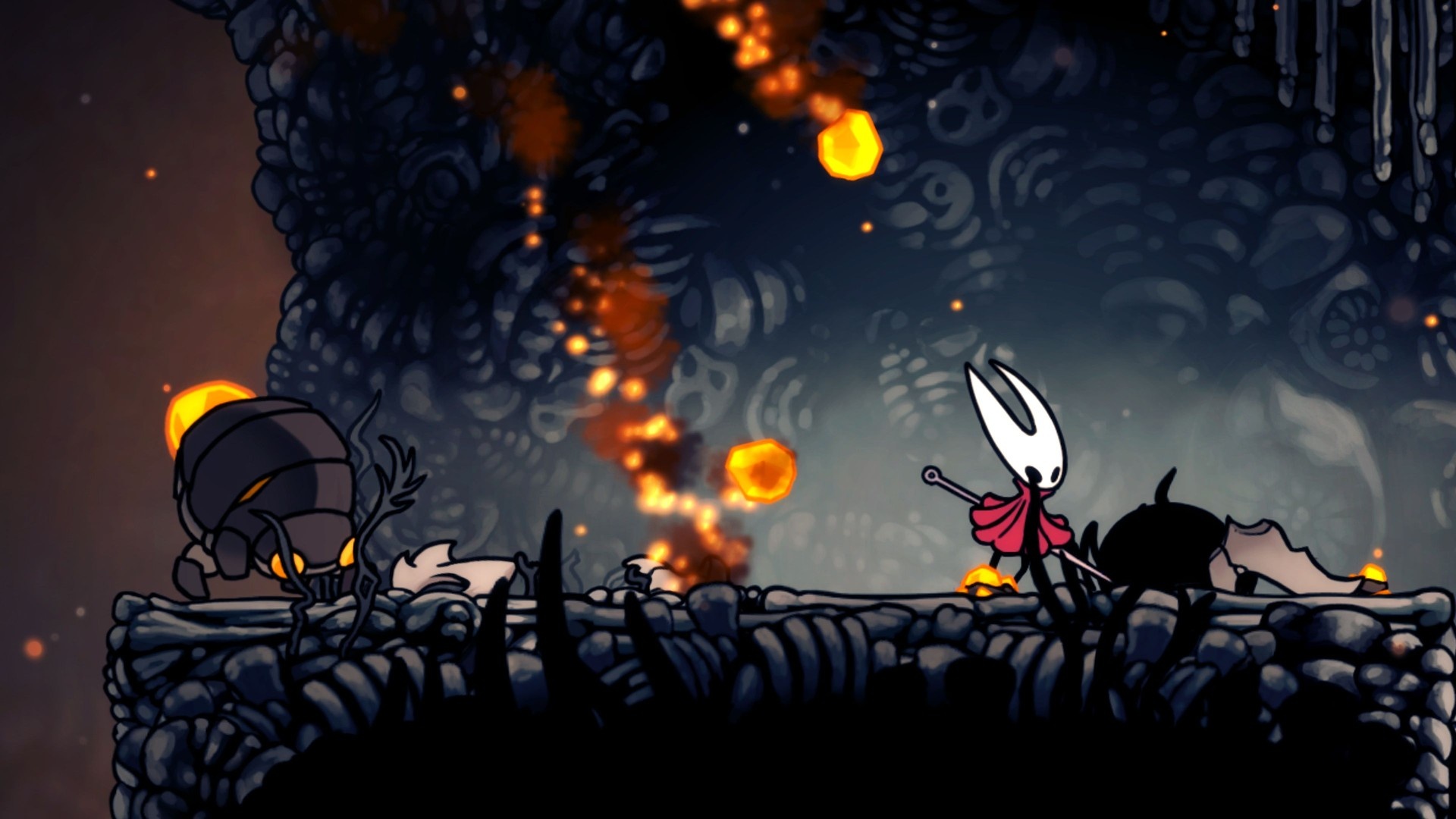
The Citadel area contains save benches that cost in-game currency to use. Additionally, the reviewer notes that runbacks tend to grow longer and more elaborate in later parts of the game.
Progression and structure
Silksong includes an upgrade system, a roster of tools for Hornet, and a quest system. New abilities often open previously inaccessible areas, which commonly contain small rewards such as lore pieces or modest resource caches.
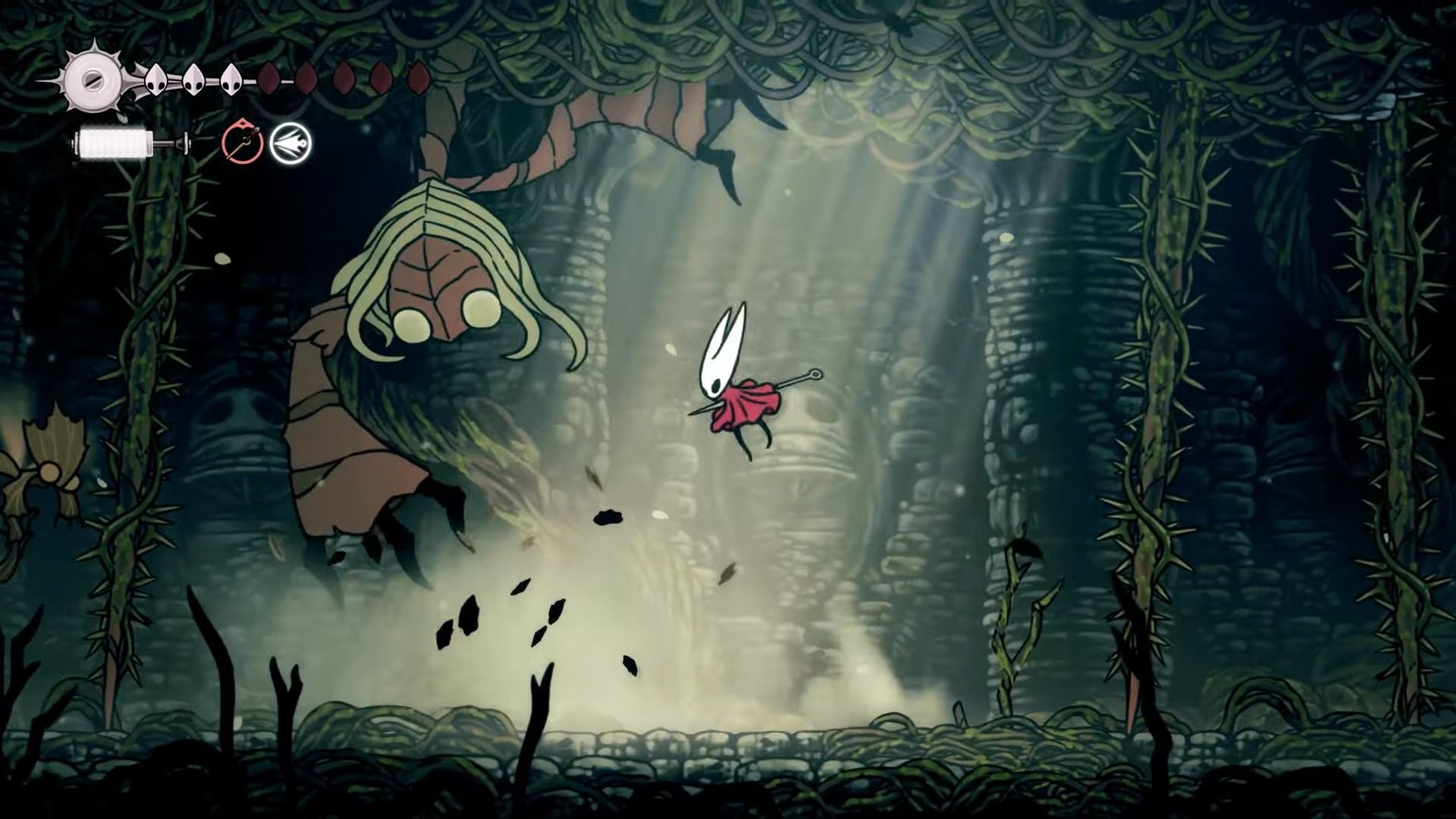
Team Cherry worked on Silksong for multiple years before release, and the game’s visuals and world design reflect extended development time. The original Hollow Knight began as a Kickstarter with 2,158 backers and has since sold approximately 15 million copies.
Reviewer notes and context
The reviewer spent about 60 hours in Silksong and reports alternating stretches of progress and repeated failures. A patch addressing tuning was released about a week after the game’s launch.
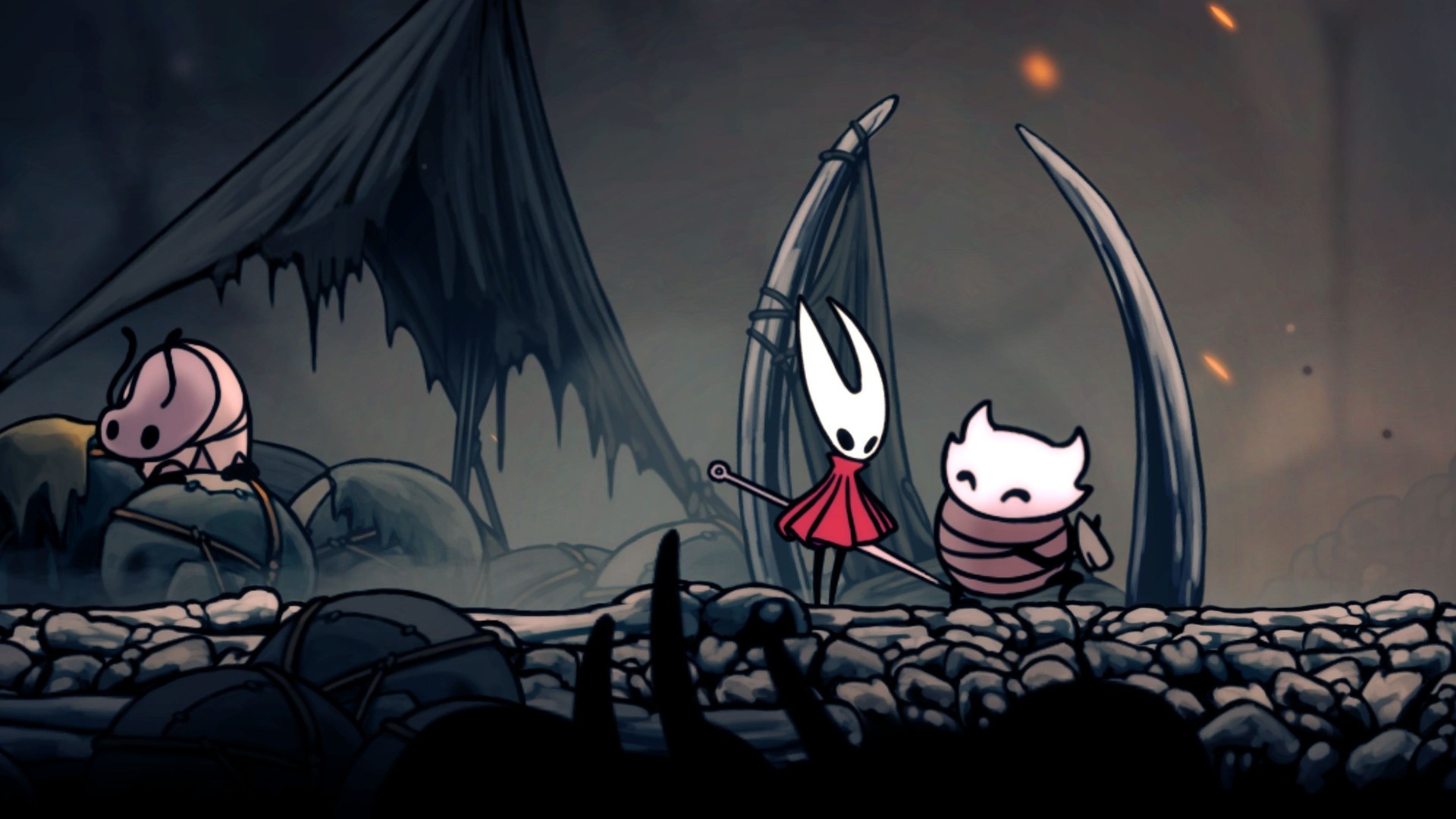
The review references a passage from David Foster Wallace in relation to player experience:
“You seek to vanquish and transcend the limited self whose limits make the game possible in the first place. It is tragic and sad and chaotic and lovely. All life is the same, as citizens of the human State: the animating limits are within, to be killed and mourned, over and over again…”
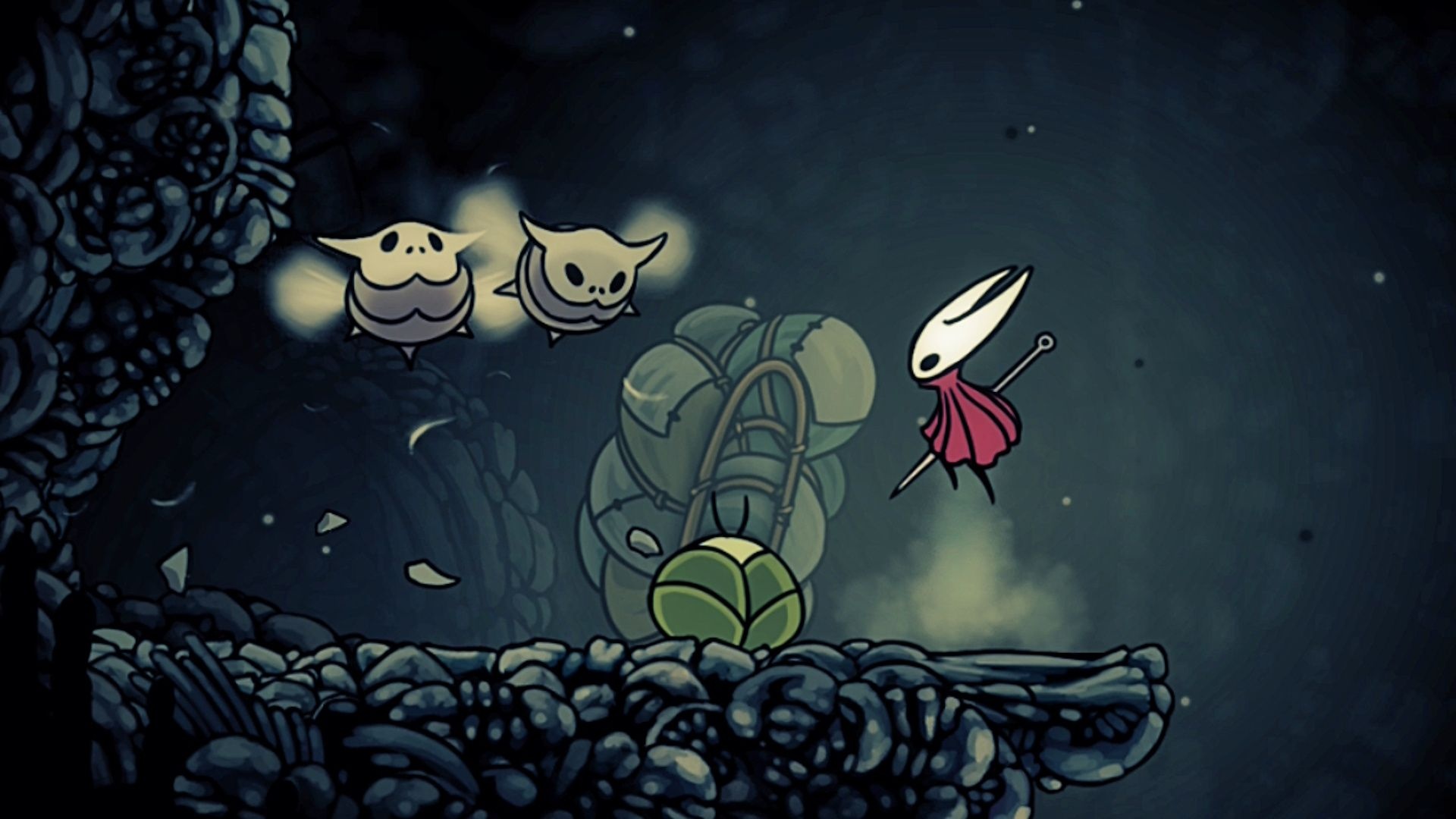
Overall, the review highlights that Silksong combines precise platforming and combat systems with design choices that increase the frequency and length of repeated attempts. Therefore, player reactions to the game’s difficulty have been a significant part of public discussion since release.