How a Canceled Indie Game Became a 4.5 Million-Selling Steam Sensation Overnight
From Cancelation to Steam Sensation: How Peak Climbed Its Way to Millions of Sales
Peak started as a canceled project that couldn’t secure funding but quickly turned into a smash hit on Steam, selling millions of copies in just weeks. This slapstick survival co-op game is the product of a dynamic collaboration between Aggro Crab and Landfall Games, two indie studios that found success through a creative pivot and a fast-paced development sprint.
- Initial project canceled due to creative differences and funding issues
- Collaboration between Aggro Crab and Landfall Games sparked new ideas
- Game developed during a month-long game jam in Korea
- Released quietly but quickly gained massive popularity on Steam
- Peak sold over 4.5 million copies within a month
- Plans for ongoing updates, localization, and platform expansion
From Burnout to a Fresh Start
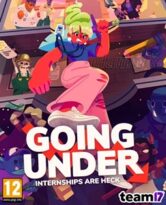
Aggro Crab was exhausted after three years working on their underwater Souls-like game, Another Crab’s Treasure. They immediately started prototyping a sequel to their 2020 roguelike Going Under, but creative differences led to the project losing funding and eventually being canceled. The team felt burnt out and frustrated, ironically mirroring the toxic workplace themes of Going Under.
Instead of pushing through exhaustion, Aggro Crab decided to step back and rethink their approach. They aimed to create something fun and lighthearted to rekindle their passion for game development. This new mindset led them to team up with their friends at Landfall Games, known for their quick development process, as seen with their hit Content Warning.
A Game Jam in Korea Sparks Peak’s Creation
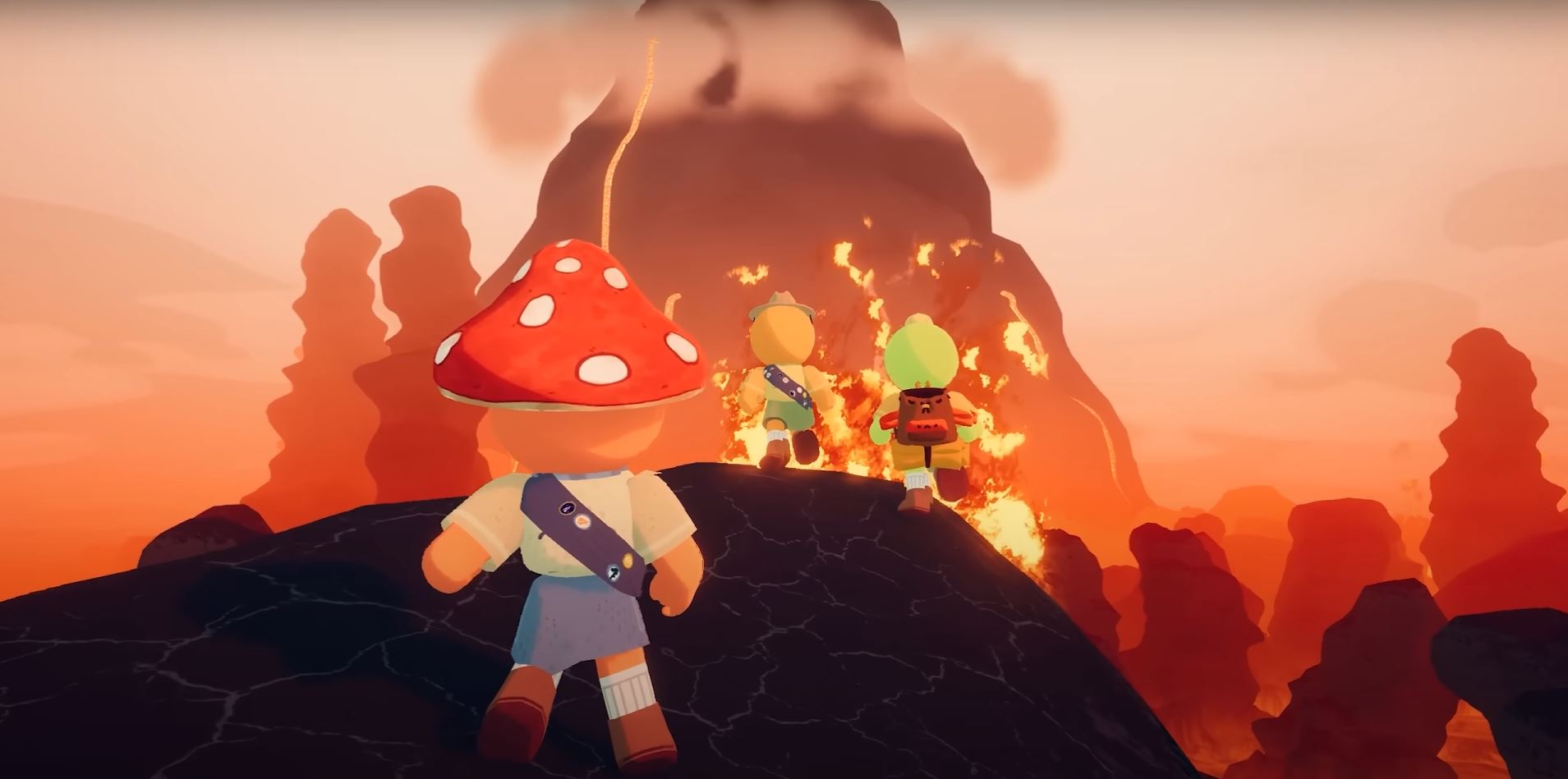
The two studios rented an Airbnb in Korea and locked themselves in for a month-long game jam, working intense 15-17 hour days. They started with a vague concept of an open-world survival game, which quickly evolved into a slapstick co-op climbing adventure featuring lost scouts on an island. The pace was hectic but productive, with daily routines packed with coffee, brainstorming, playtesting, and meals filled with game discussions.
As Galen Drew, Aggro Crab’s art director, explained: “Our general routine was to wake up and go for coffee, come back and work until lunch, go out for some food and discuss the game, come back and work, go for dinner and discuss, and then come back and playtest and take notes for the next day.”
Choosing the right name was a daily dinner debate, with options like Scout Adventure and Seagull Scouts on the table. Eventually, “Peak” stuck, partly because it was a joke that kept coming up during their Izakaya dinners.
Quiet Launch, Explosive Success
After the game jam, the teams returned home and continued polishing the game. Peak was released on June 16 for just $8, without a major marketing push. Despite this low-key launch, the game sold a million copies in about a week, rapidly gaining traction among YouTubers and Twitch streamers alike.
Reviewers praised Peak’s clever twist on Breath of the Wild-style climbing mechanics, with its procedural mountains and survival puzzle elements. Players must manage stamina, hunger, and status effects while navigating the unpredictable antics of their co-op partners. The game’s quirky characters and absurd humor add to the charm, making it fun to watch and play.
To put this into perspective, Another Crab’s Treasure sold about 500,000 copies in three months across multiple platforms, priced at $29.99. Peak’s success, with 4.5 million copies sold in less than a month, is remarkable, especially considering its lower price and indie origins.
Handling Unexpected Attention and Future Plans
The sudden popularity overwhelmed both studios and their servers. A patch meant to fix issues ended up breaking the game due to the sheer number of players. Despite these challenges, the hype only grew stronger.
Initially, Peak was meant as a fun side project to recharge the teams before moving on to bigger things. However, after seeing the overwhelming response, Aggro Crab decided to keep supporting the game. “We came out of that meeting with a resounding yes,” said Drew. “Updating with new content is actually quite nice. We don’t have any official schedule for updates yet, but rest assured we are working hard on new content.”
Both studios are focusing on stability, localization, and expanding Peak to platforms beyond Steam. Drew also reflected on the shift in development style: “It remains to be seen if we want to make game[s] on THIS short of a timescale for the foreseeable future, but we’ve been enjoying the freedom that comes from much lower stakes development since this pivot.”
Peak’s unexpected rise has not only brought financial success but also a fresh outlook on game development for both Aggro Crab and Landfall Games. What started as a canceled project has now become a defining moment for both studios.