How a G.I. Joe Veteran Turned Marvel Rivals into the Ultimate Comic Experience
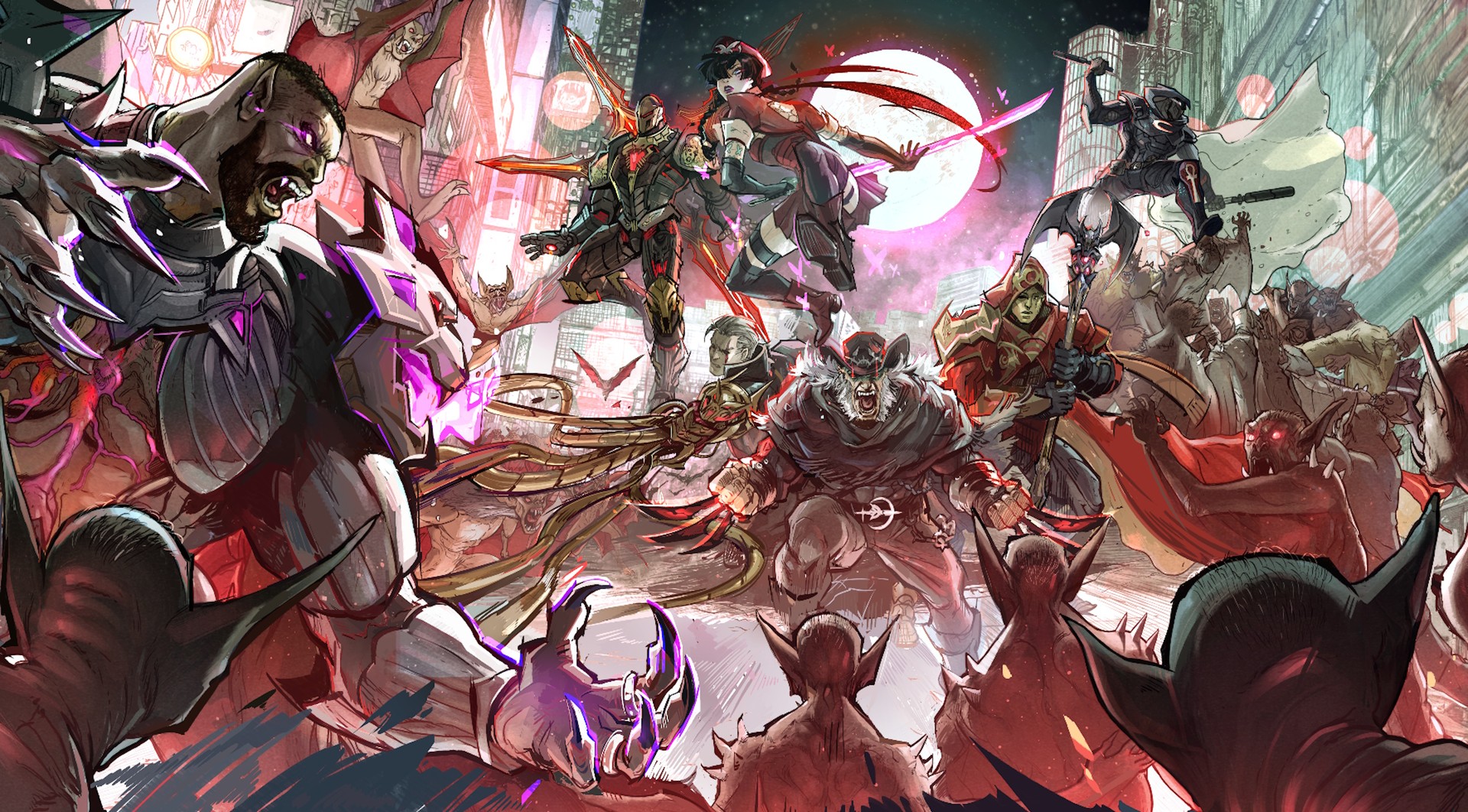
Marvel Rivals Infinity Comic started as a small side project but quickly turned into a must-read series thanks to writer Paul Allor. Initially planned as just six issues to promote the Marvel Rivals 6v6 hero shooter by NetEase, the comic has become a permanent fixture alongside the game’s seasons. How did this happen? Let’s dive into the story behind the scenes.
- Paul Allor’s journey from journalism to comics writing
- Challenges and creative freedom in crafting Marvel Rivals Infinity
- Unique storytelling approaches and character dynamics
- How the comic evolved alongside the game’s seasons
From Journalist to Marvel Comics Writer
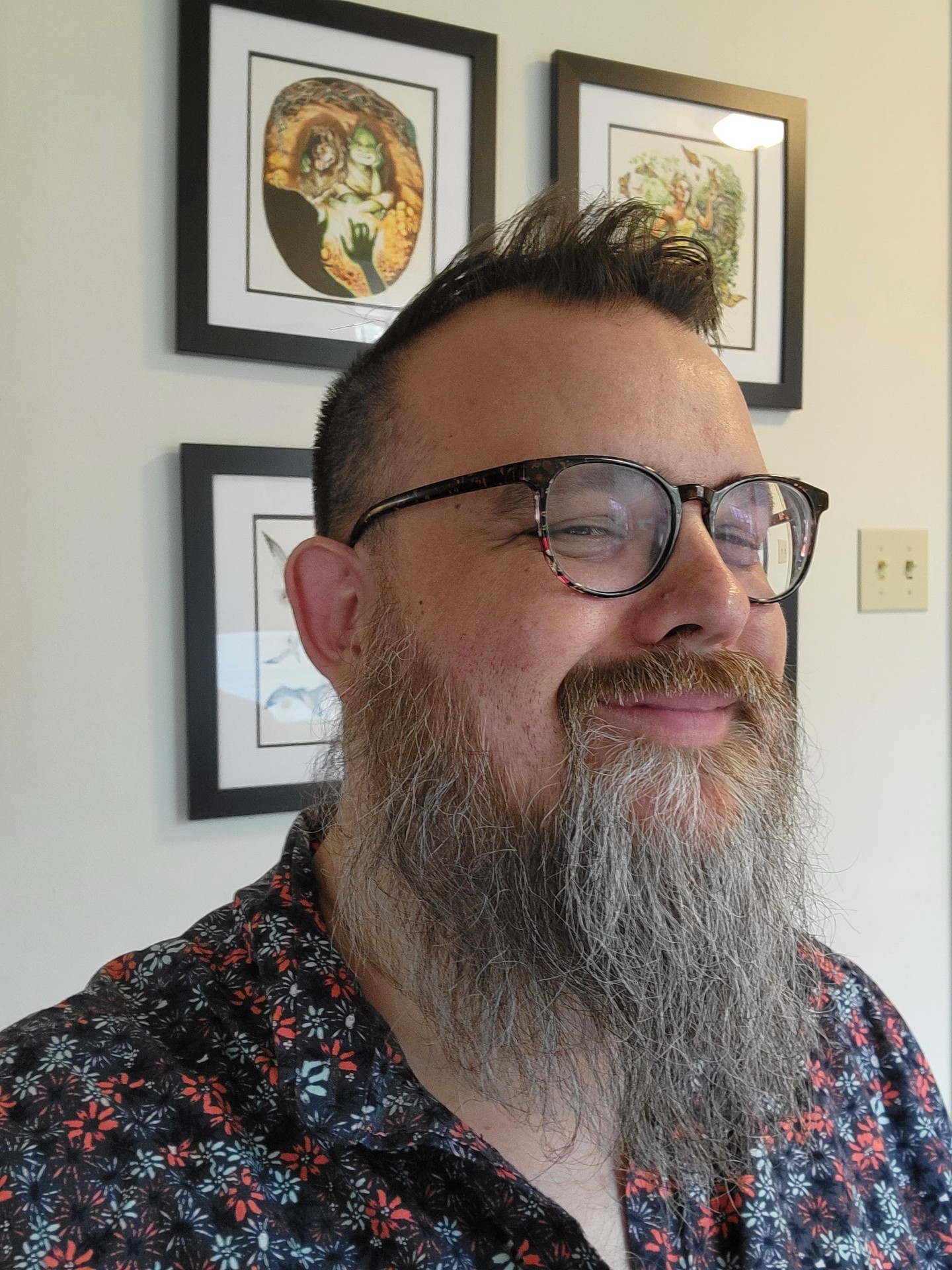
Paul Allor didn’t start out dreaming of writing superhero comics. Their career began in journalism, far from the colorful panels of Marvel. It wasn’t until a Christmas Secret Santa gift—a volume of Astonishing X-Men—that Allor realized comics could be a powerful storytelling medium. They loved how words and art worked together to create something unique.
Since then, Allor has written thousands of pages, including one-shots, mini-series, and licensed projects like G.I. Joe and Teenage Mutant Ninja Turtles. They even teach a class on writing short comics. This diverse background helped Allor develop a fresh approach that blends different storytelling styles and emotional depth, which proved perfect for Marvel Rivals Infinity.
Crafting Marvel Rivals Infinity: A Puzzle to Solve
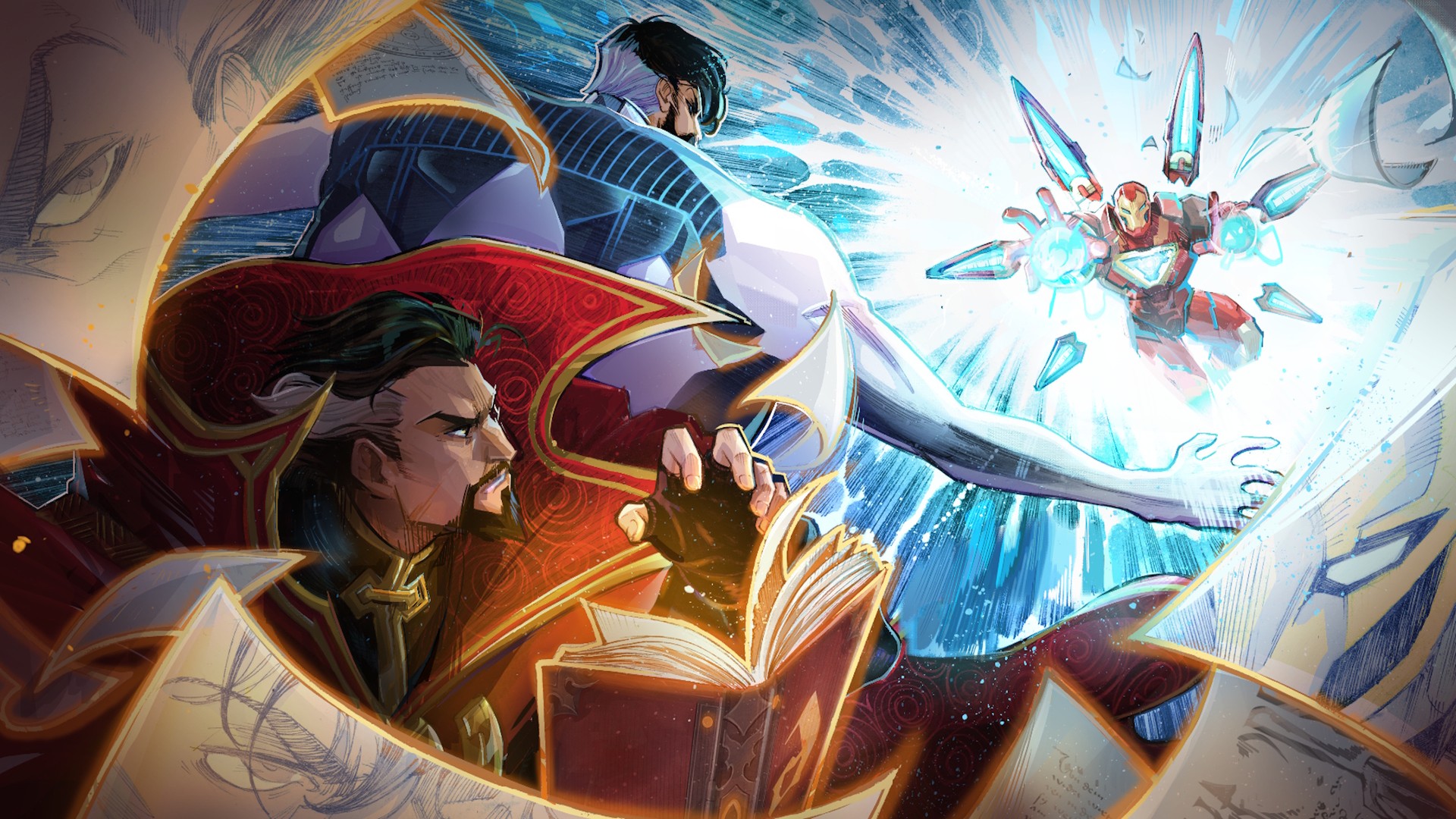
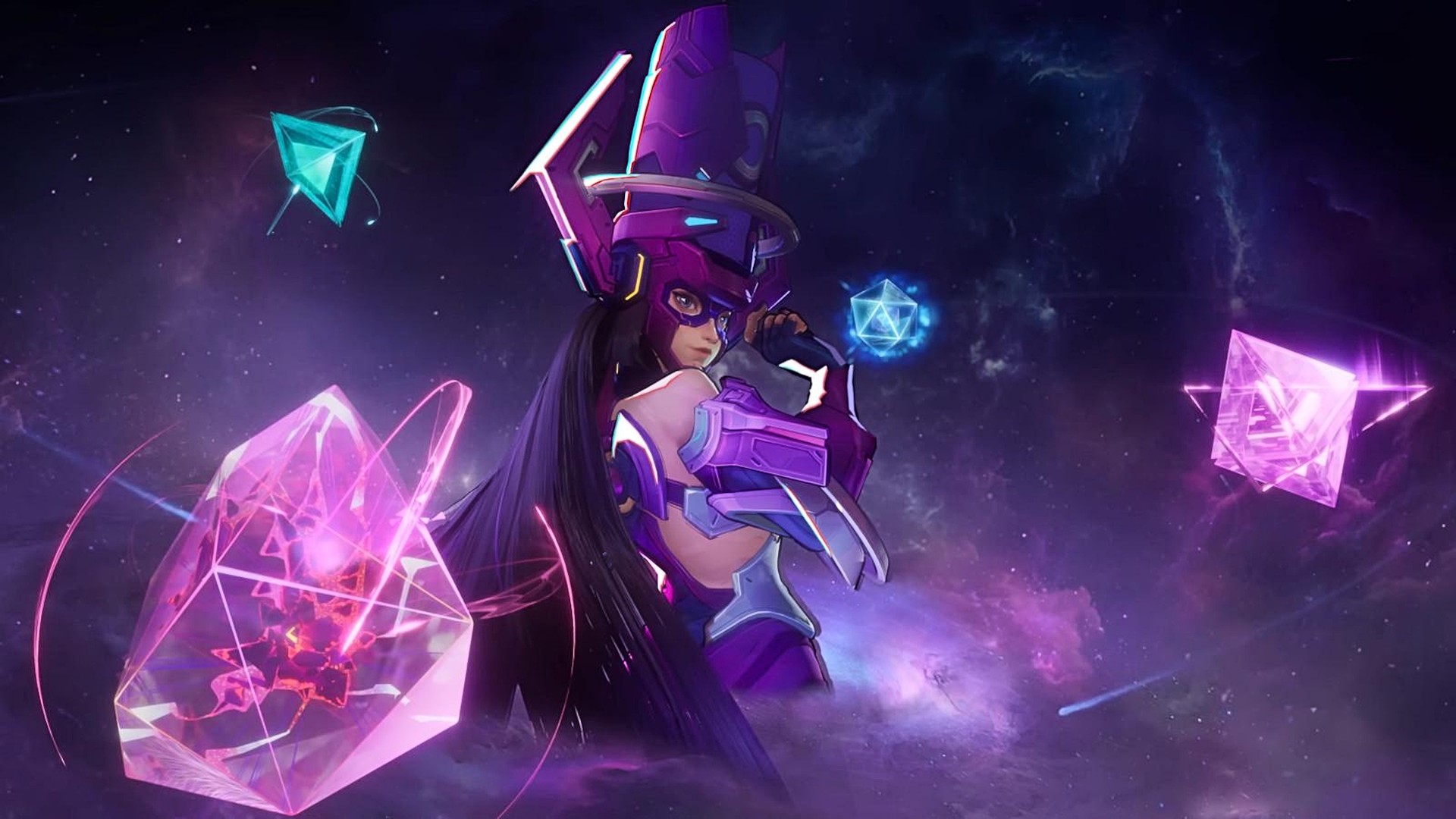
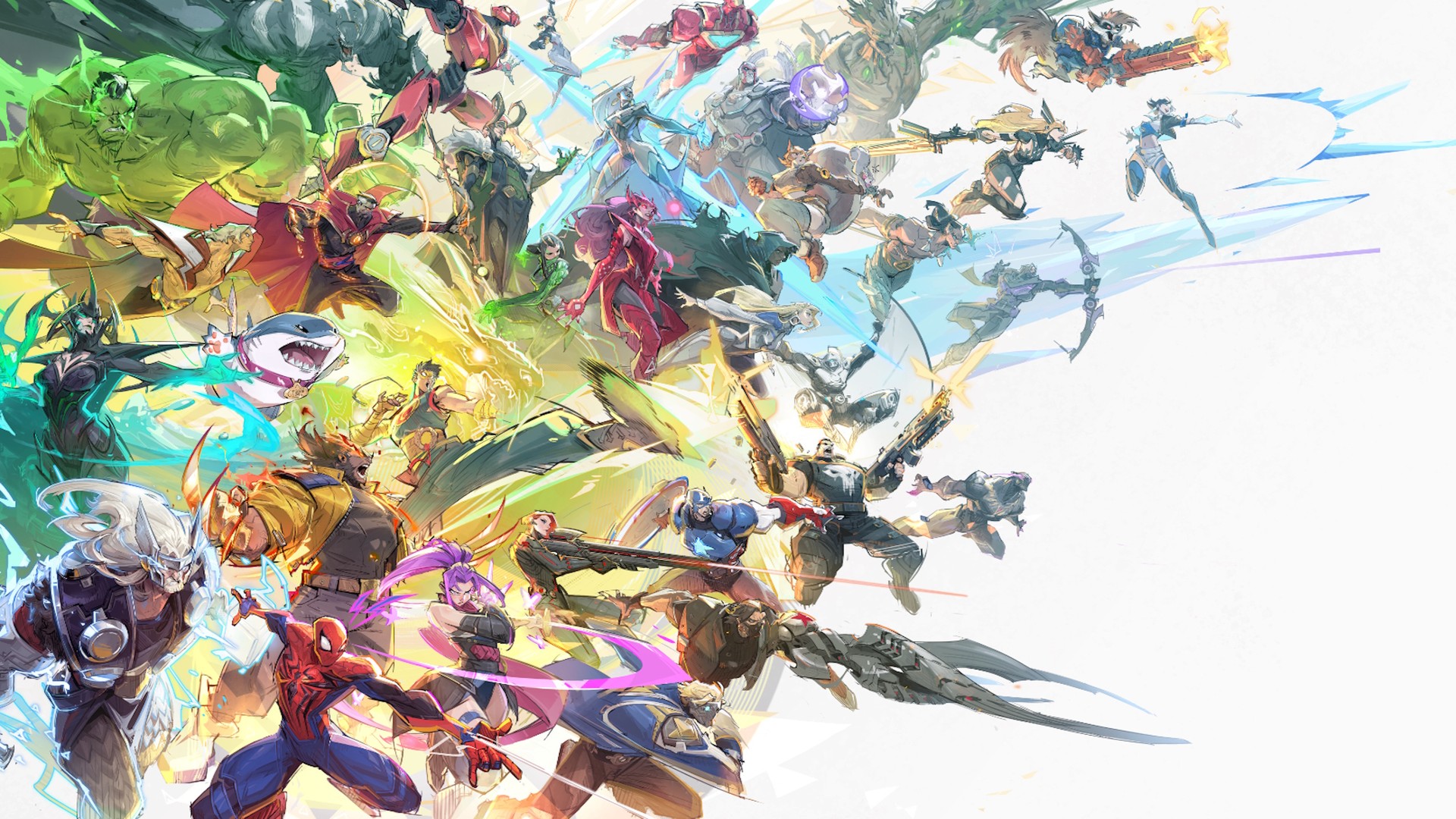
When Marvel asked Allor to write the Marvel Rivals Infinity Comic, the brief was tight: 36 pages, two teams of six characters each, and a need to reflect the game’s unique Team-Up Abilities. Plus, Allor had to include characters like Spider-Zero, Master Weaver, and Galacta as narrator, all set in the futuristic Tokyo 2099.
“What’s fun to me is trying to tell a great story, while also having to solve this puzzle,” Allor said. With no shared history between the characters, they focused on relationships and conflicting values to create compelling narratives. They even dug into fan wikis and beta footage to understand the characters better, which led to surprising subplots—like the unexpected bond between Jeff the Land Shark and Namor.
Dealing with Marvel’s Complex Continuity
Marvel’s vast history can be tricky. For example, Peni Parker’s parentage was unclear, with creator Gerard Way giving only hints. Allor initially wrote her father as a different character but had to adjust mid-process when Marvel clarified he was Richard Parker. “The continuity is sometimes very confusing,” Allor admitted, but they managed to navigate it smoothly.
Growing with the Game: Seasons and Stories
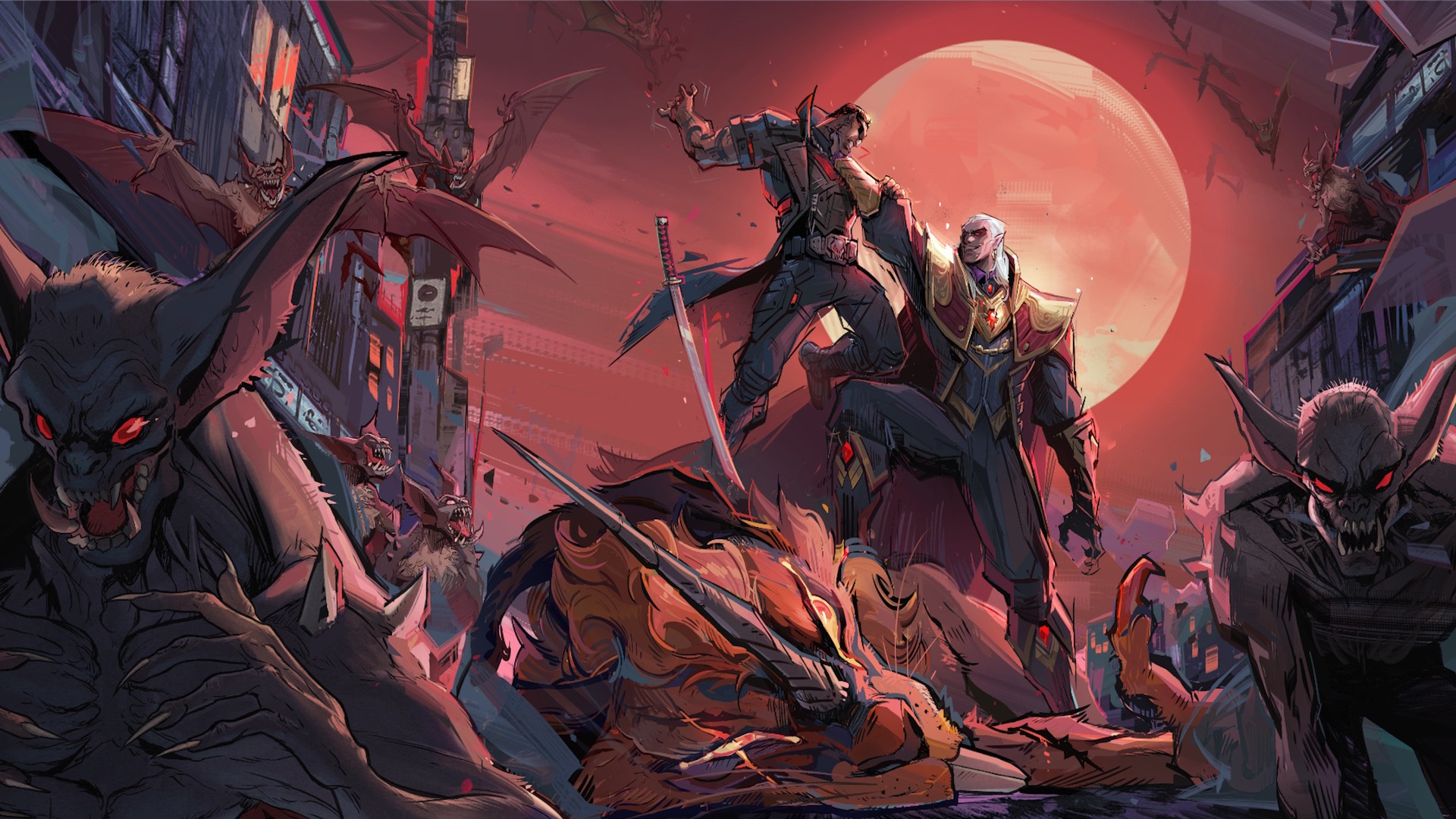
The comic’s success meant Marvel and NetEase expanded it beyond a one-off. Season 2 introduced Ultron and a beach-themed mutant clash, while Season 3 focused on the symbiote planet Klyntar and brought in Blade as a key character. This season allowed Allor to explore Blade’s vulnerability beneath his tough exterior, adding emotional depth to the vampire hunter’s story.
Interestingly, Klyntar offered little official lore, so Allor had creative freedom to imagine the setting, while still respecting the character’s history. This balance of challenge and opportunity keeps the series fresh and exciting.
What’s Next for Marvel Rivals Infinity?
With the comic becoming a permanent companion to the game, Marvel is open to bold ideas. One of Allor’s latest pitches drew inspiration from Martin Scorsese’s surreal film After Hours, showing the series’ willingness to experiment and evolve.
Allor summed up their experience with Marvel Rivals Infinity perfectly: “Writing these stories is like working to prepare a complex and refreshing meal, with a constantly shifting list of ingredients.” It’s a project full of challenges, surprises, and creativity—and it’s just getting started.