How Donkey Kong Bananza Proves Nintendo’s Zelda Games Changed Everything
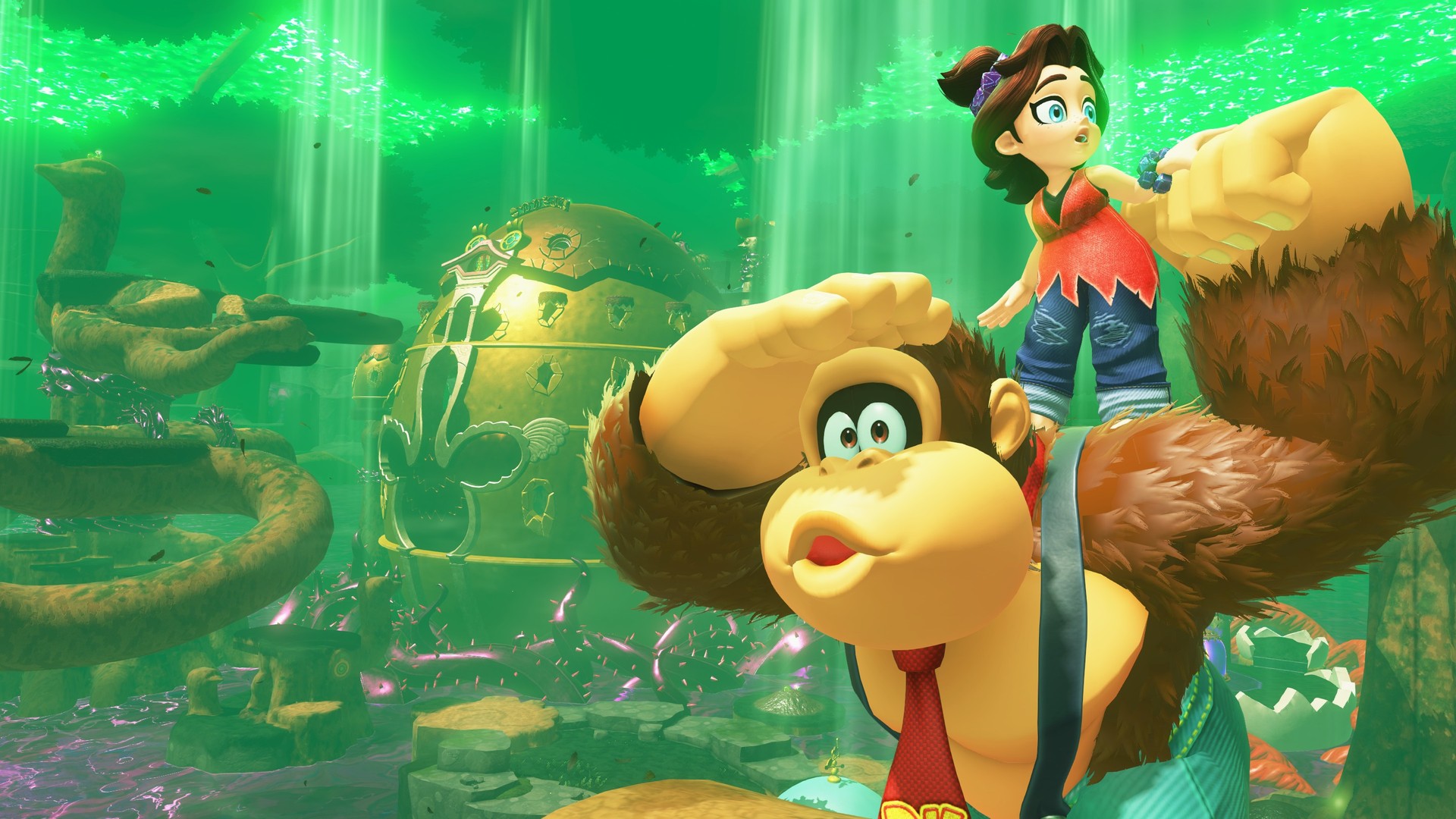
Donkey Kong Bananza is Nintendo’s latest 3D platformer, developed by the Super Mario Odyssey team and produced by Kenta Motokura. This game clearly shows how much Nintendo has evolved since the release of The Legend of Zelda: Breath of the Wild and its sequel, Tears of the Kingdom. It’s not just another Donkey Kong game; it’s a fresh take that blends classic Nintendo charm with new design philosophies inspired by the recent Zelda titles.
- How Donkey Kong Bananza reflects Nintendo’s post-Zelda design changes
- The game’s unique style and gameplay innovations
- Player freedom, complex controls, and new features like skill trees
- Connections to Zelda and Mario influences
- What makes this Donkey Kong game stand out after 20 years
A New Nintendo Era for Donkey Kong
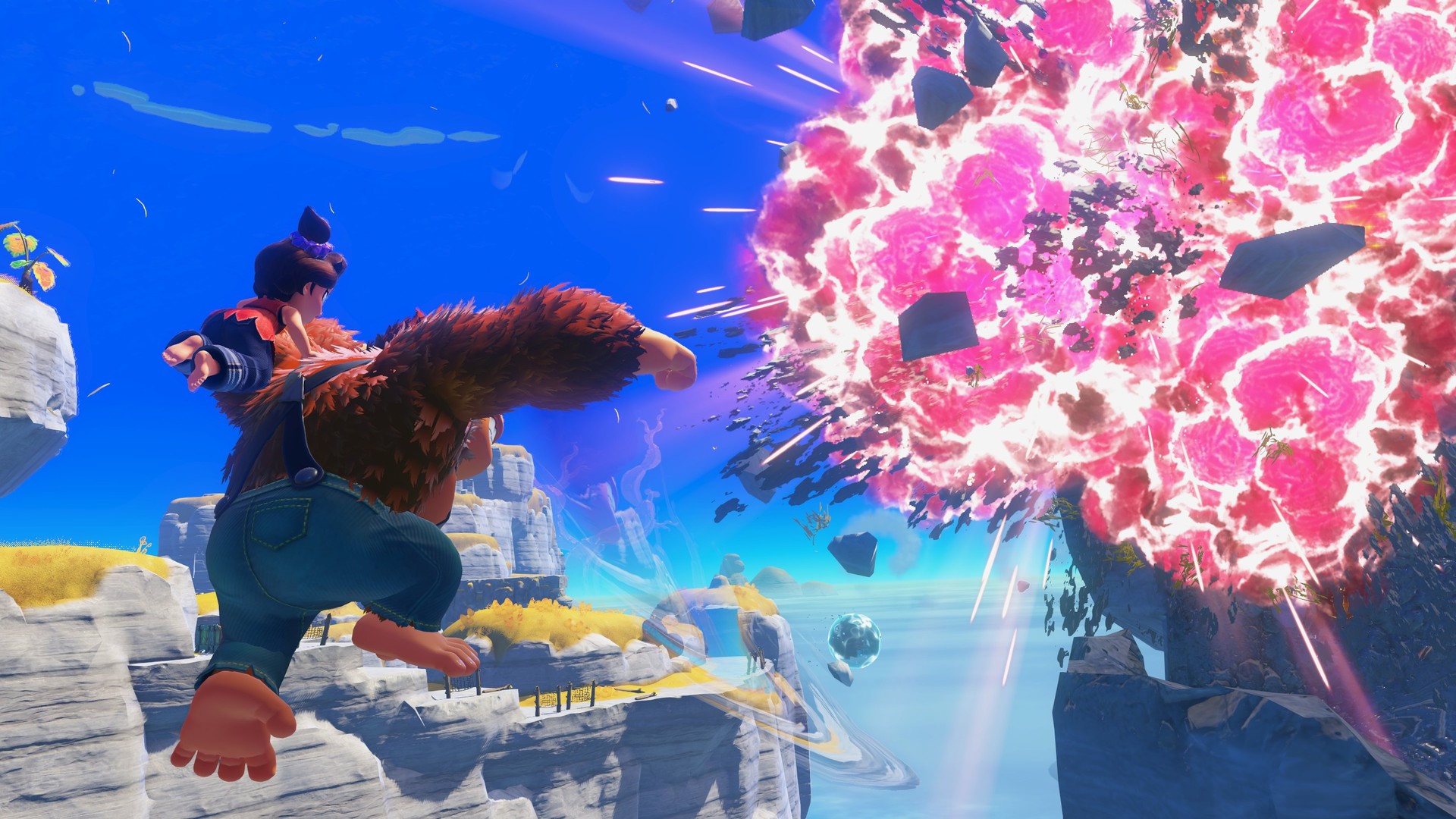
Donkey Kong Bananza is the first Donkey Kong game made in-house in Japan in two decades, and it’s easy to see the impact of Nintendo’s recent Zelda games on its design. The game is developed by the same team behind Super Mario Odyssey, and it borrows many ideas from Breath of the Wild and Tears of the Kingdom, while still keeping Donkey Kong’s rough-and-tumble personality front and center. This is a violent, heedless, and joyously dumb Donkey Kong, smashing through walls and tearing up the ground with satisfying, physical impact.
Everything from the one-word dialogue to menu buttons that shatter with a punch adds to the game’s unique flavor. Nintendo’s focus on characters shines through in every detail, making DK feel like a real powerhouse with a charmingly blunt personality.
More Complexity, More Freedom
One of the biggest changes inspired by the Zelda games is Nintendo’s newfound willingness to embrace complexity. Donkey Kong Bananza features a broad moveset with an elaborate control scheme that might take some time to master. Unlike traditional platformers, the game gives you access to all moves right from the start, following Breath of the Wild’s philosophy of giving players all the tools upfront to encourage freedom and creativity.
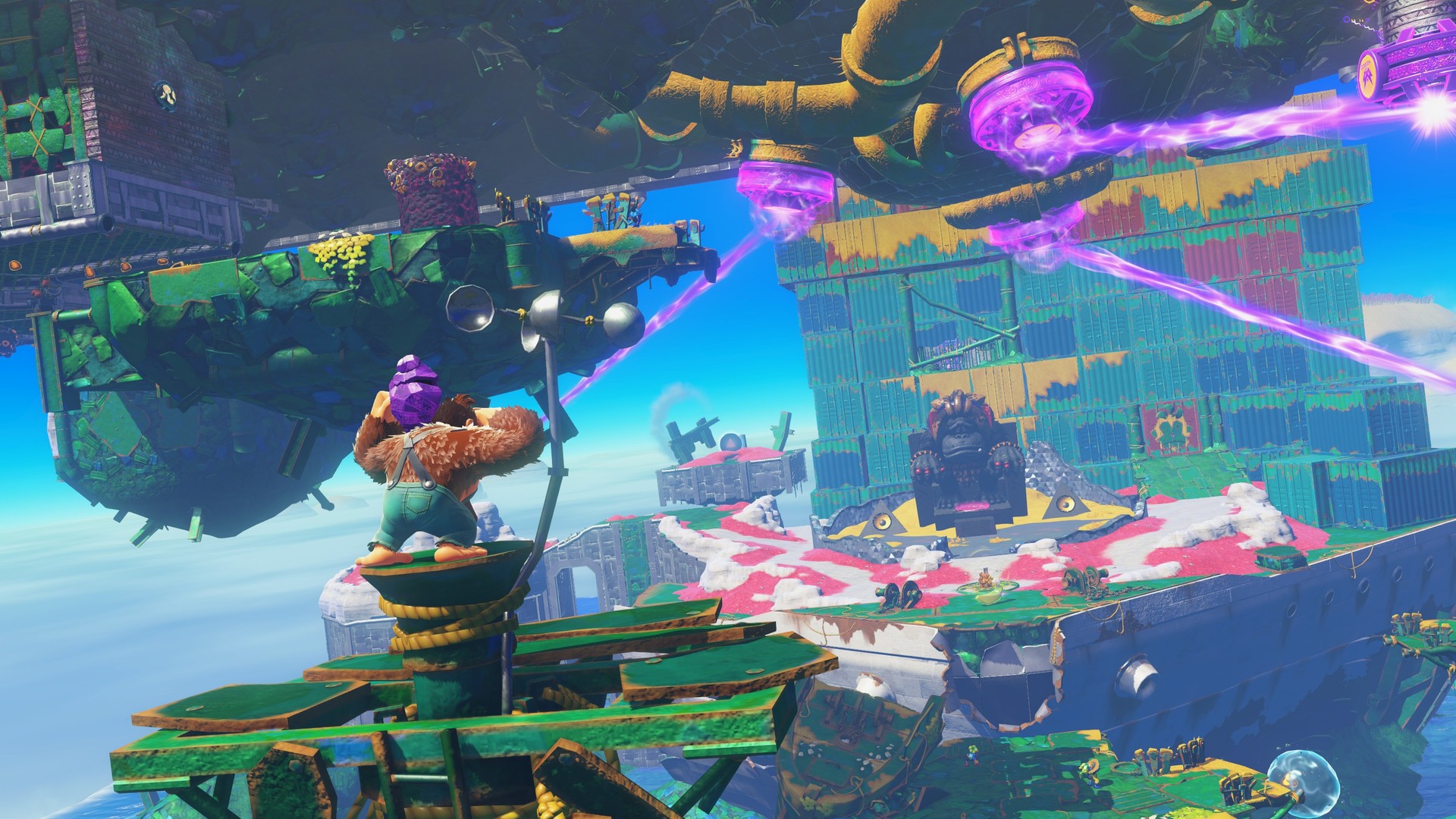
Like in Zelda, you can climb almost any surface, which is pretty unusual for a platformer. DK’s destructive abilities open up exploration and secret-finding, though on the main path, these moves feel more impactful than puzzle-solving. The game still sticks to some platformer traditions, such as unlocking Bananza transformations and exploring distinct subterranean Layers rather than a massive open world.
Zelda Influences Everywhere
Fans of the last two Zelda games will notice plenty of nods throughout Donkey Kong Bananza. There’s a heart meter with temporary yellow hearts after resting, collectible outfits that boost stats, and even a skill tree—a rarity for Nintendo platformers. You earn skill points by collecting giant crystal bananas, which serve as the game’s version of Power Moons from Super Mario Odyssey.
Additionally, DK skydives between Layers and surfs on chunks of rock, reminiscent of Link’s iconic shield surfing. The catchy jingle and rumbling voice that says “Oh, Banana!” whenever you pick up a banana add a fun, rewarding touch.
Three Nintendos in One Game
Donkey Kong Bananza feels like a blend of three different Nintendo eras:
- The perfectionist Nintendo of 3D Mario games, packed with clever secrets and challenges.
- The bold, player-freedom-focused Nintendo of Breath of the Wild and Tears of the Kingdom, willing to push technical boundaries.
- The mischievous, rough-around-the-edges Nintendo of the 1980s, embodied by Donkey Kong’s wild, cartoonish energy.
This mix results in a fresh and exciting experience that both honors Nintendo’s legacy and pushes it forward. It’s great to see Donkey Kong back in the spotlight with such a unique twist.