How Final Fantasy 9 Redefined the Series 25 Years Ago and Still Shines Today
Final Fantasy 9: Celebrating 25 Years of Defining the Series
Final Fantasy 9 just turned 25, and it’s a perfect moment to look back at how this game shaped what Final Fantasy really means. Unlike its predecessors, which leaned heavily into sci-fi vibes, FF9 brought the series back to its fantasy roots—crystals, castles, and all—while still pushing boundaries in storytelling and technology.
- The game’s classic fantasy setting and characters
- How FF9 balanced nostalgia with innovation
- The importance of strong storytelling in the series
- Technological advancements introduced by FF9
- The game’s legacy and impact on future Final Fantasy titles
A Classic Fantasy Tale with a Twist
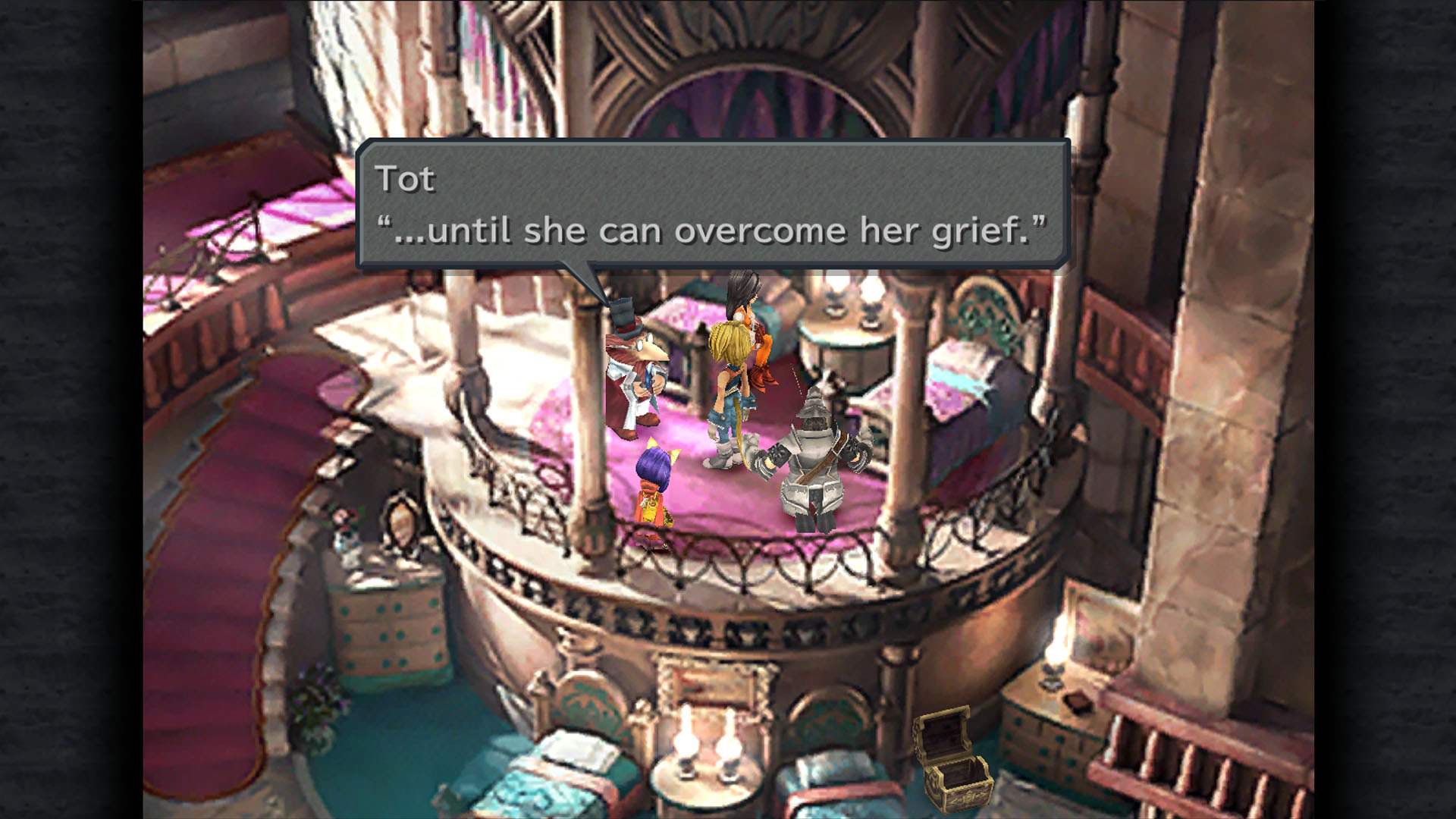
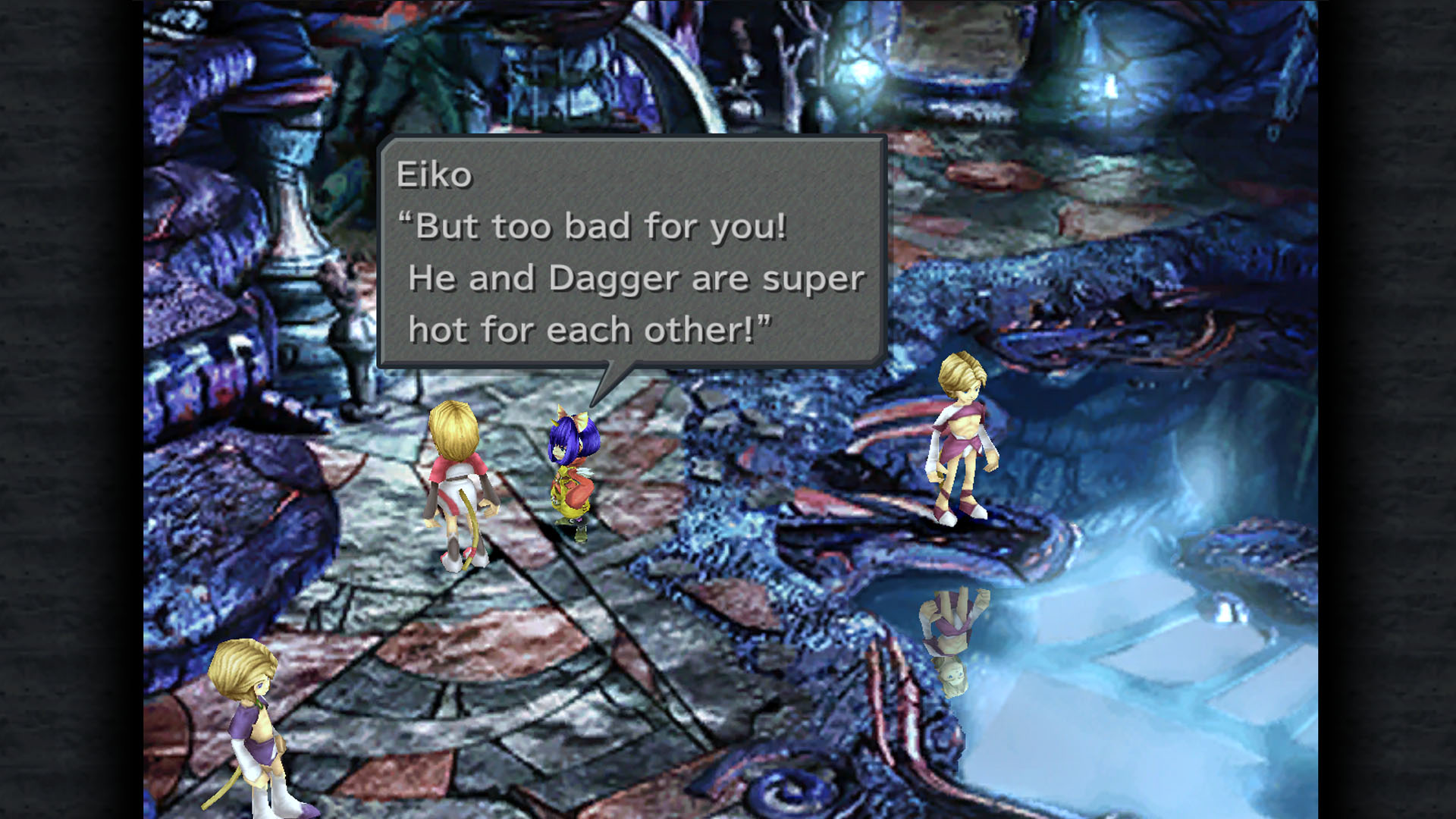
Final Fantasy 9 starts in the kingdom of Alexandria, where Princess Garnet tries to escape her castle, crossing paths with the thief Zidane, sent to kidnap her. Alongside them are characters like the knight Steiner and the mysterious boy Vivi. What begins as a lighthearted, almost goofy adventure quickly evolves into a grand story involving political intrigue, ancient civilizations, and a battle against a dark, eternal force.
This mix of charm and depth helped FF9 stand out, especially after Final Fantasy 7 and 8 had moved toward more sci-fi and realistic themes. Some players initially saw FF9’s cute character designs and medieval setting as “childish,” but the game proved there’s magic in returning to the roots without losing sophistication.
Storytelling and Innovation Hand in Hand
Final Fantasy 9 didn’t just recycle old ideas. It introduced the Active Time Event (ATE) system, which gave players new narrative perspectives by showing what other characters were up to during main events. Plus, it took full advantage of the PlayStation’s capabilities to deliver stunning visuals and cutscenes that enhanced the experience.
Toshiyuki Itahana, who worked on character and background design, shared a memorable insight from producer Kazuhiko Aoki: “there is a magic in Final Fantasy that stays with you to the very end.” This magic is about more than just aesthetics—it’s about storytelling courage and innovation.
Final Fantasy creator Hironobu Sakaguchi once said in an interview with Eurogamer that making a Final Fantasy game means using “cutting-edge technology” and having “a very strong story as a backbone,” but also the “desire to challenge the status quo.”
FF9’s Legacy: A Return to the Soul of Final Fantasy
By embracing its roots, Final Fantasy 9 showed that the soul of the series lies in telling a compelling story with heart and authenticity. It proved that innovation doesn’t always mean abandoning tradition—instead, it can mean refining and celebrating what made the series special from the start.
The confidence FF9 brought to the franchise opened the door for future games to explore new ideas and worlds while staying true to what fans love. It’s a reminder that every Final Fantasy title is a fresh story told with passion and creativity.
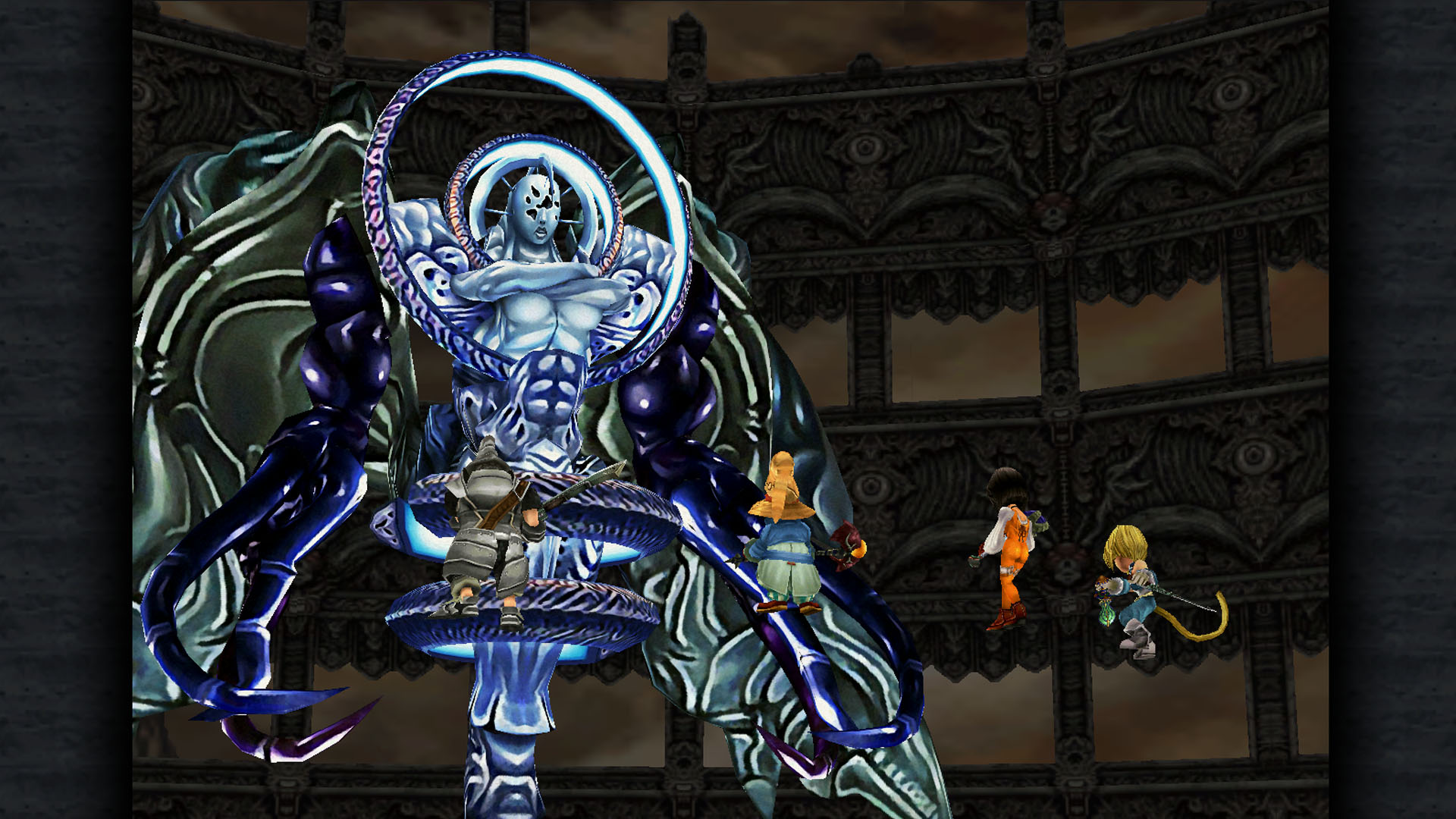
Check out this materialization of “the darkness of eternity” from the game:
For a deeper look at how FF9 was received when it first came out, here’s a community discussion you might find interesting:
How was FFIX received by critics and the community on release?
byu/Ventus55 inFinalFantasy