How Netflix’s Sandman Season 2 Boldly Reimagines Controversial Characters and Queer Stories
How Netflix’s Sandman Series Handles Controversial Characters from the Comics
Netflix’s second season of The Sandman dives into some of the most debated characters from Neil Gaiman’s original comics, aiming to balance respect for the source material with modern sensibilities. Showrunner Allan Heinberg faced the tricky task of adapting stories that have sparked controversy, especially regarding LGBTQ+ representation and complex themes like trauma and punishment.
- Why Wanda, a trans character from the comics, was kept and reimagined
- How Dream’s relationship with Nada was adapted to avoid problematic portrayals
- Changes to key story arcs to fit the new season’s focus
- Insight into casting choices and character development
Keeping Wanda’s Story Alive with Respect
Originally, the comic arc A Game of You introduced Wanda, one of the first trans characters in major comics, alongside her friends Hazel and Foxglove. Wanda’s storyline was meaningful to many but also criticized for its portrayal of trauma and death, which some saw as a harmful trope for trans representation.
Heinberg decided to skip adapting the entire A Game of You arc but felt it was crucial to include Wanda in the series. He explained the delicate balance, saying, “You can imagine the headlines: ‘Netflix skips the trans storyline because Netflix has a trans problem’ or ‘the makers of The Sandman are transphobic’ or ‘they’re reacting to the conservative politics in the country.’ None of that was true. I said, ‘I’m happy to skip A Game of You as long as Wanda comes with us.’”
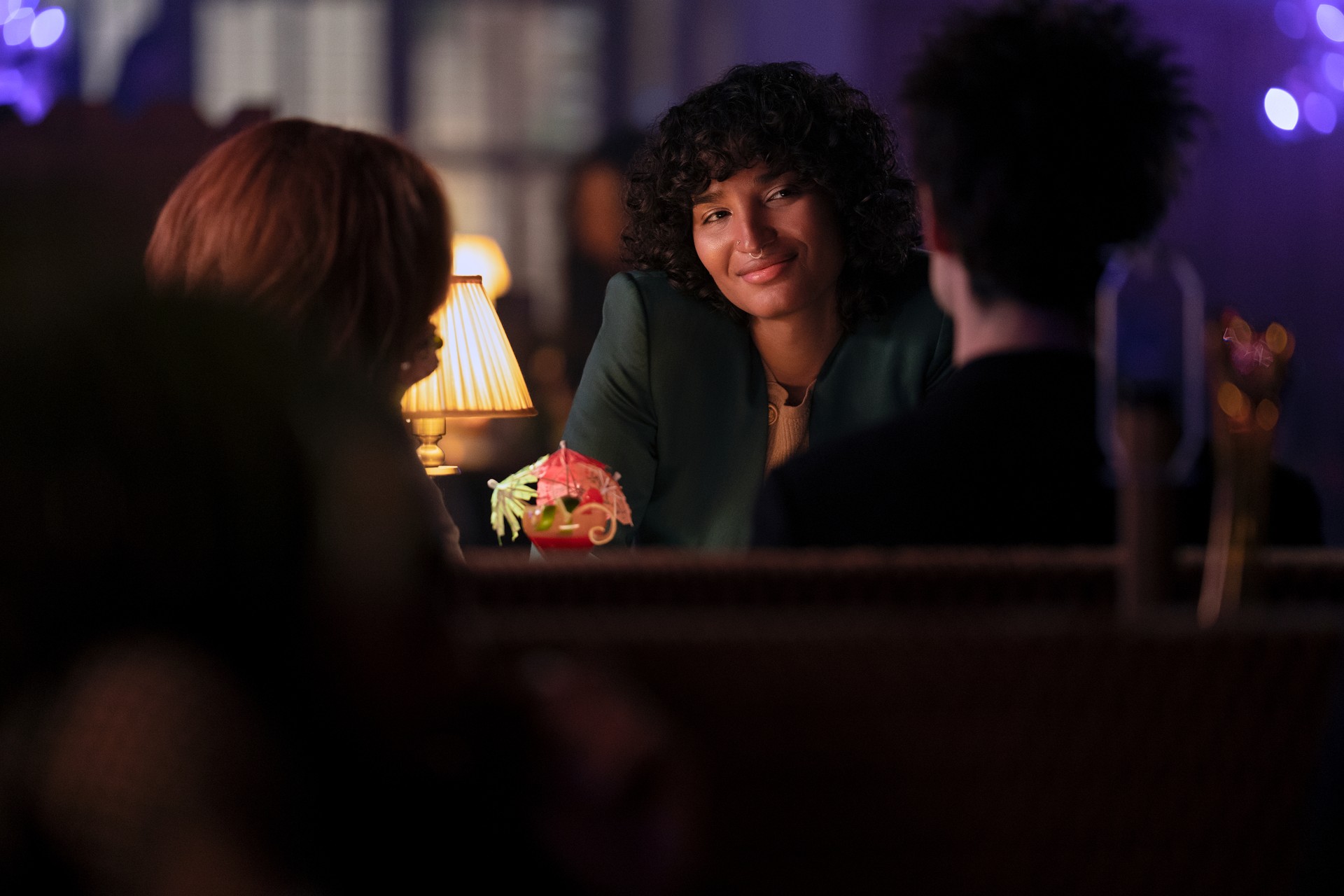
Wanda, portrayed by Indya Moore, was inserted into the Brief Lives arc, replacing a minor character but gaining a much deeper role. Heinberg highlights Wanda’s wisdom and generosity, making her trans identity part of her story but not the whole of it.
Dream and Nada: A More Nuanced Approach
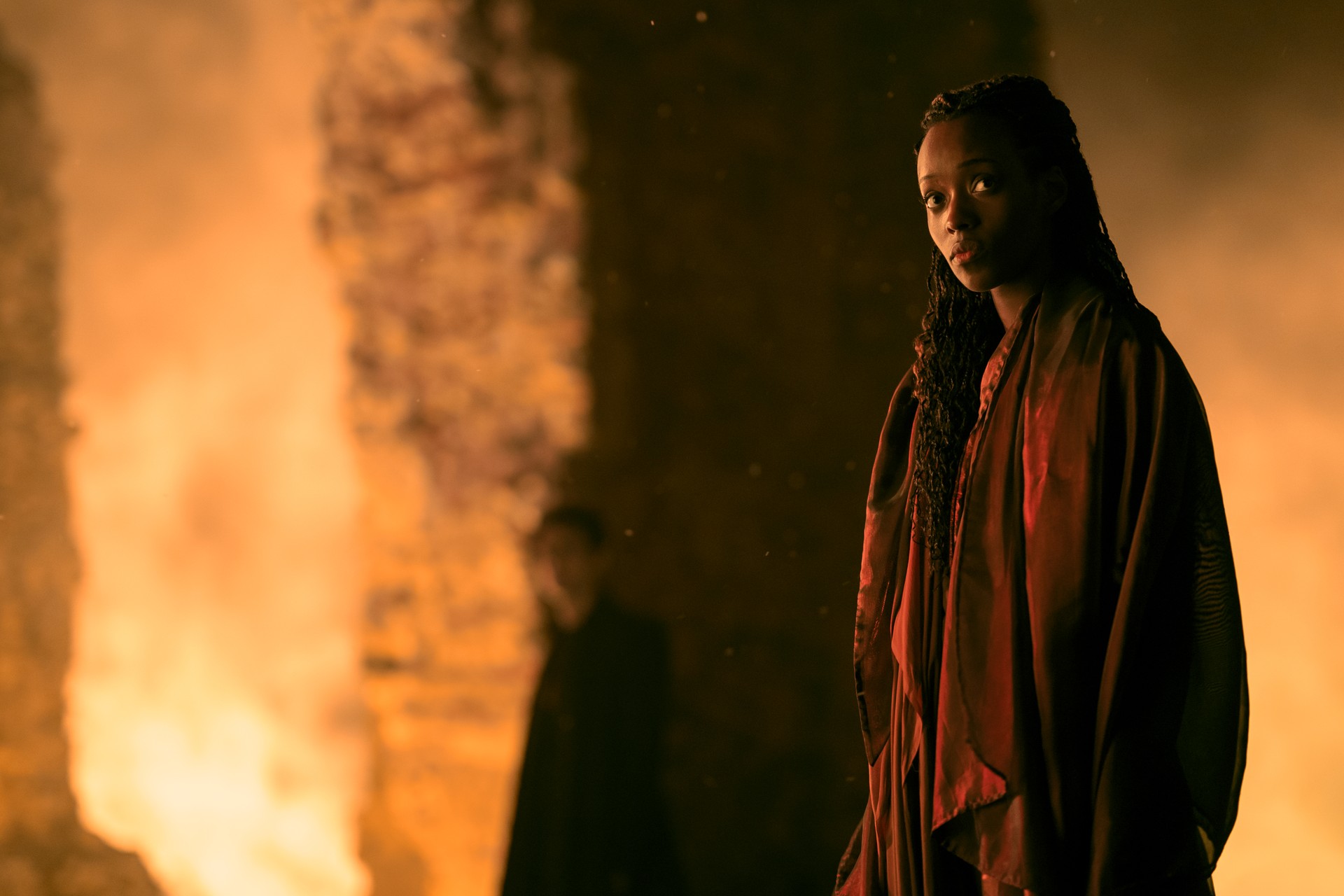
One of the most controversial elements in the comics is Dream’s relationship with Nada, the queen of the first human civilization. In the original story, Nada’s tragic fate and Dream’s harsh punishment sparked debate about Dream’s character.
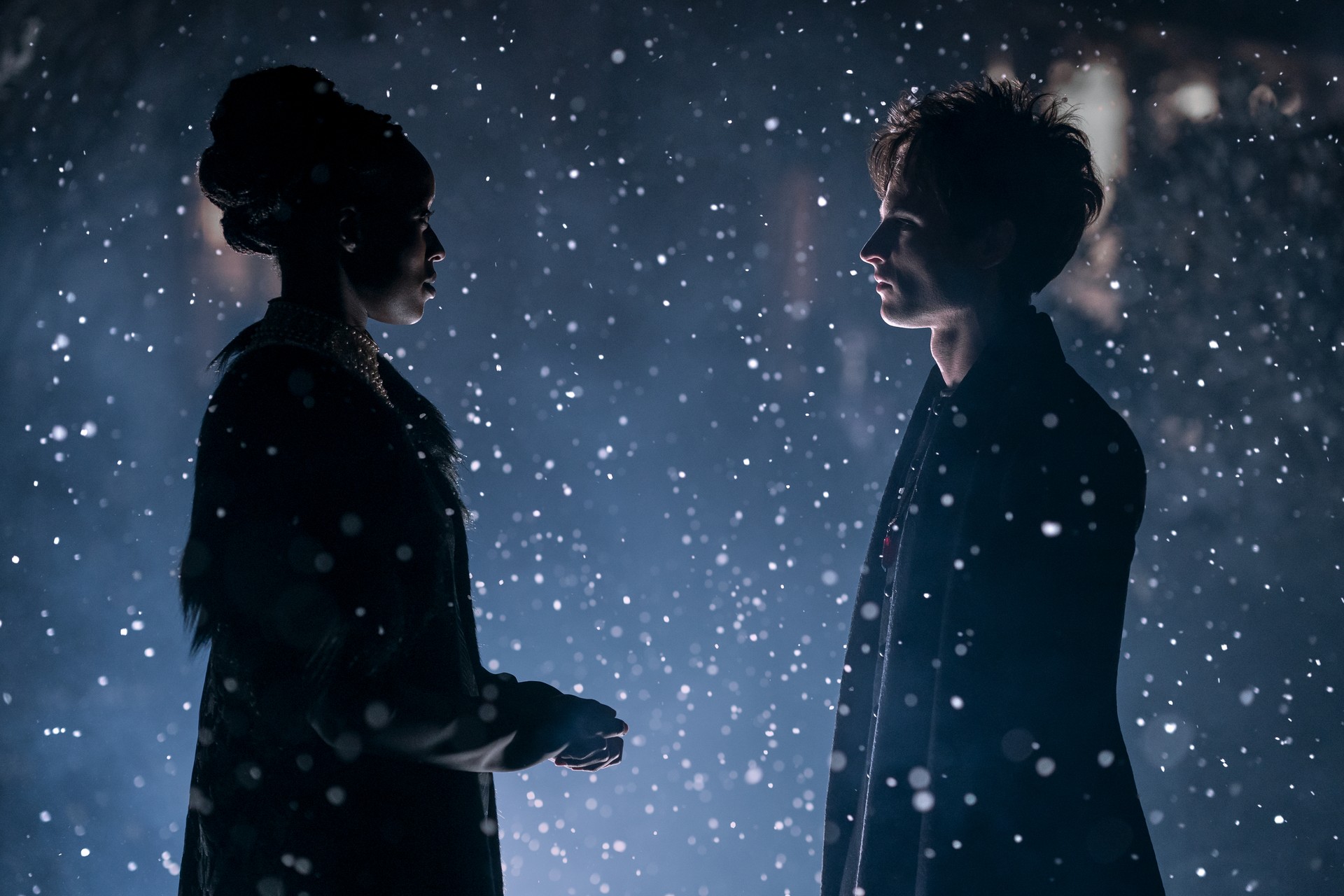
The show’s adaptation softens this narrative, portraying Dream’s actions as flawed but understandable. Heinberg shares, “I was determined to write him in a way that I could understand the choices he was making at the time, where his pride was wounded, and [Nada] feels guilt for what she has done to her people by succumbing to her feelings for him.”
In season 2, Nada’s self-condemnation to Hell is a choice she makes, and Dream’s anger leads to her punishment. Death, Dream’s sister, pushes him to recognize his mistakes, adding layers to his character without excusing his behavior.
Streamlining the Story and Character Arcs
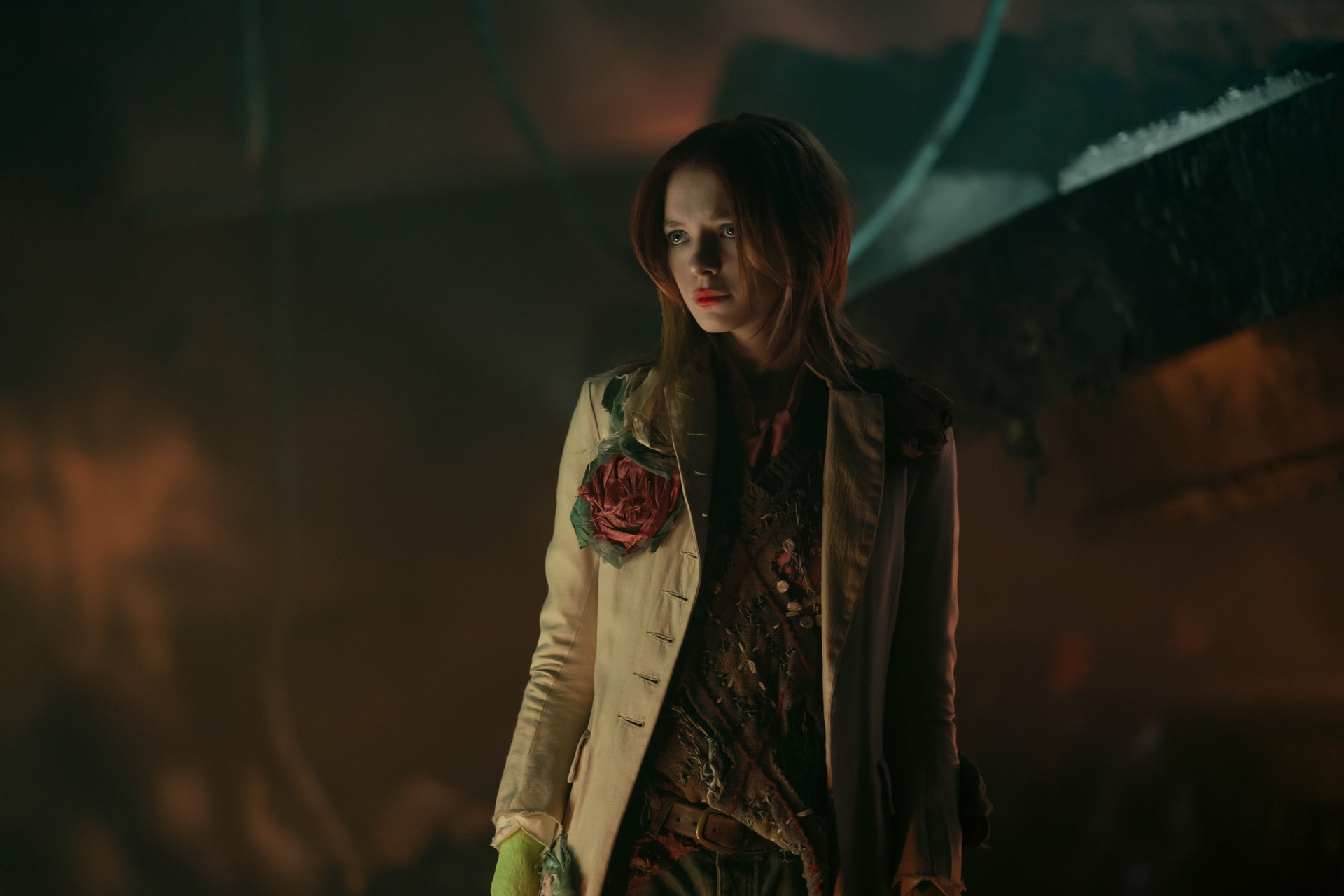
Because A Game of You was omitted, some characters like Thessaly, who plays a bigger role in the comics, appear less prominently. Instead, Dream’s motivation to reconnect with Nada drives his journey alongside his sister Delirium, played by Esmé Creed-Miles. Heinberg was confident in Creed-Miles’ portrayal, noting how her personal style influenced Delirium’s look, including a unique white Victorian coat decorated with flowers.
Episodes 1-6 of The Sandman season 2 are now available on Netflix, with the rest of the season premiering on July 24, followed by a bonus episode, Death: The High Cost of Living, on July 31.
Further Reading and Sources
Learn more about Neil Gaiman’s sexual assault allegations and production impacts on other projects:
IndieWire article on The Graveyard Book
Explore debates around trans representation in The Sandman:
CBR discussion on A Game of You
See how recent media has handled queer storylines:
Hollywood Reporter on queer themes in movies
Hollywood Reporter on Disney’s transgender storyline