How Seven Quietly Resurrected Horror — a Year Before Scream
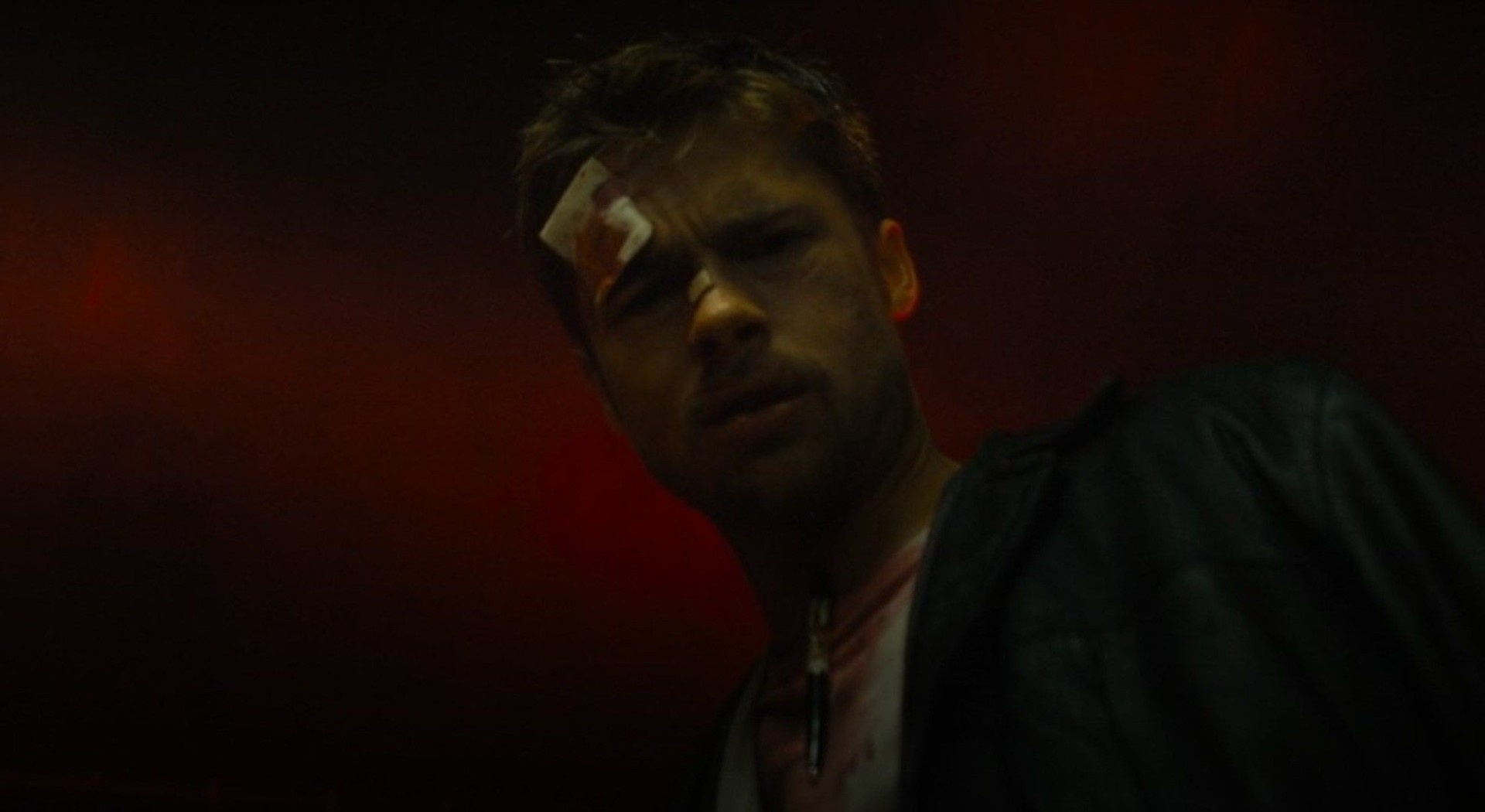
Seven was released in 1995, directed by David Fincher and starring Brad Pitt and Morgan Freeman, and it arrived a year before Scream (1996). Although the studio marketed it as a crime thriller, the film centers on a serial killer whose crimes are based on the seven deadly sins. Consequently, many viewers and critics later saw it as a turning point for darker, dread-filled studio films in the mid‑1990s.
1. Horror in the early 1990s
2. Seven — release, cast and genre
3. Visual style and notable scenes
4. Legacy and context among 1990s thrillers
Horror in the early 1990s
Horror’s commercial profile dipped in the early part of the decade. For example, 1991 included late entries in established slasher series such as Freddy’s Dead: The Final Nightmare and Child’s Play 3. Then, in 1992, director John Carpenter released a genre outlier, Memoirs of an Invisible Man, which did not follow typical horror conventions.
Moreover, big-budget attempts to revive classic monsters stalled in 1994, and reviewers noted commercial underperformance for some titles tied to that effort. For instance, one Universal-style Frankenstein project was reported to have low box-office receipts by industry trackers at the time. For context, see coverage of the 1994 Frankenstein title’s performance on The Numbers and commentary on studio monster revivals in a piece at The A.V. Club.
Seven — release, cast and genre
Seven premiered in 1995 and was directed by David Fincher. It stars Morgan Freeman and Brad Pitt as two detectives investigating a sequence of murders tied to the seven deadly sins. Gwyneth Paltrow appears as Detective Mills’ wife, and Kevin Spacey has a later, central role as the killer. The studio positioned the film as a crime thriller rather than an explicit horror movie.
Also, serial-killer stories were common in the decade; several contemporaneous films explored similar territory. For example, a serial-killer film called Striking Distance and the thriller Basic Instinct were part of the broader trend. Furthermore, another serial-killer film, Copycat (starring Sigourney Weaver and Holly Hunter), opened roughly a month after Seven.
Visual style and notable scenes
The film uses persistent rain, dim lighting, and muted brown‑green color tones. In addition, it was filmed in Los Angeles, although the city is presented as an unnamed, generic urban environment rather than a recognizable LA location. These choices create a low‑light, oppressive mood throughout the film.
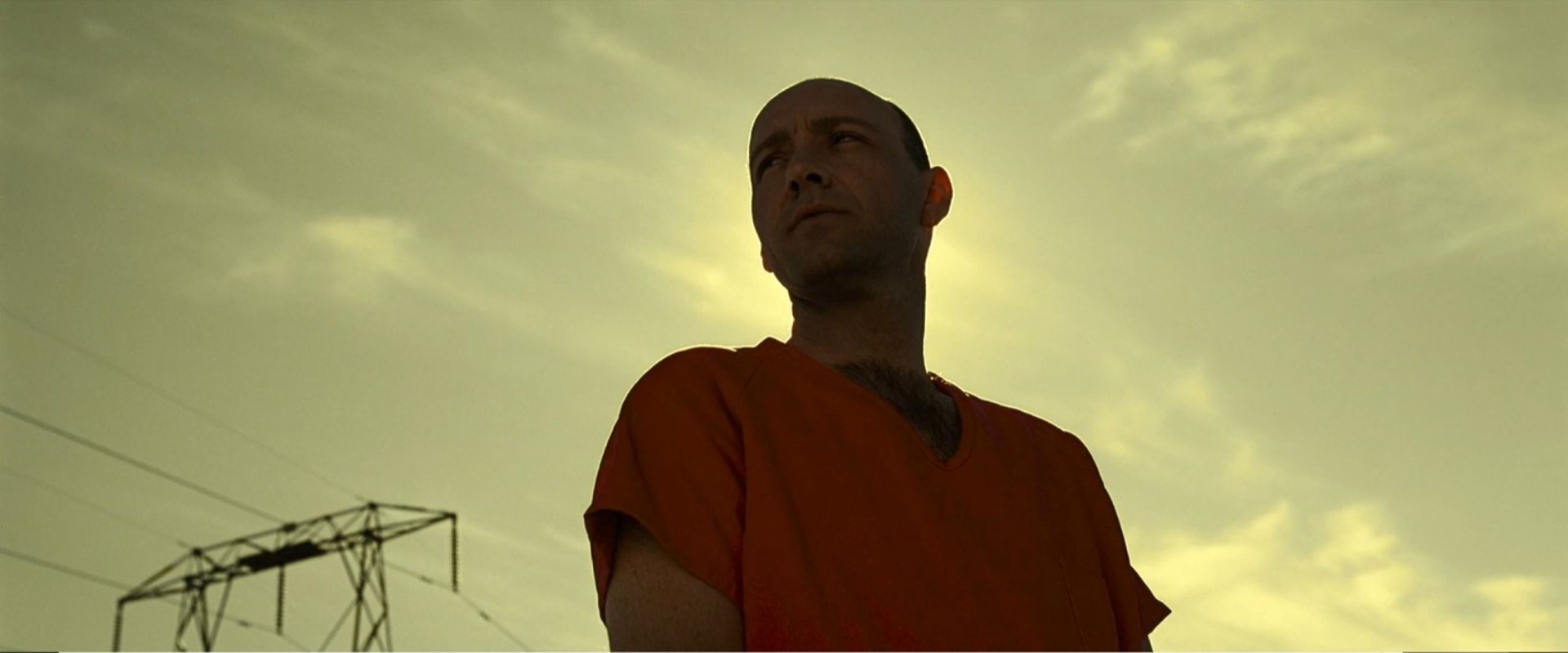
Importantly, Fincher staged a series of carefully composed crime scenes that receive detailed attention on screen. For instance, the sequence in the killer’s apartment is lit with a red neon cross and handheld lights; the detectives find developed photos floating in a bathtub that indicate the killer had been photographing them. The film spends an extended span on that set, which many viewers cite as a central moment of the investigation.
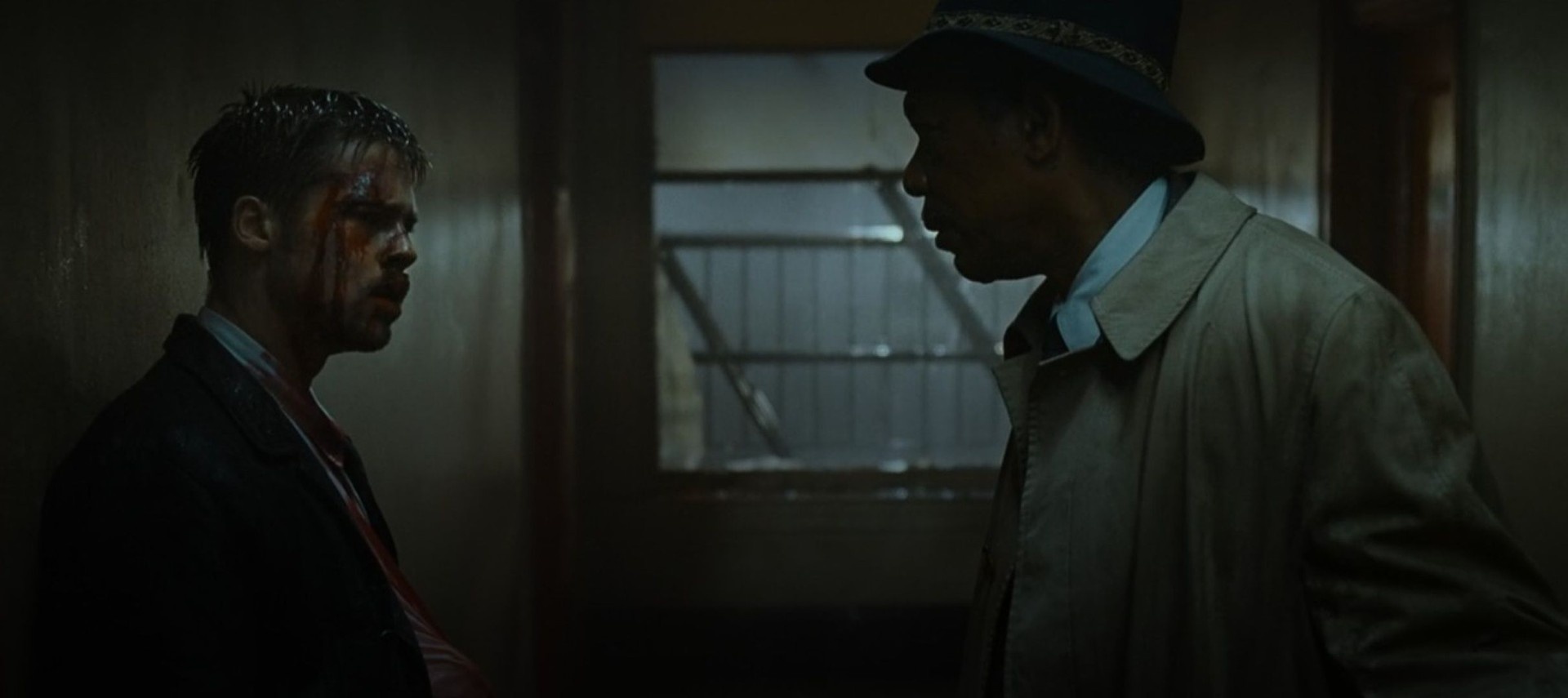
Overall, the movie keeps most murders off-screen while focusing on aftermath and investigation. Therefore, its impact derives largely from atmosphere, staging, and revelation rather than prolonged on-screen killings.
Legacy and context among 1990s thrillers
Chronologically, Seven preceded Scream by a year: Scream was released in 1996 and is often credited with reviving the slasher subgenre. However, Seven is commonly noted for bringing a bleak, dread-filled aesthetic into a mainstream studio film prior to that.
Moreover, the mid‑1990s saw a steady output of thrillers and crime pictures that mixed noir and horror elements. For reference, other films of the era and subsequent coverage include an anniversary piece on Virtuosity and product tie-ins in the collectibles market such as Universal-themed minis on Funko’s site or related merchandise available at retailers like Five Below.
Key facts
Release year: 1995.
Director: David Fincher.
Main cast: Brad Pitt, Morgan Freeman, Gwyneth Paltrow, Kevin Spacey.
Central premise: Detectives investigate murders based on the seven deadly sins.
Production note: Filmed in Los Angeles, but presented as an unnamed city.