How the Best Roguelikes Turn RNG From Soul-Crushing to Strategic Wins
Randomness is a core part of roguelikes, but the best ones make *choice* matter more than luck. Games that give players information, tools, and meaningful upgrades tend to feel fairer — even when RNG swings wildly — while games that leave players helpless to randomness often feel frustrating instead of challenging.
- Why randomness can feel unfair, and how perception matters.
- Examples of roguelikes that handle RNG well, including Enter the Gungeon and Dead Cells.
- Examples where randomness can feel punishing, such as Dicey Dungeons.
- How clear difficulty signals and player agency improve the experience, with notes on Getting Over It and Darkest Dungeon.
How randomness should work in roguelikes
Random elements are fine when they interact with clear systems. In practice, that means games should give players control, or at least enough information to make decisions that matter. For example, permanent upgrades, meta-progression, and a wide variety of items can turn a lucky drop into a strategic choice, and a bad roll into a learning moment.
Enter the Gungeon: items and mastery
Enter the Gungeon (2016) mixes bullet-hell action with abundant item variety. As a result, the game leans on player skill and knowledge more than pure luck. Furthermore, the community has noted how few items feel outright bad. As one Reddit user put it, “There are like five shit items in the entire game, all other stuff is an upgrade or sidegrade.”
Because the game offers unlockable content and distinct synergies, repeated play tends to improve outcomes. Therefore, mastery of mechanics will usually outweigh random variance.
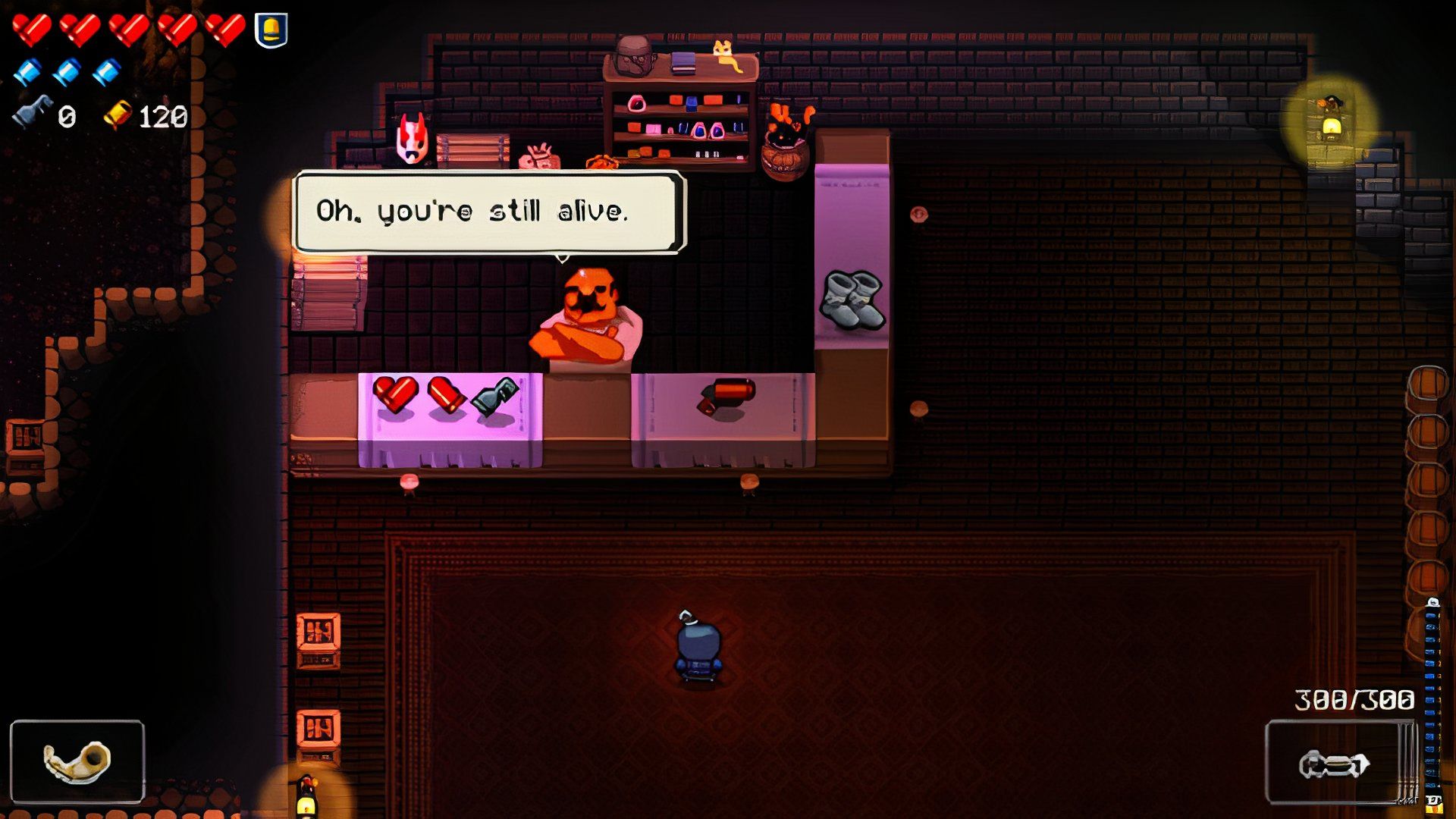
Read more community discussion on Enter the Gungeon on Reddit: https://www.reddit.com/r/EnterTheGungeon/comments/95kvqo/comment/e3tfx9u/?utm_source=share&utm_medium=web3x&utm_name=web3xcss&utm_term=1&utm_content=share_button
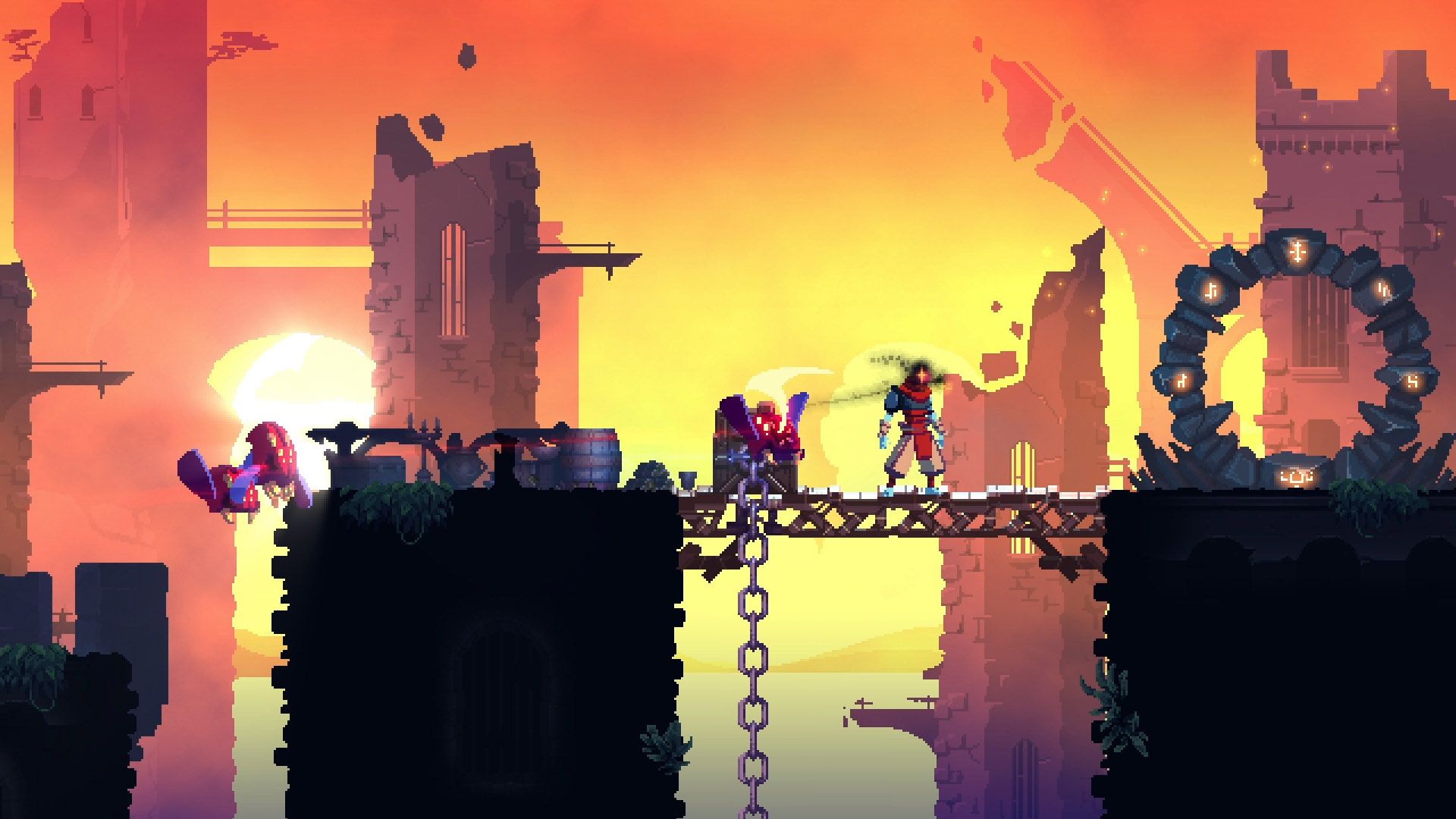
Dead Cells: progression and synergies
Dead Cells uses meta-progression to reduce the sting of bad runs. You collect Cells from enemies, then spend them on permanent upgrades or new gear. Consequently, each run leaves you with options to improve later attempts. In short, broad weapon pools and strong item synergies let players adapt and plan, which makes randomness feel less arbitrary.
Where randomness can feel unfair: Dicey Dungeons
Dicey Dungeons ties outcomes directly to dice rolls, and that design can sometimes remove meaningful choice. Players often report moments where the game seems to deny the resources they need, and rerolls can feel unsatisfying. Thus, when fail states feel disconnected from player decisions, frustration rises rather than curiosity or experimentation.
When punishment is deliberate: Getting Over It and Darkest Dungeon
Some games are upfront about being punishing, and that clarity changes expectations. Getting Over It with Bennett Foddy (2017) makes repeated failure obvious from the start; one mistimed swing can erase progress. Meanwhile, Darkest Dungeon tells players early that it is about “making the best of a bad situation.”

Because players understand those intentions, they can accept harsher randomness as part of the experience rather than a bug.
Conclusion: agency matters
Ultimately, fairness in roguelikes often comes down to agency. When randomness complements player decisions, runs feel meaningful and losses teach something. Conversely, when chance overrides choice, players are likelier to feel cheated. Therefore, good roguelike design balances RNG with clear systems, upgrades, and information so that skill and strategy stay front and center.