How Titmouse Recreated a ’60s‑Style Fantastic Four Cartoon for First Steps — Director Simón Wilches Explains
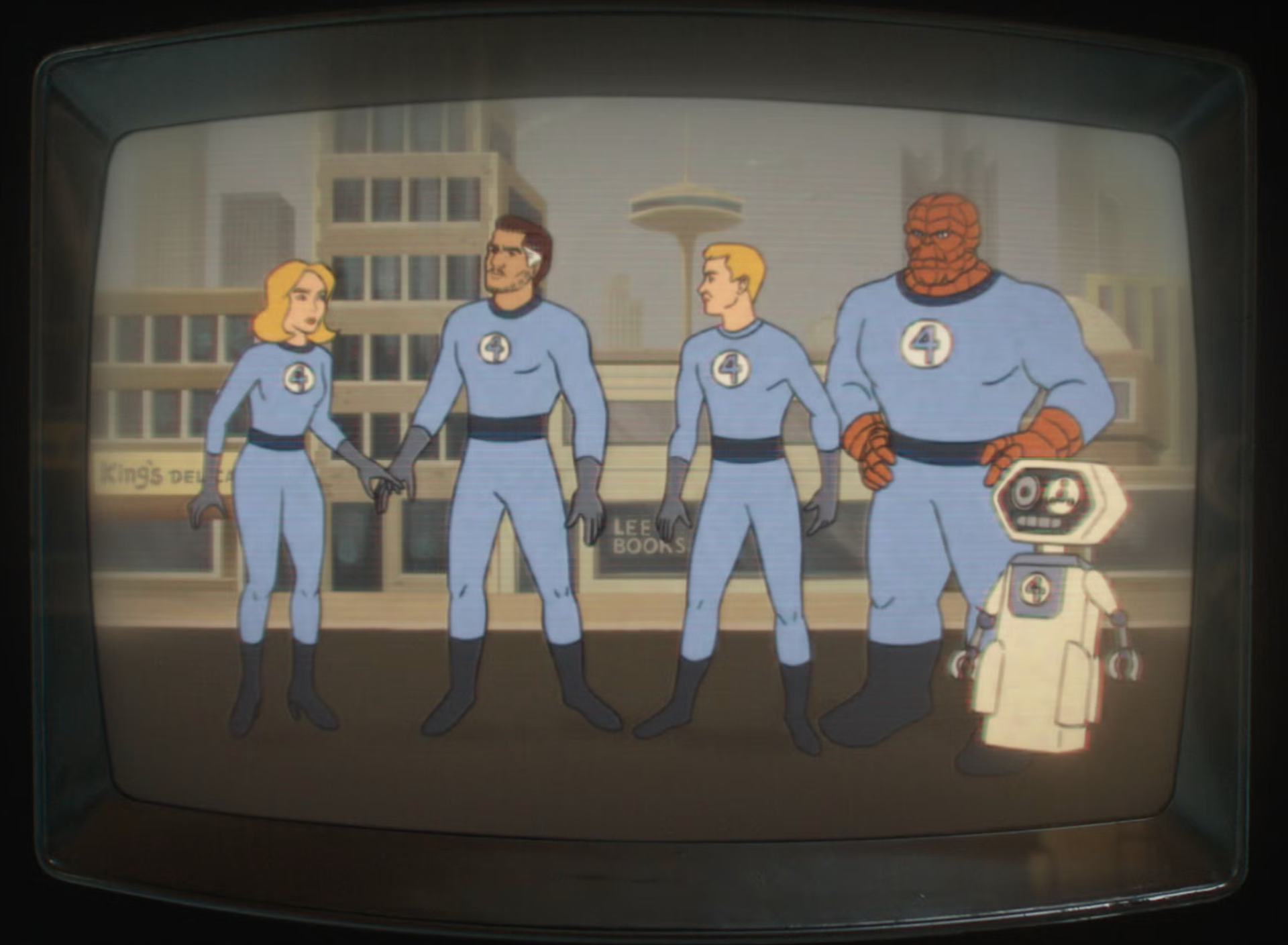
Simón Wilches, creative director at Titmouse, described how his team built the retro animated post-credits sequence for The Fantastic Four: First Steps, citing Alex Toth’s influence, lessons from their work on WandaVision, and deliberate choices to make the animation feel hand-made and era‑appropriate.
- How Titmouse’s WandaVision work led to this job
- Why the team chased an “awkward beauty” instead of perfect polish
- Which 1960s techniques they simulated with modern tools
- How they matched the movie’s live-action designs while keeping the cartoon style
How WandaVision connects to Fantastic Four: First Steps’ animated scene
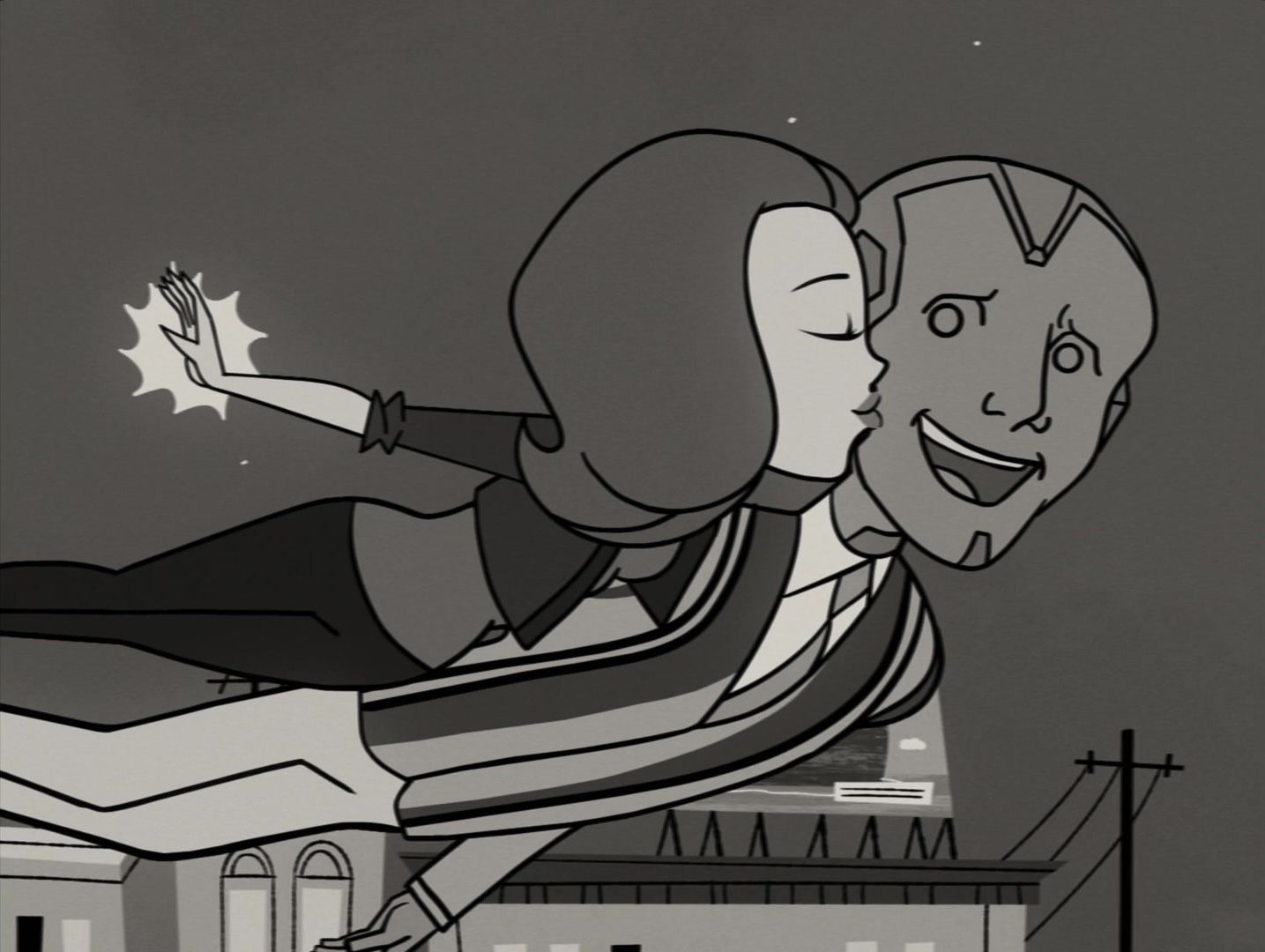
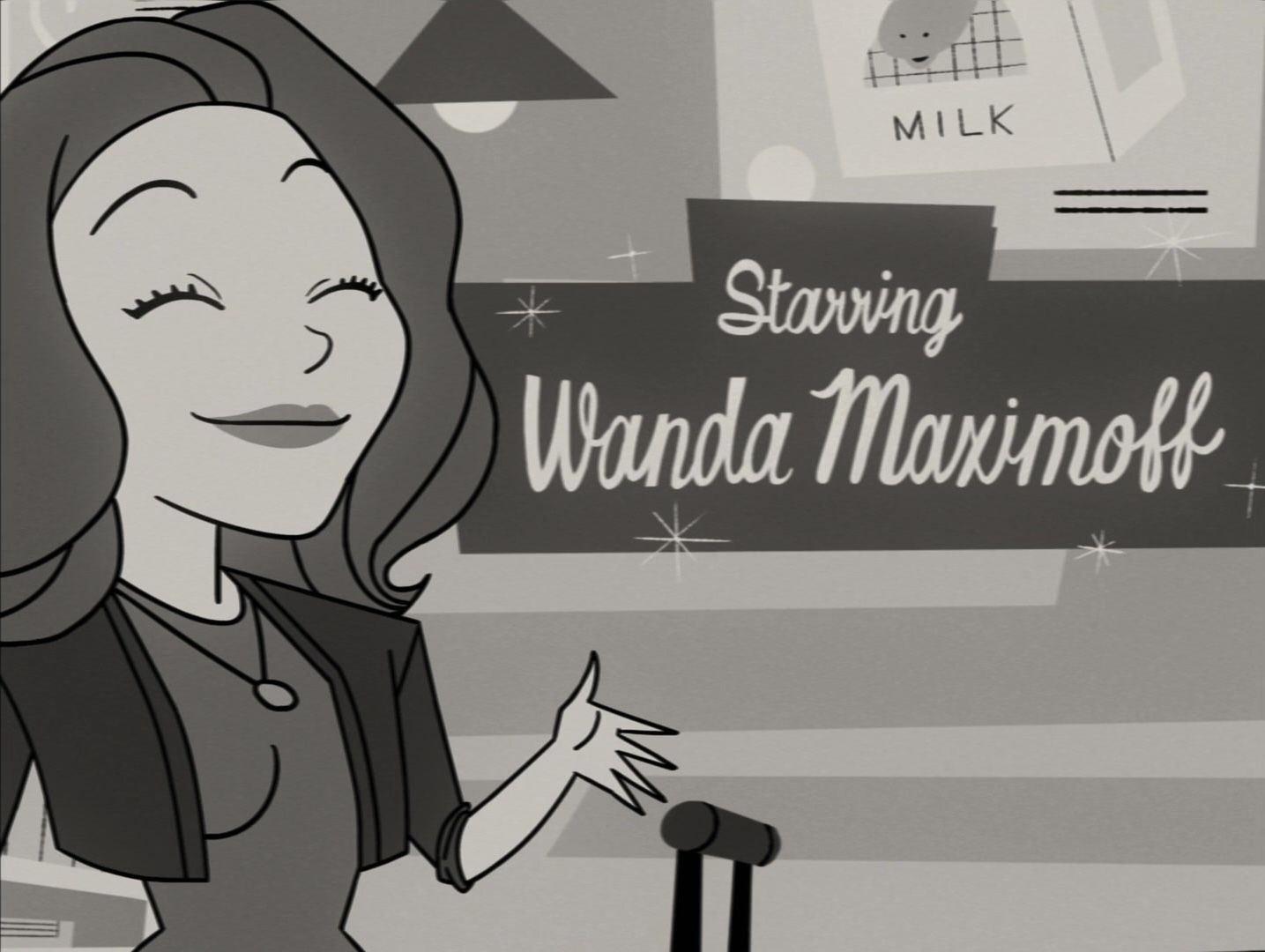
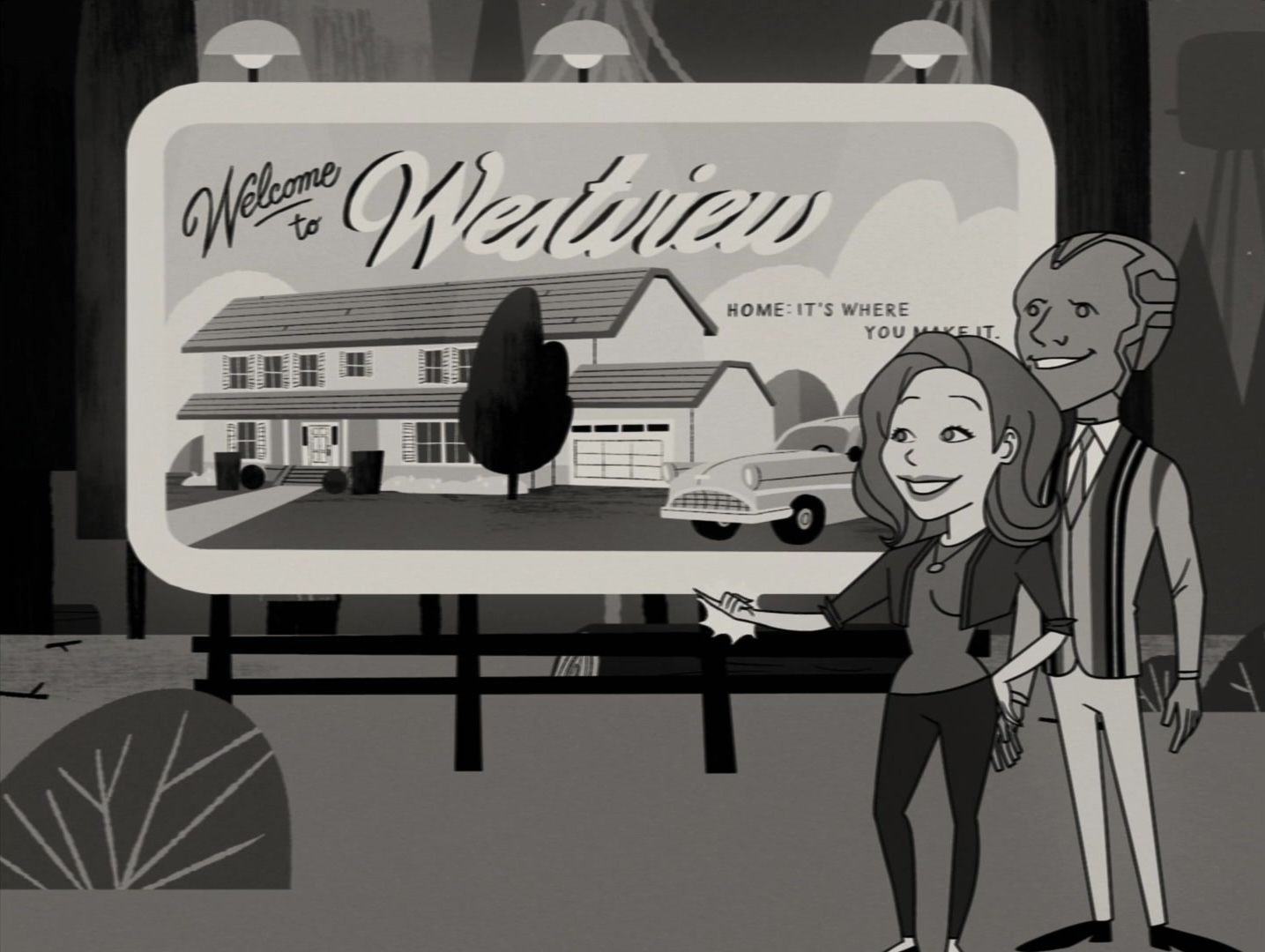
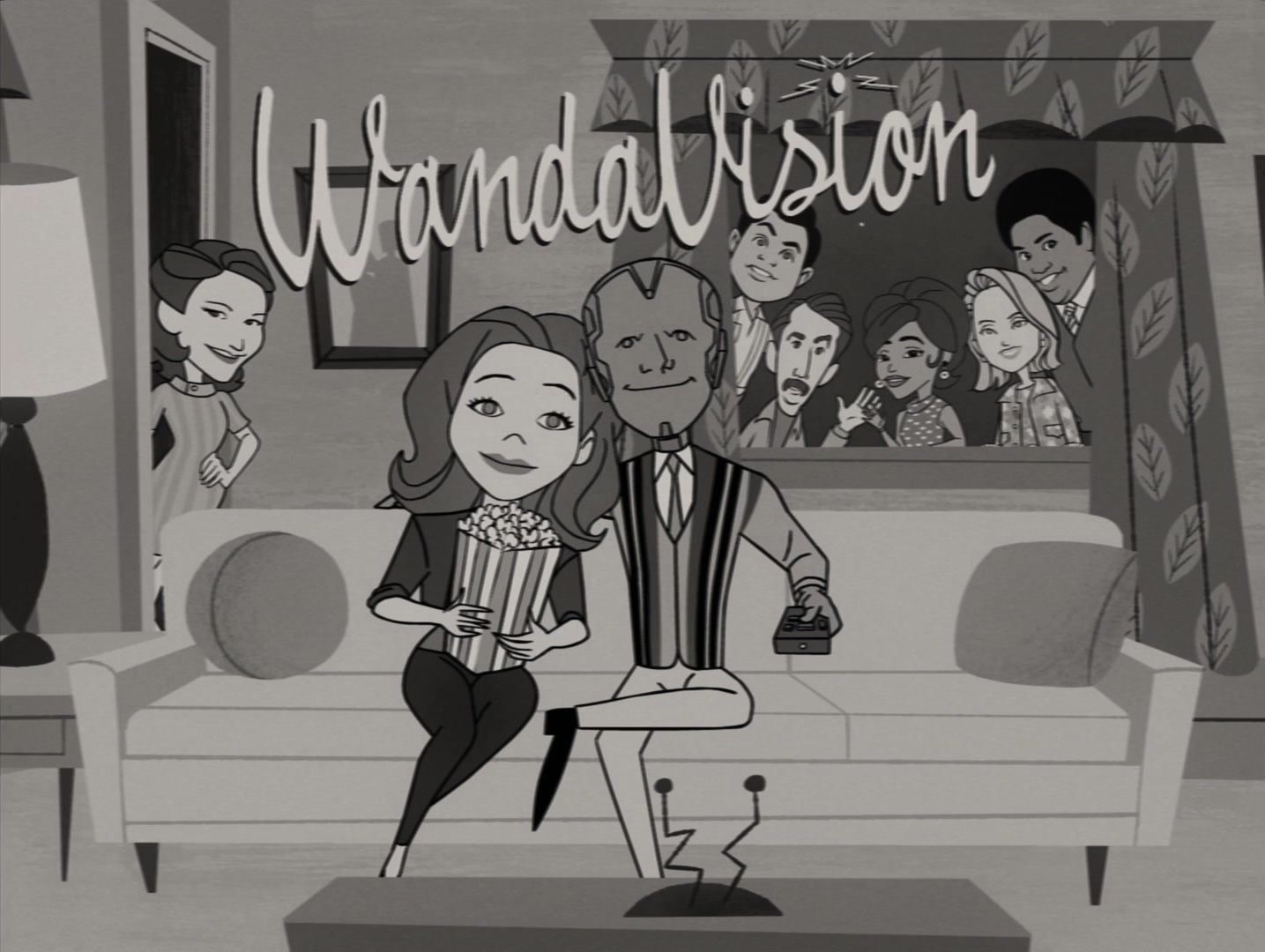
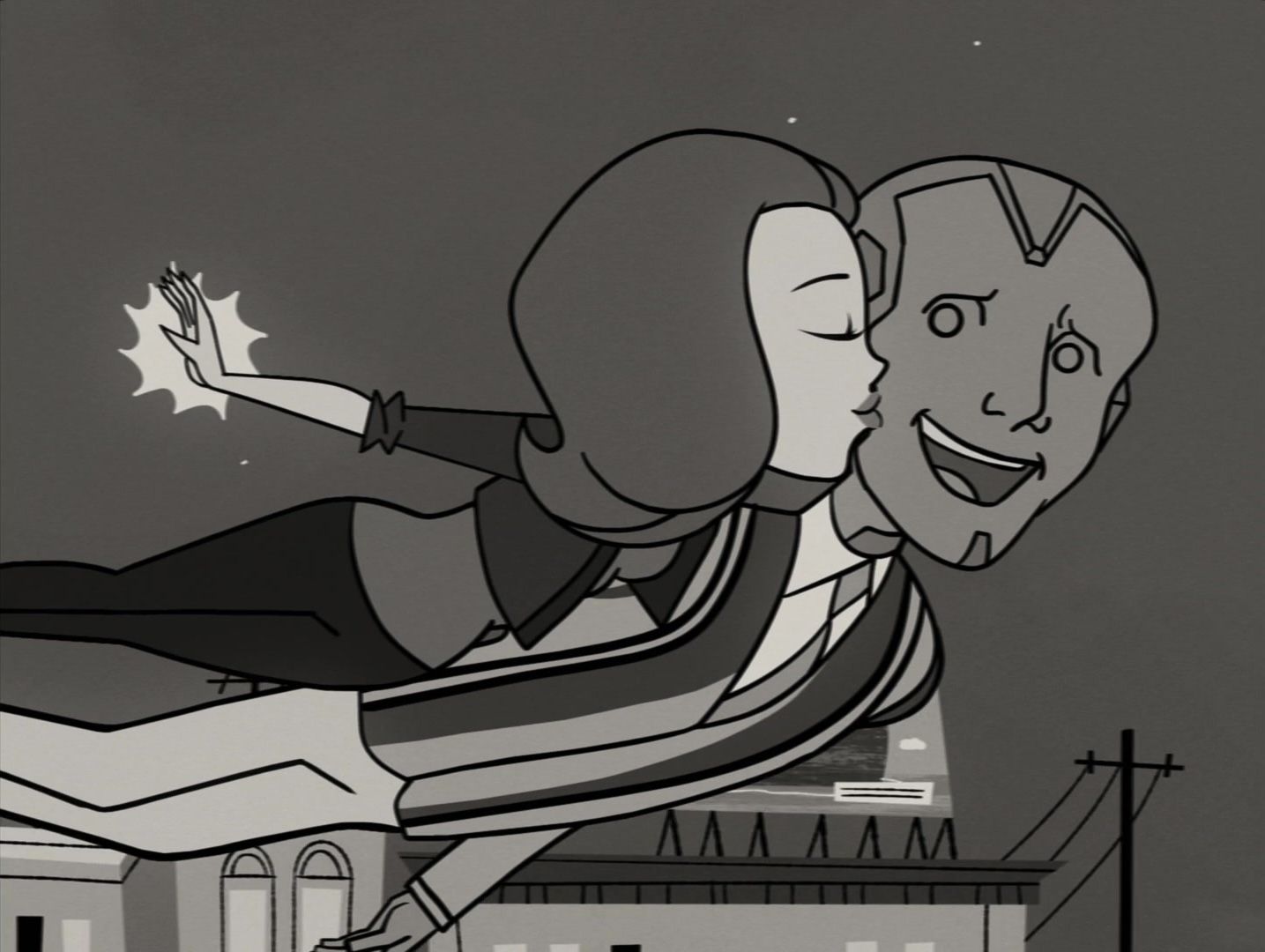
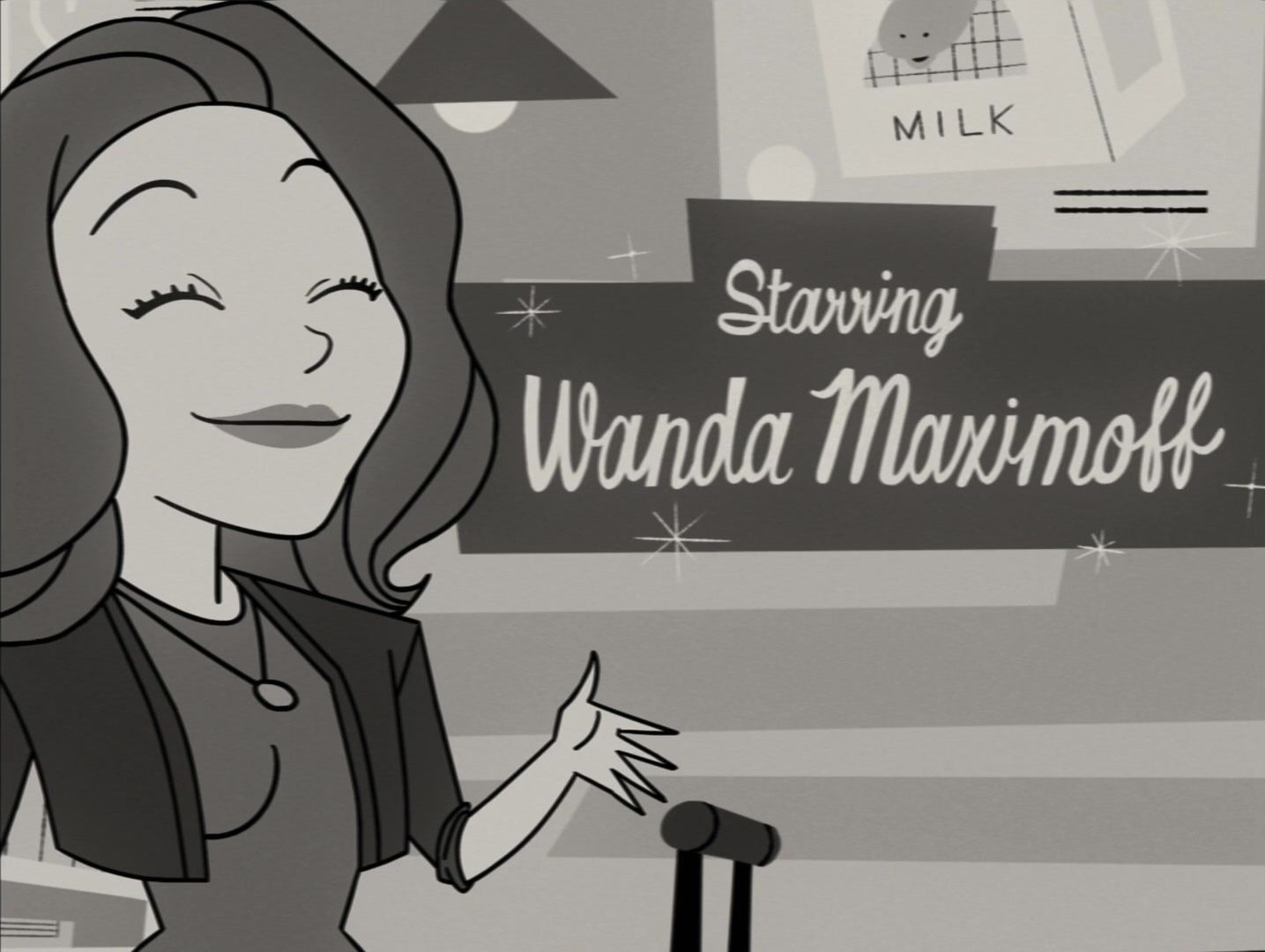
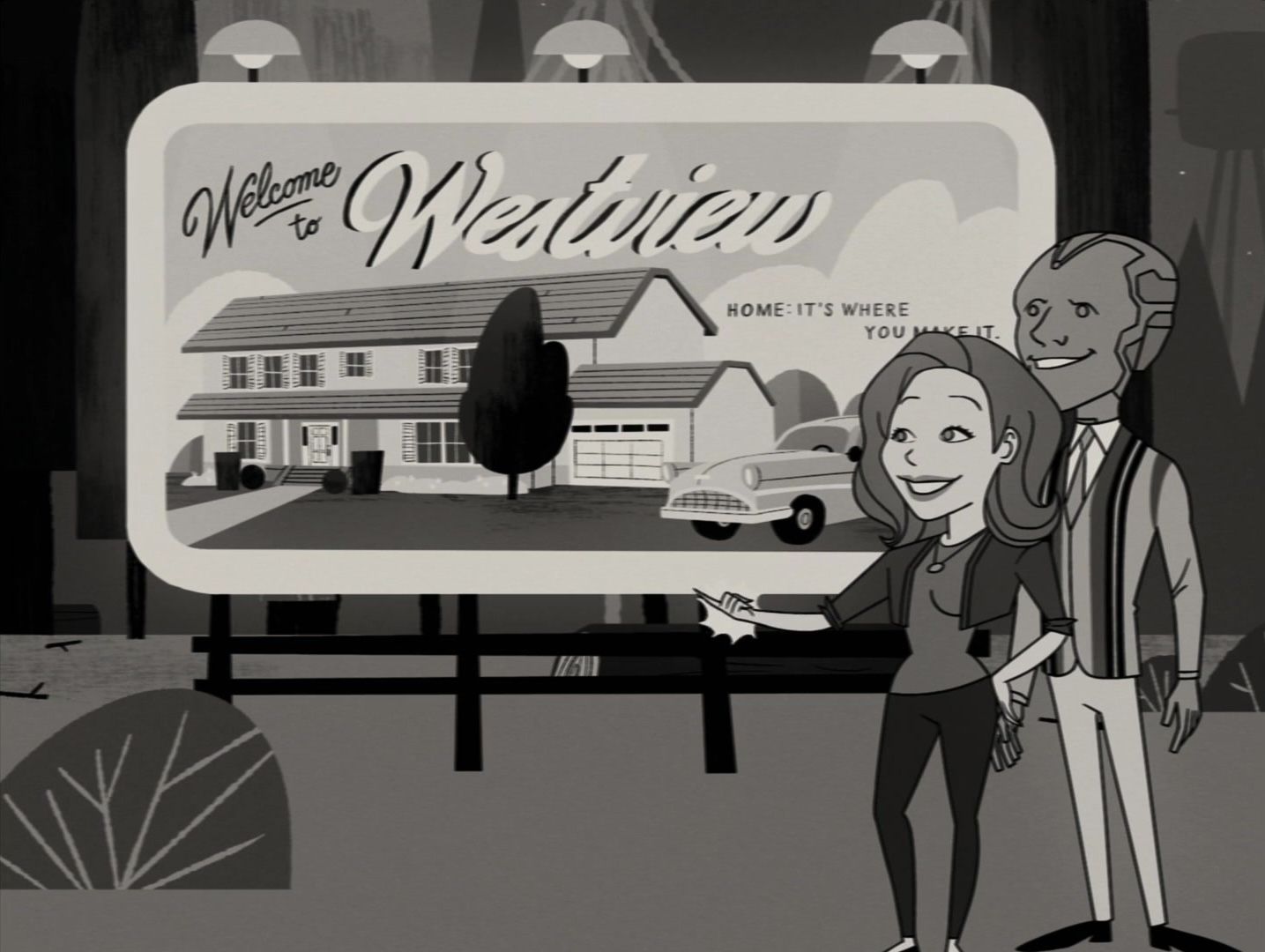
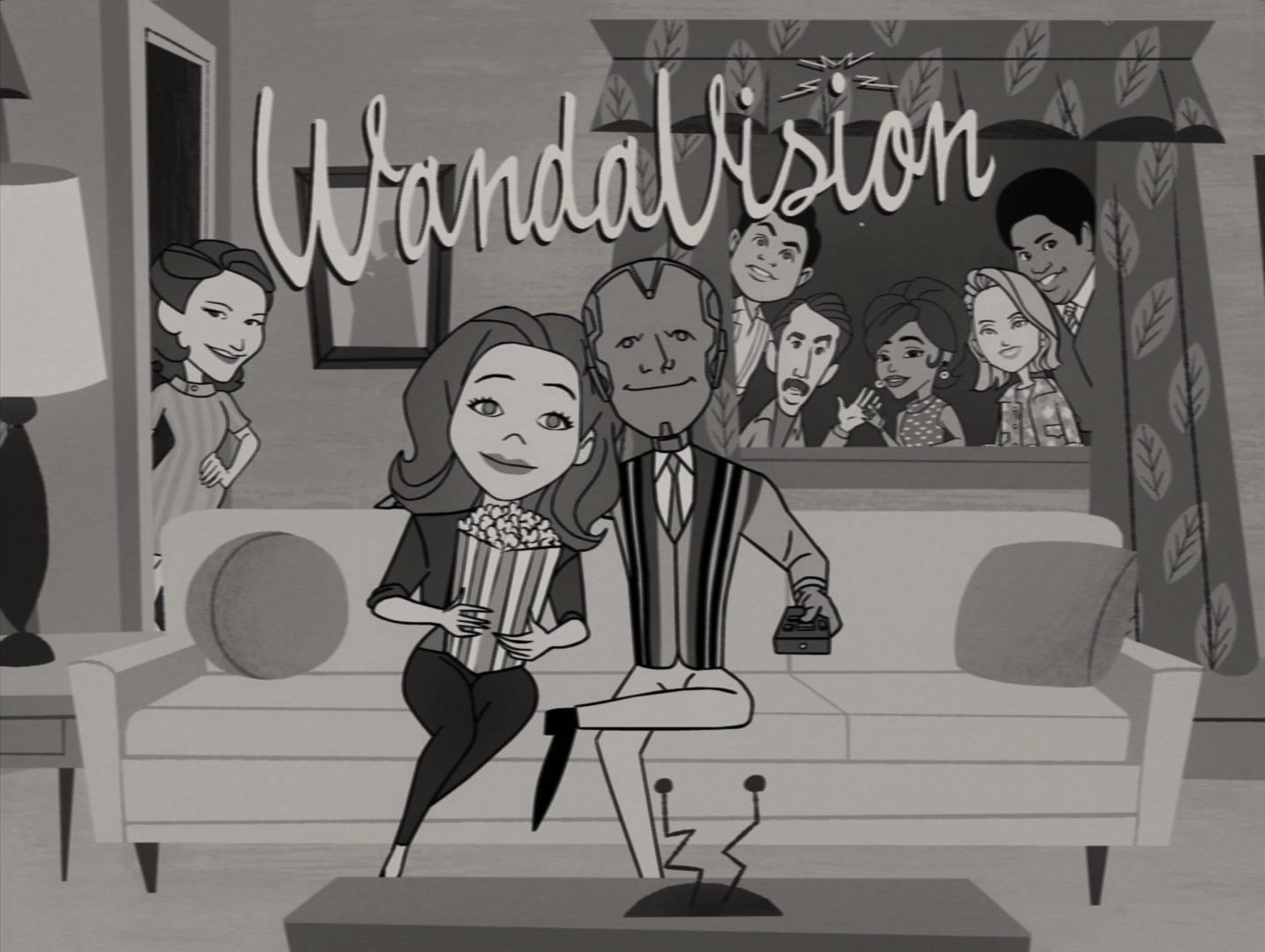
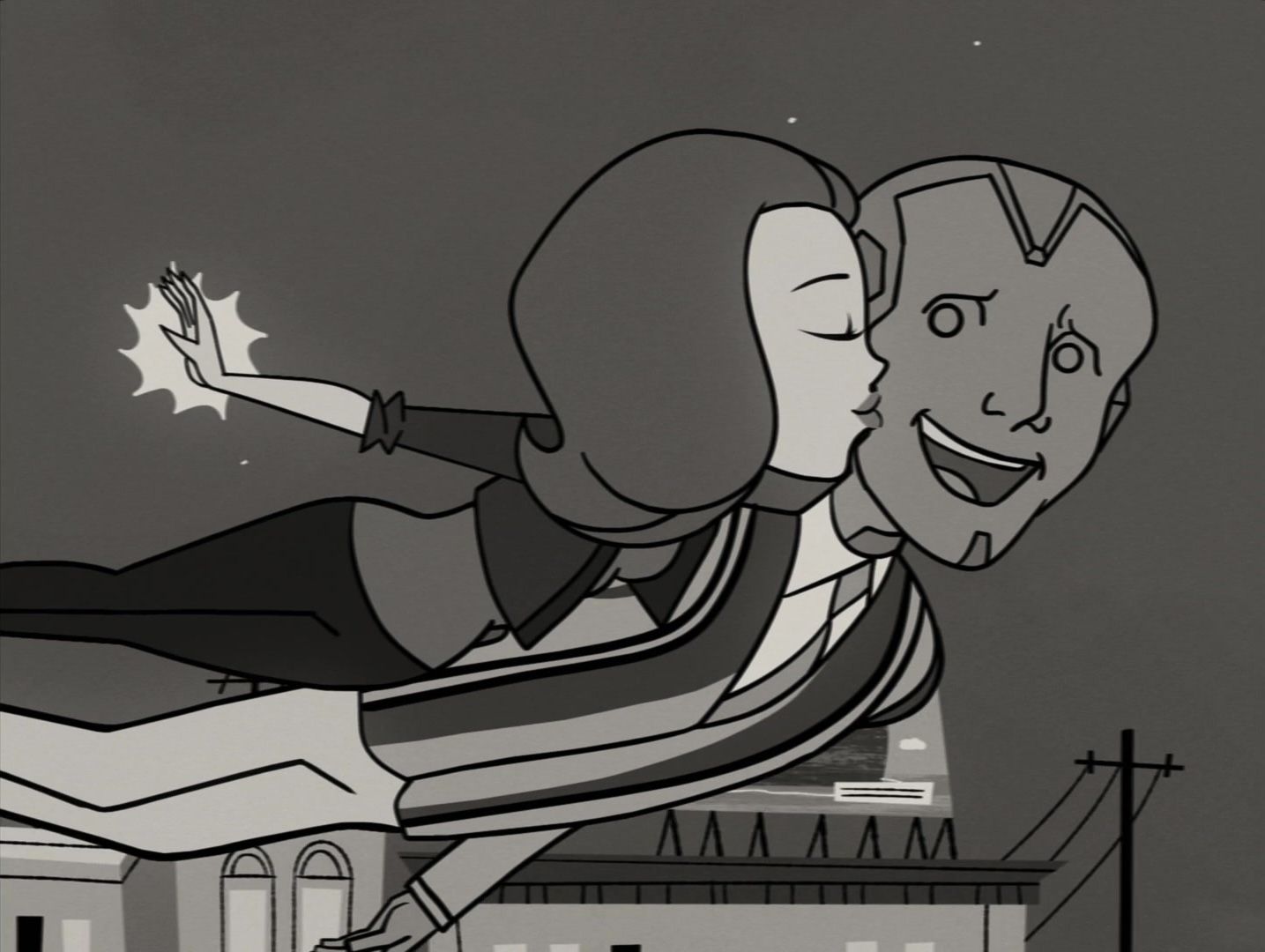
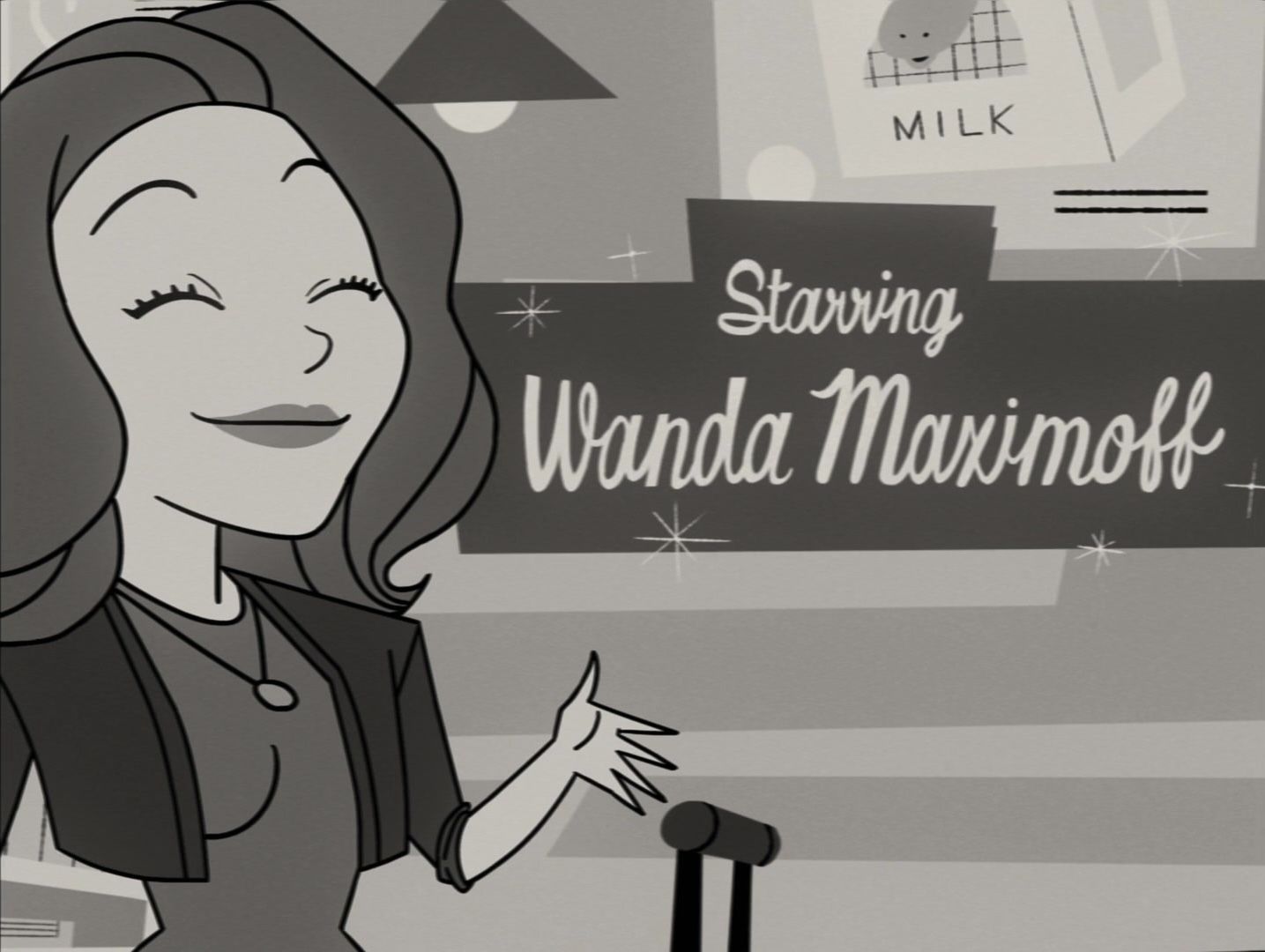
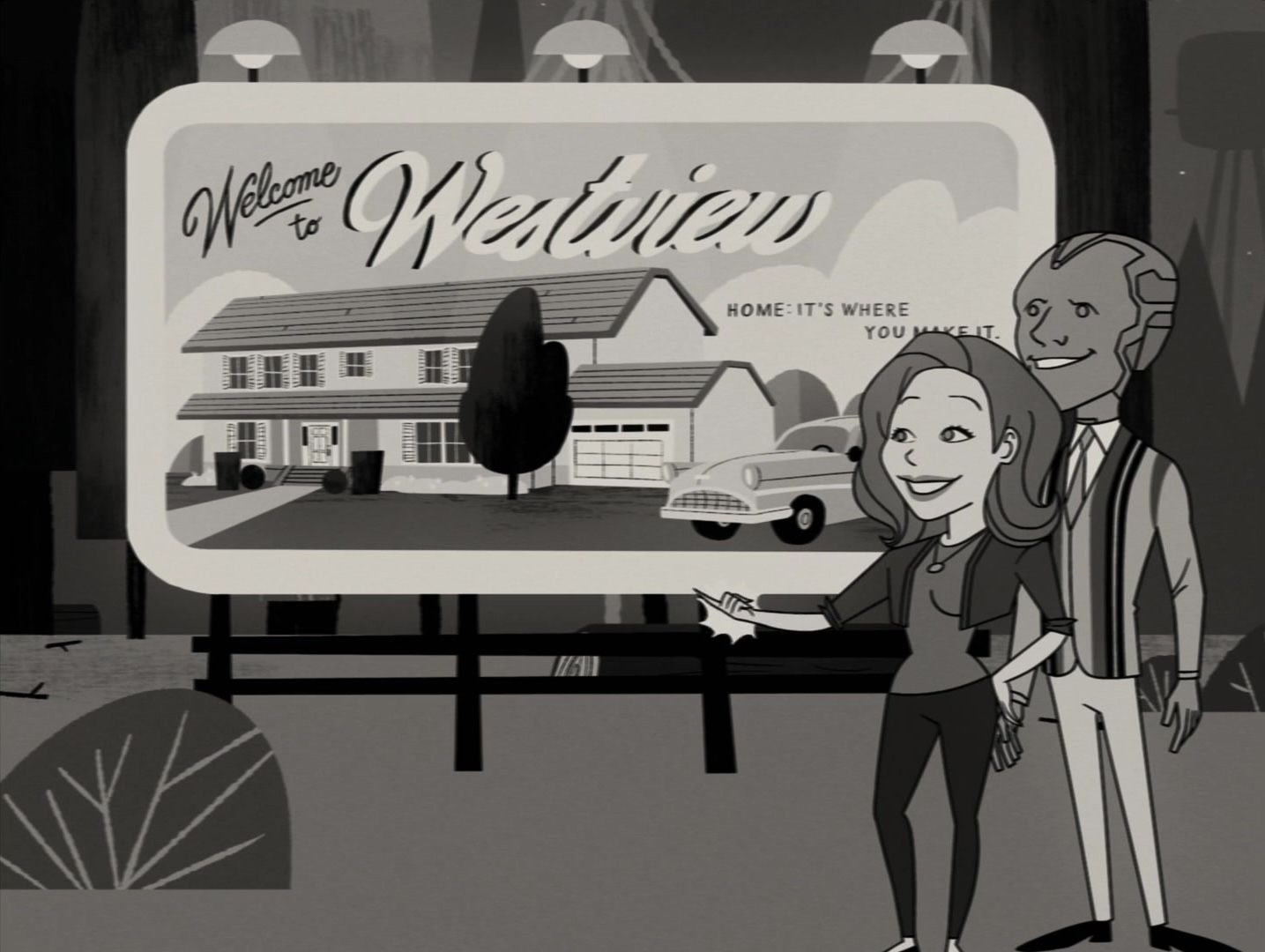
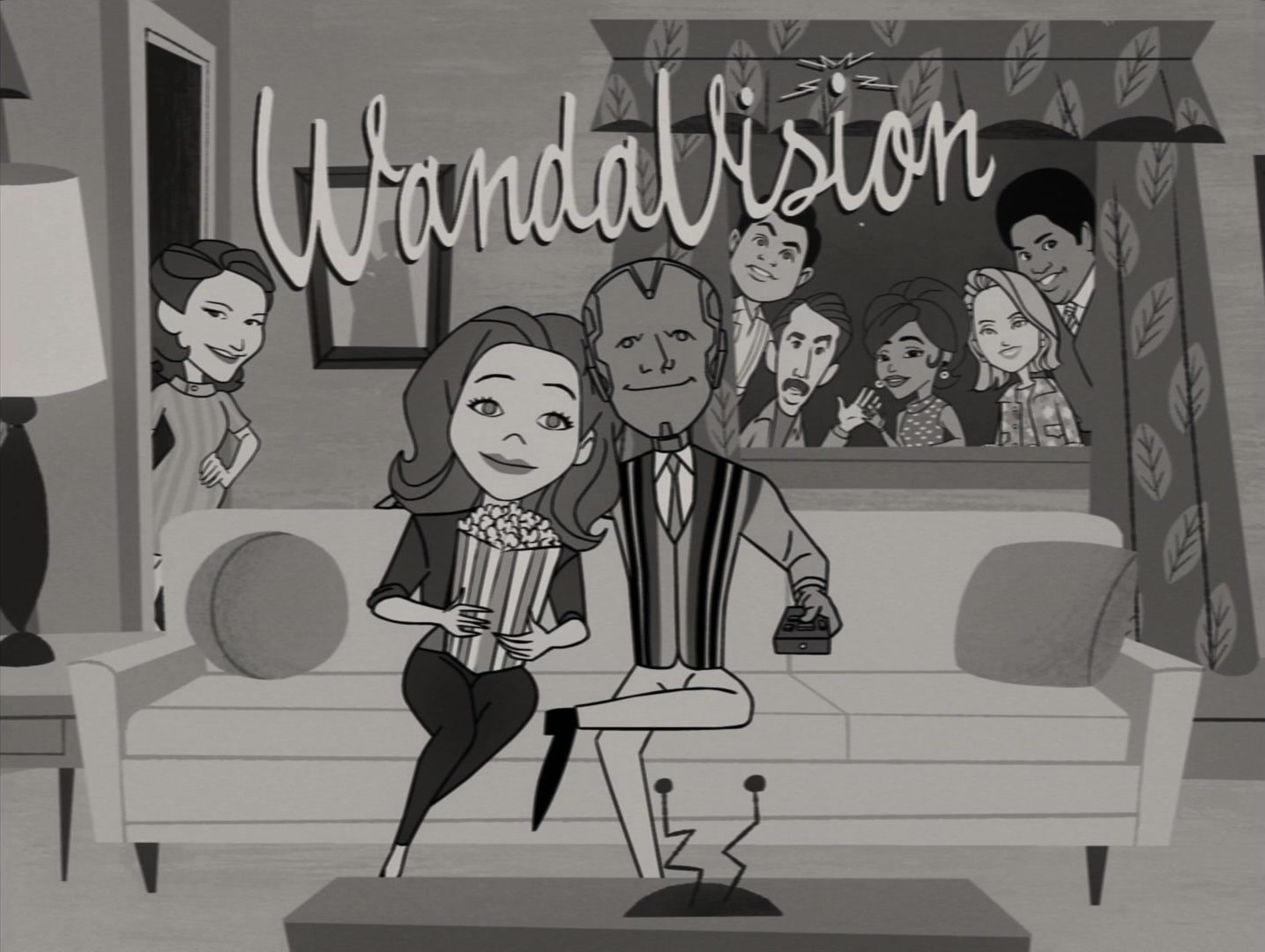
Wilches is a creative director at Titmouse, and Titmouse had already worked with Marvel on several sequences for WandaVision and other projects. For WandaVision, Titmouse created the black-and-white episode 2 intro and the episode 9 stop-motion yogurt ad, which helped establish a working relationship with Marvel that continued on First Steps. See Wilches’ profile on the Titmouse site and Titmouse’s portfolio for more context: Simón Wilches at Titmouse and Titmouse work.
“I have a huge thing for nostalgia and animation,” he says. Because of that background, Titmouse was an obvious choice when First Steps director Matt Shakman asked for a 1960s-style Fantastic Four intro. In particular, Wilches mentioned the influence of Alex Toth on his approach: Alex Toth.
Wilches also said he hid small references in the sequences. He noted, “I’m a huge Marvel Comics fan, and I put a lot of Easter eggs [into these sequences].” As a result, some viewers started reading extra meaning into small details.
Capturing ‘awkward beauty’ in animation
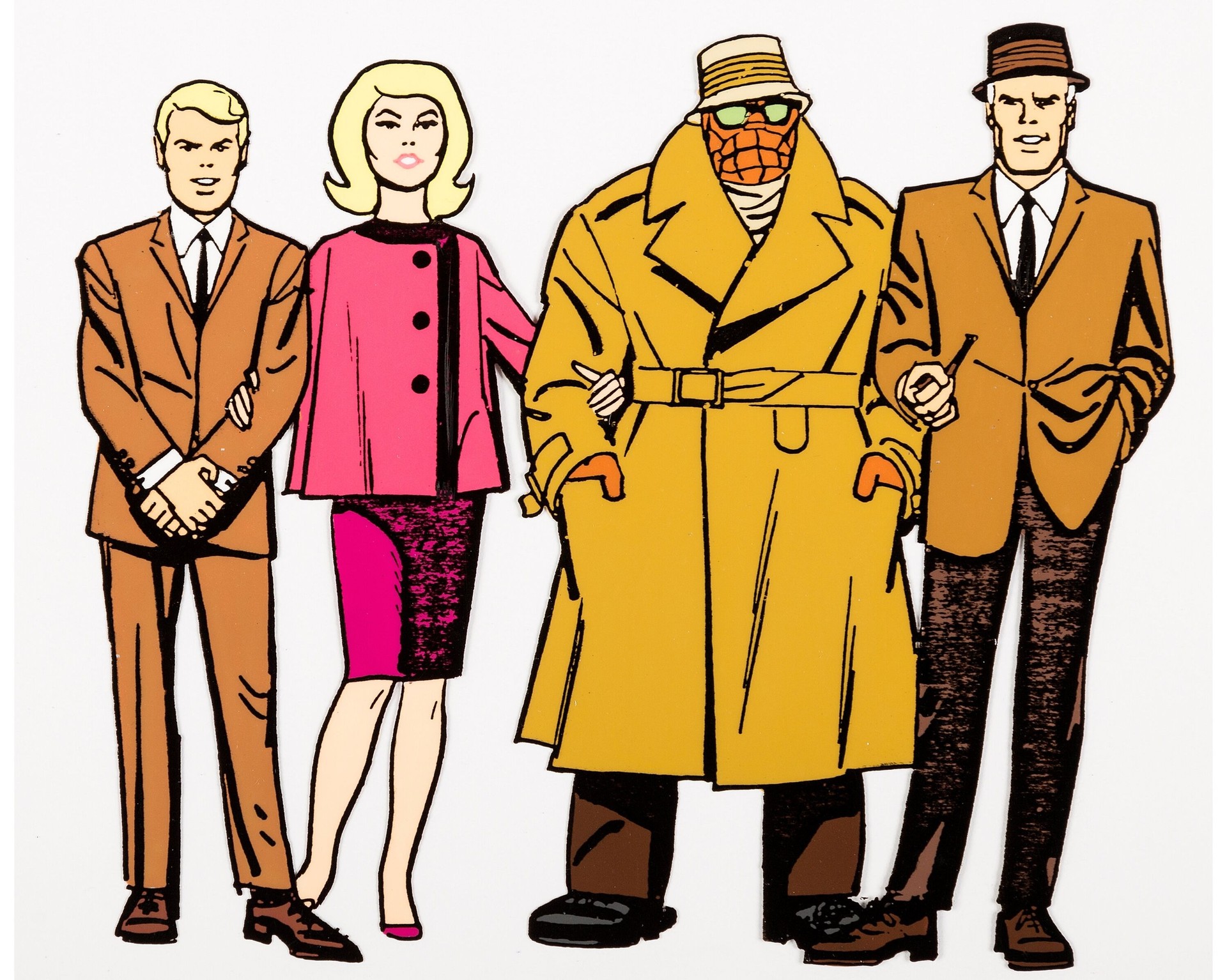
Titmouse decided early on not to copy the Hanna‑Barbera Fantastic Four frame-for-frame. Instead, the goal was to capture the *feel* of 1960s TV animation — a mix of nostalgia and practical limitations — while keeping the sequence fresh enough to fit the movie’s tone. As Wilches put it, “We wanted something new, but old-new. We wanted to feel nostalgic, but a little bit more modern, to fit the movie.”
He emphasized respecting the era’s production limits. “If you go watch the Hanna-Barbera show, you can make a lot of fun of it, because it’s very wonky at points,” Wilches says. “You can see a lot of production challenges. But that’s the kind of thing I love, especially now, in an era where everything is hyper-polished and artificial. I love to see the mistakes, when you can see the cel or the dirt. To me, that was the most important thing to capture here — what I call the awkward beauty of the show. I still think it’s so beautiful, and I lose myself in those backgrounds, but I cannot deny that it’s still very awkward. It has a lot of limitations.”
Making 1960s animation with 2020s technology
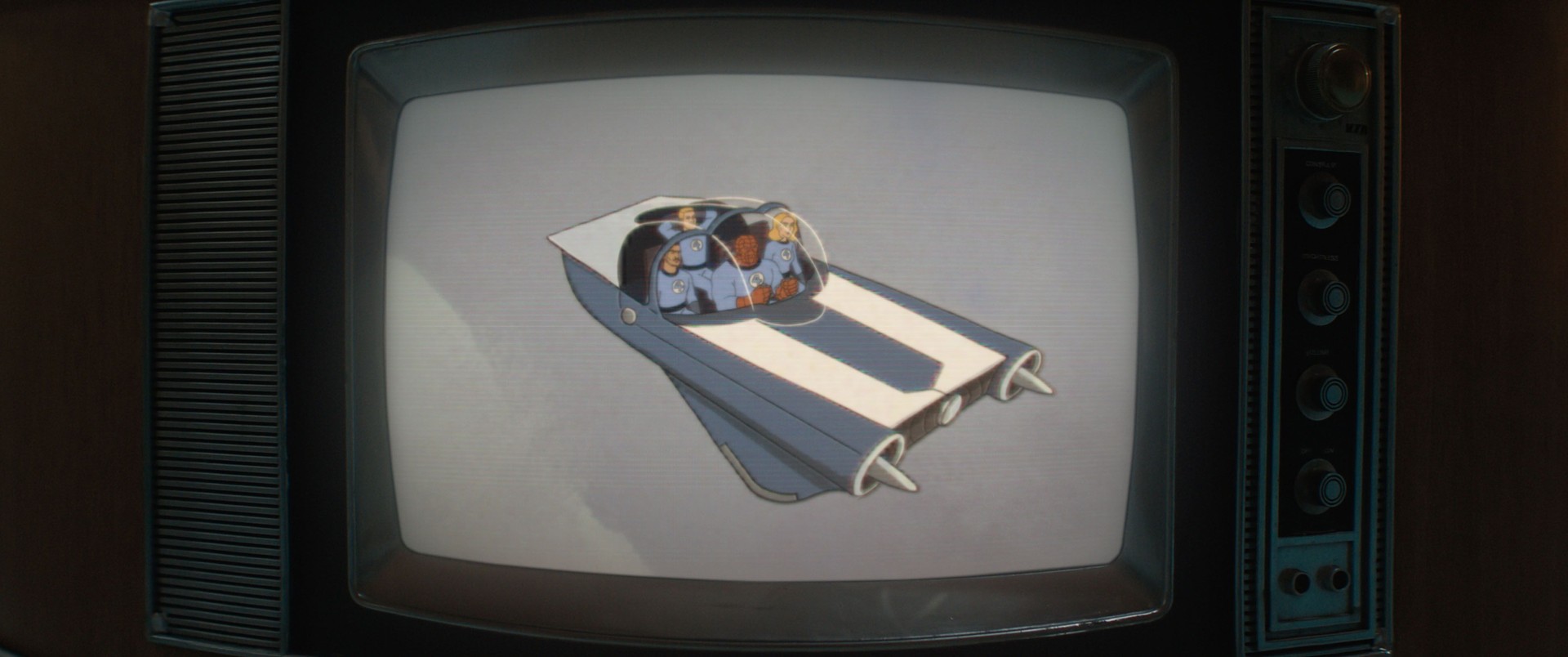
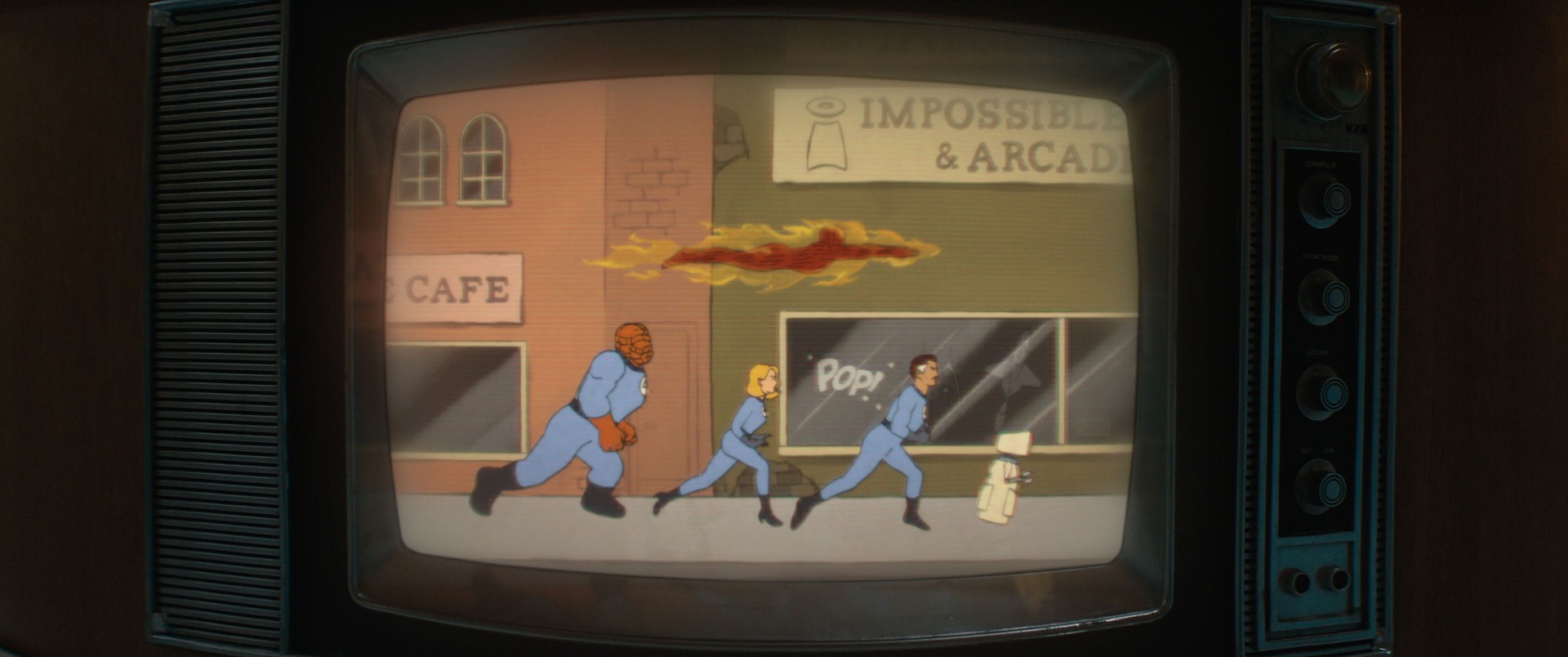
Wilches asked his team to deliberately simplify their work. For example, he told animators to avoid over-using modern fill tools and to *paint by hand* where possible, so the final frames would read like classic cel animation rather than a polished digital render. He described the first pass as overly slick: “The first pass on everything was so extremely [slickly] done. And I was like, ‘No, guys, we need to go back and try to imagine ourselves in that time, with those limitations. We have the best, most modern tools, but we need to use them in the way those people would’ve used their tools at the time.’ So no shortcuts, everything has to be hand-painted. Doing less sometimes gives a better result.”
He even insisted on avoiding automatic paint fills in places. “So I am normally a very nice director, but I was sending stuff back [to the animators], like, ‘I can see you used the paint bucket here. Can you just paint it by hand?’”
Finally, the team added a layer of grain and slight offsets to mimic VHS and old broadcast artifacts. “We’re all used to seeing these shows from YouTube rips or VHS copies,” Wilches says. That final pass helped the sequence read as a relic from another era rather than a modern throwback.
Matching First Steps’ live-action look and feel
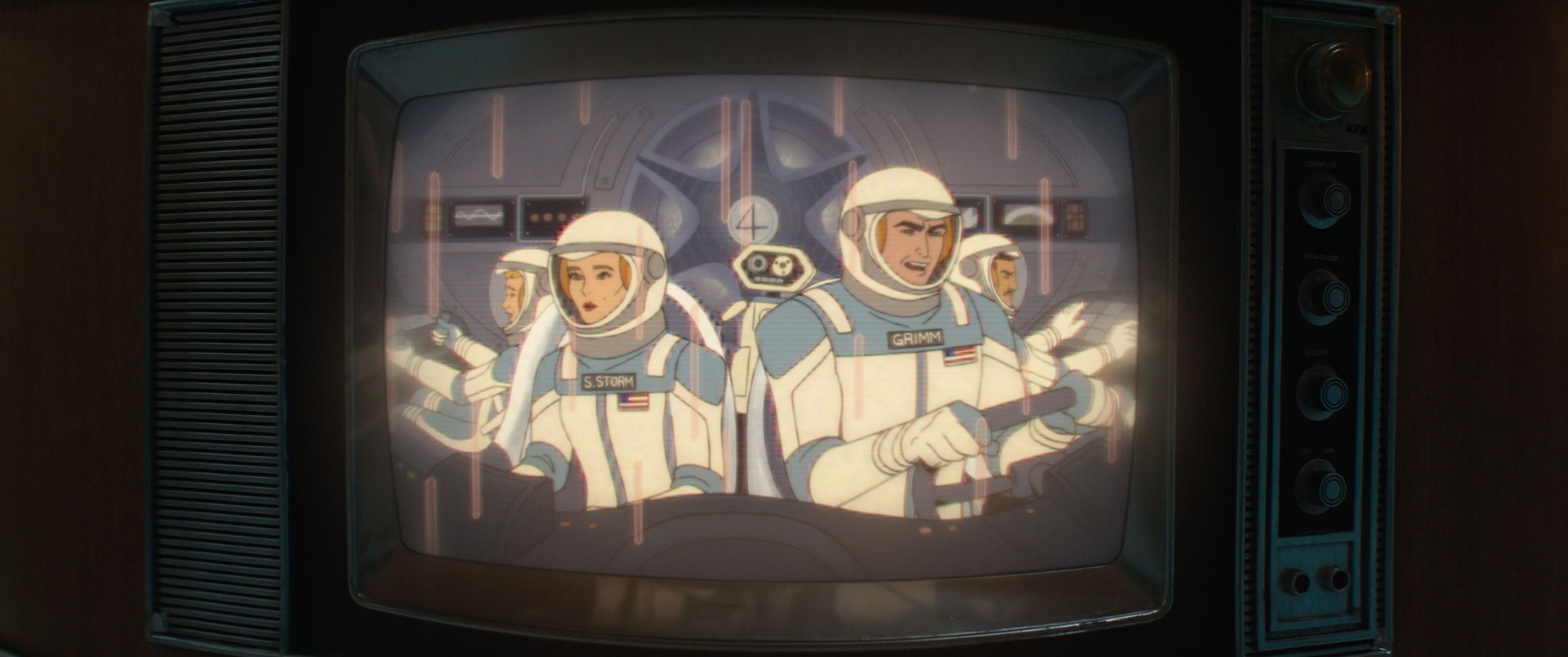
Marvel supplied reference material from the film, including the production’s retro‑future design language. Wilches said that abundant reference helped, but also risked spoiling surprises for a fan like him. “I’m a huge fan of the whole Marvel universe, and we kept getting all these references from the movie in progress, and I was like, Oh my God, I’m getting spoiled,” he says.
The team needed to balance actor likenesses with the simplified cartoon style so the characters remained recognizable without becoming detailed caricatures. “Designing the characters, the likenesses of the actors — that was a concern at first, because you feel like you have to represent these famous stars. But again, everybody was so open, and we had the benefit of working within this framework of making stuff that was awkwardly beautiful. So they’re not perfect reproductions, but you can still identify them as who they are.”
Overall, Wilches described the project as a calm, focused exercise in restraint. He summed it up as a “spiritual” or philosophical direction: using modern tools to intentionally recreate older limitations, which the team found rewarding and relaxing.
The Fantastic Four: First Steps is currently in theatrical release.