HushCrasher Reclassifies Games: File Size + Credits Put Zelda in AA, Not AAA
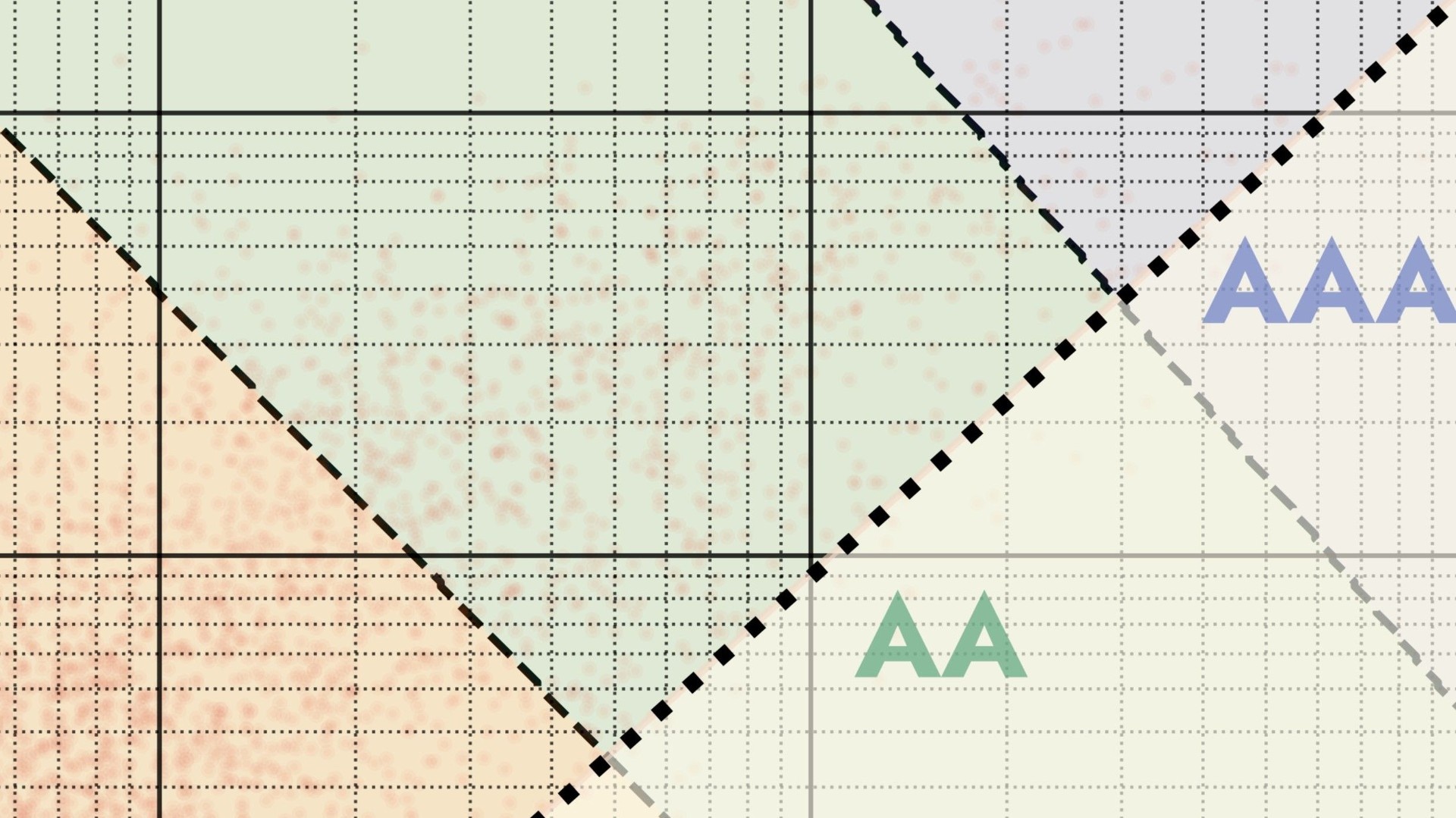
A new, data-first effort from HushCrasher sorts games by two public numbers — install size and people in the credits — and uses cluster analysis to group releases into four production-size categories. The result is a clear, repeatable system that classifies games as Kei, Midi, AA or AAA, and it highlights some predictable edge cases like Nintendo Switch ports and publisher-backed indies.
- Why Nintendo Switch titles can skew results
- Where AA and AAA sit in HushCrasher’s system
- Why the indie layer still looks messy
How HushCrasher classifies games
HushCrasher analyzed every game published on Steam since 2006, then cross-referenced credit listings from MobyGames. They excluded items like special thanks and playtesters, and then ran a cluster analysis to find natural groupings.
Their public write-up appears on the HushCrasher Substack, and they also offer a classification tool and chart to try it yourself. More details can be found on this article and in their classification guide.
As the authors put it, HushCrasher describes the project as “a scream of rage against intuition-based theories” and says that “vibe-analysis is clearly out of the question.”
Why Nintendo Switch titles can skew results
File size is one of the two axes HushCrasher uses. Consequently, platform constraints affect the classification. Switch versions are often much smaller because of cartridge limits and console specs. As a result, big Nintendo games can land in smaller categories by file-size alone.
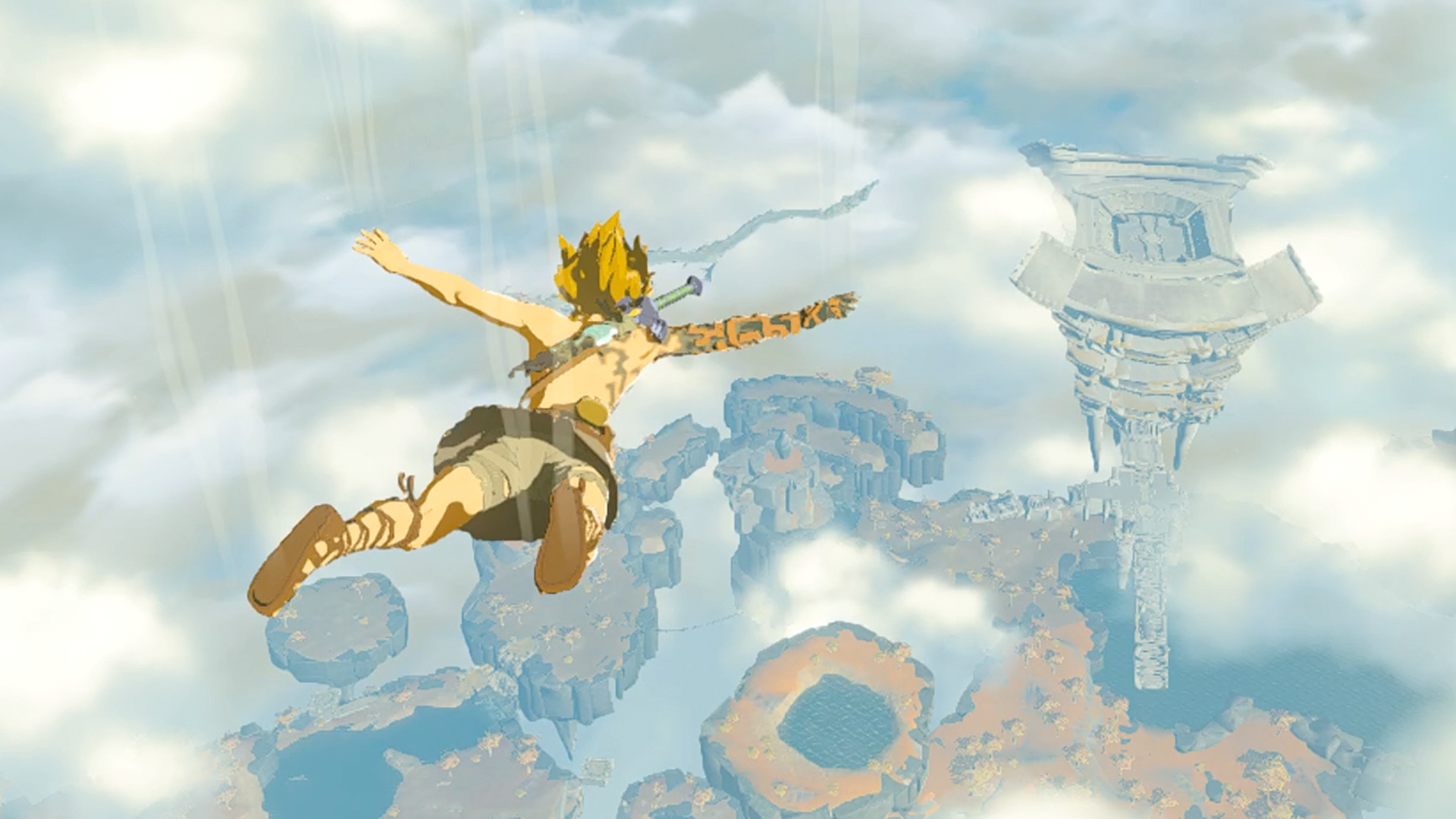
For example, The Legend of Zelda: Tears of the Kingdom has more than 1,000 credited people, but its install size is around 18 GB. In HushCrasher’s system that places it in the AA group rather than AAA.
Where AA and AAA sit in HushCrasher’s system
HushCrasher defines four clusters with concrete ranges on the two axes. Roughly, the groups fall like this:
- Kei — typically 1–50 credited people and under 5 GB of install size.
- Midi — up to about 10 GB, with credits sometimes in the low hundreds.
- AA — commonly 10–50 GB and credits in the hundreds, occasionally approaching ~1,000.
- AAA — usually around 100 GB or more, with thousands of credited people.
The project also names exemplar games for each category: Red Dead Redemption 2 for AAA, Clair Obscur: Expedition 33 for AA, Outer Wilds for Midi, and Undertale for Kei. Red Dead Redemption 2 is a clear AAA example.
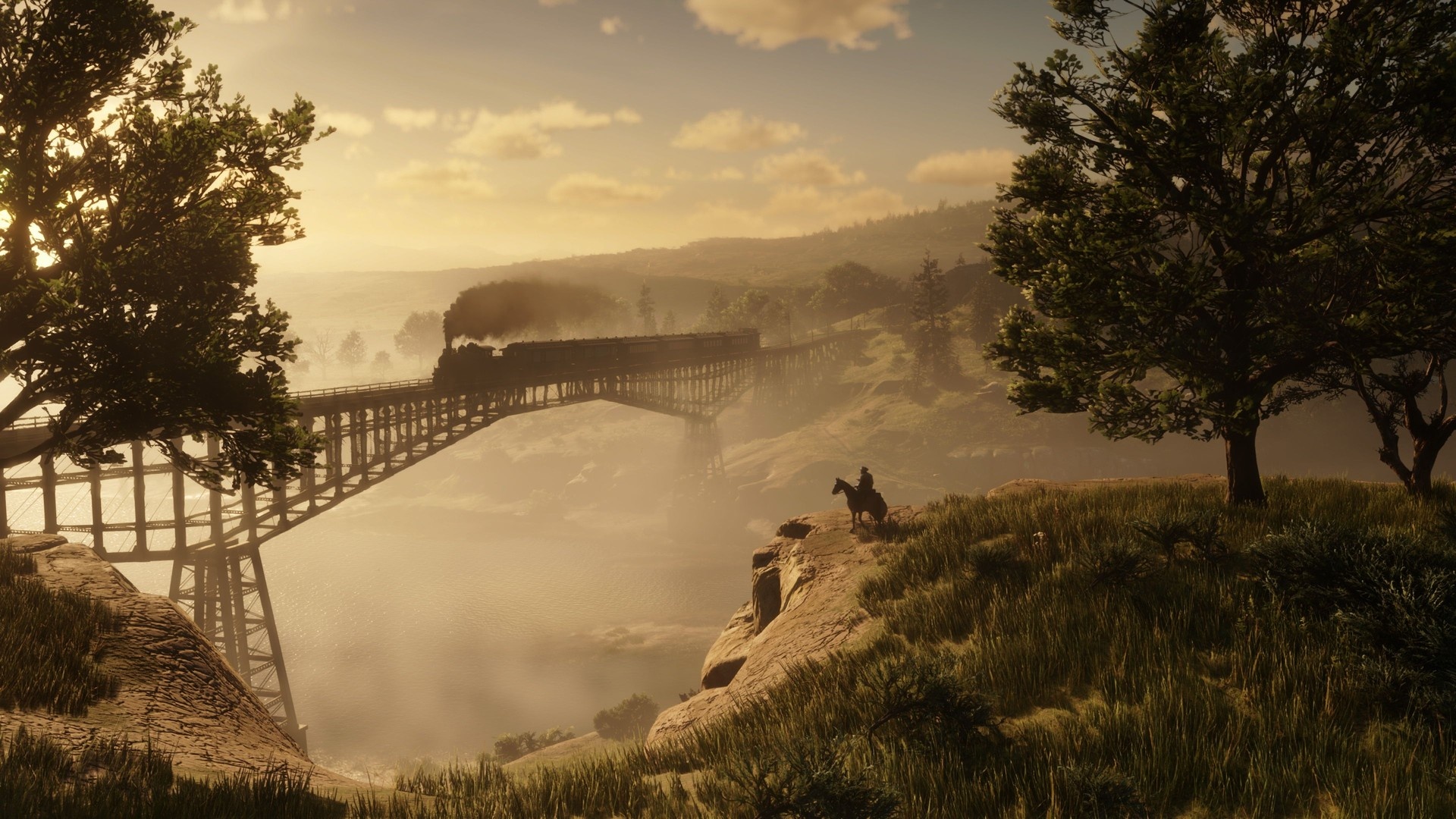
Using those measures, HushCrasher finds that true AAA releases are less common than public perception might suggest, while AA games are widespread. For instance, Borderlands 4’s 28 GB install puts it in AA by size (MobyGames credits were not available at the time of the study). Conversely, Baldur’s Gate 3 registers as AAA because of a large file size and around 2,000 credited people.
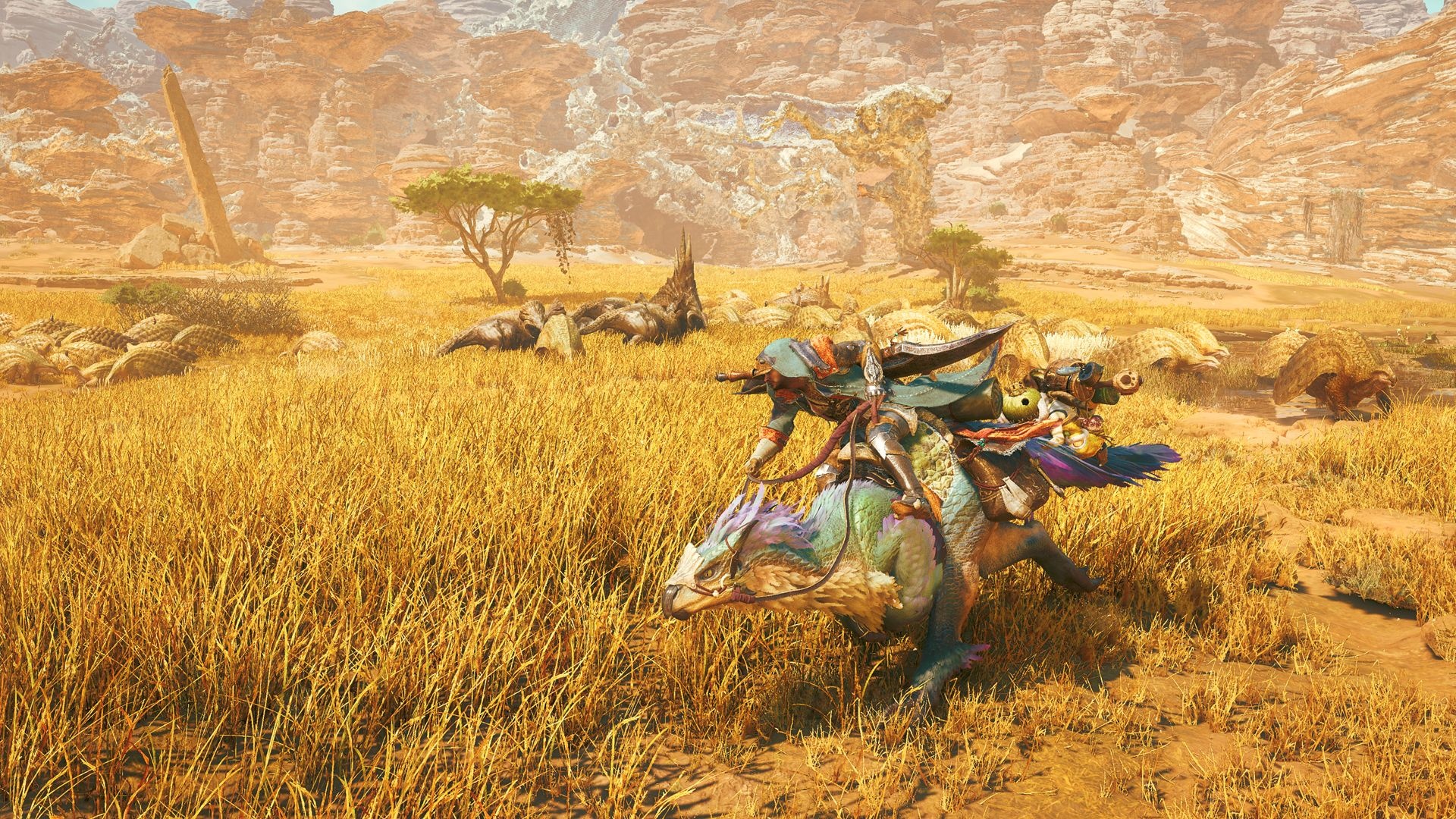
Some games sit on the cusp. Monster Hunter Wilds, at about 75 GB and roughly 2,000 credits, positions itself near the AA/AAA border in HushCrasher’s clustering.
Why the indie layer still looks messy
On the smaller end, HushCrasher’s data show that most Steam releases fall into the Kei cluster. However, credit counts can inflate a project’s measured scope.
Two examples make this clear: Hollow Knight: Silksong is typically viewed as a small-team project, yet it lists roughly 80 credited people and is classified as Midi. Similarly, Balatro is a solodev title with a small install size, but publisher support and credits make its classification tighter to the border.
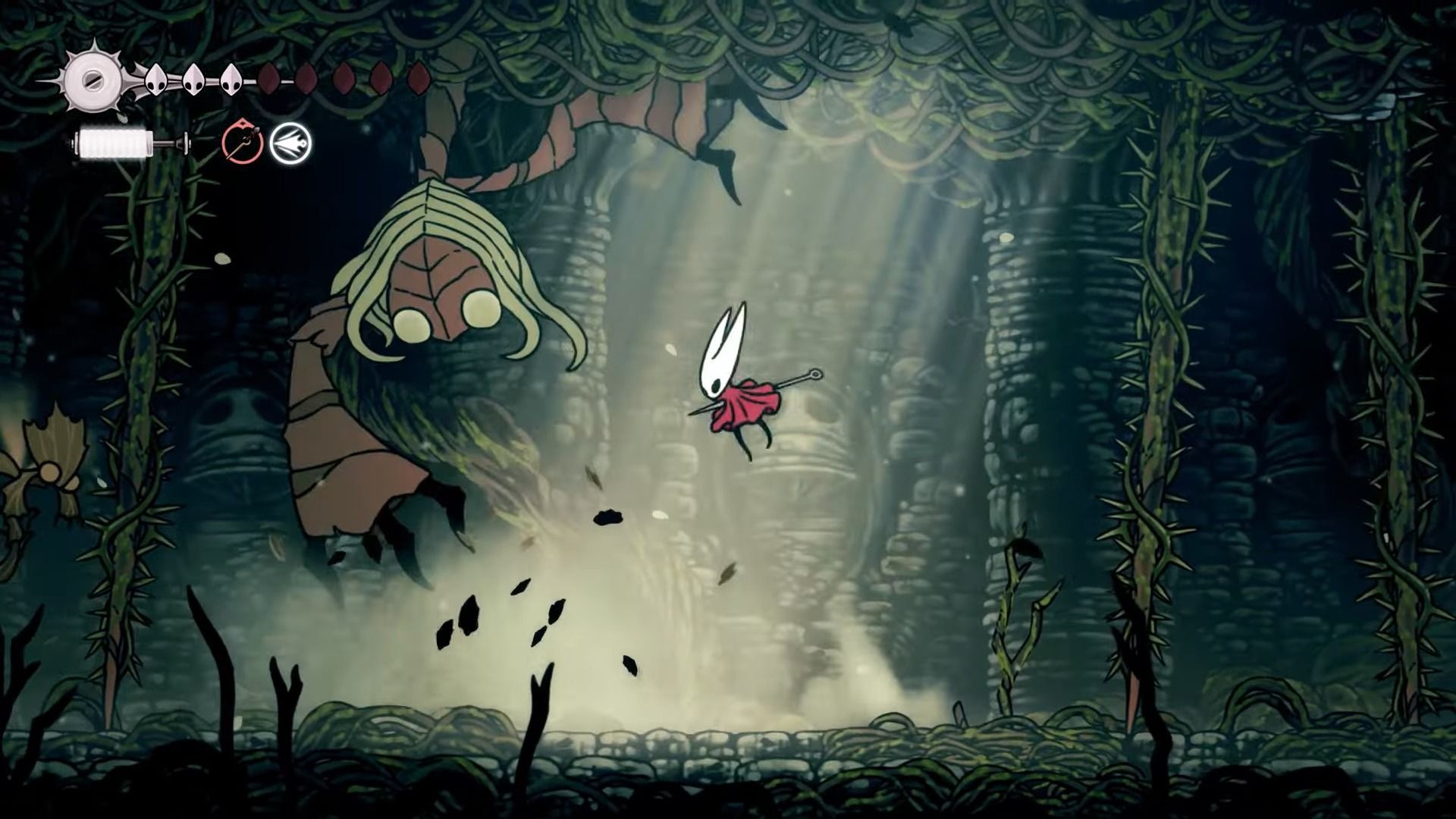
Other indie games with sizable voice casts or external contributors — for example, Despelote and Blue Prince — also land in Midi despite their indie origins. In short, credit counts reflect contributors and collaborators as well as the core development team, and that affects how the data clusters interpret production scope.
What HushCrasher says it will do next
HushCrasher indicates plans to dig into actual production budgets in a future analysis. For now, their taxonomy is explicitly based on install size and credit counts, using public Steam and MobyGames data and cluster analysis methods.