Inside Anakin’s Fall: Matthew Stover’s 20th‑Anniversary Annotated Revenge of the Sith Reveals 170+ Writing Secrets
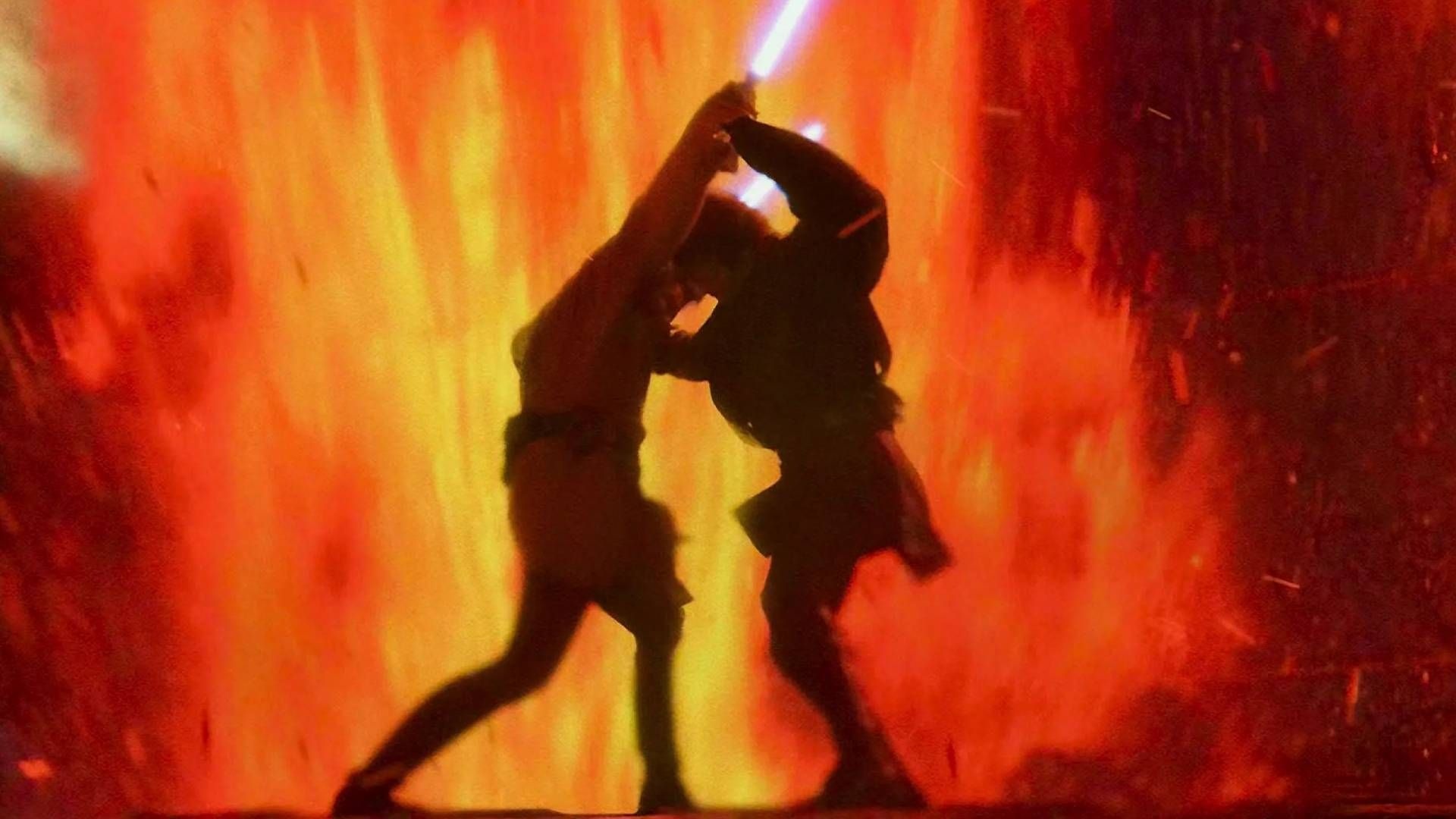
Matthew Stover’s novelization of Star Wars: Revenge of the Sith is getting a new annotated 20th‑anniversary edition that includes more than 170 annotations and a new author introduction. First published in 2005, the book expands on Episode III, and this new release adds author notes that explain Stover’s choices and writing process; more details can be found on this page. 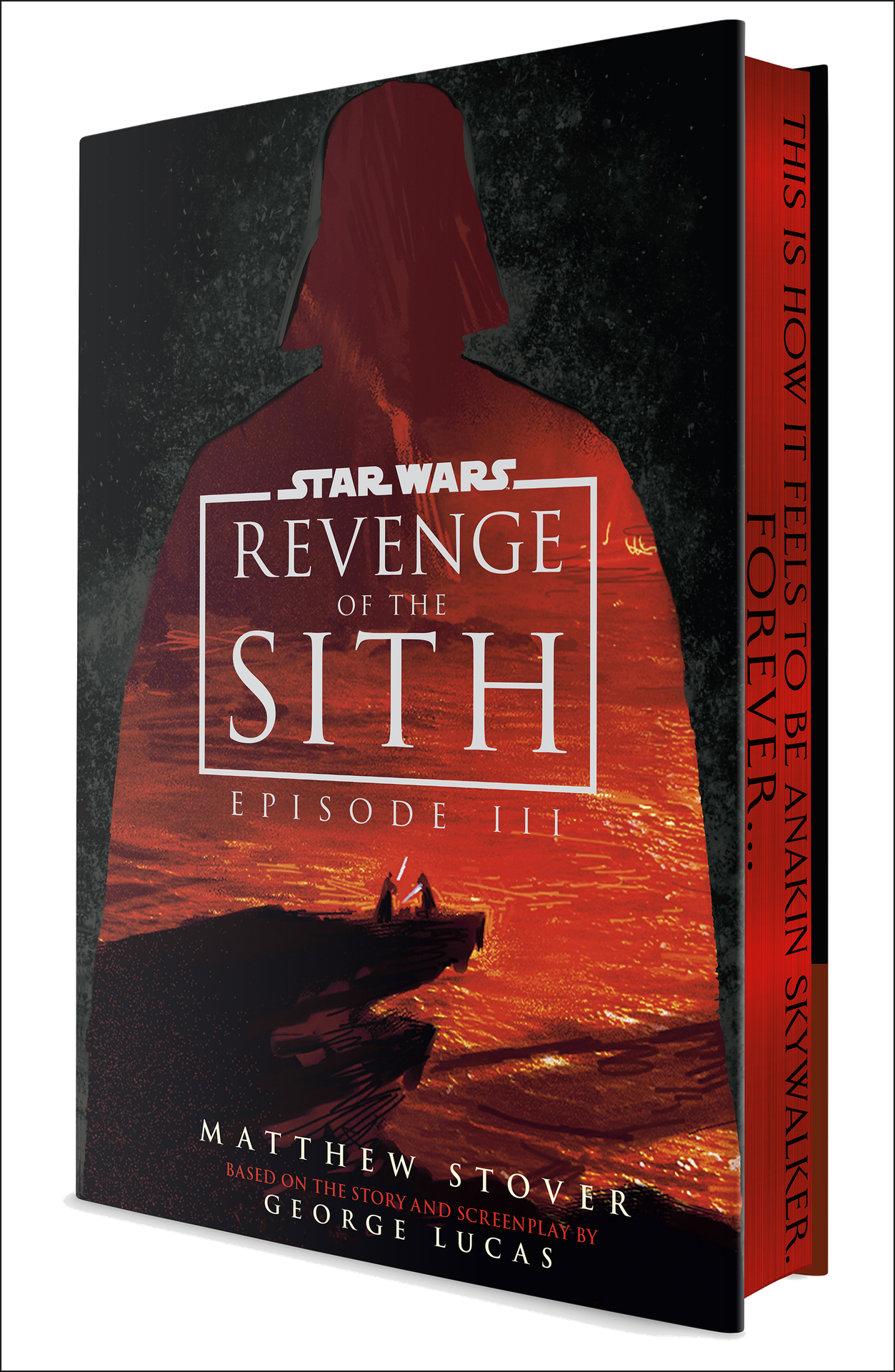
Edition details
The release is billed as a 20th‑anniversary deluxe annotated edition. It contains a new introduction by Matthew Stover and over 170 annotations that appear throughout the text. The publisher is Random House Worlds, and the book reprints selected passages from the original novel alongside Stover’s notes explaining technique, sources, and narrative choices.
Author intent and goals
Stover framed the project as an attempt to teach future writers. He initially resisted doing annotations, but changed his mind after an editor’s pitch. As he put it, the editor described the project as “a teaching opportunity.” Stover added, “I was raised by a teacher,” and said the edition is meant to function like a lesson in his writing approach.
Notable annotations
The annotations explain formal moves, narrative voice, and specific metaphors Stover used while adapting George Lucas’s screenplay. For example, Stover discusses using present tense to create immediacy, and he describes a recurring image he calls the “dragon” as a metaphor for Anakin’s dread and rage.
Annotation examples
Below are direct examples from the book that illustrate the kinds of notes readers will find. These excerpts are presented exactly as printed, and they show both short poetic lines and longer explanatory annotations.
“One of the big tricks of the Greek tragedies was something Aristotle would call dramatic irony—basically referring to when you, the reader, know what’s going to happen, but none of the characters do. Done properly, this technique transforms happy anticipation into creeping dread.”
“The most finicky part,” Stover wrote, “was balancing all the different pressures Anakin is under, in order to tease out which of these pressures is on his mind at his major decision points. I wanted readers to look at each individual choice along his downward spiral and think, Yeah, I can see why he did that. I might have even done it myself.”
“The most surprising for me has been the little ‘The dark is…’ prose poems that introduce the major sections and close the book,” Stover noted. “Those bits show up in YouTube clips from chamber-style instrumental settings to hair metal. Some people even get lines tattooed.”
“I didn’t want to do the annotation thing at all,” he said. “I want stories I write to stand on their own, without any need for Director’s Cut Commentary-style crap.”
Stover also cites literary influences in his annotations. For example, he references the “Appointment in Samarra” fable when explaining how prophecy functions in narrative.
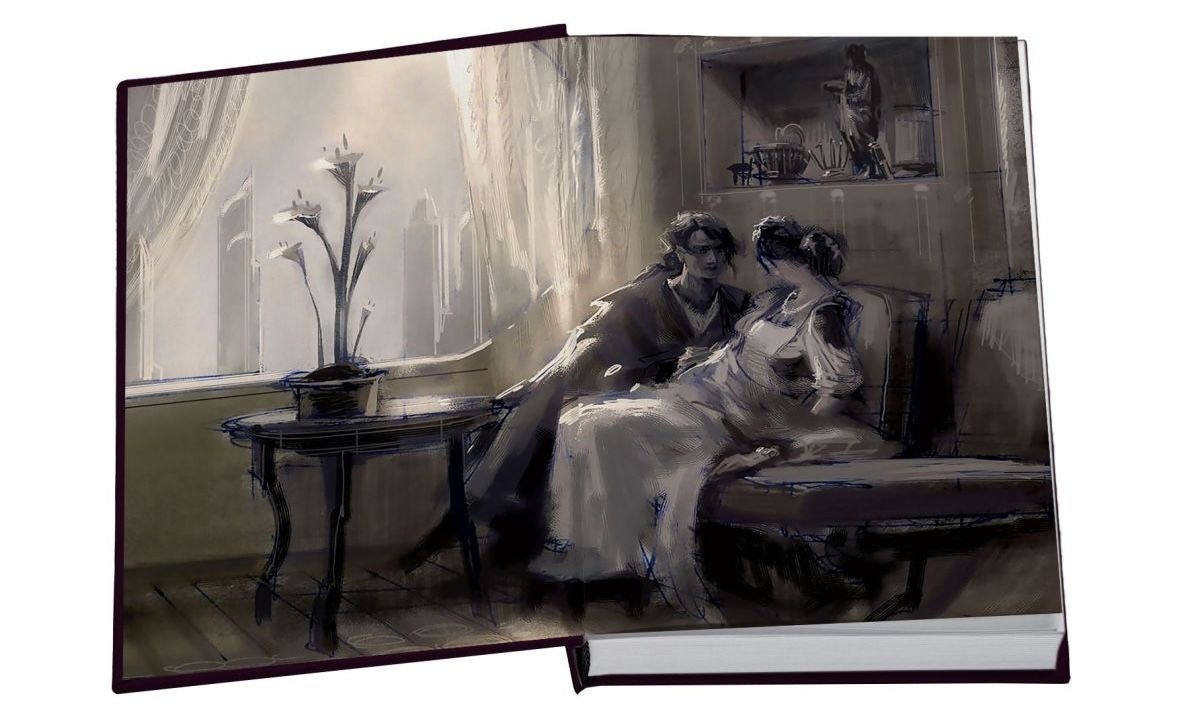
Additionally, the book includes short, poetic repeated lines used as section headers. One example printed in the novel reads: “The dark is generous, and it is patient.” Stover’s notes explain why he repeated and echoed those lines to create a formal, incantatory feel in the text.
Availability
The annotated deluxe edition is published by Random House Worlds, an imprint of Random House, a division of Penguin Random House LLC. To view the publisher’s page for the book, see Revenge of the Sith (Deluxe Edition).