Inside Gothic Remake: Devs Reveal How They’re Fixing Plot Holes, Adding Orc Lore and Keeping the Cult Classic’s Soul
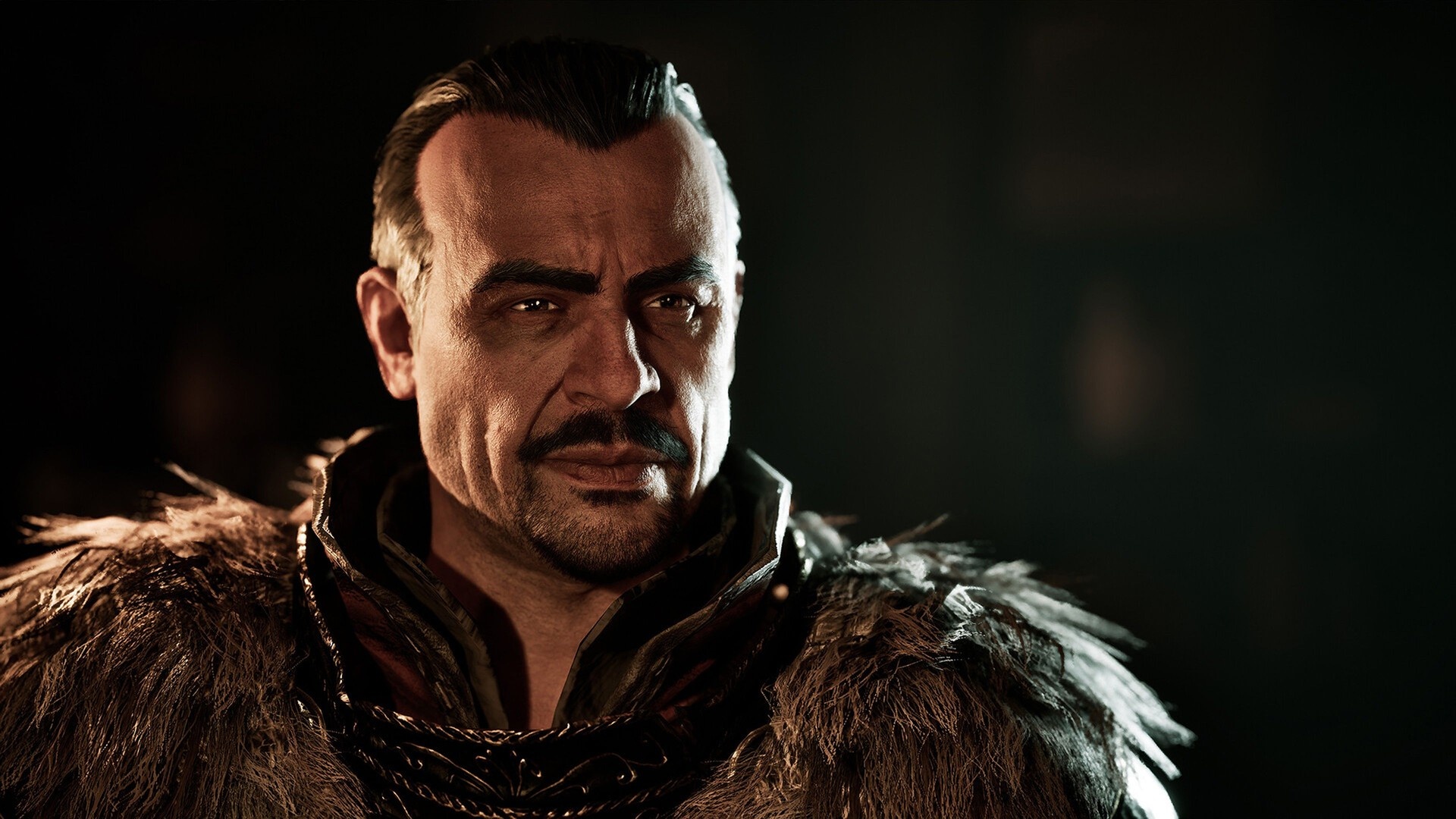
Gothic Remake aims to rebuild the 2001 cult classic with modern visuals, tighter quests, and expanded worldbuilding while keeping the original’s core feel. I saw a hands-off demo at Gamescom and spoke with Alkimia Interactive about what changed, what stayed, and why some parts were tricky to update.
- What the demo showed: graphics, lighting, and a very dark night cycle.
- Key mechanics: transformation scrolls, combat improvements, and faction play.
- Remake work: how Alkimia balanced faithfulness with modern standards and fixed story issues.
Visuals and atmosphere
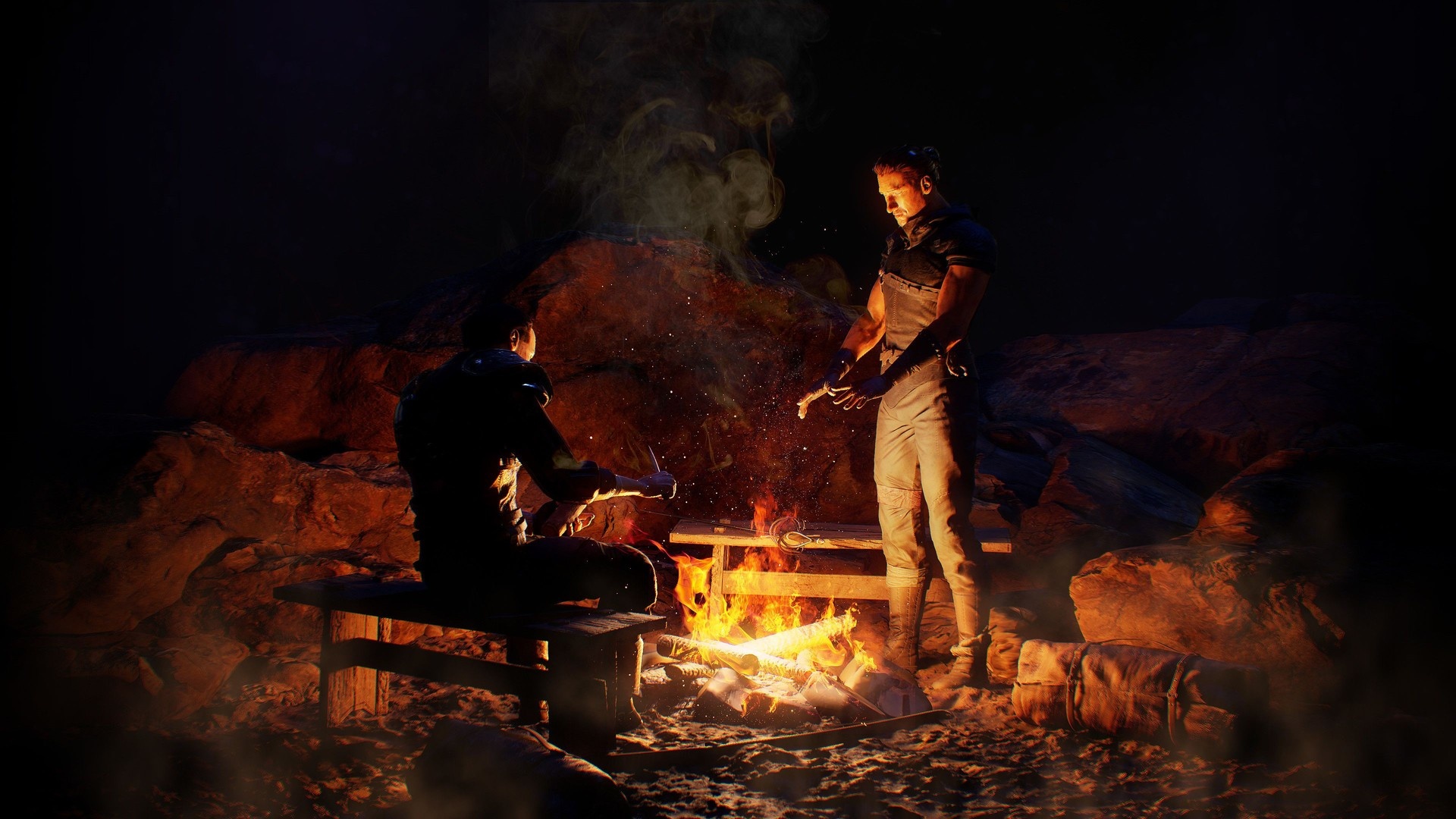
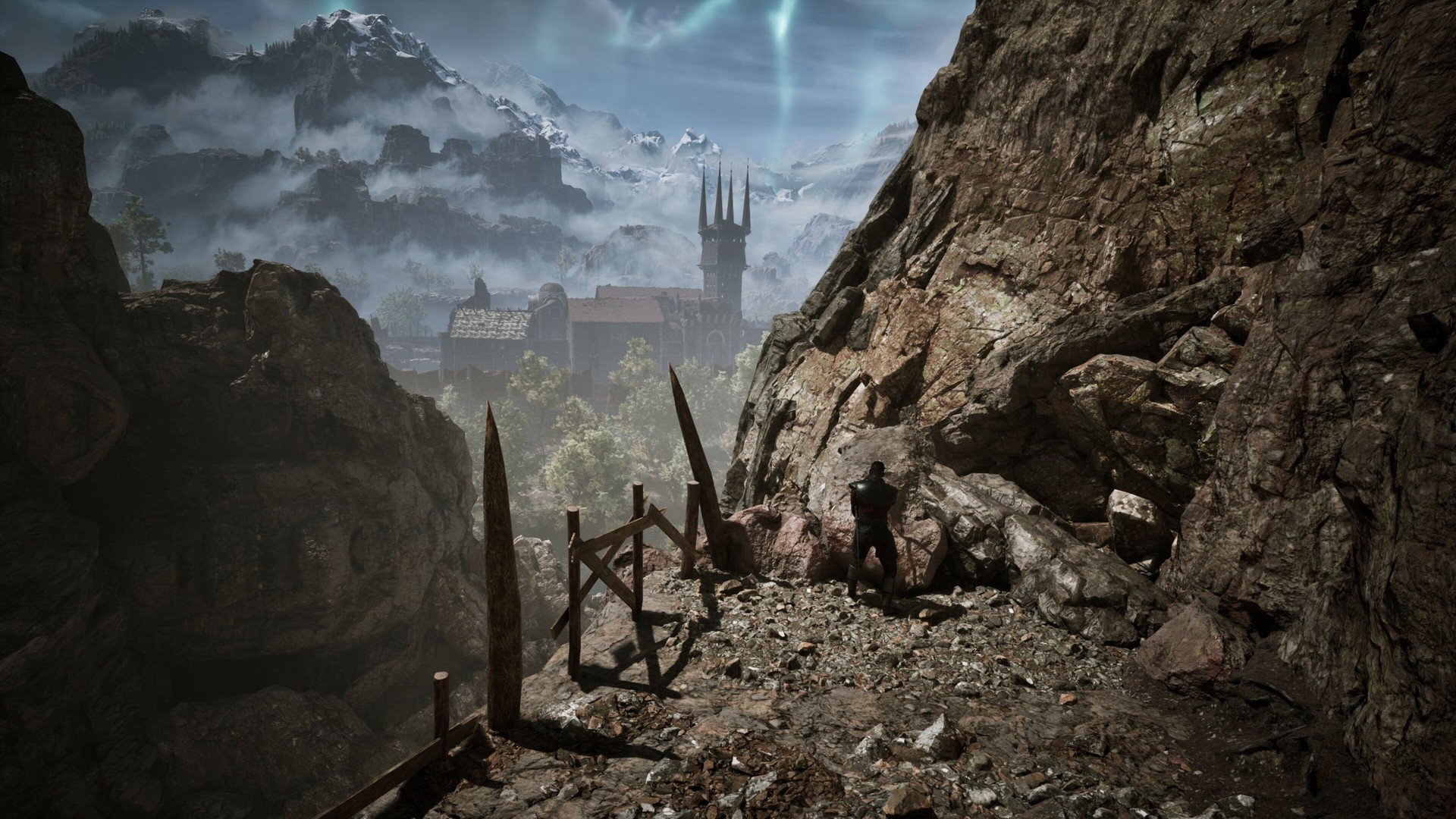
The remake uses modern textures and ambient lighting to create a realistic, dark medieval world. For example, daytime scenes show strong contrast and rays of sunlight cutting through trees, while night is intentionally very dark to encourage players to avoid being outside after dusk.
Overall, the game’s palette stays grounded in earthy greens, grays, yellows, and reds. Moreover, the team leaned into dramatic lighting to highlight ruins and forestry, rather than bright, saturated colors.
Unusual creature design
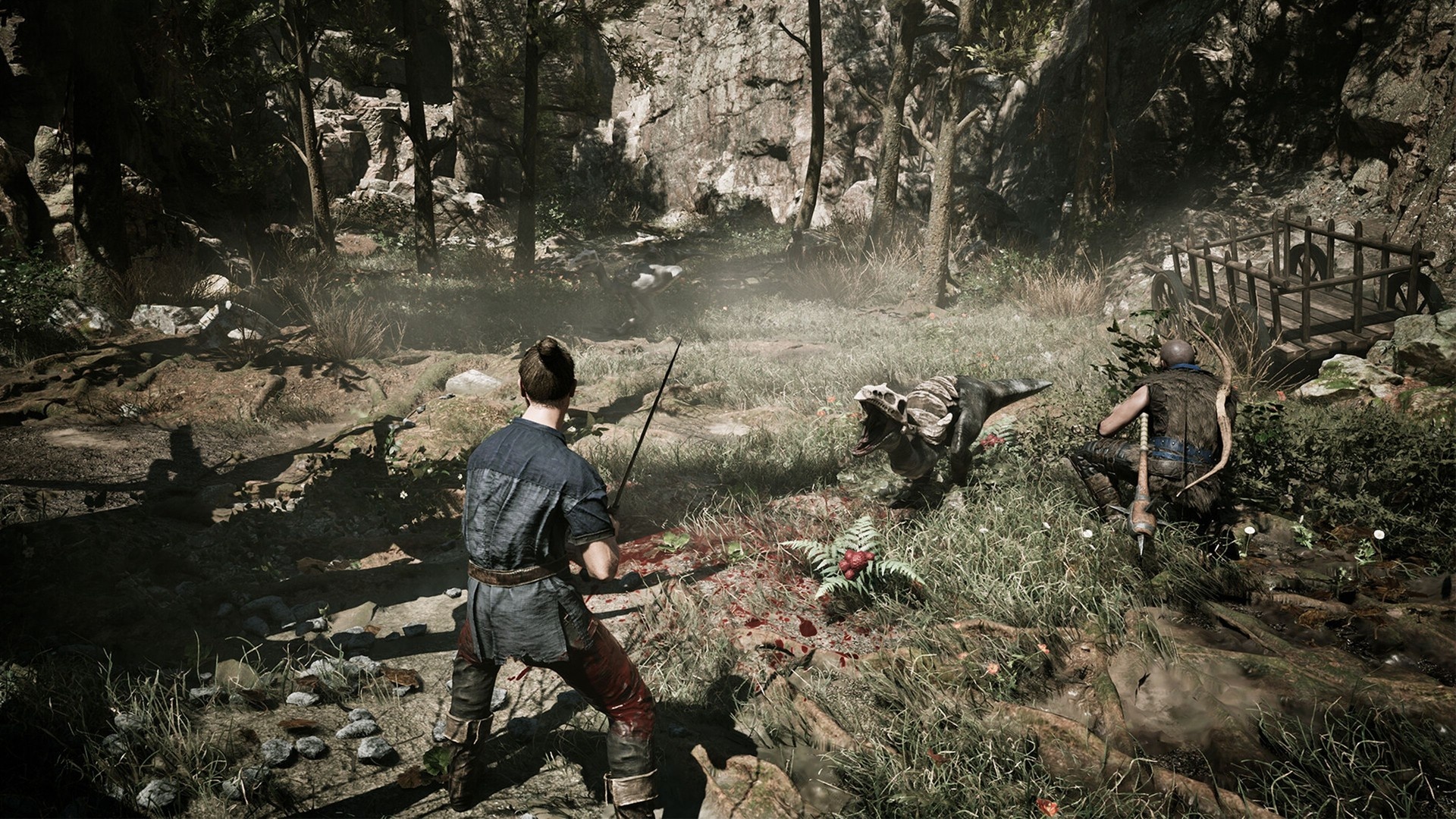
The demo includes reptilian scavengers that look like small T. rex figures wearing skulls; they are present to match the original game’s creature roster. Although their appearance contrasts with the otherwise medieval aesthetic, the designs were kept close to the source material.
Mechanics shown in the demo
Combat includes swordfighting, archery, and magic, with a skill point system that lets players shape builds. The demo showed a two-handed warhammer for heavy melee and flashy mage animations, such as area fire spells.
Additionally, weather and time of day affect visibility, which in turn influences stealth and combat. NPCs in towns have daily routines, role-based dialogue, and multiple interaction options, making settlements feel more populated.
Transformation scrolls and species reactions
Transformation scrolls let players take the form of creatures like rats, lizards, or the dinosaur-like scavengers. These forms can be used for combat, exploration, or social interaction; other species will react differently depending on the player’s current form (for example, small creatures may flee from a wolf form).
Progression, factions, and design changes
The remake preserves Gothic’s “zero-to-hero” progression. You still start as a nobody, and faction choice influences how the story develops and how groups react to you.
Several design updates were shown: combat was improved, many vertical ladders were replaced by proper staircases, quests were expanded, and there is a stronger focus on steep character progression and meaningful choices.
Story fixes and added culture
The developers said they expanded narrative elements to fix plot holes and improve quest flow. In particular, the remake adds more depth to orc culture, which was limited in the original.
They also emphasized keeping the feel of Gothic while meeting modern player expectations through quality-of-life and structural improvements.
Developer comments on remaking Gothic
“What’s easier about remakes is that the vision is already there,” the game’s developers say. “But there are many expectations from people who played the first game.”
“People say they love this game, but it’s really the memory of the game they are talking about, not the actual game,” they said. “What that means is that we should recreate how Gothic feels, and let people experience that again. It must have modern standards.”
“One important thing we needed to improve was the quest flow and story,” the developers explain. “The original Gothic has several flaws, like plot holes and things that just don’t make sense. We made some changes to fix that.”
Platforms and release window
Gothic Remake is scheduled for release on PlayStation 5, Windows PC, and Xbox Series X in early 2026.