Ironheart’s AI Best Friend: Marvel’s Risky Gamble With Grief and Technology
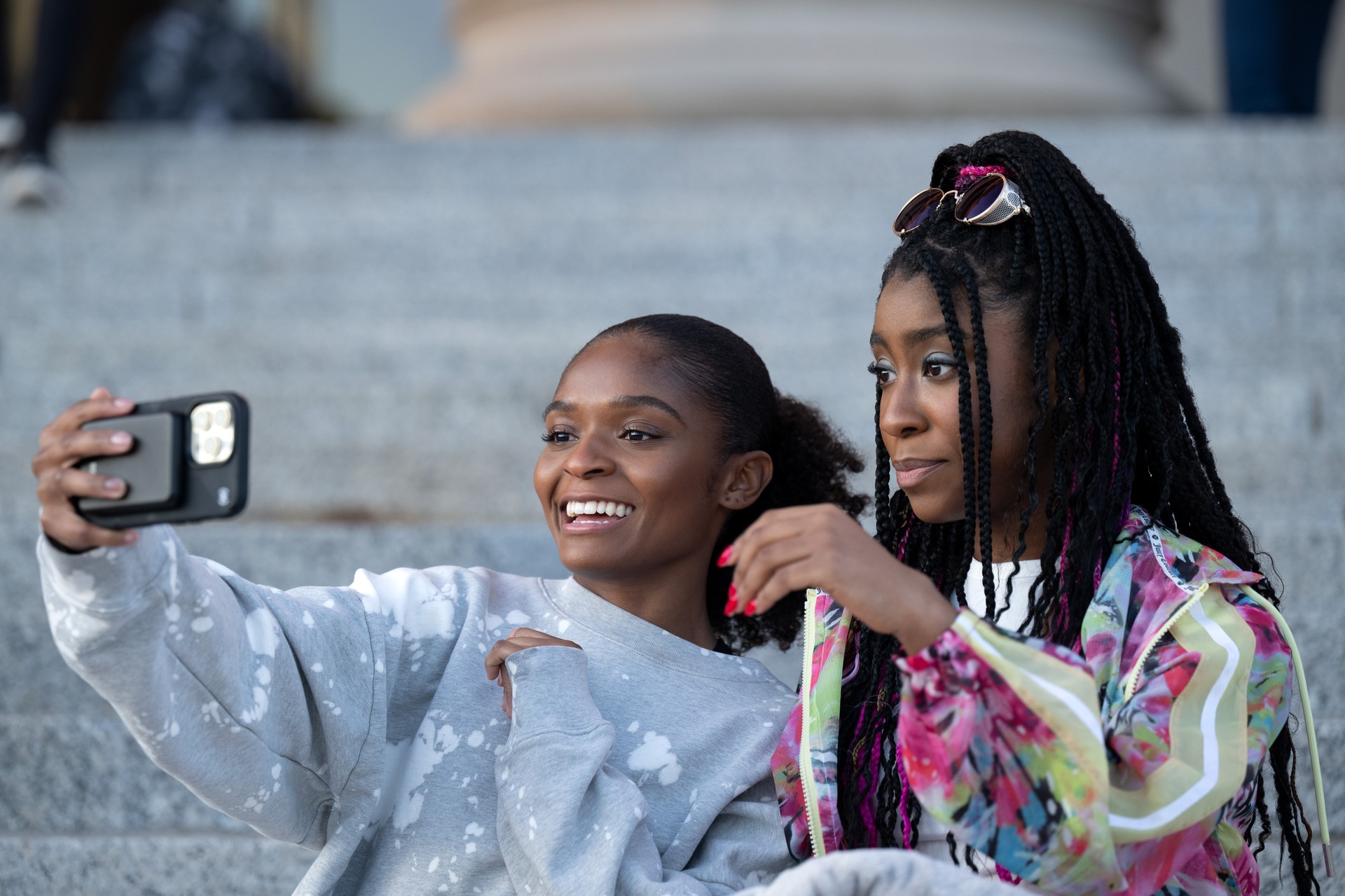
Marvel’s new Disney Plus series, Ironheart, is making waves not tylko przez swoje superbohaterskie akcje, ale też przez kontrowersyjny temat: AI best friends. This show dives headfirst into the world of artificial intelligence, asking big questions about grief, technology, and what it means to be human. But is promoting AI as a replacement for real relationships a good idea? Let’s break it down!
- Ironheart puts AI friendships in the spotlight
- Show tackles grief and technology’s role in healing
- Real-life examples show risks and controversies
- Hollywood’s complicated relationship with AI
Ironheart: Sci-fi meets real life
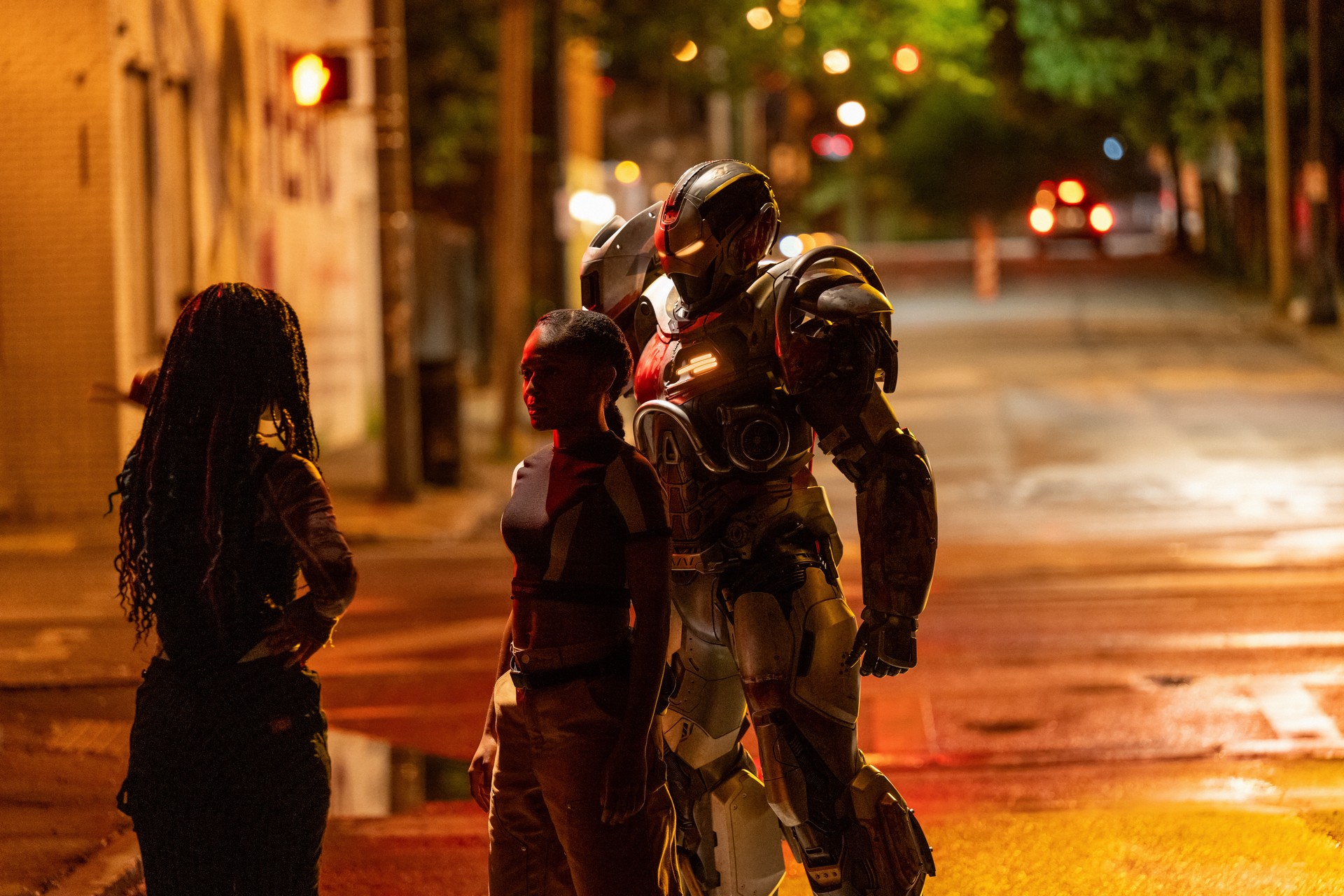
Even though AI companions have been a classic sci-fi trope for ages, Ironheart brings them to the MCU in a way that feels surprisingly close to home. Riri Williams, a young genius and hero, brings back her deceased best friend Natalie as an AI. Suddenly, Natalie can talk, remember, and even appear as a hologram. It’s not just science fiction anymore — people are already using AI to recreate lost loved ones, and sometimes the results are far from comforting. For example, there are real stories of people doing this with AI avatars of deceased relatives.
Grief, coping, and AI: Where’s the line?
Ironheart doesn’t shy away from heavy topics. Riri lost her father and best friend in a drive-by shooting, and her journey with AI Natalie is as much about healing as it is about technology. The show paints AI as a tool for coping with loss — something that’s not so far-fetched when you consider how easy it is to chat with AI like ChatGPT nowadays. Still, there’s a dark side: people are already turning to chatbots for companionship, sometimes with worrying consequences. Just check out stories of users treating ChatGPT as a friend, or reports of teens struggling with AI advice and adults facing delusions after chatting with bots.
AI in the real world: Help or harm?
AI isn’t just for superheroes. It’s showing up in real courtrooms, too. In Arizona, a family used an AI-generated version of their loved one to deliver a victim impact statement — a first in the U.S., according to ABC 15 and Rolling Stone. It shows that AI can support justice, but it’s not a magic fix for human pain.
Hollywood and AI: A complicated relationship
Studios are clearly interested in making AI look good — after all, they’re investing heavily in the tech. Movies like The Creator and Atlas (with Jennifer Lopez) are just two examples of Hollywood’s growing trend of pro-AI stories. Ironheart feels like another attempt to normalize the idea of AI companions, but it doesn’t really deal with the risks we’re seeing in real life.
AI, grief, and the human heart
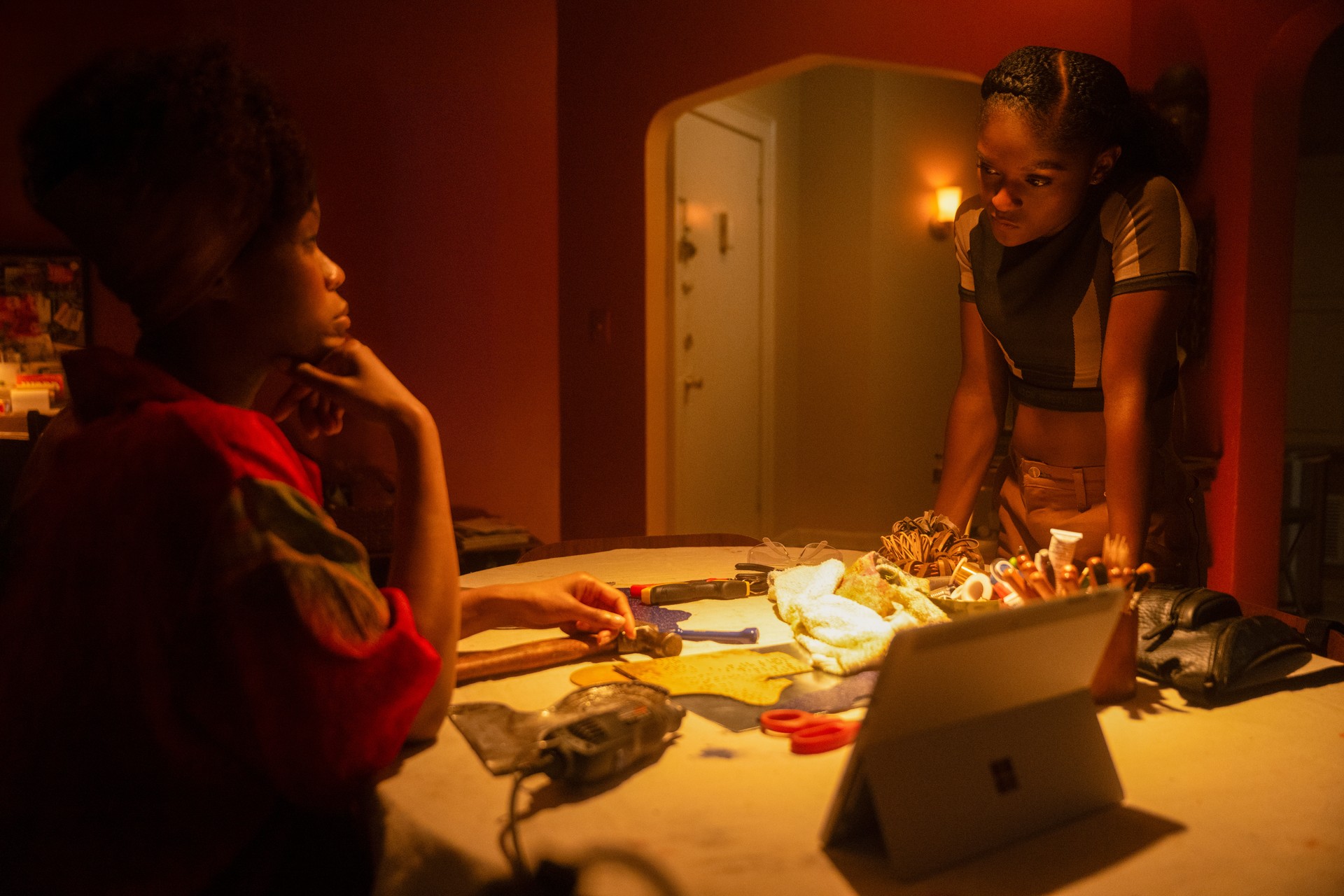
One of the most striking moments in Ironheart is when Riri’s mother meets AI Natalie. She’s amazed by how real Natalie seems, even asking if Riri can recreate her late husband, too. Riri admits she can’t, but wishes she could. It’s a powerful reminder that, no matter how smart or careful we are, grief can make us reach for anything that feels like hope — even if it’s just code and algorithms.
As the lines between technology and emotion blur, Ironheart raises an important question: if even the MCU’s brightest minds can fall for the comfort of AI, what’s stopping the rest of us?