James Gunn’s Superman Misreads Kal‑El — Grant Morrison’s All‑Star Version Shows What’s Lost

James Gunn has repeatedly cited Grant Morrison’s All-Star Superman as a major influence on his Superman film, saying it “the thing that we borrow the most heavily from” at a press event earlier this year. This article lays out the concrete differences between Morrison’s comic and Gunn’s movie, using direct quotes and verifiable plot points.
- Summary of what this article covers: the key facts from All‑Star Superman, the main elements shown in James Gunn’s film, and direct comparisons between the two portrayals.
All‑Star Superman: key facts
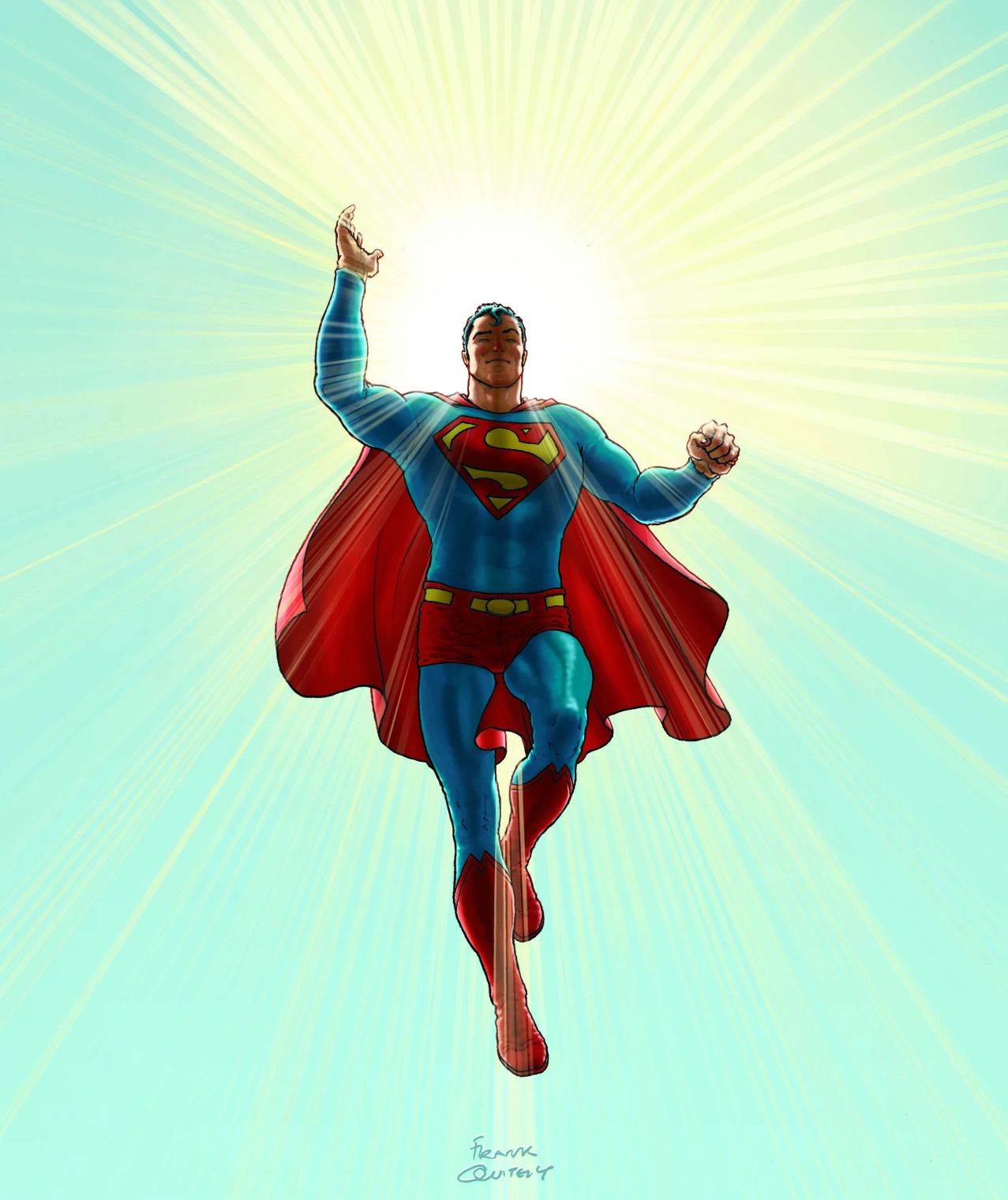
All‑Star Superman is a 12-issue limited series written by Grant Morrison and illustrated by Frank Quitely. In the opening sequence, Kal‑El flies into the sun to rescue a scientific expedition. Meanwhile, Lois Lane begins writing the rescue story for The Daily Planet before the entire arc plays out. The comic presents Superman as overexposed to Earth’s sun and dying, yet still able to perform a series of major heroic feats commonly referred to as the Twelve Labors of Superman. For further reference, see the list of those labors on the Turner Heroes site.

The story includes a notable exchange between Superman and his Kryptonian father, Jor‑El, in which Jor‑El tells him: “Your work is done. You have shown them the face of the man of tomorrow. You have given them an ideal to aspire to, embodied their highest aspirations. They will race, and stumble, and fall, and crawl, and curse… and finally… they will join you in the sun, Kal‑El.”
James Gunn’s Superman: key facts
James Gunn’s film draws from several Superman sources, and the director has publicly named All‑Star Superman as a primary influence. In the movie, the story shows Kal‑El losing his first major fight early in the film and then struggling against multiple opponents later on. The film includes a plotline in which Kal‑El’s Kryptonian parents are revealed to have intended a different role for him — namely, a plan that would have kept humanity under Kryptonian influence. On screen, Superman later tells Lex Luthor: “That is where you’ve always been wrong about me, Lex. I am as human as anyone.”

How the portrayals differ — concrete comparisons
First, power and scale: Morrison’s All‑Star presents Superman as near‑godlike even while dying, and it leans into that scale across several episodes of the limited series. By contrast, Gunn’s film depicts scenes where Superman struggles with opponents that are not depicted as cosmic‑level threats in the comic context. For broader context on how Superman’s powers have been shown across decades, there are compilations of his feats available on CBR.

Second, origin and identity: in All‑Star, Morrison frames Superman’s role as an alien who acts as an ideal for humanity — that idea is voiced by Jor‑El rather than by human guardians. Meanwhile, Gunn’s film explicitly explores Kal‑El’s human upbringing and includes the on‑screen decision where Kal‑El embraces his human ties; the film makes that human identification a plot point, culminating in the line quoted above to Lex Luthor.
Relevant external references
For the statements cited in this article:
- The GamesRadar press event where Gunn referenced All‑Star Superman: press event earlier this year.
- Background on Superman’s many comic feats: piling up astonishing feats.
- Information on the Twelve Labors as presented in fan summaries: Twelve Labors of Superman.
Finally, one short line from All‑Star that appears near the end of that limited series and is often cited by readers: “That’s more than you ever needed.”