K-Pop Demon Hunters and Astroworld Doc: Netflix’s Surprising Hits Both Expose the Dark Side of Fandom
Two new hits are taking over Netflix — and, believe it or not, they have a lot in common. K-Pop Demon Hunters and Trainwreck: The Astroworld Tragedy might look like total opposites at first glance, but both tackle the dark side of fandom culture and celebrity obsession. If you’re looking for a binge-worthy double feature that’s as entertaining as it is thought-provoking, you’ll want to check these out.
- K-Pop Demon Hunters is an animated fantasy about a girl group fighting demons and stardom
- Trainwreck: The Astroworld Tragedy is a documentary about the real-life concert disaster at Travis Scott’s show
- Both explore the power (and dangers) of fandom and celebrity culture
- Spotlight on how industries use fan obsession for profit
K-Pop Demon Hunters: Animated Pop, Demons & Fame
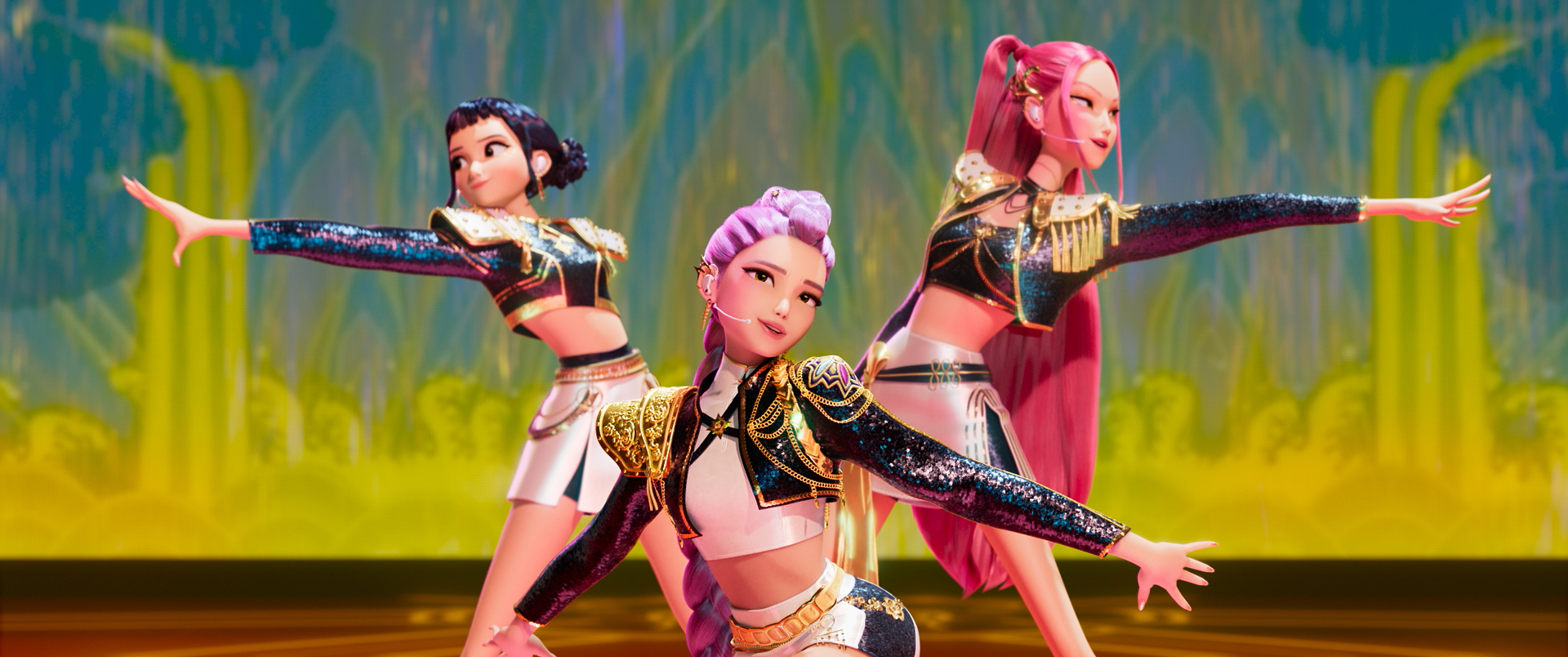
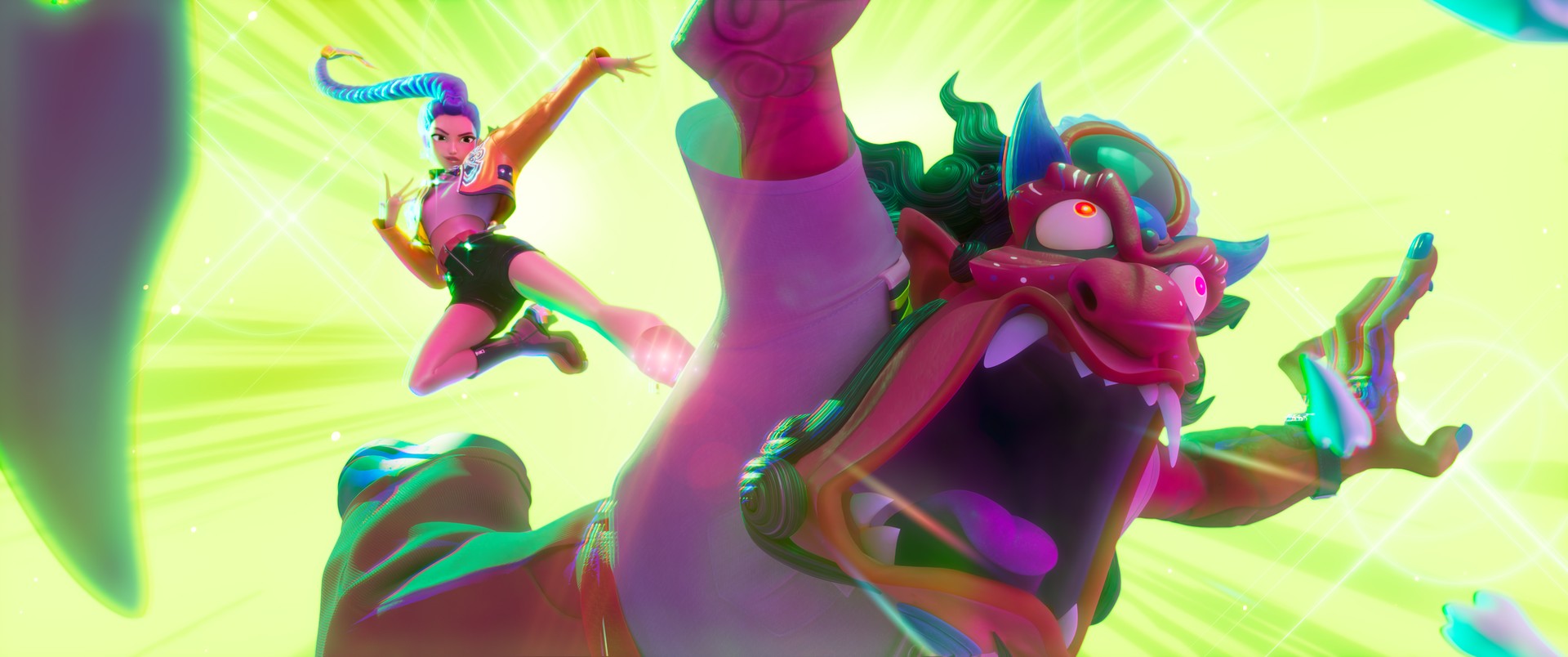
Let’s start with K-Pop Demon Hunters. This wild, vibrant CG-animated film follows Huntrix, a global K-pop girl group who aren’t just topping charts — they’re also legendary demon slayers. Their music isn’t just catchy; it’s literally the force keeping soul-stealing monsters locked away behind a magical barrier called Honmoon. The twist? Rumi, their lead singer, is secretly half-demon herself and fears her secret will come out as she starts losing her voice after a huge tour. Meanwhile, the villainous demon king Gwi-Ma has his own plan: create a rival K-pop boy band to steal fan energy and break the barrier.
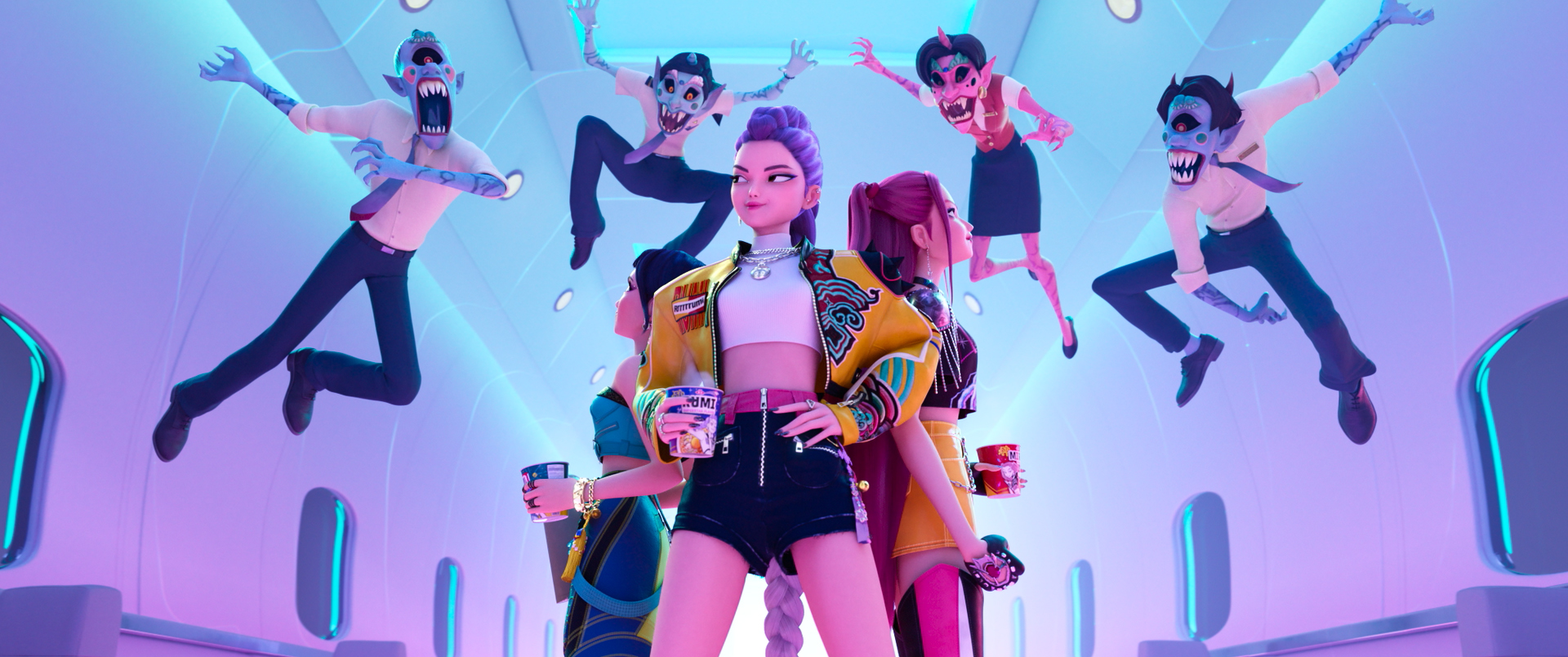
The movie opens with a bang: Huntrix fighting a demon on their private jet, transforming the chaos into a full-blown musical number with skydiving and on-stage action. K-Pop Demon Hunters isn’t just about flashy visuals and high-energy music — the story is all about acceptance, personal identity, and the pressures of fame. Sure, there are maybe a couple too many songs, but the mix of comedy, action, and heart really works.
Digging deeper, the film is a clever look at idol worship and the way the entertainment industry manufactures obsession. Every livestream, every merch drop, every behind-the-scenes moment is designed to make fans feel closer to their idols — but it’s all carefully controlled. The more emotionally invested the fans are, the more powerful (and profitable) the idols become. The metaphor of the Golden Honmoon barrier is spot-on: it’s all about controlling fan love and turning it into power.
Trainwreck: The Astroworld Tragedy — When Fandom Turns Deadly
On the flip side, Trainwreck: The Astroworld Tragedy is a hard-hitting documentary that dives into the tragic events at Travis Scott’s 2021 Astroworld Festival. Through first-hand accounts from survivors, security, and first responders, it uncovers what really happened during the deadly crowd crush that claimed ten lives and left many more injured. The doc pulls no punches, showing how the relentless pursuit of hype and profit by organizers like Live Nation and Scott himself set the stage for disaster.
Instead of using fantasy, this documentary shows the real-world impact of putting profit and hype above people. There’s a chilling moment where, even after reports of people being crushed, the show continues for 45 more minutes — all because the hype (and money) was just too big to stop, especially once Drake joined Scott on stage. One survivor puts it bluntly: “It felt like a horror movie, Travis just kept playing.”
After the tragedy, blame was tossed around — Travis Scott blamed Live Nation, Live Nation pointed to city officials, and in the end, no one faced real legal consequences (outside of a few settlements). What’s wild is that just a few years later, Scott and Live Nation put on another record-breaking tour, making even more money than before (highest-grossing solo rap tour in history).
What Connects These Two?
At their core, both K-Pop Demon Hunters and Trainwreck: The Astroworld Tragedy are about how the entertainment industry thrives on fan mania. Whether it’s animated idols fighting for fan love or real-life artists pushing hype to dangerous extremes, both titles reveal how easily devotion can be exploited — and how fans’ well-being is often an afterthought.
Want to see for yourself? Both are streaming now and climbing Netflix’s most-watched charts. Whether you’re in the mood for an action-packed pop fantasy or a gripping documentary, these two offer plenty to think about.