Keith Ammann’s Making Enemies Teaches GMs How to Design Monsters That Actually Matter
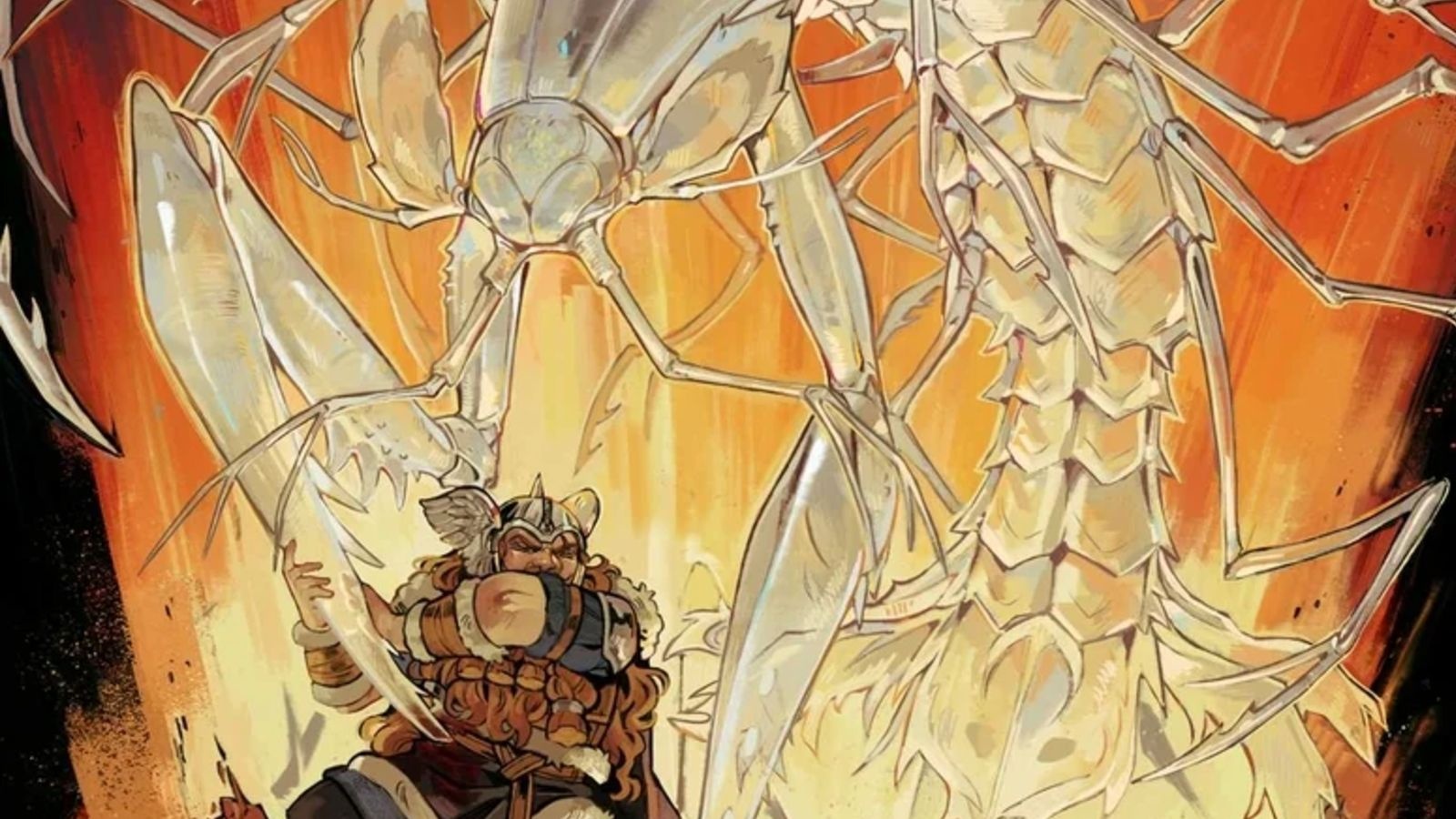
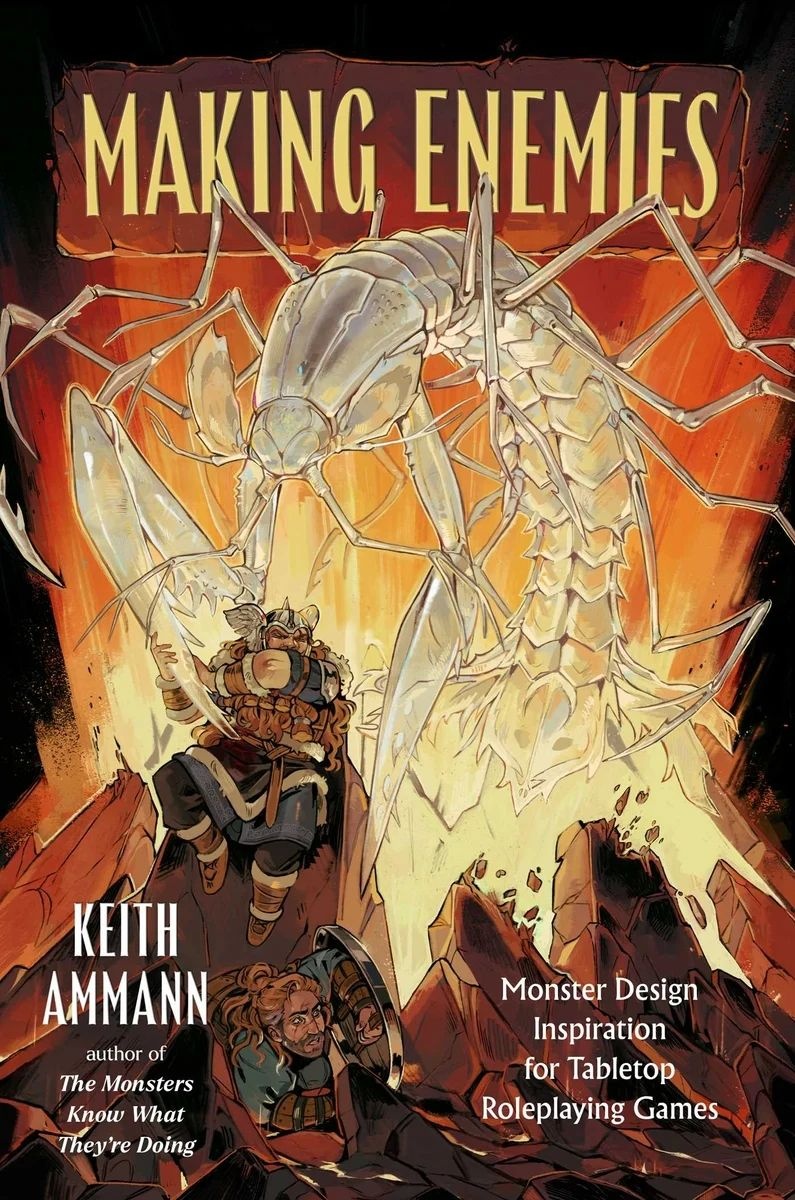
Keith Ammann has a new book called Making Enemies, a practical guide that teaches game masters and designers how to build memorable monsters for tabletop role-playing games. The book follows Ammann’s years of work on monster tactics and lairs, and it is out now in bookstores.
- Making Enemies — overview
- Key chapters and topics
- Examples and system support
- Design approach and philosophy
- Who should read it
- Availability and links
Making Enemies — overview
Making Enemies is a step-by-step book that shows how to design monsters that do more than just take hit points. Keith Ammann is the author behind the long-running blog The Monsters Know What They Are Doing, and he previously published The Monsters Know What They’re Doing: Combat Tactics for Dungeon Masters as well as How to Defend Your Lair. In Making Enemies, Ammann moves from reverse-engineering monsters to showing how to build them from scratch, with concrete rules, examples, and design checklists.
Key chapters and topics
The book is organized into focused chapters that cover both theory and practice. For example:
- Chapter 1: “Monster Parameters” — sets up what a monster is and which mechanical levers matter.
- Chapter 2: “Weird Nature” — uses real-world biology to inspire creature traits.
- Chapter 4: “Monster Stunts” — shows how to build combo attacks and interesting actions.
- Chapter 5: “Phased Monsters” — discusses multi-stage encounters, a mechanic familiar from video games.
- Chapter 9: “Customizing For Your Campaign” — includes charts to tailor monsters to different player classes and systems.
Examples and system support
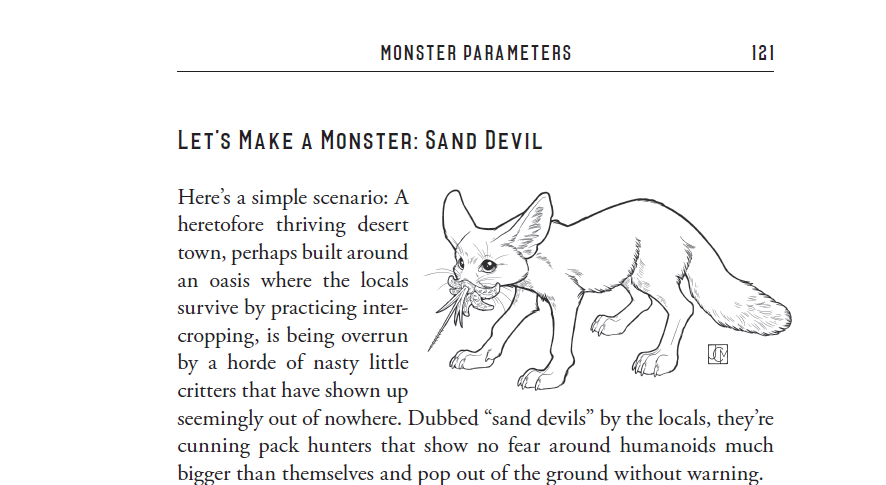
Each chapter ends with a practical “Let’s Make a Monster” section. Ammann applies the lessons using multiple rule systems so readers can see direct translations.
Specifically, the book provides examples and conversion notes for D&D, Pathfinder, Shadowdark, Cypher System, and even Call of Cthulhu. Thus, the advice is not limited to one ruleset and can be adapted across play styles.
Design approach and philosophy
Ammann pairs practical design tools with questions about what monsters mean in a setting. For instance, he highlights the challenge of portraying humanoid nonhuman peoples without reducing them to stereotypes. As Ammann writes, “The difficulty is, in fantasy or science fiction settings containing sapient nonhuman peoples, some bioessentialism is unavoidable if you want those peoples to be anything other than unusual-looking humans,” and he advises mitigations such as adding variation within and between those peoples.
He also stresses a core takeaway: “Make it memorable.” In other words, every monster should have a reason to exist in the story — to challenge, to surprise, to serve as metaphor, or just to enable fun gameplay.
Who should read it
The book is aimed at GMs and designers who want concrete, repeatable methods for creating encounters. Moreover, because Ammann includes cross-system examples and class-specific counters, the book is useful for GMs running a variety of systems or for groups trying to balance party spotlight during play.
In addition, Making Enemies features conversations with other designers, such as Mike Mason, James Mendez Hodes, Banana Chan, Chris S. Sims, Willy Abeel, and Kelsey Dionne, which provides extra perspectives on monster design.
Availability and links
Making Enemies is out now in bookstores. For more details, you can find the book at the publisher’s page: Making Enemies. For background on Ammann’s earlier work, see his blog The Monsters Know What They Are Doing and his earlier book The Monsters Know What They’re Doing.