Ken Levine’s Judas Lets Your Choices Pick the Villain — A New Spin on Shadow of Mordor’s Nemesis
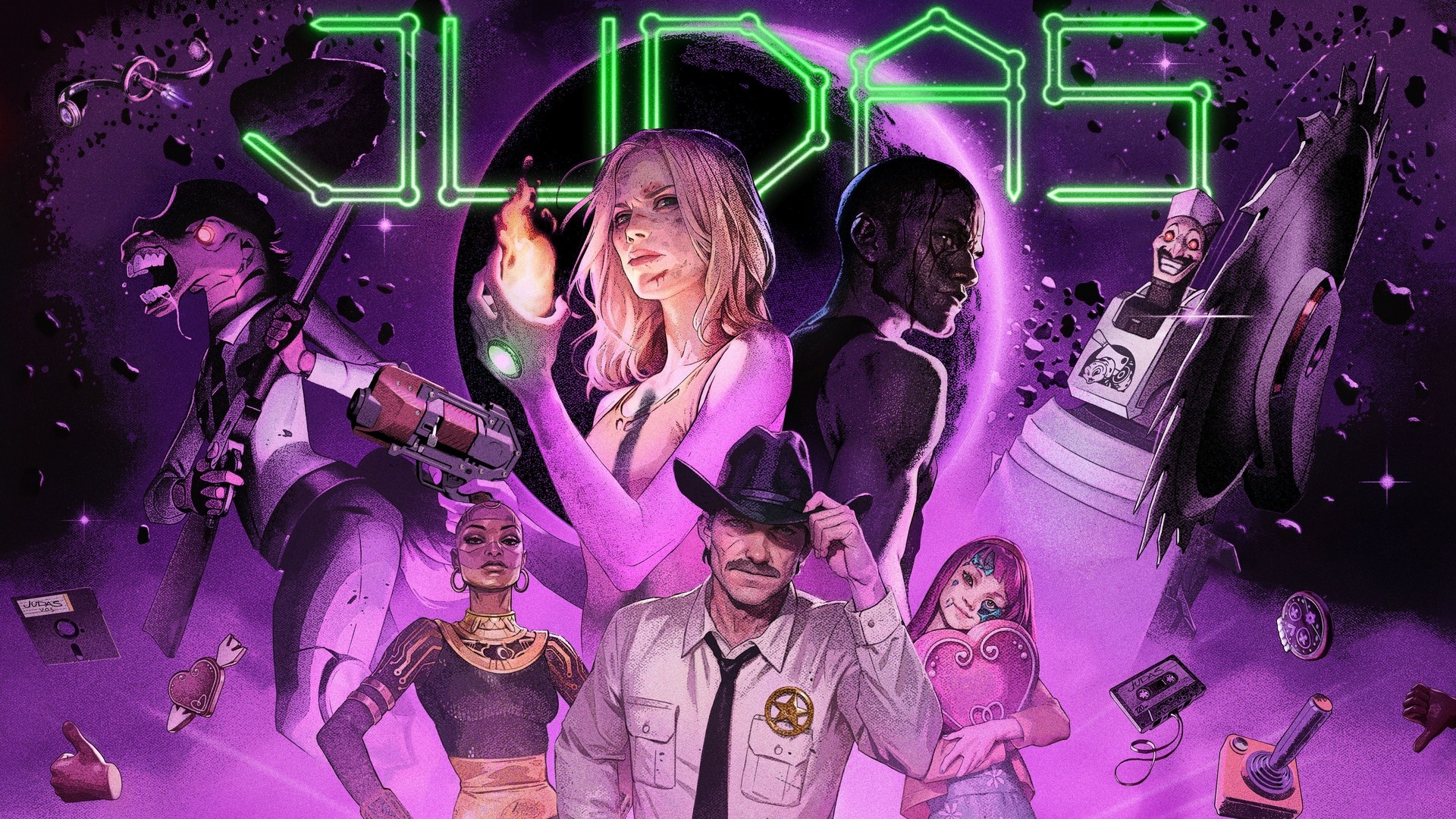
Ken Levine and Ghost Story Games have posted a fresh update on Judas, and the studio described a new system that picks the game’s main villain based on player actions — a design Levine compared to the nemesis system from Shadow of Mordor. The update also notes the original nemesis idea is covered by a patent, and Judas remains without a release date after a long development period that began around 2017.
- How this relates to Shadow of Mordor’s nemesis patent
- Development status and timeline
- Sources and further reading
What the new “villainy” system does
Ghost Story Games described Judas as a first-person shooter that emphasizes player agency. According to the studio, the game will determine who the main antagonist is based on the player’s interactions with several key characters, rather than choosing a single pre-set villain.
The studio says there are three main candidates for the role of villain. The game tracks how much time you spend with each candidate and how you treat them. The chosen villain will then deploy a unique set of powers and responses that reflect those earlier interactions.
In Judas, you’re going to get to know these characters intimately. We want losing one of them to feel like losing a friend. We want to play with that dynamic, and we want that choice to be super hard. The Big 3 are all going to be competing for your favor and attention. They can bribe you, save you in battle, talk shit about the other characters, and share with you their darkest secrets. But eventually, you’ve got to decide who you trust and who you don’t.
How this relates to Shadow of Mordor’s nemesis patent
Levine explicitly referenced Monolith’s Shadow of Mordor when explaining Judas’ approach. Shadow of Mordor is known for a nemesis system that let enemies remember and evolve after encounters.
However, the original nemesis system is subject to a patent, and Levine noted that fact while explaining Judas’ different implementation. As a result, Judas’ villain selection is framed as a distinct system that reacts to player choice rather than a literal recreation of Monolith’s patented mechanic.
Development status and timeline
Judas entered development around 2017. Ghost Story Games has said the long development reflects a focus on building systems that respond to player behavior rather than relying on fixed narrative devices like cutscenes.
Levine and the studio have shared only limited footage and details. As of the latest update, Judas does not have a release date; Levine wrote that the team wants to avoid announcing a date they may later have to change, and that the game will be complete once players can actually play it.
Sources
More details on how Judas determines its villain can be found on this PlayStation Blog post.
Context on BioShock’s future and publisher-side developments is summarized in an Engadget article linked by the studio’s update.
Key facts: Judas is in development at Ghost Story Games, began around 2017, features a system that assigns a villain based on player actions, references but does not replicate Shadow of Mordor’s patented nemesis system, and has no announced release date.