Little Nightmares 3 Is Visually Stunning — But Its Darkness and Clunky Controls Make It a Nightmare to Play
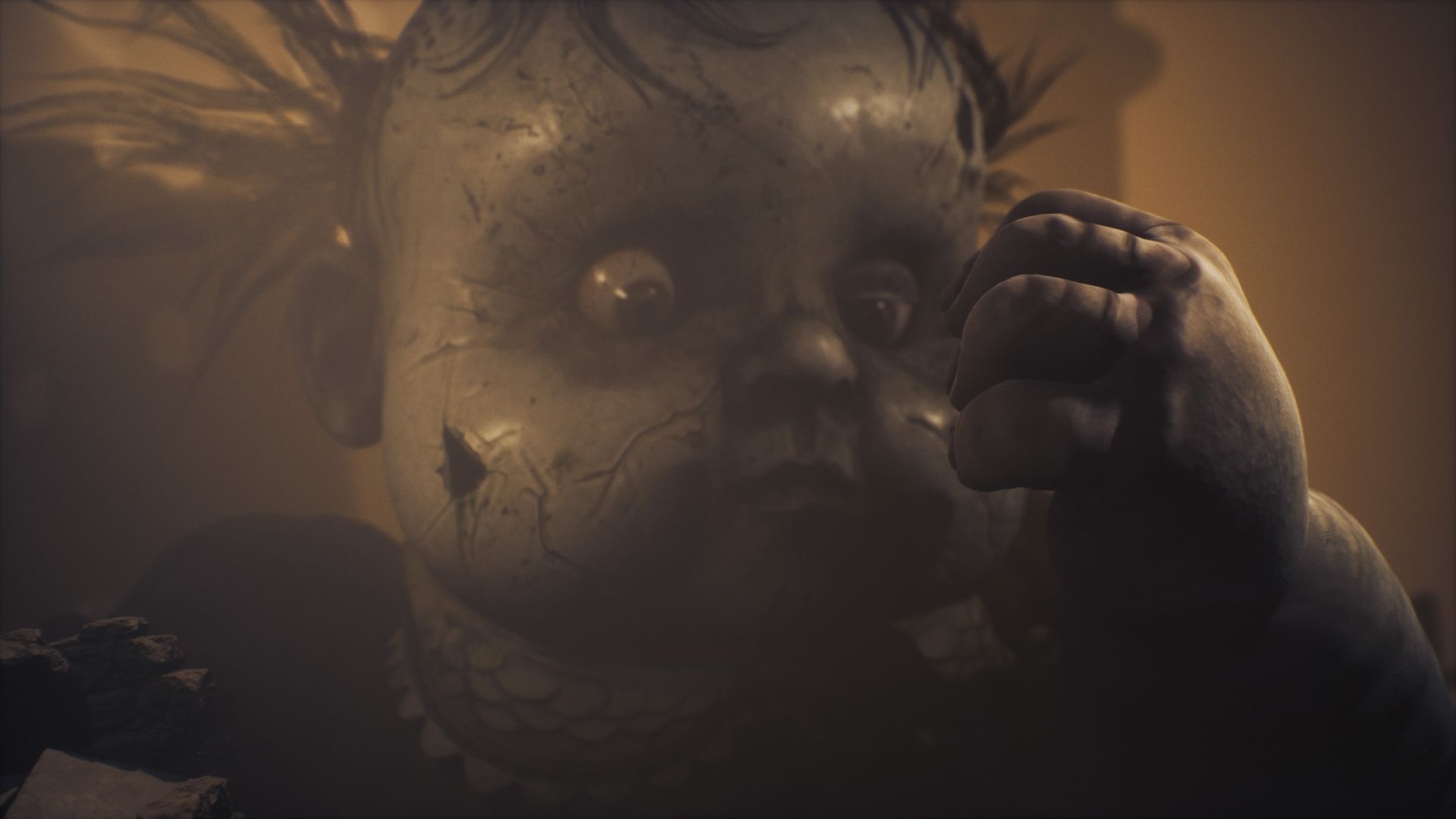
Little Nightmares 3, developed by Supermassive Games, aims for a spooky, puzzle-driven experience but includes several concrete gameplay and design elements that affect how it plays on consoles like the PlayStation 5.
- Visibility and visual design
- Gameplay and controls
- Puzzles and companion behaviour
- Accessibility and options
- Multiplayer and co-op
- Tone and audio
Visibility and visual design
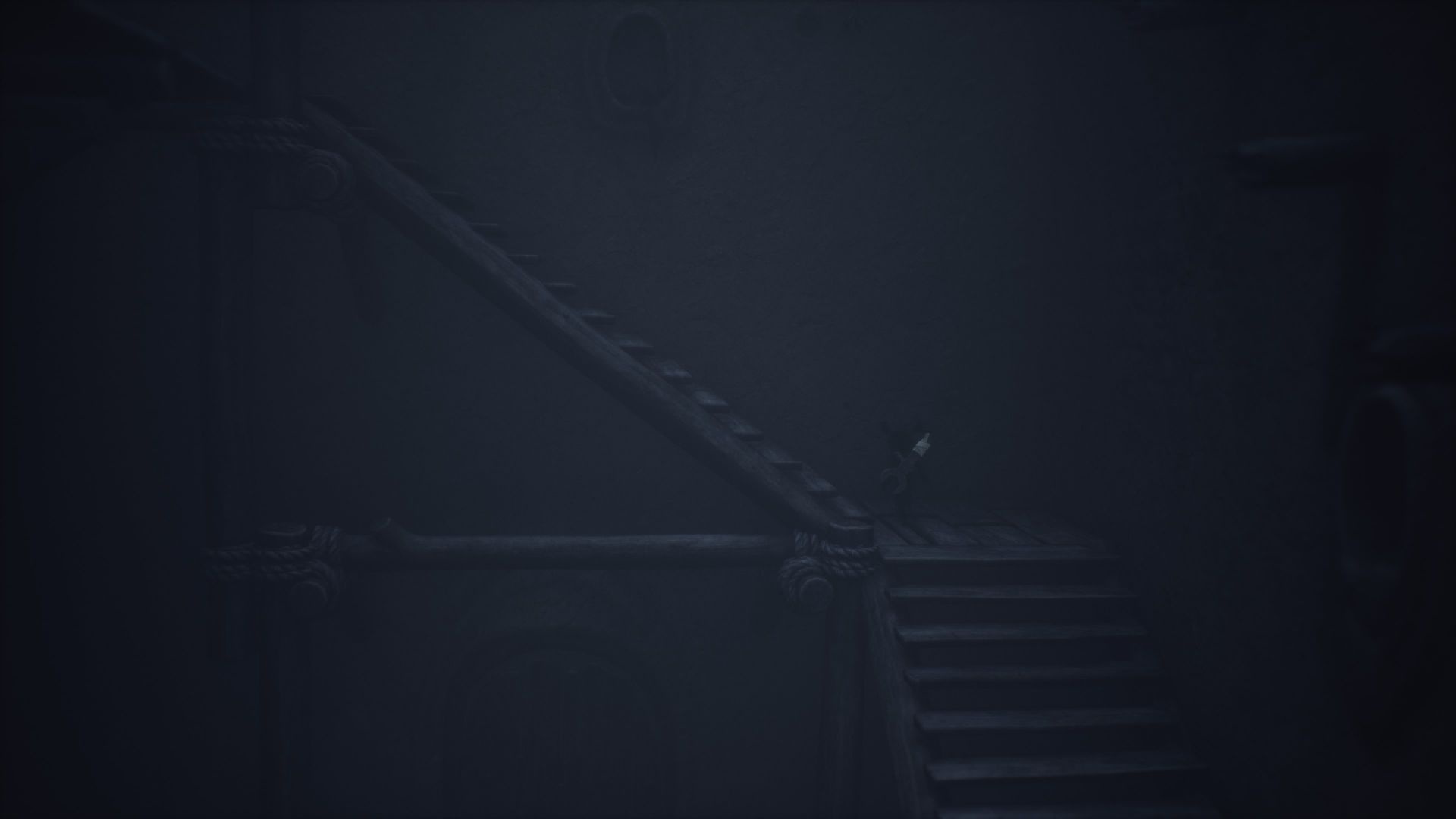
The game uses a 2.5D perspective: movement is mostly along a horizontal plane, with the ability to move closer to or further from the camera. Environments and set pieces are visually detailed, but the game’s lighting is very dark by default, which can make objects and ledges difficult to see even with increased brightness settings. Consequently, judging distances to platforms and spotting smaller enemies can be challenging for players.
Gameplay and controls
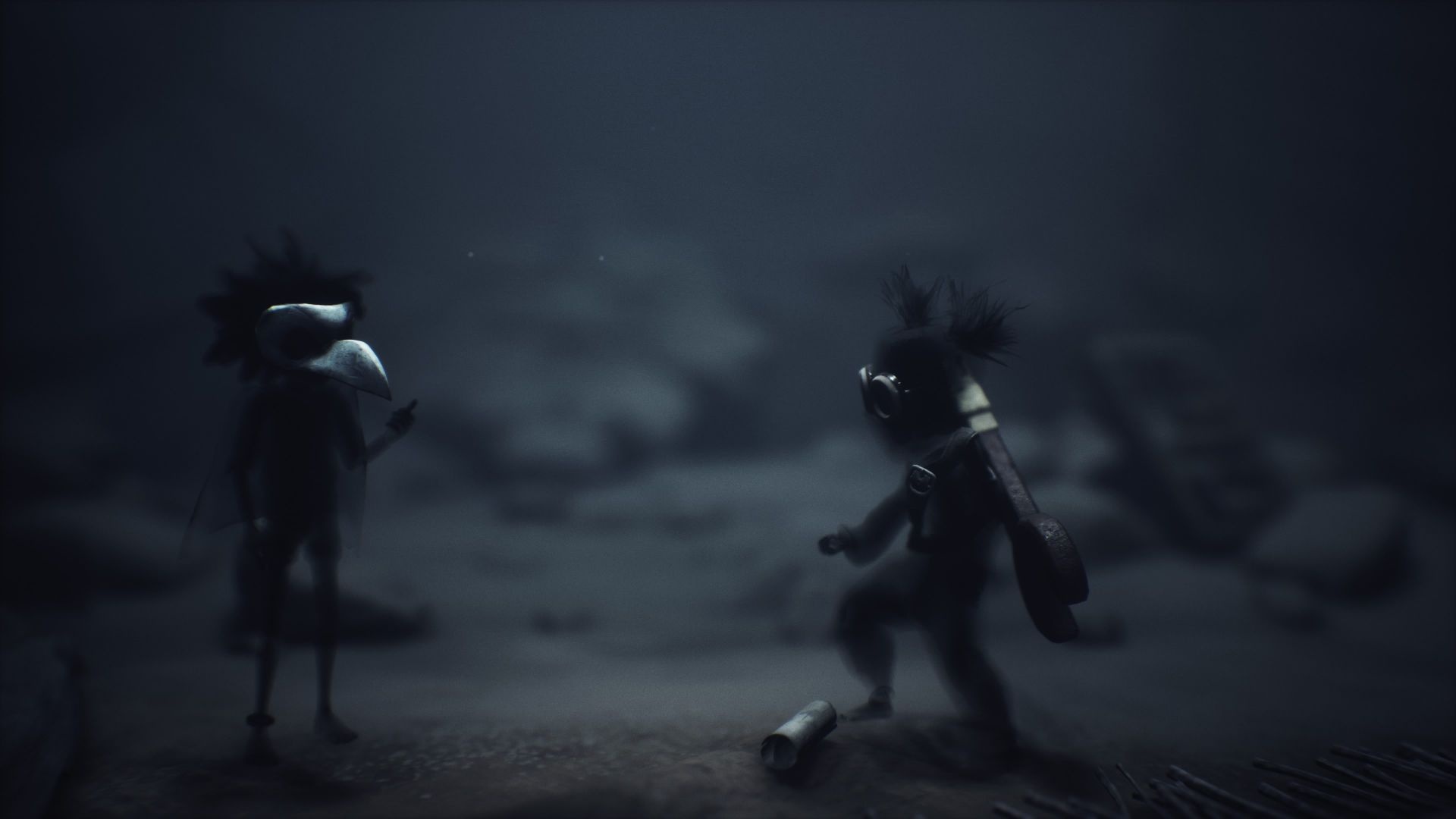
One playable character, Low, wields a wrench and must get close to enemies to land hits; attacks can miss if the player is not essentially touching the target. Enemies can deal lethal damage quickly in many situations.
Traversal includes a floating mechanic using an umbrella to drift upward over air vents. The game also includes a handheld flashlight that players obtain around the midway point of the campaign. After acquiring the flashlight, some players may use it more than other traversal tools.
Platforming and camera
Because of the camera angle and low lighting, it can be difficult to tell where the player stands in relation to platform edges. This has led to falls that are sometimes lethal. The combination of narrow hit windows for attacks and one-hit threats from enemies can make close-quarters encounters unforgiving.
Puzzles and companion behaviour
Puzzles typically involve interacting with environmental objects such as cranks, platforms, and items to pick up or throw. Some puzzles require cooperation between the two protagonists, but the AI companion may not always act immediately, which affects timing-based solutions. Collectible dolls exist in levels, but they do not appear to be tracked in an on-screen inventory or codex.
Accessibility and options
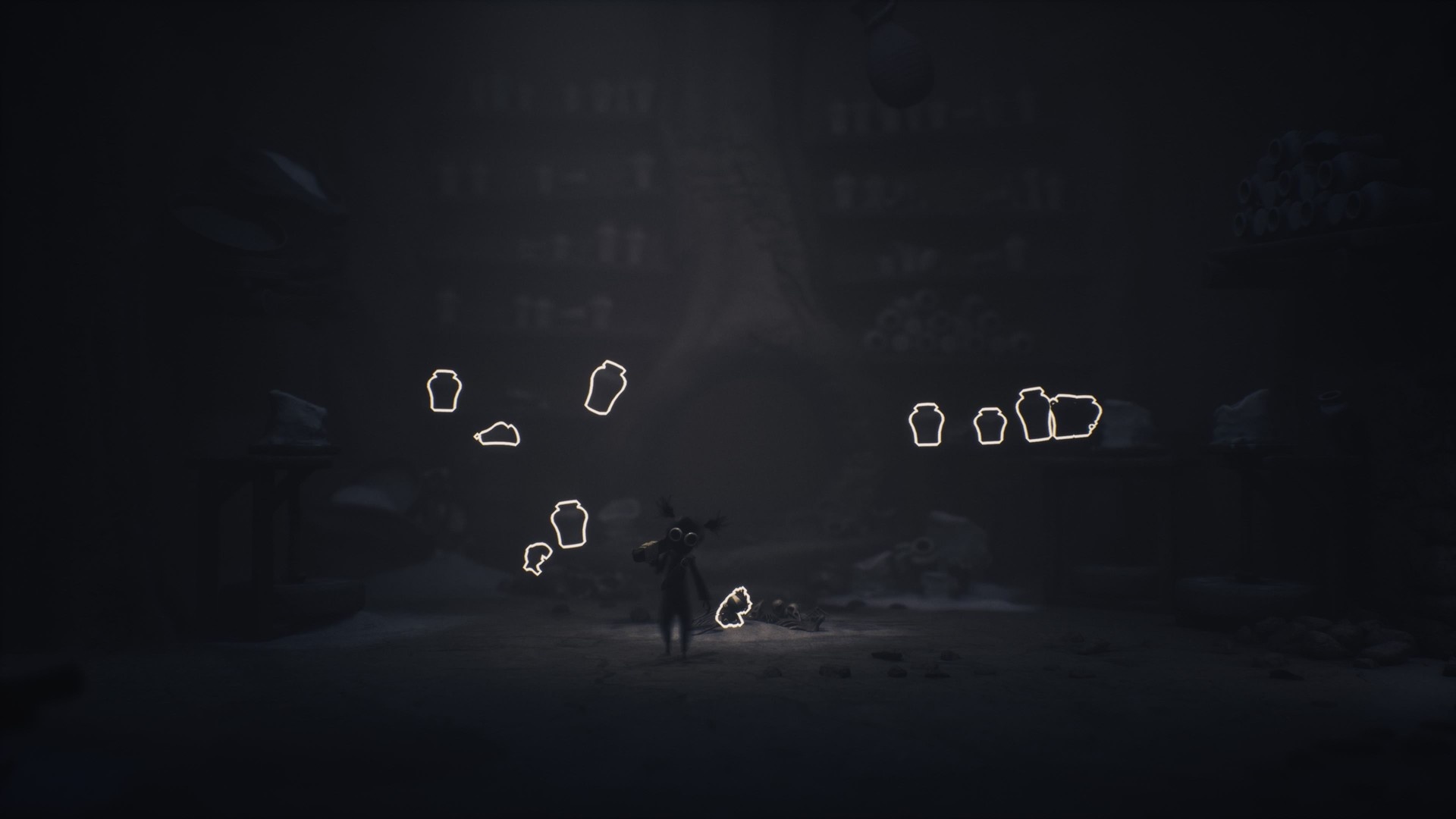
The game includes a range of accessibility features. Among them are object outlines/highlights to mark interactable items, adjustable brightness, and an option to change the game’s signature font to a more readable alternative. These options are available through the accessibility menu and can be toggled to assist visibility and readability.
Multiplayer and co-op
Little Nightmares 3 supports online multiplayer, allowing two players to control the protagonists together over the internet. However, the game does not include local couch co-op, so a second player on the same console cannot replace the AI companion.
Tone and audio
The title screen features a subdued, atmospheric musical score and the game leans on darkness and atmosphere for tone rather than jump scares. Earlier franchise entries used different tension mechanics, but this installment emphasizes low-light environments as a primary mood-setting tool.
Overall, Little Nightmares 3 combines dark visual design, close-proximity combat, cooperative puzzle elements, and a suite of accessibility tools. Players should note the lack of couch co-op, the heavy reliance on lighting for atmosphere, and that some traversal and timing mechanics demand precise positioning.