Mafia: The Old Country’s Overpowered Hero vs. Kingdom Come’s Slow-Burn Protagonist — Which Feels Realer?
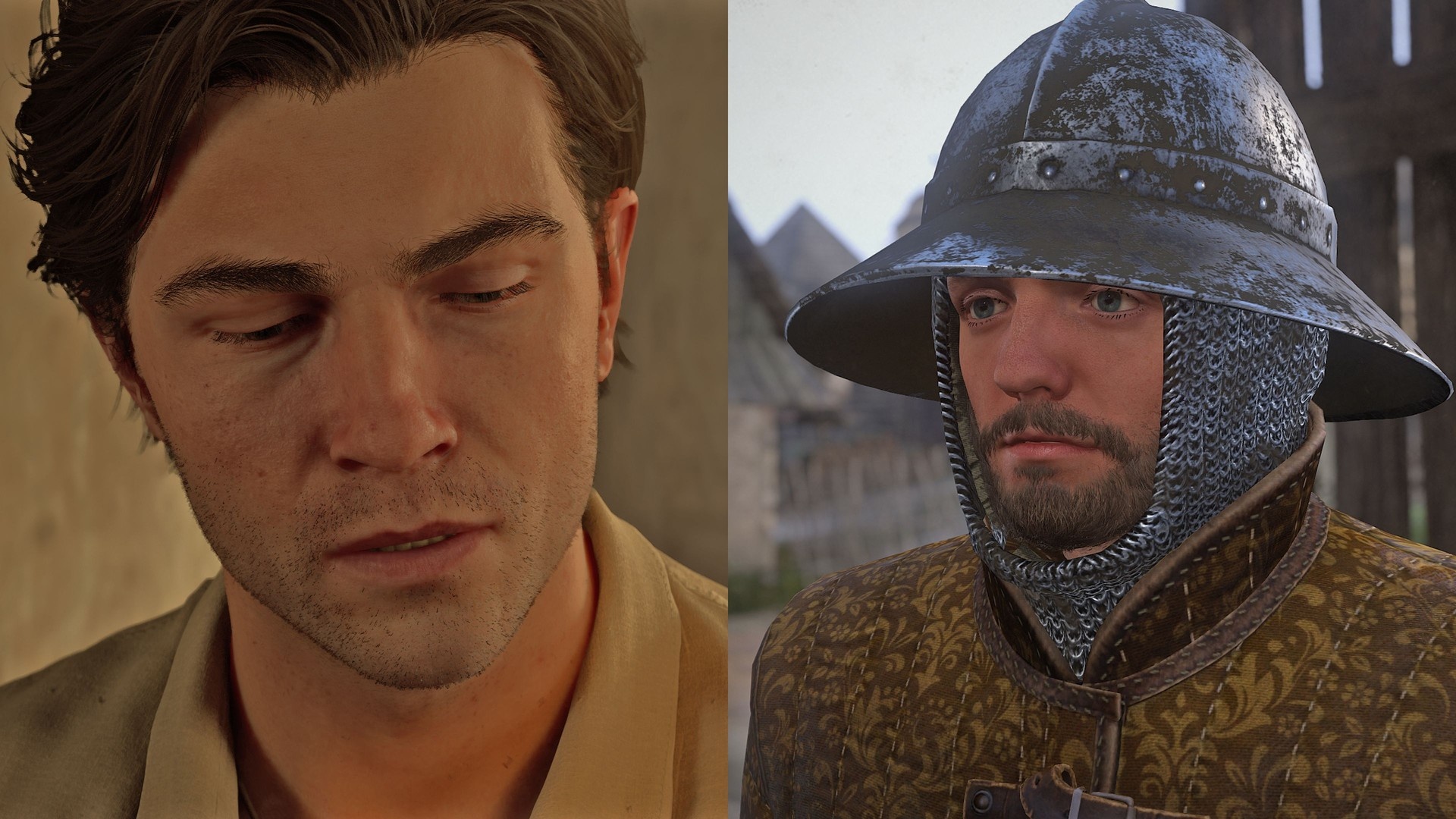
Both Mafia: The Old Country and Kingdom Come: Deliverance open with young protagonists pushed into violent, historical worlds, but they handle early character development very differently. In Mafia: The Old Country, Enzo Favara moves from the sulfur mines into the mafia and quickly shows broad competence. By contrast, Kingdom Come: Deliverance’s Henry starts weak and gains skills more slowly over time.
- Both protagonists begin with traumatic disruptions to their youth.
- Enzo Favara in Mafia: The Old Country quickly displays strong combat, driving, and practical skills.
- Henry of Skalitz in Kingdom Come: Deliverance begins illiterate, inexperienced in combat, and improves gradually.
- The two games therefore create different feelings of progression and realism for players.
Shared setup: trauma and a historical setting
Both games place players in single-character, narrative-driven adventures set in historically inspired Europe. In Mafia: The Old Country, Enzo was sold into Sicilian sulfur mines as a child and later escapes. In Kingdom Come: Deliverance, Henry is the son of a blacksmith whose village is sacked, forcing him into a violent world.
Enzo’s rapid competence in Mafia
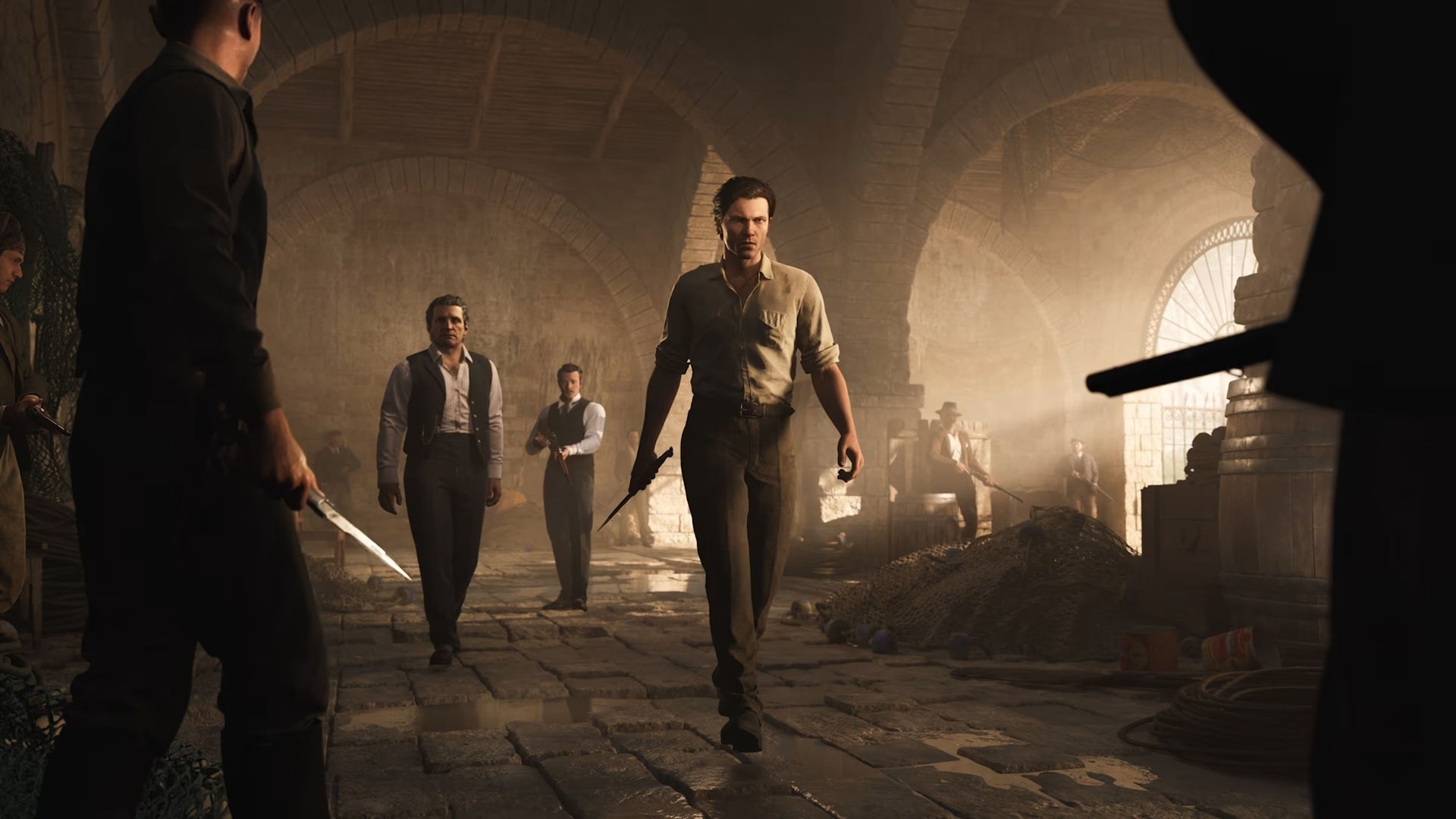
Shortly after arriving in mafia circles, Enzo demonstrates unexpected abilities across multiple domains. He holds his own in a knife fight against a seasoned mafioso, performs effective stealth takedowns, and handles firearms situations successfully. Moreover, he steps in as a replacement jockey at the Palio di San Celeste horse race and wins, and later wins a car race. He also repairs or starts vehicles and reads well despite his childhood in the mines.
Henry’s gradual progression in Kingdom Come
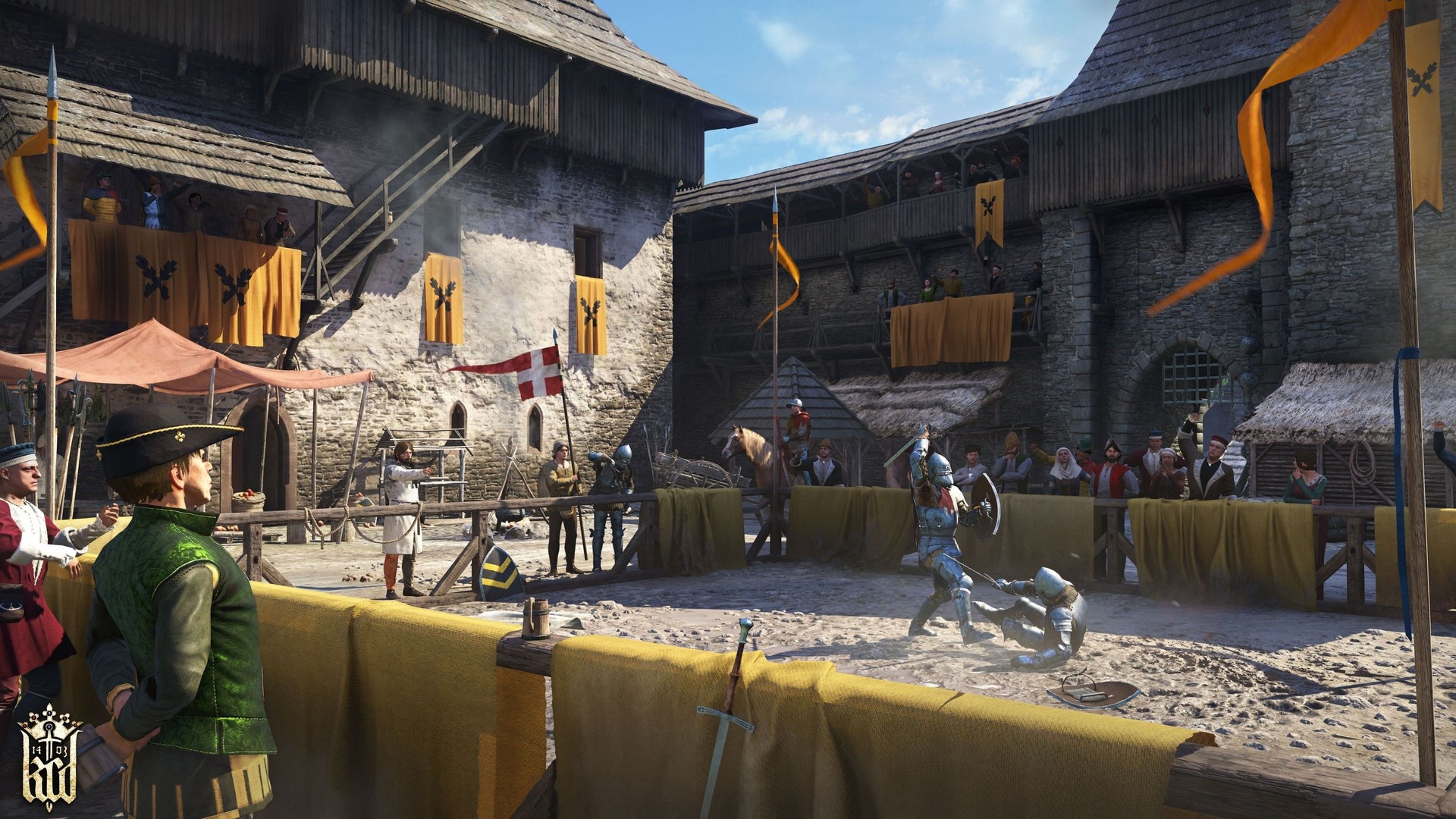
Henry begins the game with limited skills. He is initially poor at swordfighting, cannot read, and lacks social polish. Over the course of Kingdom Come: Deliverance, players can train Henry in reading, fighting, speech, and other skills, but this improvement is deliberate and takes time. Consequently, early-game encounters frequently punish inexperienced play and encourage learning and preparedness.
Narrative and emotional consequences
Both protagonists experience early trauma: Enzo loses friends to harsh conditions in the mines, and Henry has family and village taken from him. However, the two games portray emotional aftermath differently. Henry’s story includes repeated references to the destruction of his home and visible effects on his behavior and choices. In Mafia, Enzo quickly adapts to his new life in the mafia and appears to integrate into that setting with less emphasis on lingering trauma.

Why this matters for players
Because Enzo arrives with broad capability, players experience less early-game struggle and fewer failures that teach mechanics through consequence. In contrast, Henry’s slower skill curve produces early setbacks that force careful play and deliberate progression. Therefore, the two designs produce different feelings of realism and achievement: one emphasizes immediate competence, while the other emphasizes gradual growth.
Conclusion
In short, both games start from similar historical premises and traumatic origins, but they diverge in how they portray a protagonist’s early abilities. Mafia: The Old Country presents an immediately competent lead in Enzo Favara, while Kingdom Come: Deliverance gives Henry a slower, more measurable arc of skill gain. As a result, players will encounter different pacing, learning curves, and emotional tones depending on which game they play.