Meet Donkey Kong: Nintendo’s New Working-Class Hero Stealing the Spotlight from Mario
Sorry, Mario: Nintendo Introduces a New Working-Class Hero in Donkey Kong Bananza
Mario might have climbed the social ladder in the Mushroom Kingdom, but Nintendo’s latest game, Donkey Kong Bananza, shines a spotlight on a different kind of hero—one who’s all about the working class. Unlike Mario, who’s left his plumber days behind for a royal lifestyle with Princess Peach, Donkey Kong takes center stage as a symbol of solidarity and fair workplace values.
- Donkey Kong Bananza highlights themes of workplace fairness and community.
- Game layers showcase egalitarian societies with workers valuing safety and self-care.
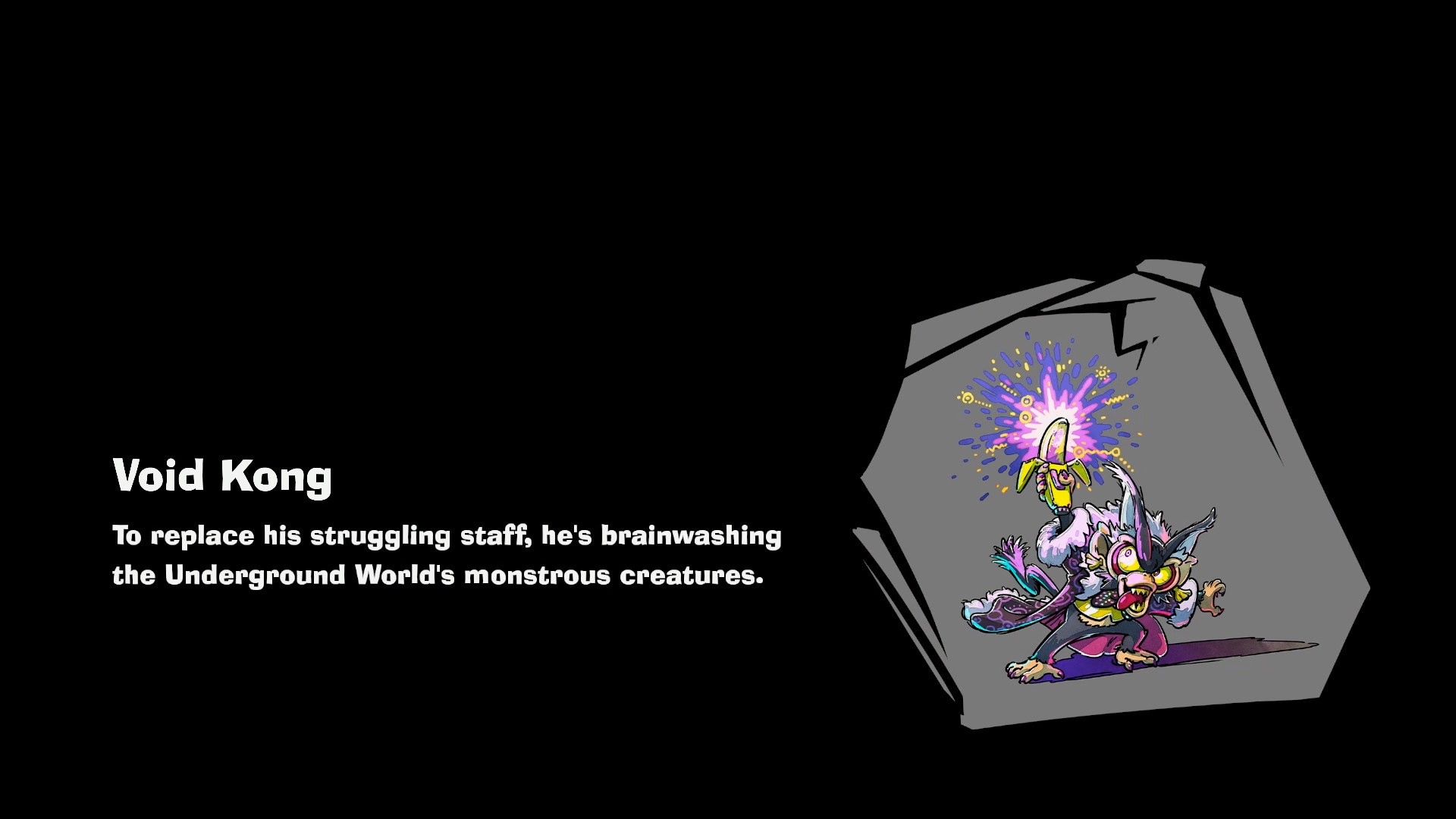
- Villain Void Kong represents greed and selfishness, contrasting with Donkey Kong’s world.
- The story promotes directing anger at the root causes, not the workers affected.
From Plumber to Royalty—Mario’s Class Shift
After becoming super, Mario seems to have left his working-class roots behind. He and his brother Luigi are comfortably set for life, enjoying their roles as favorites in the royal circles of the Mushroom Kingdom. This shift has left some fans disappointed, especially following controversies like the Toadette debacle, where issues around union-busting came to light.
Donkey Kong Bananza: A Different Kind of Hero
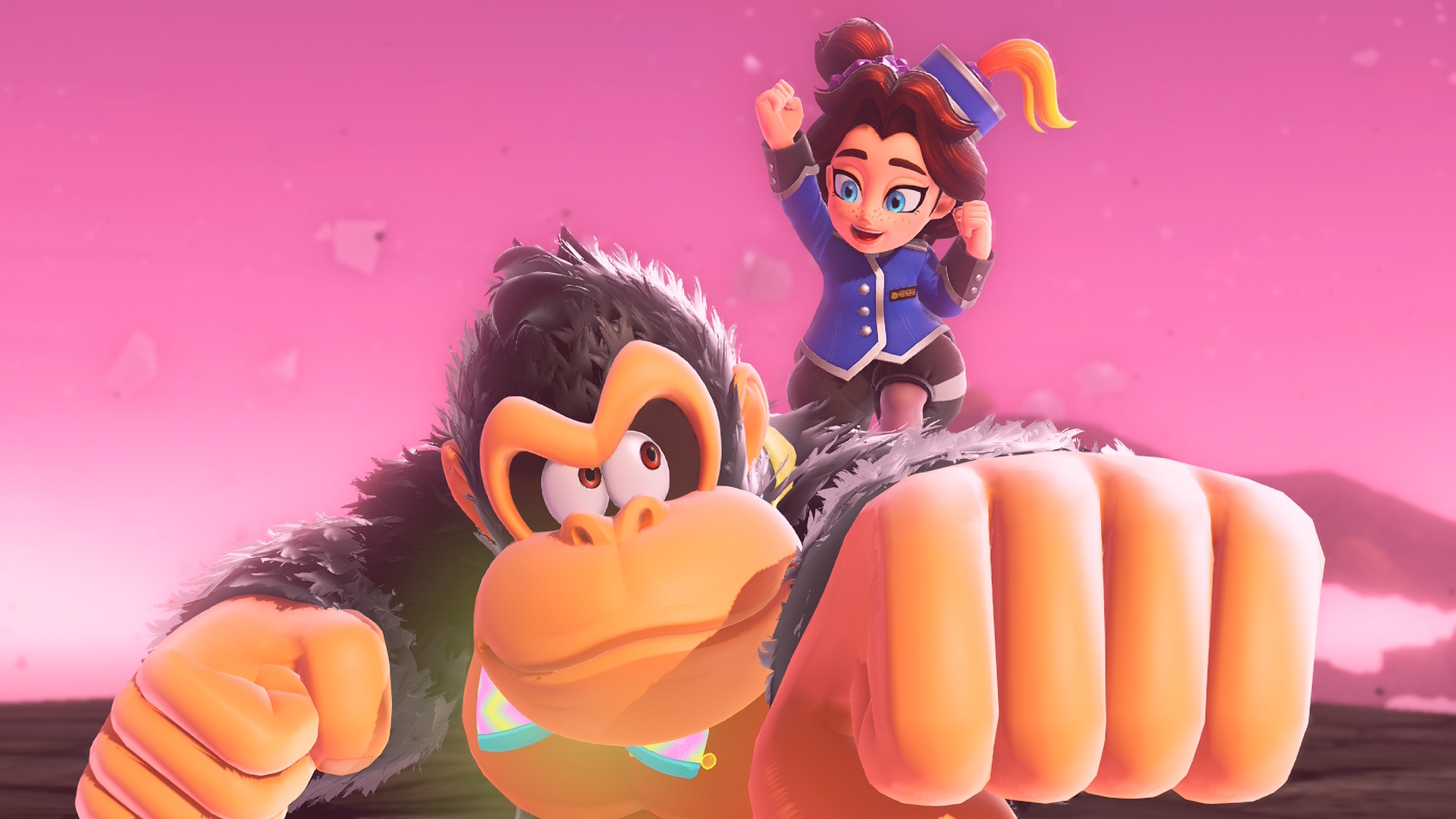
Enter Donkey Kong, the star of Donkey Kong Bananza. Though he mostly just eats bananas and punches rocks, the real story lies beneath the surface—in the underground worlds he explores. These settings reveal a society built on fairness, safety, and community care.
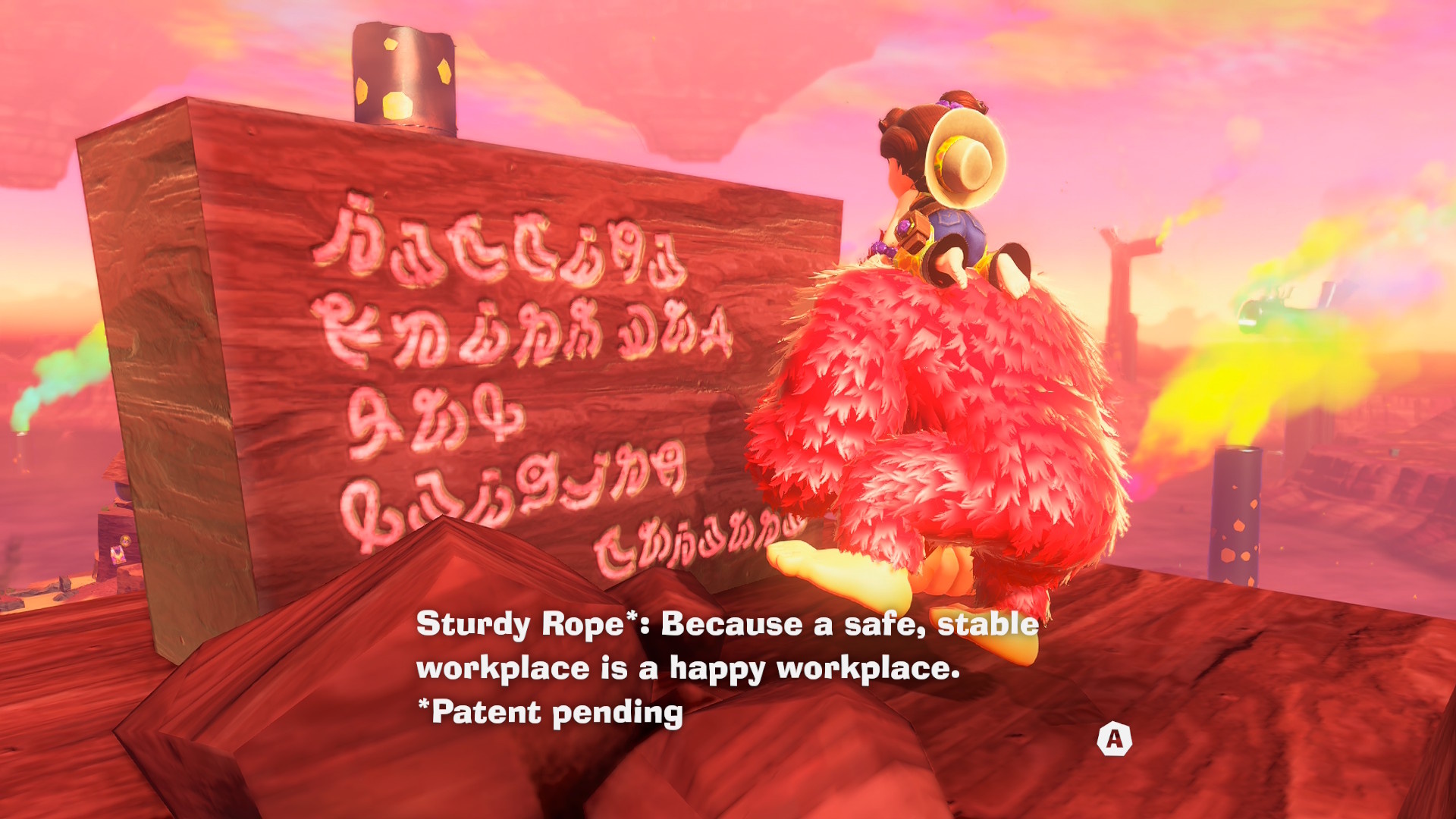
Early in the game, the Canyon Layer features a stone slab from the Sturdy Rope company, sharing a simple but powerful message: “Sturdy Rope: Because a safe, stable workplace is a happy workplace.” This kind of messaging runs throughout the game, emphasizing the importance of workplace safety and stability.
Community and Care in Every Layer
The Forest Layer’s Eggshell Hotel and its village include reminders for workers to take care of themselves to provide the best service. Even characters like Poppy Kong refuse to work overtime without fair pay, highlighting workers’ rights in the narrative. One loading screen text advises players to focus their anger on the cause of problems, not those suffering through them: Void Kong’s grunts are victims of high turnover and forced servitude, brainwashed into his control.
You can see the fruits of this egalitarian approach in the daily lives of the game’s inhabitants. The Radiance Layer’s snakes use their intelligence and gems to power the underground, while the zebras in the Freezer Layer make beloved frozen treats. It’s a world where work is valued, and everyone looks out for each other, suggesting a community-driven economy or even a moneyless society fueled by shared resources.
Leaders Who Follow Their Passions
The elders of each community have stepped away from business to pursue what they love—music and DJing—while still supporting their communities. This contrasts sharply with Void Kong, the villain whose greed and selfishness destroy communities and exploit others for personal gain. His downfall is fitting, as he’s ultimately swept aside by the collective strength of those he tried to oppress.
The story’s main goal is to get Pauline back home, but the many sub-messages throughout Donkey Kong Bananza are clear: a better world requires more than just accumulating wealth, and it’s not the workers’ job alone to make that happen.
For more on the complex dynamics within Nintendo’s characters and worlds, check out this insightful take on Mario’s current status:
"Princess Peach and Mario are good friends and help each other out whenever they can."
Via: Nintendo Today app. pic.twitter.com/IsyQqe2KLz
— Kābī (@KirPinkFury) July 23, 2025