Microsoft’s Game Studio Crisis: Layoffs, Canceled Hits, and the Future of Xbox in Doubt
Microsoft has just made waves in the gaming industry—again. This week, the tech giant announced its biggest round of layoffs in its gaming division yet, following a five-year acquisition spree and a series of already painful cuts. If you’ve ever wondered whether Microsoft knows how to handle all the game studios it owns, you’re not alone. Let’s break down what’s really happening and why it matters for Xbox, PC, and the whole industry.
- Microsoft’s massive layoffs hit major game studios and projects
- Key games like Everwild and Perfect Dark canceled after years in development
- Big names like Blizzard, King, and Raven Software also affected
- History shows Microsoft’s struggles managing creative teams
- What does this mean for the future of Xbox exclusives?
Layoffs, Canceled Games, and Studio Closures
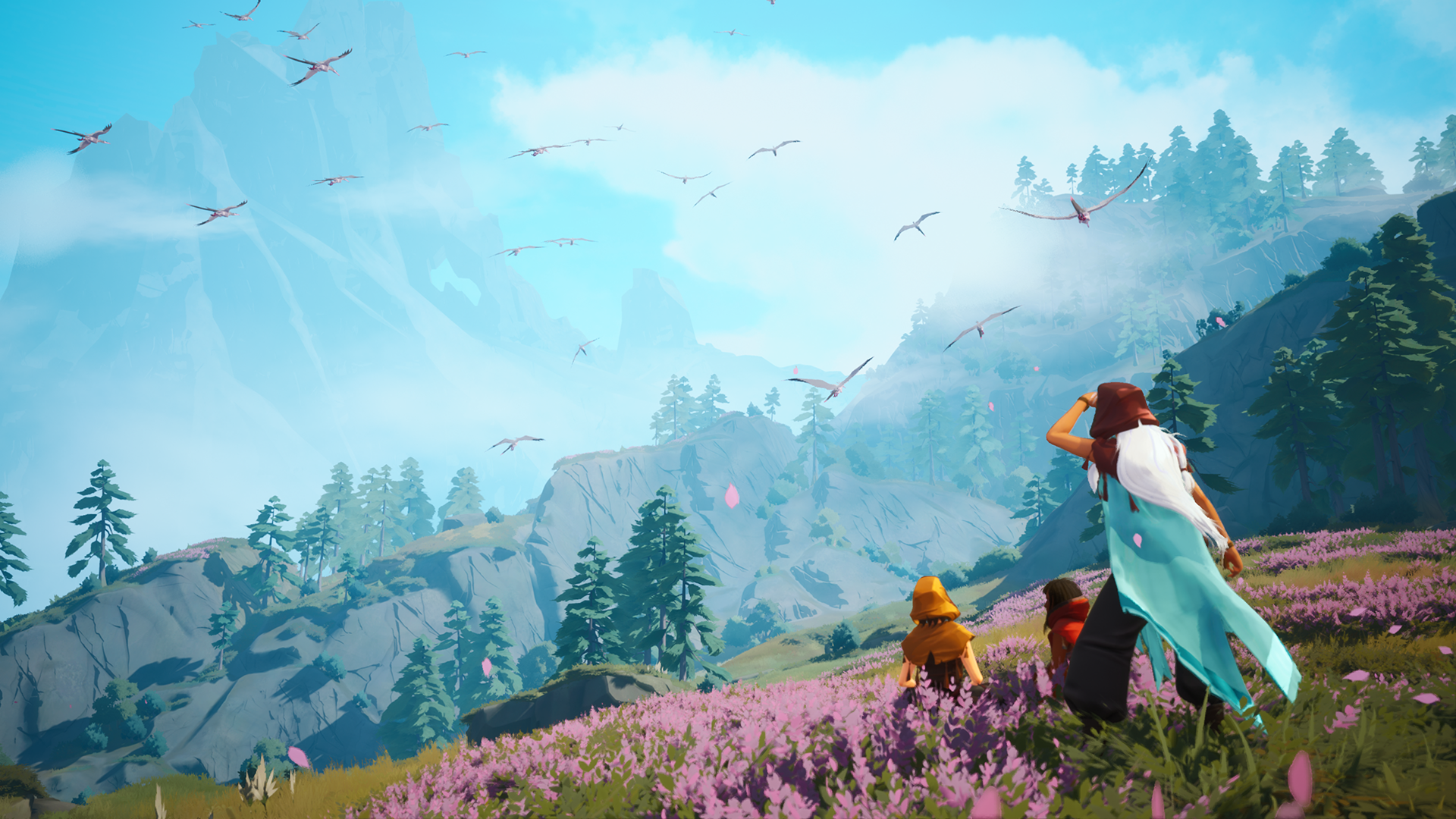
Let’s start with the facts. Microsoft just cut around 9,000 jobs across the company, with a heavy impact on its gaming division. This follows the closure of four Bethesda studios—including Arkane Austin and Tango Gameworks—in May 2024. The news this time? Two high-profile games, Rare’s Everwild and The Initiative’s reboot of Perfect Dark, have both been officially canceled after years of hype and silence. The Initiative, which was formed in 2018 and never managed to ship a single title, has now been dissolved.
But the story doesn’t end there. The layoffs have hit across the board: Blizzard lost staff and will end active support for its mobile game Warcraft Rumble. Call of Duty developer Raven Software lost team members, and Turn 10—the studio behind Forza Motorsport—reportedly saw nearly half its workforce cut. Zenimax Online Studios had a secret MMO canceled. Even King, the company behind Candy Crush, let go of 200 people.
Smaller indie teams weren’t spared. Romero Games, led by Doom creator John Romero, reportedly lost funding for their new shooter, putting the studio’s future in question. The scale is huge, and the aftershocks are being felt everywhere. If you want the big picture, check out this video:
Why Did This Happen? A History of Struggles
These cancellations aren’t just about budget cuts. There’s a long pattern here. *Microsoft has a history of announcing ambitious games with big fanfare, only for them to disappear into development hell*. Both Everwild and Perfect Dark were first revealed years ago, but updates were scarce, and reports of troubled development kept surfacing. In the end, neither project ever really came together.
This isn’t new for Microsoft. Remember Lionhead Studios? Acquired in 2006, closed ten years later after being pushed into projects that didn’t fit. Rare, bought in 2002 for a record sum, has barely survived thanks to Sea of Thieves—but how long will that last? And then there’s Bungie, the studio that made Halo a household name. After years of forced sequels, Bungie bought its freedom in 2007, and Halo’s magic faded fast.
The company’s approach often seems to lack a clear vision for nurturing creative talent. Instead, projects drag on, get rebooted, or are quietly shelved, wasting time, money, and the energy of talented teams.
How Does This Compare to Sony?
Look at Sony and its relationship with studios like Naughty Dog. Sure, Sony has made mistakes—remember the closure of Japan Studio?—but it’s also known for giving its top teams creative freedom, while knowing when to cut its losses early. Microsoft, on the other hand, keeps missing this balance.
From Overcorrection to Overload
After losing Bungie, Lionhead, and facing criticism for weak exclusives, Microsoft went on a buying spree. Studios like Obsidian and Playground Games joined the family, but not every acquisition has worked out. Obsidian has been productive, but Playground, after years of regular Forza Horizon releases, has slowed down, with many senior staff leaving and its Fable reboot still nowhere in sight.
If the goal was to make Xbox a first-party powerhouse to rival Sony and Nintendo, the results are mixed. The acquisitions of Bethesda and Activision Blizzard brought in huge brands—Call of Duty, Warcraft, The Elder Scrolls—that are too big to keep exclusive. Now, with Microsoft focusing more on PC, Game Pass, and cloud gaming, the company is the world’s biggest game publisher, but seems less interested in nurturing creative, exclusive projects.
If this was just about strategy, it would be one thing. But history shows Microsoft has consistently struggled to manage the creative studios it owns. Unless something changes, more cuts and cancellations could be on the horizon.