MTG’s Avatar Set Explained: How Air, Water, Earth and Fire Bending Can Save Mana, Turn Lands into Creatures, and Steal Spells
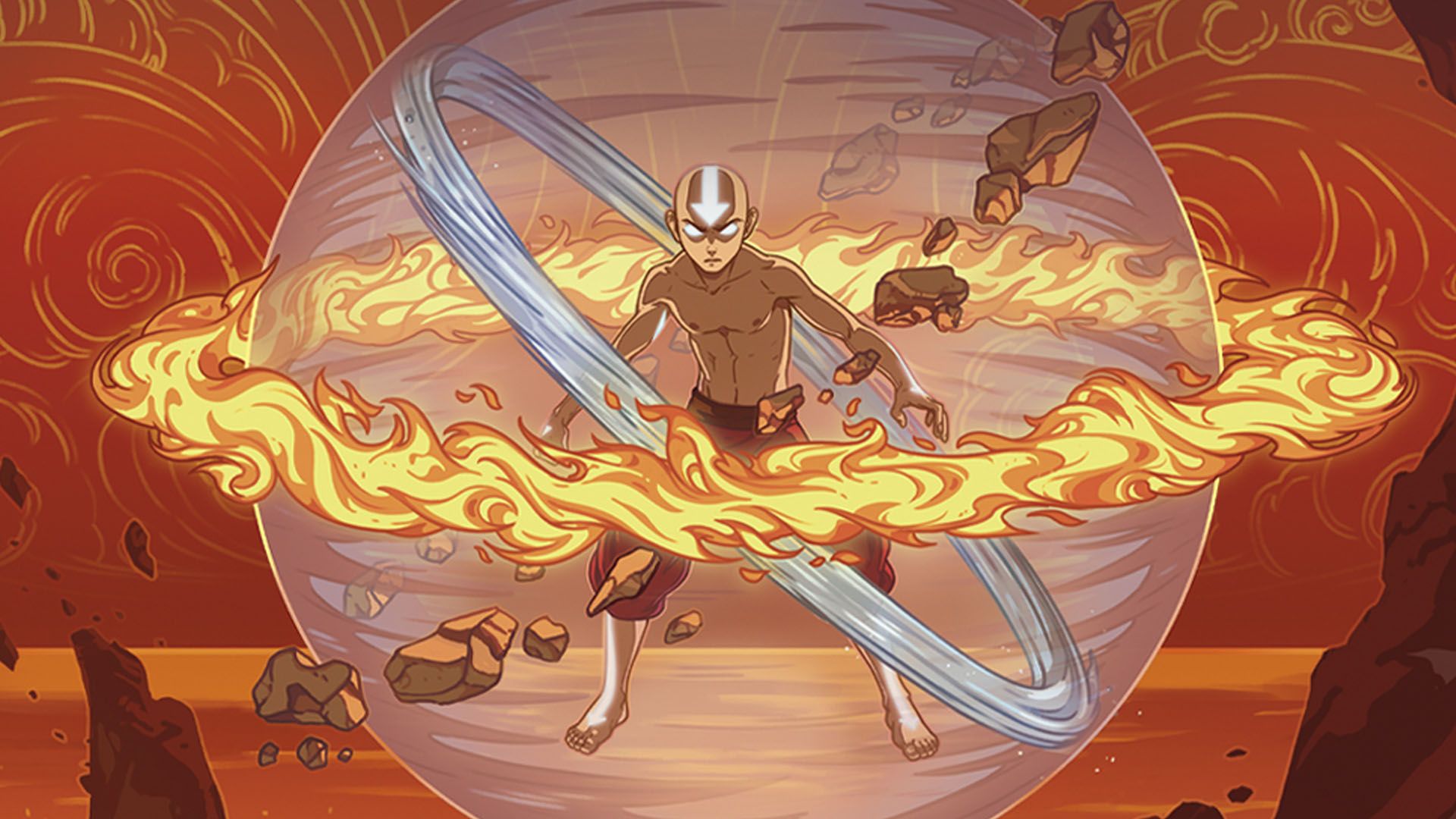
Avatar: The Last Airbender’s Magic: the Gathering set brings the show’s four bending styles into MTG as distinct mechanics. Each bending type changes how cards behave, and they’re not tied to a single MTG color, so you’ll see bending effects across the color wheel. Read on for a clear breakdown of how Airbending, Waterbending, Earthbending, and Firebending work in concrete terms.
- Quick overview of each bending mechanic and how it functions in game terms.
- Examples of cards and specific interactions to watch for.
- Practical notes on timing, mana, and cross-mechanic combos.
Quick Links
Magic: the Gathering’s Avatar bending mechanics, explained
Airbending in Magic: the Gathering
Waterbending in Magic: the Gathering
Earthbending in Magic: the Gathering
Firebending in Magic: the Gathering
Magic: the Gathering’s Avatar bending mechanics, explained
There are four bending mechanics in the set: Airbending, Waterbending, Earthbending, and Firebending. Importantly, these mechanics appear across different colors — for example, you can find black cards with Firebending and white cards with Waterbending. Each mechanic does something different, so they offer varied deckbuilding options and tactical choices.

Airbending in Magic: the Gathering
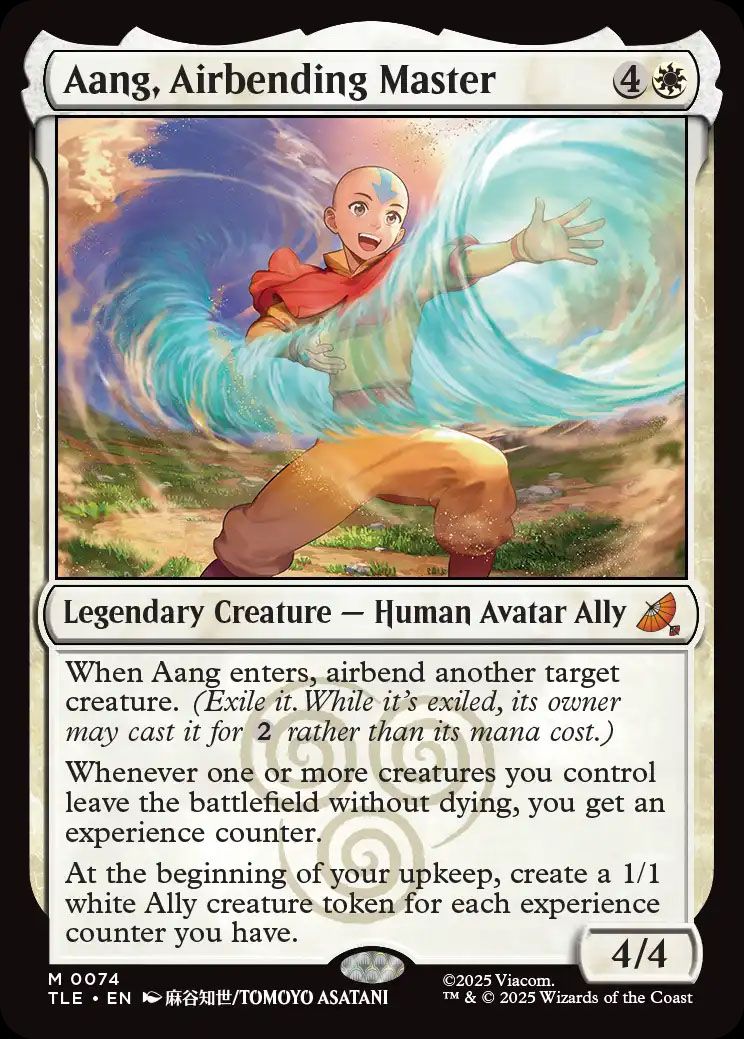
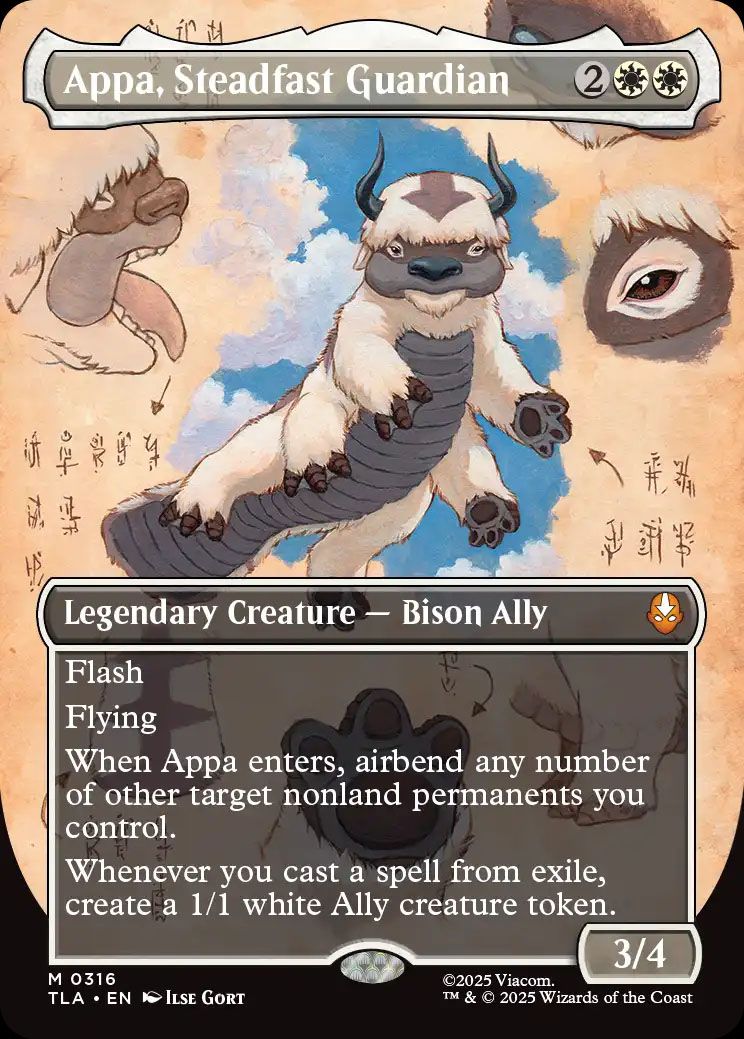
Airbending exiles cards, and then gives the owner a special cast option for those exiled cards. Specifically, if you exile a card with an airbending effect, the owner may cast that card from exile for two generic mana instead of its normal cost. Thus, you can exile a seven-mana spell and let it be cast later for just two mana. This is a strong tempo tool because it removes a threat now and can return it cheaper later.
Which cards get exiled depends on the specific airbending ability. For instance, the Aang card says, “When Aang enters, airbend another target creature,” while Appa’s text specifies, “When Appa enters, airbend any number of other target nonland permanents you control.” So, Aang targets creatures on either side, and Appa can exile multiple nonland permanents you control for later recasting.
Also, when a card returns from exile this way, it can trigger its enter-the-battlefield effects. However, a card that must be cast in a specific way (for example, “cast from your hand only”) won’t be legal to cast from exile if the text forbids it.
Waterbending in Magic: the Gathering
Waterbending is not a passive keyword; instead, it lets you use creatures and artifacts to help pay costs for certain abilities. In practice, each Waterbending ability lets you tap creatures and artifacts to pay part of an activated ability’s mana cost. Each tapped permanent pays for one mana of that cost.
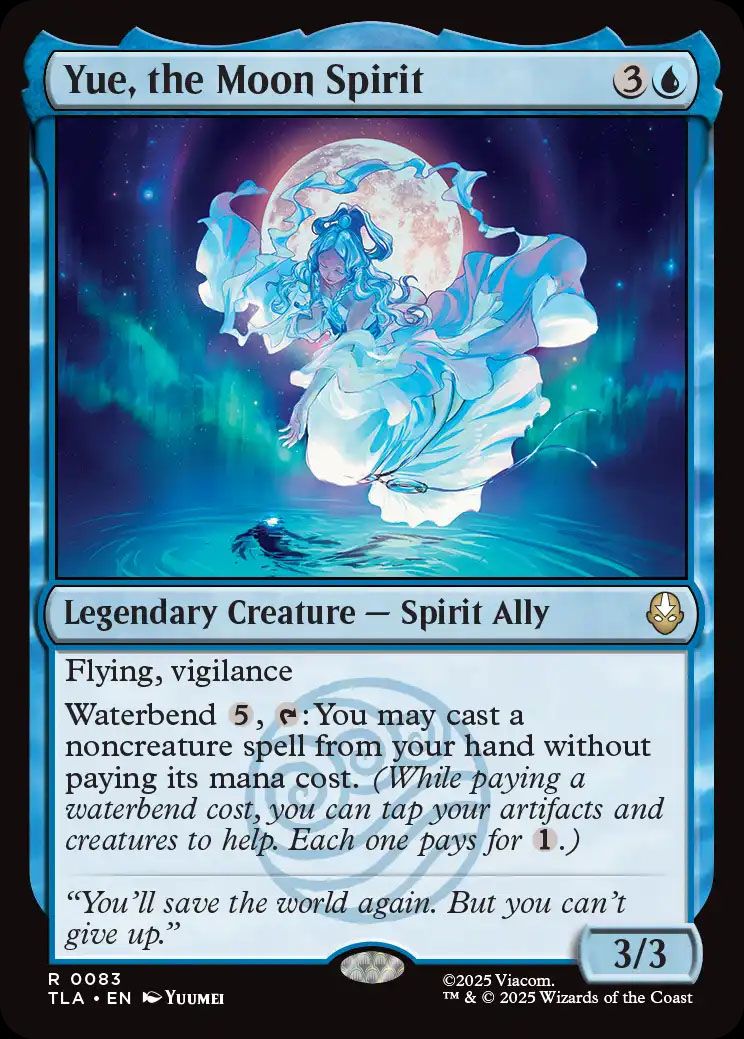
For example, “Yue, the Moon Spirit” has an ability that allows you to “cast a noncreature spell from your hand without paying its mana cost.” To use that ability you normally pay five generic mana and tap Yue. Since Yue has Waterbending, you can tap artifacts and creatures to contribute to those mana requirements instead of tapping lands. Consequently, you can keep your lands untapped for other plays while still paying the ability cost.
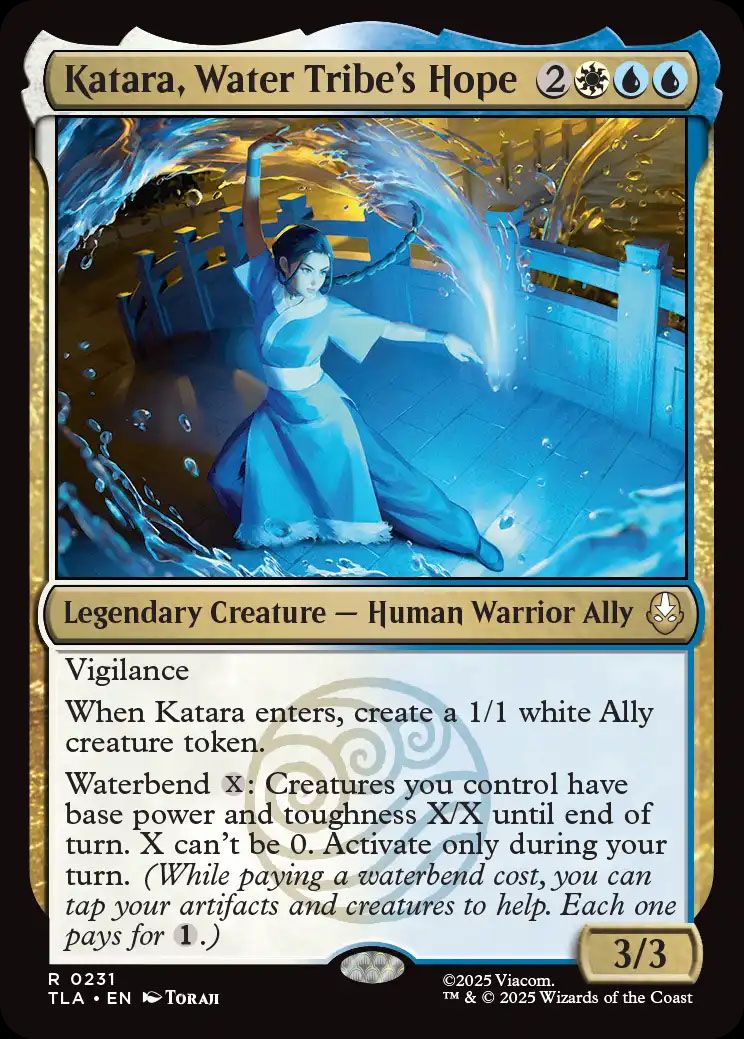
Likewise, “Katara, Water Tribe’s Hope” has a paid ability with an X cost to set base power and toughness for your creatures. Because Katara has Waterbending, you may tap artifacts and creatures to help pay X, so tapping multiple permanents can raise the X value without emptying your lands. Therefore, Waterbending is especially useful for flexible, nonland-based payment when timing matters.
Earthbending in Magic: the Gathering
Earthbending turns a land you control into a creature. More precisely, a targeted land becomes a 0/0 creature with haste and a specified number of +1/+1 counters. When that creature dies or is exiled, the land returns to the battlefield tapped. This lets lands attack or block while still functioning as lands in many other ways.
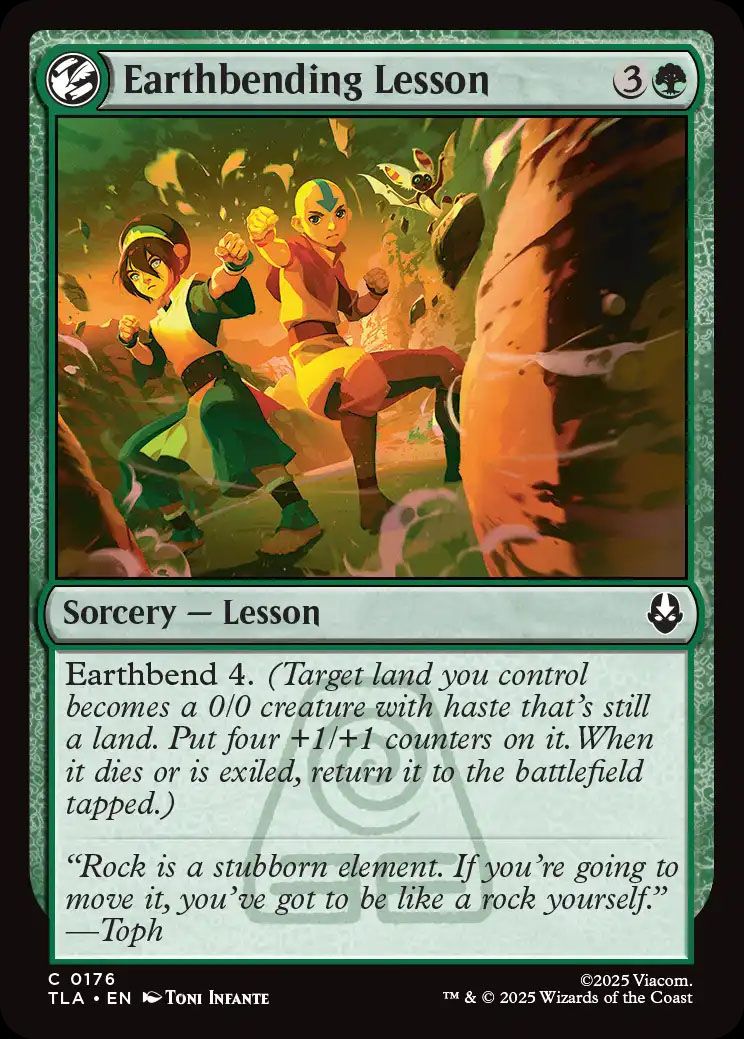
Every Earthbending instance includes a number after the keyword, and that number equals how many +1/+1 counters the land-turned-creature gets. For example, a sorcery that reads “Earthbend 4” will pick a land and make it a 0/0 creature with four +1/+1 counters (so effectively a 4/4 with haste). Because those stats come from counters, they can interact with cards that move or modify counters, and the land still keeps its mana abilities and other printed features.

Finally, Earthbending targets “land,” so it can affect any land type you control, from basic Islands to special lands like Urthros. Thus, you can leverage nonbasic land abilities while briefly turning that land into a creature.
Firebending in Magic: the Gathering
Firebending provides temporary red mana when the creature with the ability attacks. Concretely, when a creature with Firebending attacks, it adds a set amount of red mana to your mana pool that lasts until end of combat. You can then use that mana for instant-speed spells or activated abilities during combat and the turn’s remaining steps.
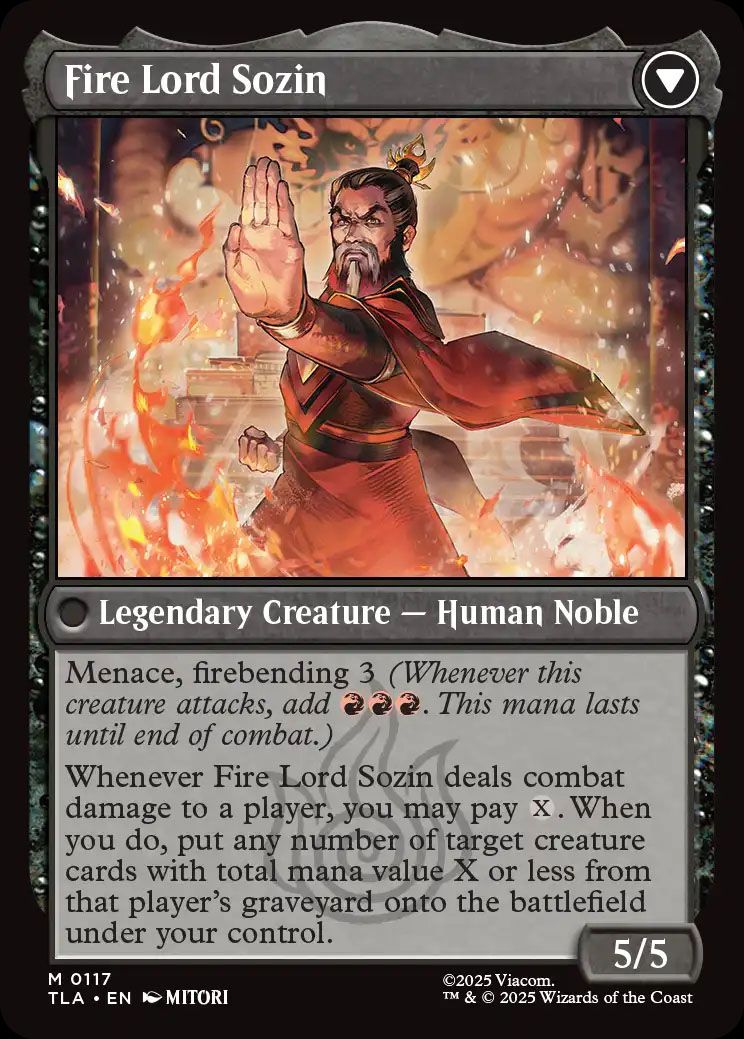
The number of red mana generated equals the number after the Firebending keyword. For example, a creature with “Firebending 3” adds three red mana when it attacks. Some cards instead set Firebending based on a value like power; for instance, a card may read “Firebending X, where X is Fire Lord Zuko’s power.” In that case, raising the creature’s power increases the mana produced when it attacks.
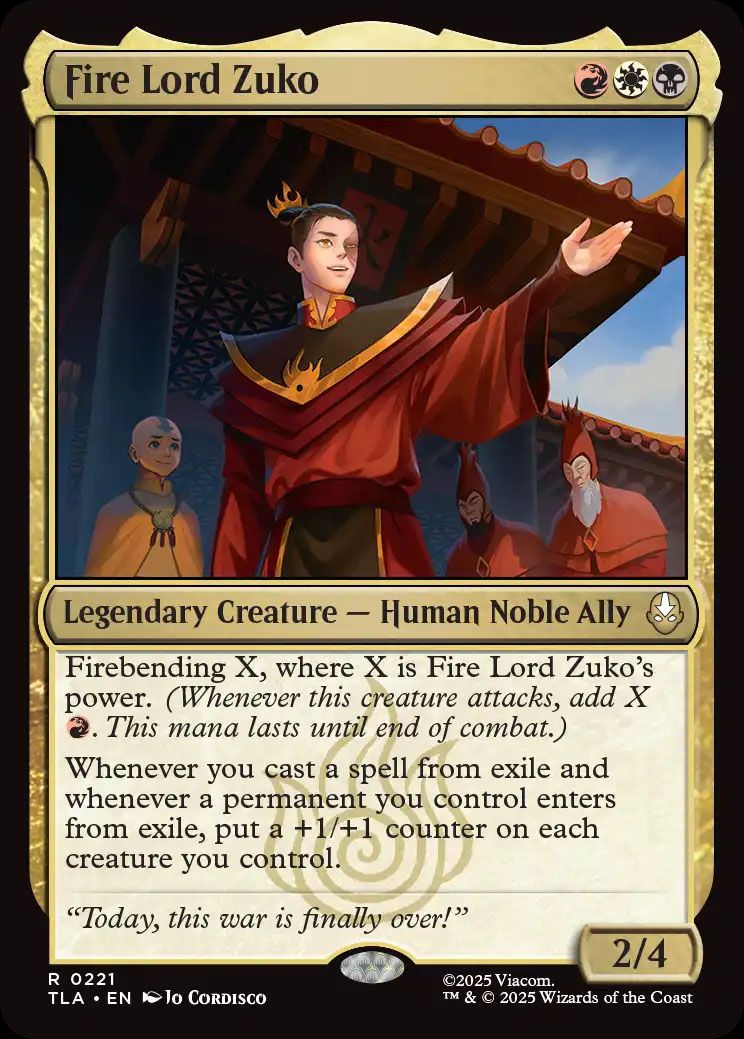
Because the mana lasts only until end of combat, Firebending is best used for immediate, combat-related plays: casting instants, activating combat abilities, or paying abilities that resolve during the attack step.