Naoki Hamaguchi: How Final Fantasy 7 Rebirth Rebuilds a Classic to Win a New Generation
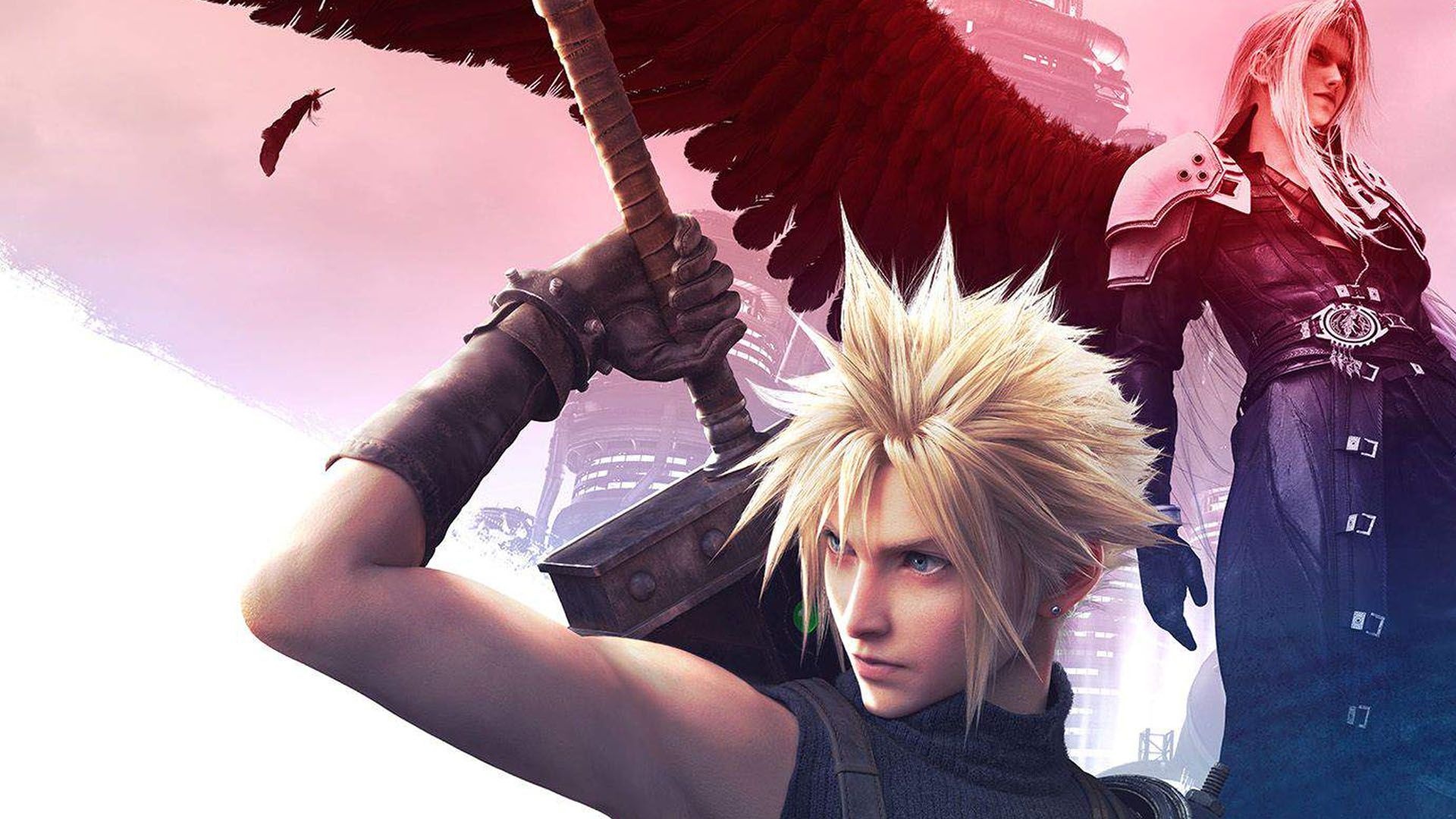
Final Fantasy 7 Rebirth director Naoki Hamaguchi says the remake trilogy aims to bring the original story to a new generation while adding new material and adapting to how people play today. At the 2025 Brasil Game Show, Hamaguchi discussed the trilogy’s structure, player reactions so far, and the importance of making the games available on different platforms.
- Overview of the remake project
- Highlights from the Brasil Game Show interview
- Remake goals and fan reception
- Ports, handhelds, and play modes
- Legacy and future of the franchise
Overview of the remake project
The Final Fantasy 7 remake is being released as a three-part project. So far, two games in the trilogy have been released. The development team, led by director Naoki Hamaguchi, is combining the original storyline with material from spin-offs and other sources. The stated aim is to create a version of the story that feels new, even to longtime fans, while remaining recognizably tied to the original.
Highlights from the Brasil Game Show interview
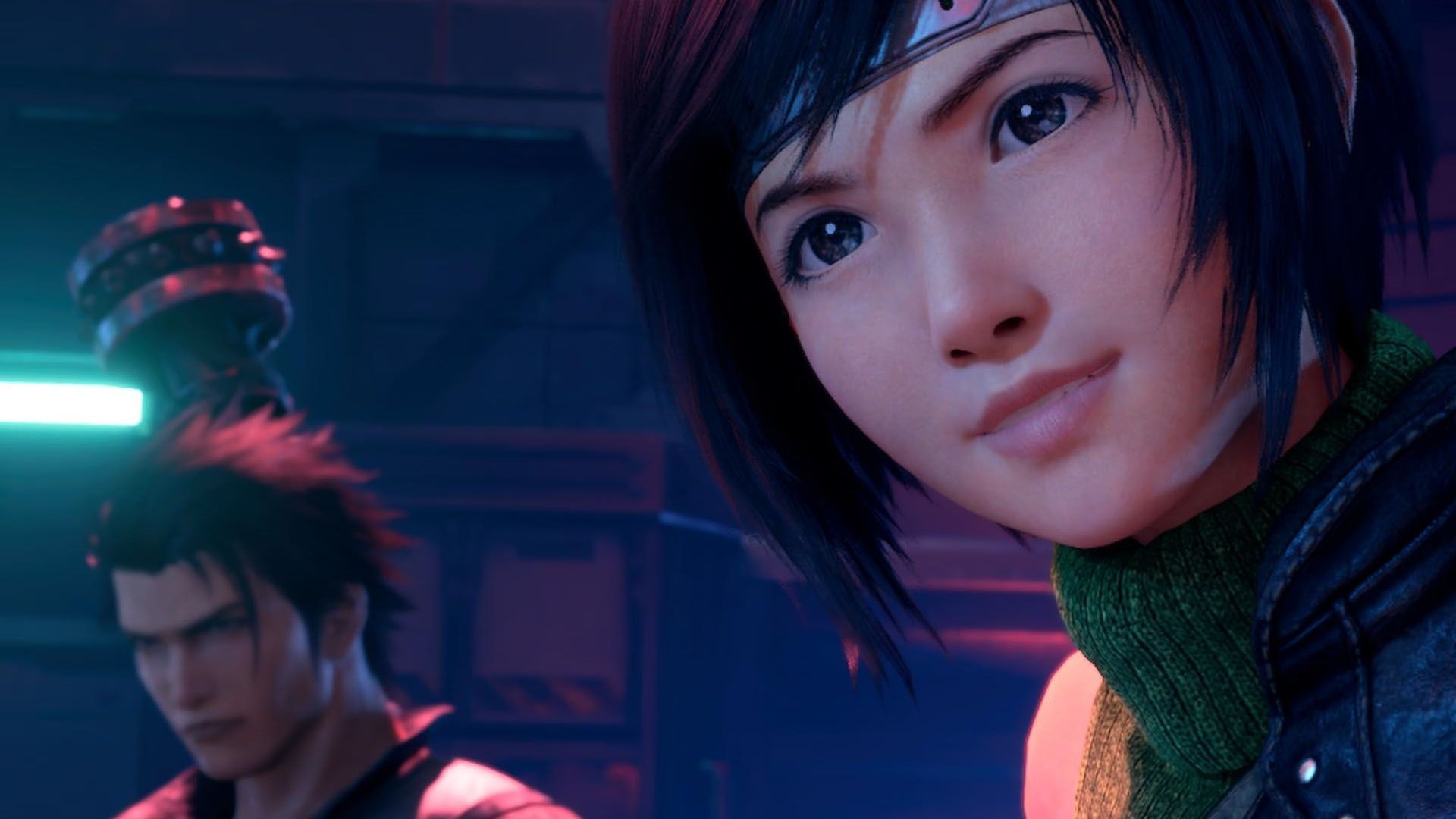
At the 2025 Brasil Game Show, the author of the original report spoke with Hamaguchi about the remake project and platform ports. Hamaguchi described the trilogy’s design approach in his own words: “take the original storyline, add new things — from spin-offs and other sources — that already existed in the world of Final Fantasy 7, splitting it into three games, and by doing so make fans wonder how the story will end.”
Reaction and awareness
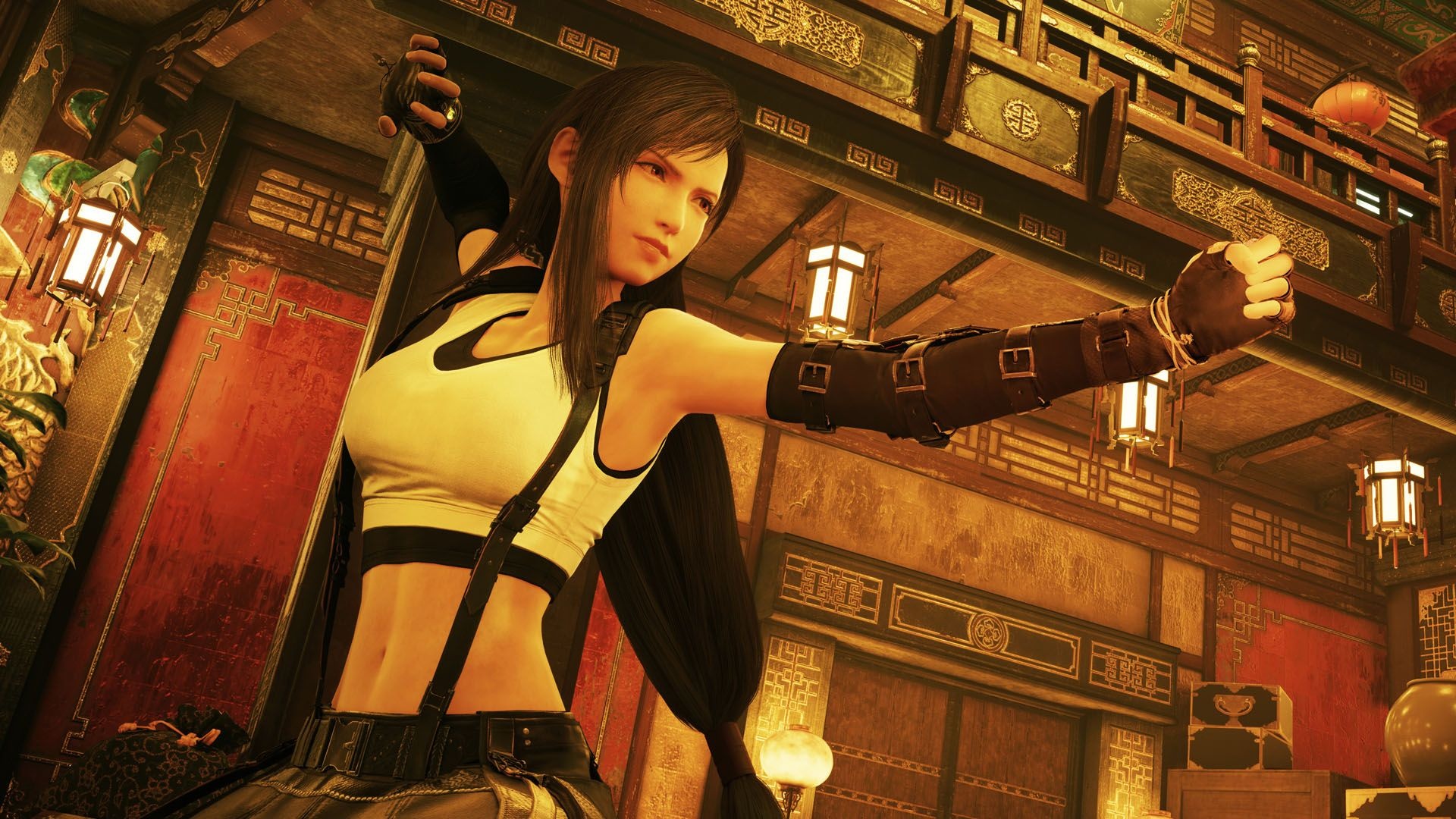
Hamaguchi acknowledged that some longtime fans have expressed dissatisfaction with changes in the remake series. However, he said the team remains “excited to see how people will react to the third game.” The project is being positioned as both a tribute to the original and a new entry point for younger players.
Remake goals and fan reception
The team aims to preserve the core characters and dramatic moments while updating presentation, gameplay, and narrative structure. The remake includes new cinematic visuals, voice acting, and a reinterpreted soundtrack that mixes classic themes with new music. These updates are intended to change how the game is perceived by players who did not experience the 1997 original.
Ports, handhelds, and play modes
Square Enix is working to bring the remake to multiple platforms. Hamaguchi mentioned current trends in playstyles and hardware: “for a long time, we focused on making high-definition games with the intention of them being played on a console with a large TV, or a computer. We would develop our projects with these conditions in mind.”
He also pointed out newer options: “nowadays there are many different ways to play available for us. For example, the Steam Deck, that many players use now. We have more freedom now. Currently, even high-definition games aren’t played at home. Considering the diversity of ways one can play a game, we believe it’s important to think about it and to adapt to these new modes of play.”
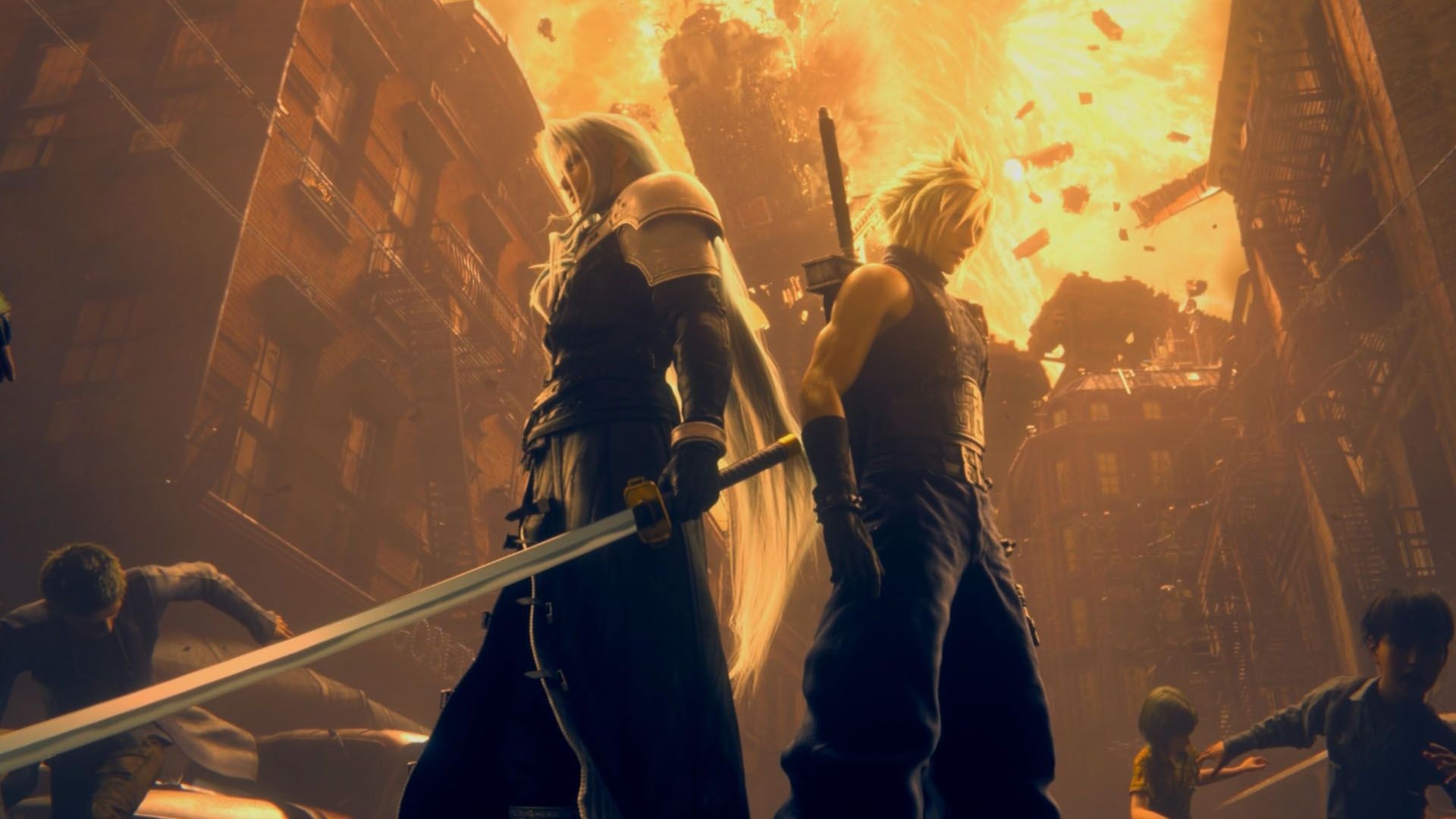
As an example, the Switch 2 version of Final Fantasy 7 Remake Intergrade is being optimized to run on handheld hardware. Consequently, the port will not match the visual performance of other versions, but the team considers that a necessary trade-off to ensure smooth play on that platform.
Legacy and future of the franchise
Hamaguchi and the team present the remake trilogy as a way to introduce Final Fantasy 7’s story to new players while maintaining a connection to the series’ history. The project is intended to form a foundation for future Final Fantasy titles and to help the franchise remain accessible across different generations and play styles.