Nearly 20 Years Later, Super Mario Galaxy Still Dazzles — But the Motion Controls Show Their Age
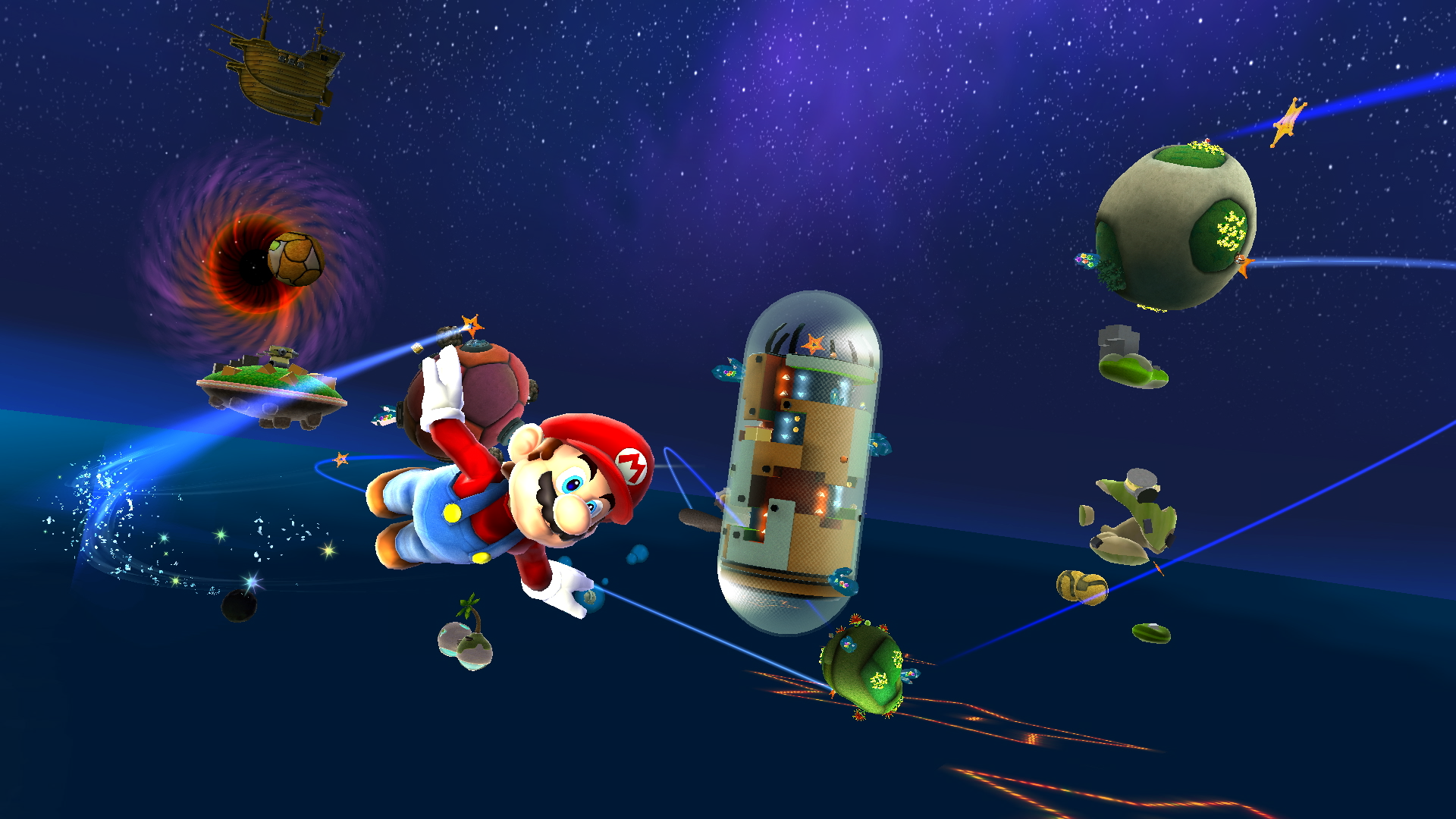
I played Super Mario Galaxy for the first time in 2025 after not owning a Wii growing up. The game was later remastered and ported to the Nintendo Switch, and the original title also appeared in the limited-edition Super Mario 3D All-Stars collection in 2020. In short, I finally saw what players were talking about for nearly two decades.
Overview
Super Mario Galaxy originally launched for the Wii and is known for taking Mario into outer space. In the game, Bowser kidnaps Princess Peach and her castle, while Mario ends up in space and meets the Lumas and Rosalina at the Comet Observatory. Rosalina assigns Mario the task of collecting Power Stars to restore and power the Observatory so the group can pursue Bowser.
Gameplay and level design
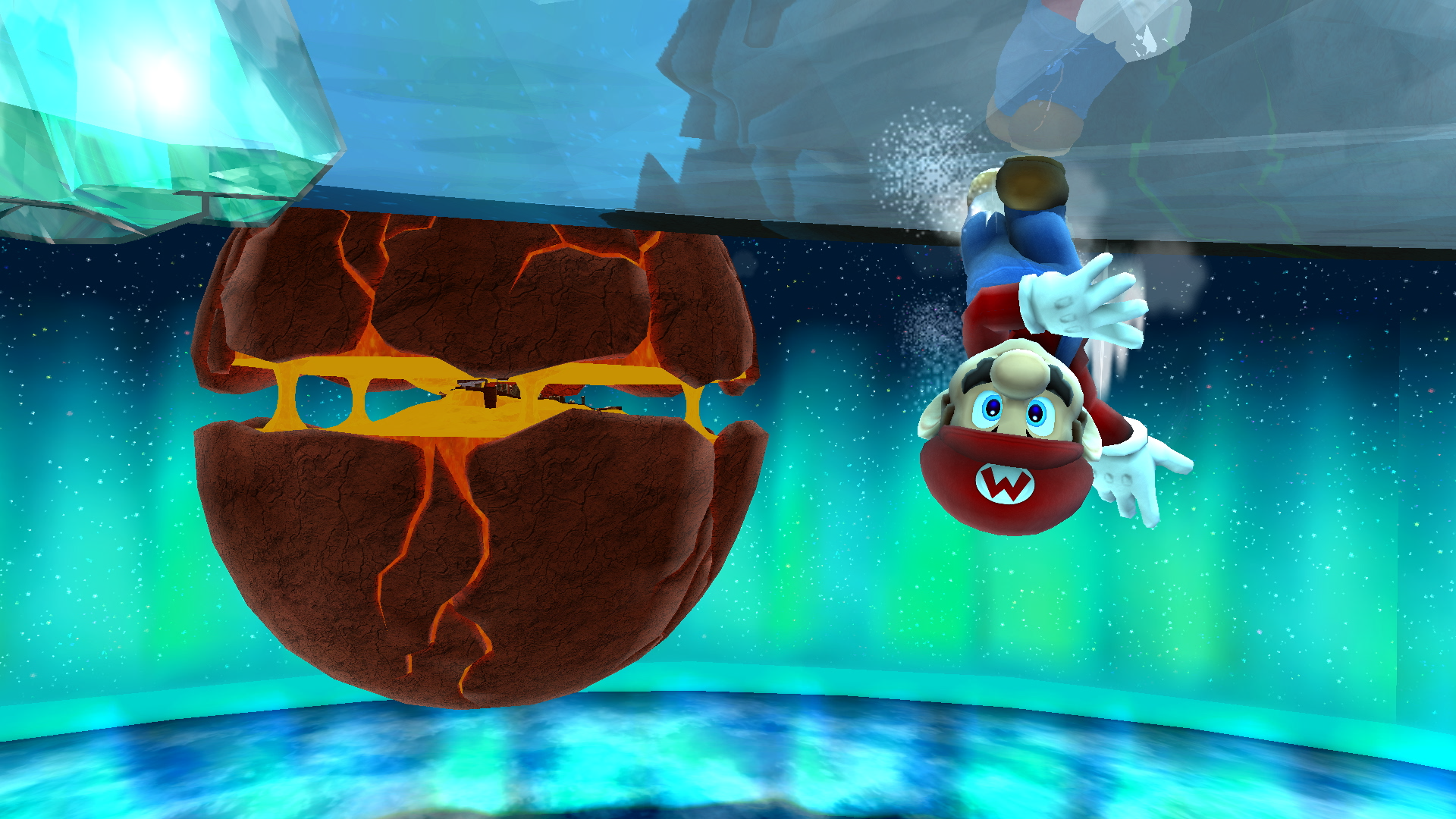
The game uses a mix of spherical and flat platforms to create varied platforming challenges. For example, players run around small planetoids where gravity pulls Mario toward the surface, and they can jump between nearby objects and be captured by another platform’s gravity. Meanwhile, some levels use flat disc-style platforms that often hide items or paths on their undersides.
Also, the game includes a range of level types: beach and swimming sections, a manta ray surfing sequence early on, and a level that has Mario navigate a giant ball through a course with holes. These different scenarios demonstrate how the title mixes traditional Mario platforming with gravity-based puzzles and traversal.
Controls and motion input
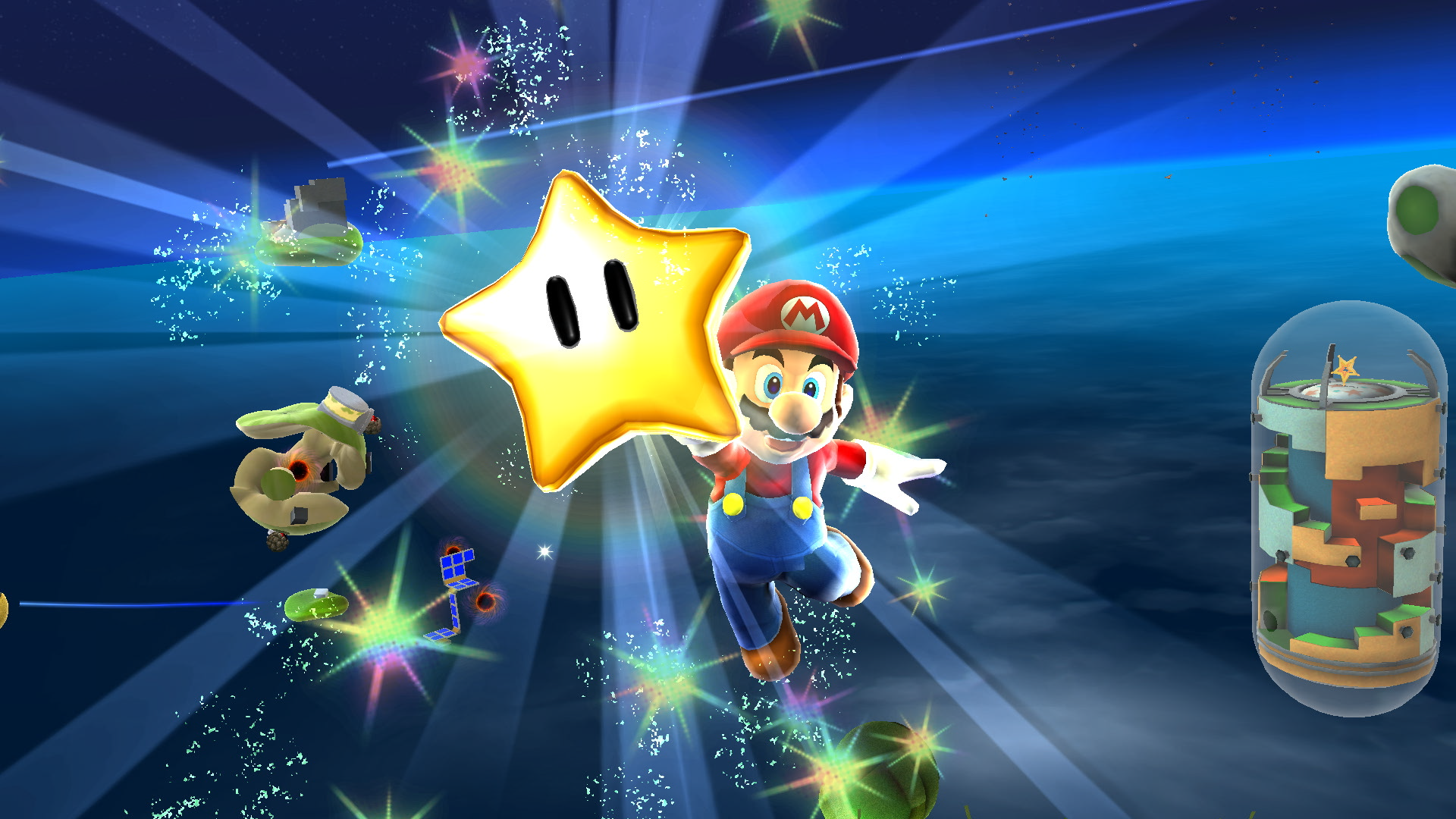
Super Mario Galaxy uses both traditional button inputs and motion controls. Specifically, motion and gyroscope input are used for aiming, collecting, and shooting star bits—small, colorful objects scattered around stages. In handheld mode on the Nintendo Switch, aiming and collecting star bits require tilting or rotating the console to move the cursor.
Furthermore, some platforming sections rely on motion-based aiming: you point a star-shaped cursor at platforms to drag Mario toward them. Levels that rely heavily on motion input are typically easier to play with the Joy-Con controllers detached, which allows for more precise motion aiming.
Importantly, the game’s progression lets players skip certain motion-focused levels if they have collected enough stars from other stages. This provides an option for players who prefer to avoid specific motion challenges.
Characters introduced or notable here
Super Mario Galaxy marks the debut of Rosalina. In the game, Rosalina acts as the adoptive mother of the Lumas and hosts Mario at the Comet Observatory. The game also features recurring characters like penguins, who appear in an early beach/swimming level, and later became familiar faces in other Nintendo titles.
Reception and legacy
Super Mario Galaxy is frequently cited for its inventive use of space and gravity in level design. Later 3D Mario games, such as Super Mario Odyssey, followed after Galaxy and continued to explore new mechanics in the series. As concrete points: the first Super Mario Galaxy was included in the 2020 Super Mario 3D All-Stars collection, and the game was remastered and released on Nintendo Switch, allowing new players to experience it even if they missed the original Wii release.
Key facts: the game first appeared during the Wii era, Rosalina debuted in this title, motion controls are used for star bits and some platforming, and the remaster/port brought the title to Switch after earlier compilations.