Nintendo’s Price Hikes Defy Gaming Industry Trends – And Fans Keep Paying
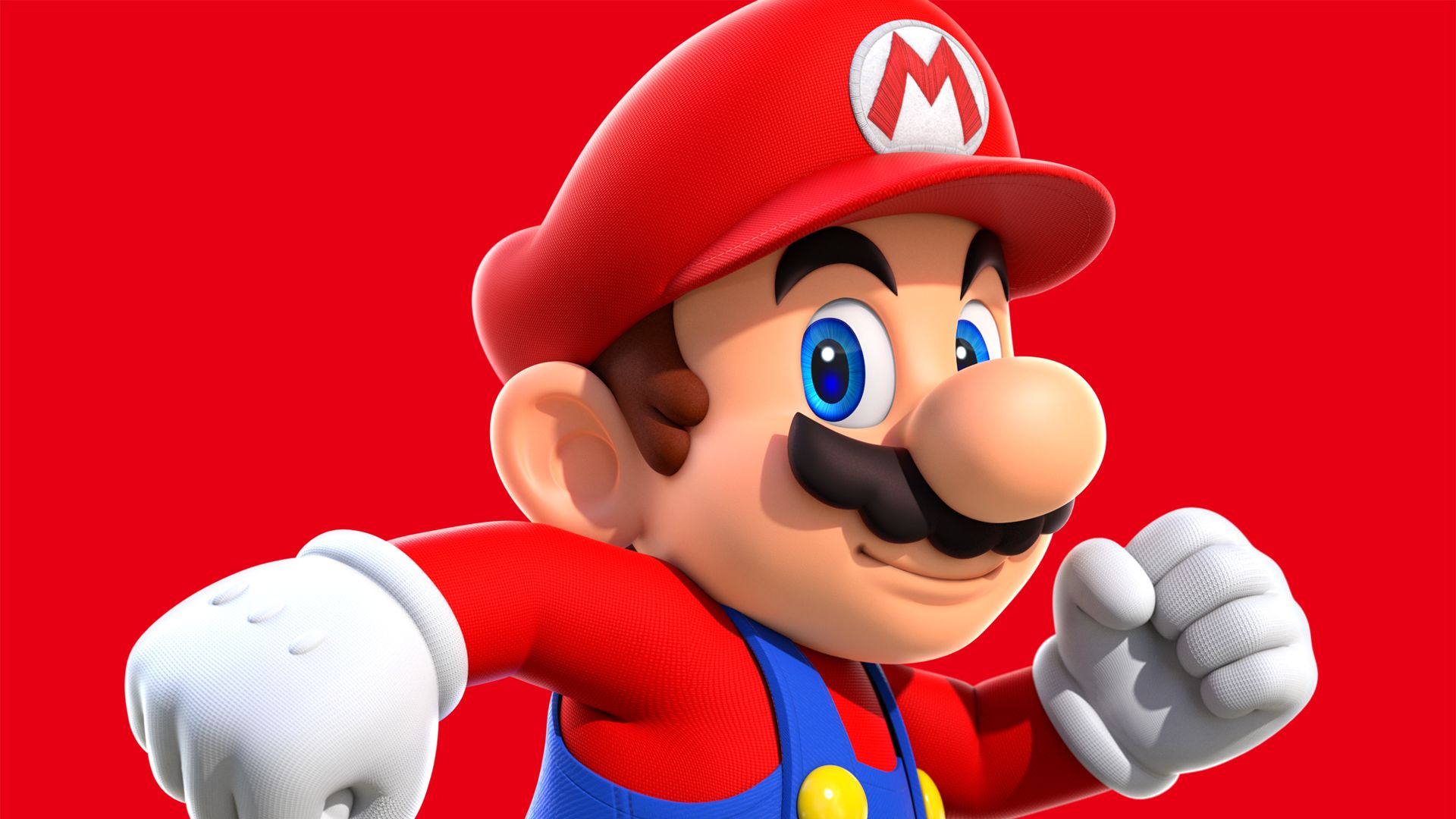
Nintendo fans are no strangers to paying premium prices, but the gaming giant’s latest move has sparked debate: the Switch is getting more expensive, even as other publishers hesitate to push prices higher. Here’s what’s happening—and why Nintendo might just get away with it.
- Price hikes everywhere: Microsoft and others tested higher game prices but backed down after backlash.
- Nintendo stands firm: Switch 2 games now cost $69.99, and even older Switch models are getting pricier.
- Fan loyalty vs. limits: Will players keep paying, or is there a breaking point?
Why Are Game Prices So Volatile?
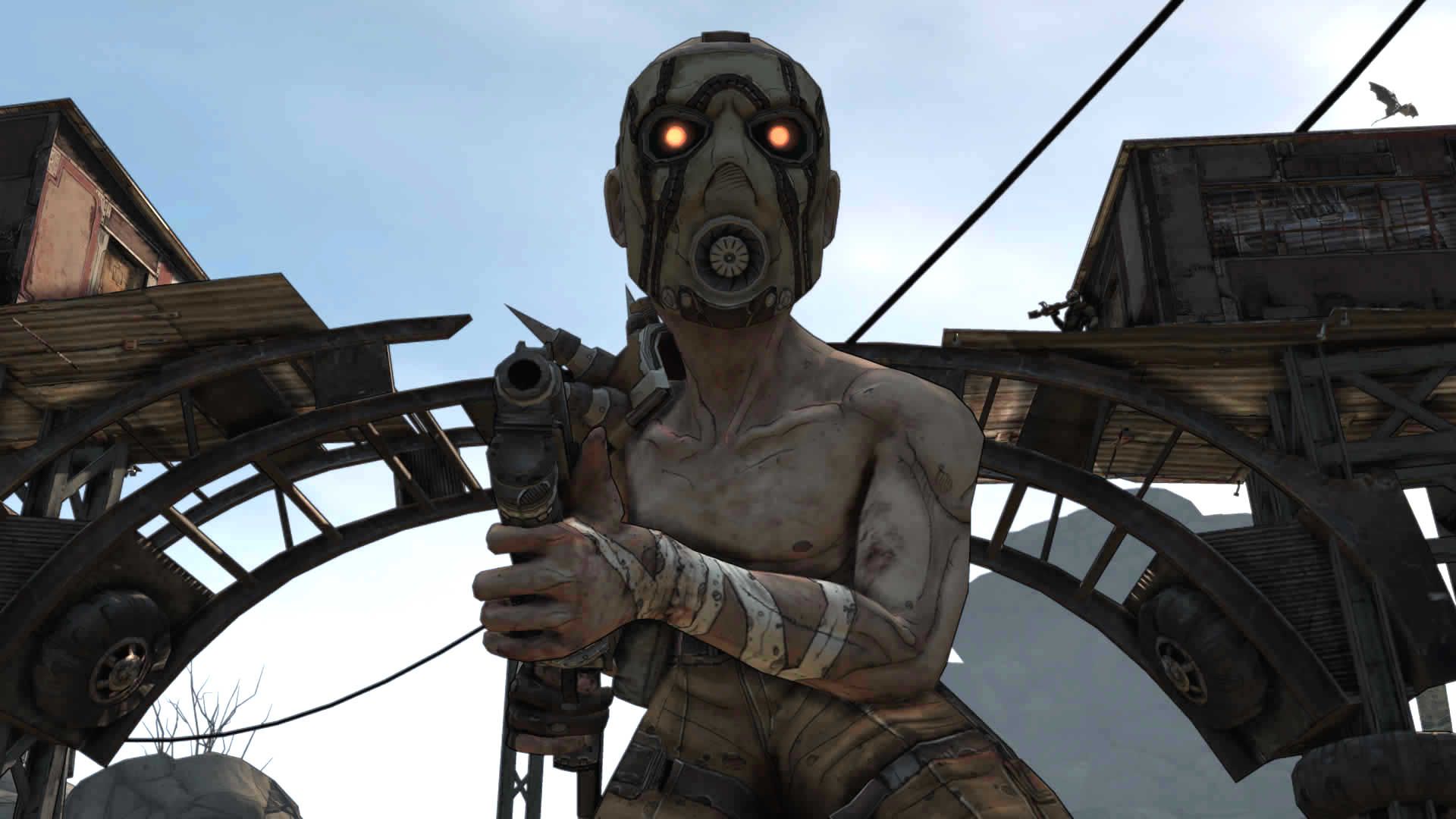
Earlier this year, Microsoft announced $79.99 games and a 20% console price bump—only for Obsidian to reverse a similar hike for The Outer Worlds 2 after fan outrage. Gearbox’s Randy Pitchford also faced heat for suggesting Borderlands 4 could cost more, with 2K later clarifying base pricing wouldn’t exceed $69.99.
Nintendo’s Unshakable Strategy
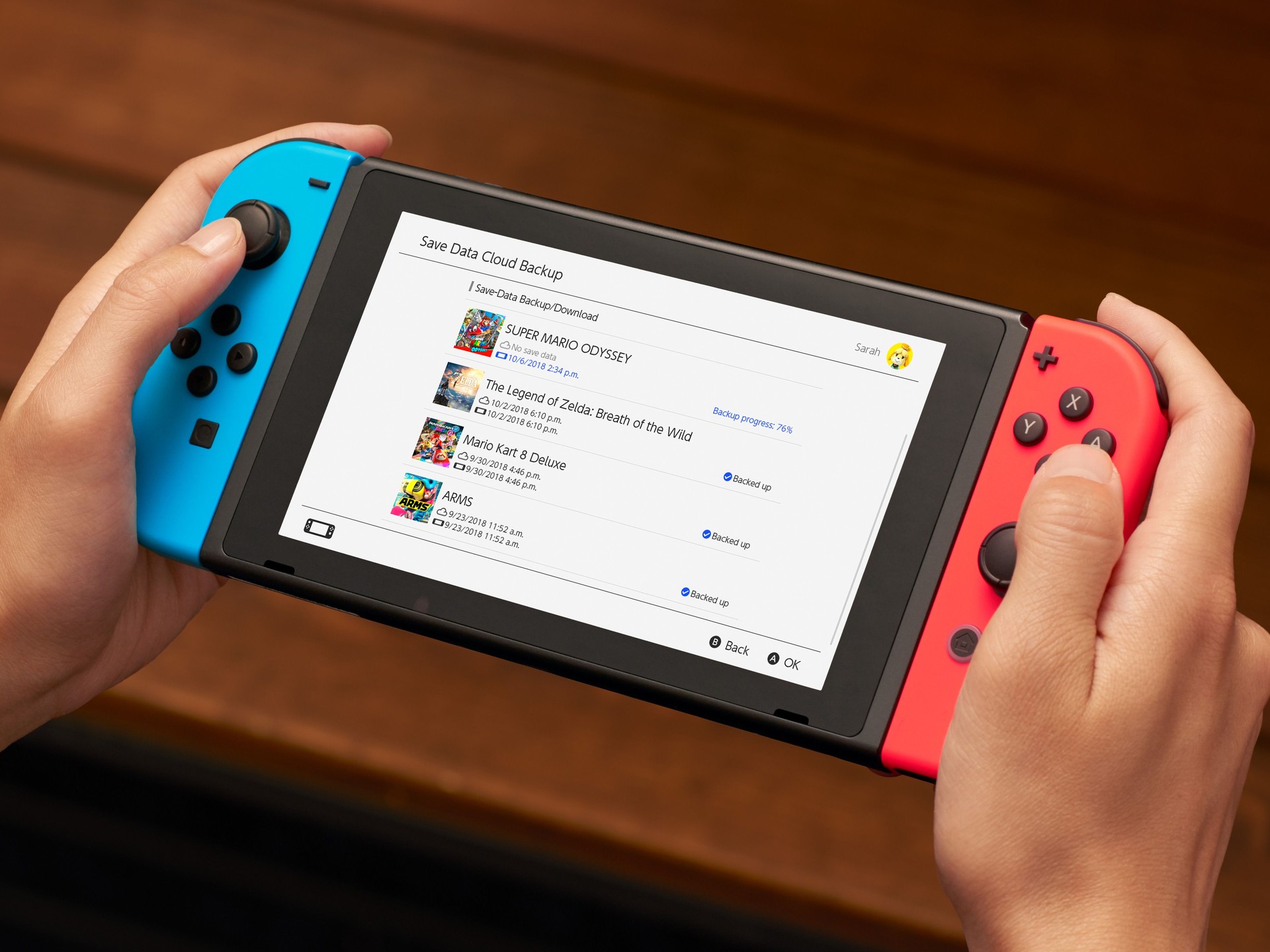
While others waver, Nintendo doubled down. The Switch 2 is its priciest console yet, and first-party games now match PlayStation’s $69.99 standard. Even older Switch models are getting costlier—a bold move for hardware nearing a decade old. Yet, with record sales and franchises like Mario Kart World thriving, fans seem willing to pay.
Is $100 the Next Gaming Milestone?
Analysts speculate Grand Theft Auto 6 could test a $100 price tag, leveraging its unmatched scale. But Circana’s Mat Piscatella notes pricing is becoming less one-size-fits-all: “Each game will have its own particularities.” From $3 indie gems to $50 breakout hits like Claire Obscur: Expedition 33, flexibility is key.
The Bottom Line
For now, Nintendo’s premium reputation shields it from the backlash others face. But as budgets balloon and tariffs bite, the industry’s pricing experiments are far from over. One thing’s clear: justifying higher costs will take more than nostalgia—it’ll take undeniable value.