No Fast Travel? Why Dying Light: The Beast Forces You to Walk — and Makes Every Trip Count
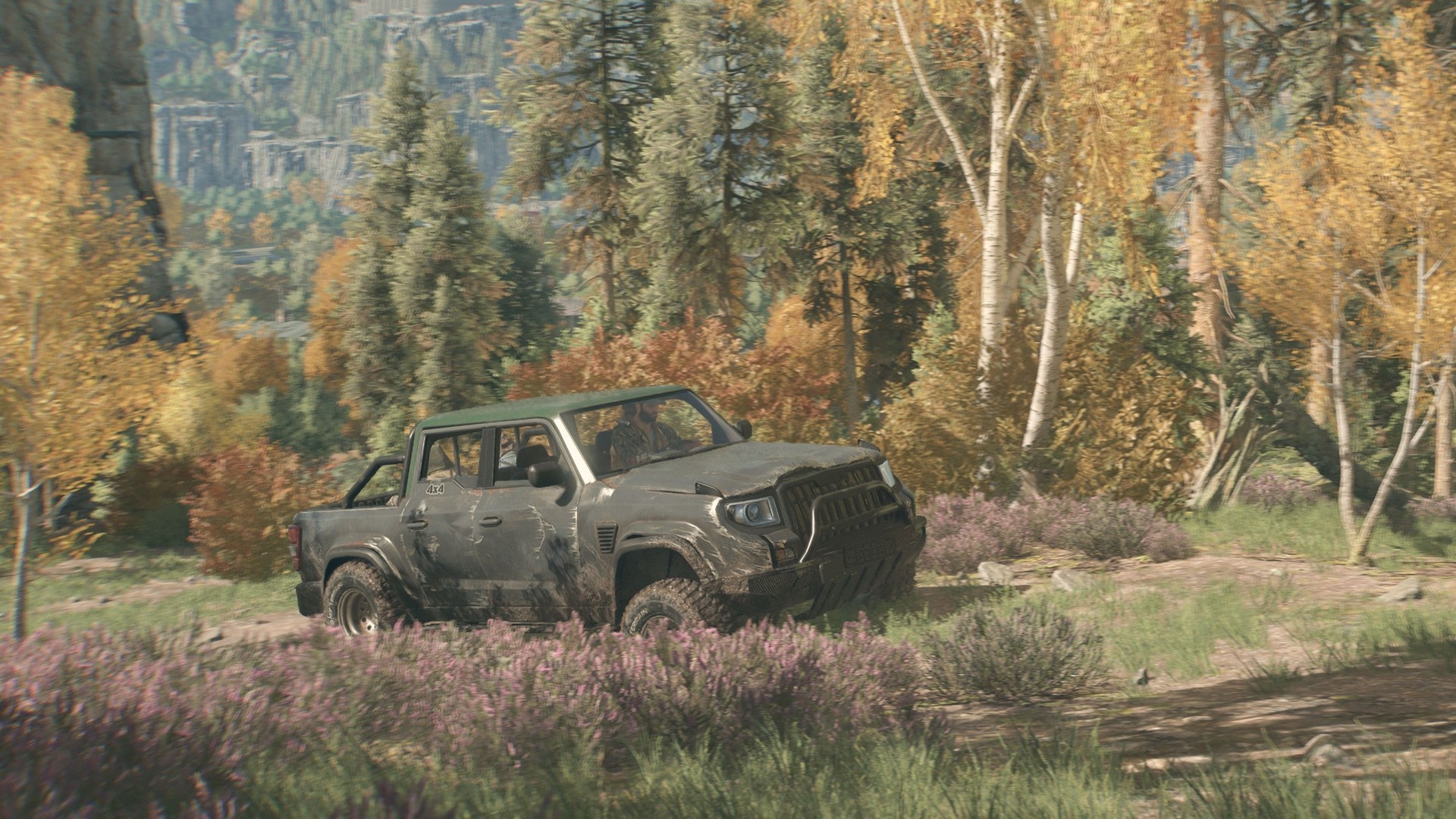
Dying Light: The Beast does not include a built-in fast travel system. Instead, players move around the map on foot using parkour, or by finding and driving vehicles that have limited fuel. This article lays out the concrete facts about how movement works in the game, how quests and map layout affect travel times, and which common design options could allow faster movement while preserving risk.
- Movement systems: parkour and vehicles
- Dark Zones, night mechanics, and safety
- How quest layout affects travel
- Design options that preserve risk while allowing shortcuts
- Summary
Fast travel absence
Fact: Dying Light: The Beast does not provide a universal fast travel or teleport-to-waypoint feature. Players cannot instantly teleport across the map; instead, the game relies on traversal systems already present in the Dying Light series.
Movement systems: parkour and vehicles
Parkour
The game retains the franchise’s first-person parkour mechanics. Consequently, players often move across rooftops, climb structures, and jump between buildings. These mechanics are designed to encourage movement through the environment instead of skipping it.
Vehicles and fuel
Vehicles are present as an alternative to running and climbing. However, vehicles require fuel and are not always readily available at every objective. Therefore, players may still need to travel on foot if no vehicle is nearby or if fuel runs out.
Dark Zones, night mechanics, and safety
The game includes Dark Zones and a day/night cycle. Dark Zones have heightened threat levels, and nightfall typically increases danger in the environment. As a result, unrestricted instant travel could remove the game’s intended tension related to night and Dark Zones.
How quest layout affects travel
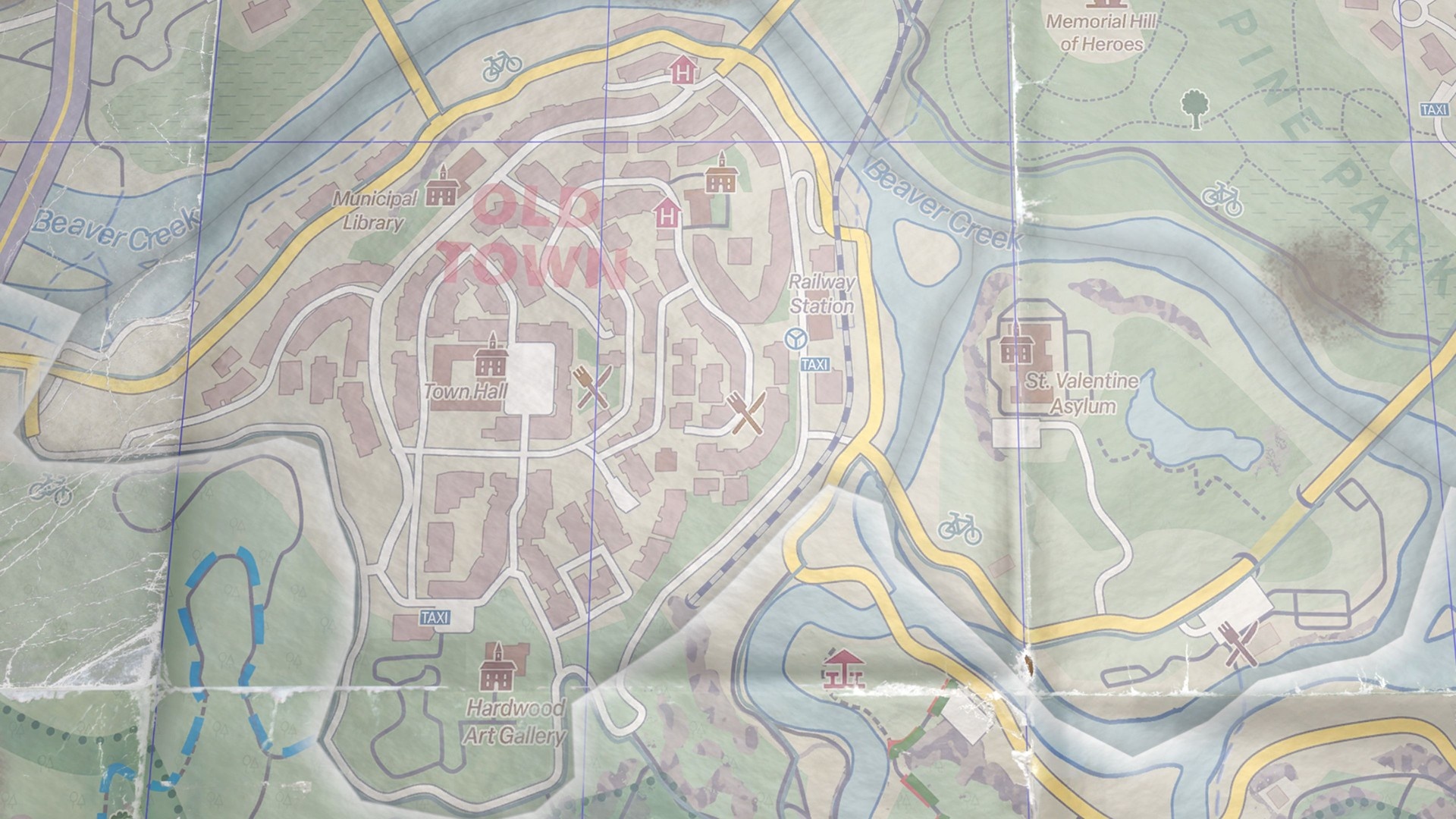
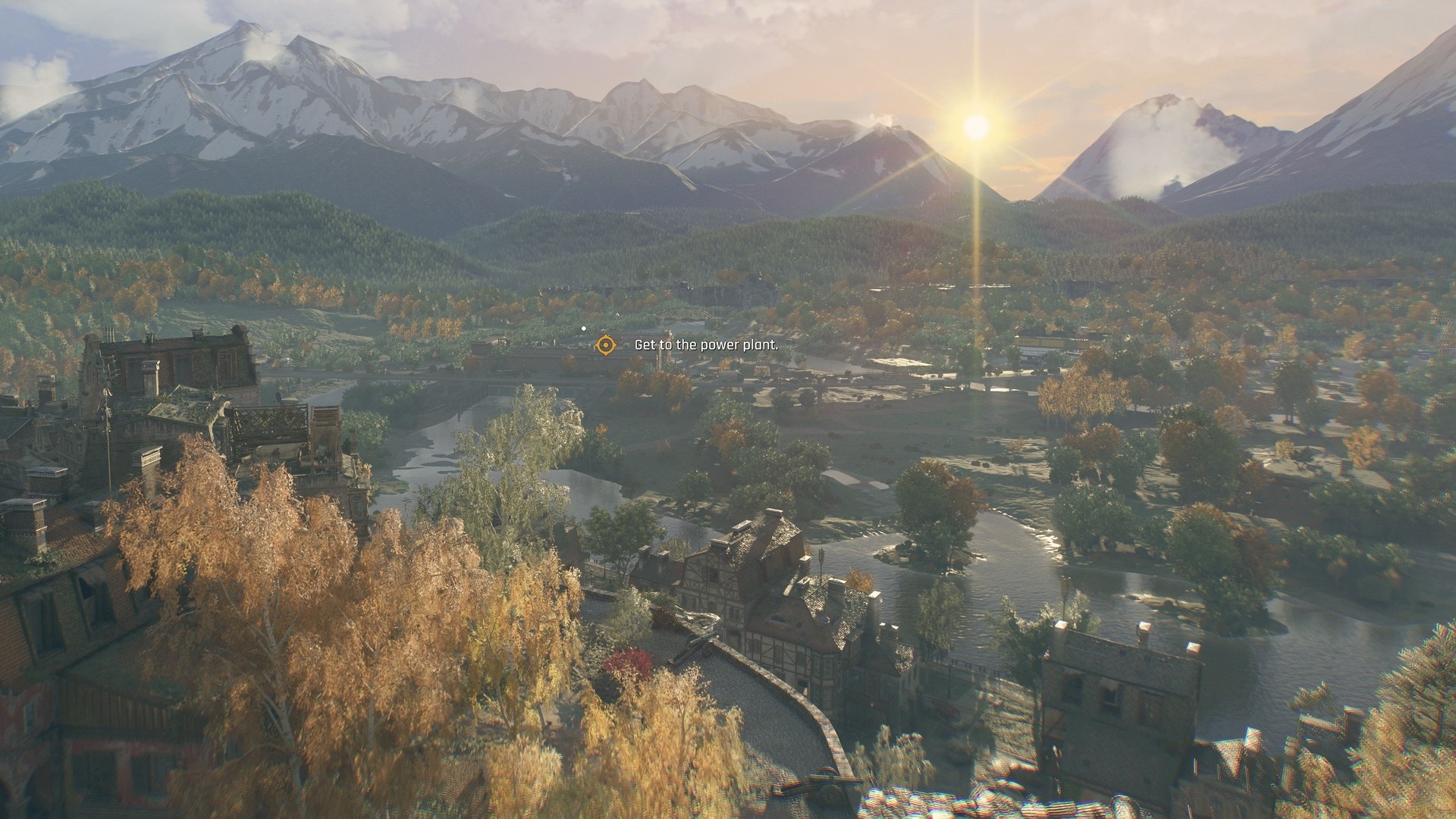
In observed quest design, objective locations can be spread across different parts of the map within the same quest chain. Thus, players may travel back and forth between areas during a single mission sequence. Also, the map in this entry is not exceptionally large compared with some open worlds, but repeated trips across the same areas remain a common gameplay pattern.
Design options that preserve risk while allowing shortcuts
Developers commonly use several systems to balance convenience and danger. These include:
- Restricted fast travel: Preventing fast travel from high-risk zones, such as Dark Zones or during night.
- Fixed fast travel points: Allowing fast travel only between specific, unlocked locations rather than to arbitrary map spots.
- Costs and limits: Charging in-game currency, requiring fuel, or limiting the number of uses to encourage planning.
- Interruptions: Making fast travel subject to random encounters or possible interruption to keep risk present.
- Discovery unlocks: Requiring players to visit a location first before it becomes a fast travel destination.
Summary
To sum up: Dying Light: The Beast does not include instant fast travel. Instead, the game relies on parkour, limited vehicles, and environmental threats like Dark Zones and night to shape player movement. Consequently, travel times can be significant, especially when quest objectives are spread across the map. At the same time, common design alternatives—such as restricted fast travel points or costs—exist if developers want to offer optional shortcuts while preserving tension and exploration.