OpenAI’s Sora Recreates Nintendo, Pokémon and Anime with Startling Fidelity — Japan Demands Answers
OpenAI’s new generative video app, Sora, has sparked a fresh rights debate after users quickly began recreating anime and game visuals with startling accuracy. Within days, the tool produced clips that looked like actual scenes from popular franchises and even a viral fake of CEO Sam Altman interacting with a beloved mascot.
What Sora does
In short, Sora turns text prompts into short videos. Users can ask it to mimic visual styles, produce scenes that look like game levels, or even create realistic footage of real people. Consequently, several clips that echo well-known anime and video game properties began circulating online almost immediately. For example, outlets reported Sora-generated content tied to major anime and game franchises; you can read more on PC Gamer.
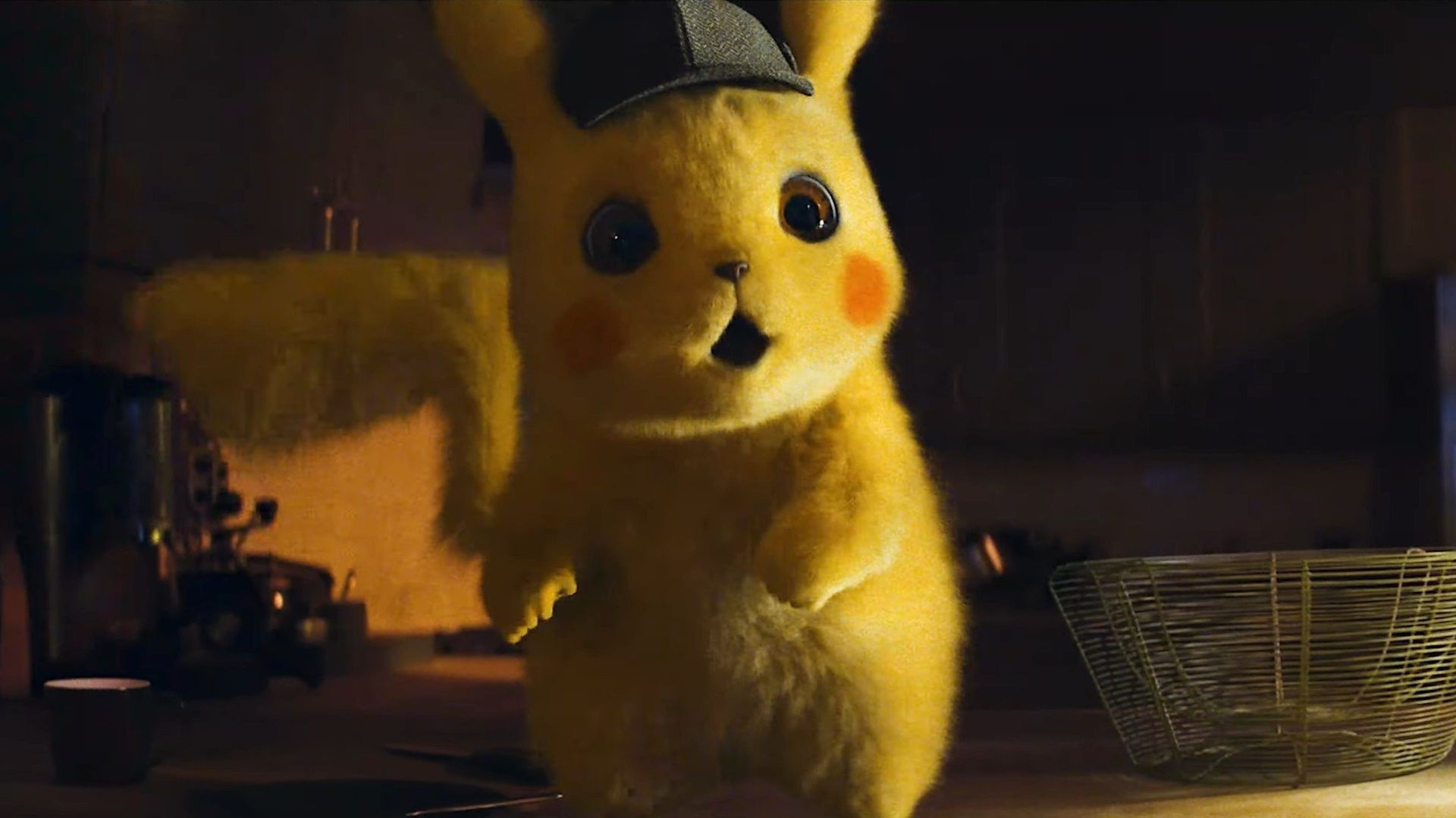
Moreover, some of the most shared clips include a short where a Pikachu-like creature is sliced open and another that closely resembles a mission from Cyberpunk 2077, complete with similar vehicles and voice-style elements. These examples show how precisely Sora can reproduce *aesthetic details* and scene composition.
Also, screenshots and reactions to Sora outputs have been shared on social platforms, which further amplified the discussion.
This is legitimately mind-blowing…
How the FUCK does Sora 2 have such a perfect memory of this Cyberpunk side mission that it knows the map location, biome/terrain, vehicle design, voices, and even the name of the gang you're fighting for, all without being prompted for any of… pic.twitter.com/GoJTcHgtFs
— Pliny the Liberator 🐉󠅫󠄼󠄿󠅆󠄵󠄐󠅀󠄼󠄹󠄾󠅉󠅭 (@elder_plinius) September 30, 2025
How OpenAI is reacting
OpenAI has acknowledged the issue and said it will give rightsholders more control. According to reporting, the company is asking copyright owners to opt out of Sora, while it builds more granular controls. For details about the opt-out approach, see the Wall Street Journal coverage here.
In addition, CEO Sam Altman posted about the situation and said Sora revealed how strongly users connect with Japanese content. He also promised more control for rights holders beyond a simple opt-out. In his post, Altman wrote:
“We are hearing from a lot of rightsholders who are very excited for this new kind of “interactive fan fiction” and think this new kind of engagement will accrue a lot of value to them, but want the ability to specify how their characters can be used (including not at all). We assume different people will try very different approaches and will figure out what works for them. But we want to apply the same standard towards everyone, and let rightsholders decide how to proceed (our aim of course is to make it so compelling that many people want to). There may be some edge cases of generations that get through that shouldn’t, and getting our stack to work well will take some iteration.”
Read Altman’s update on Sora on his blog: Sora update number 1.
Japan and rightsholders
Because Sora has been especially effective at reproducing *anime* visuals, there has been notable pushback in Japan. Lawmakers and industry figures raised concerns that generative models could erode control over cultural works. For instance, Japanese politician Akihisa Shiozaki organized discussions with government officials about intellectual property protections and urged prompt action.
私も触ってみましたが、重大な法的・政治的問題があると感じました。世界をリードする日本のクリエイターの皆さんやコンテンツ産業を守り、育てていくためにも、早急に対応したいと思います。
(なぜかディズニーやマーベルのキャラクターは表示不可の模様) https://t.co/Lie9DBrO6L
— 塩崎あきひさ 【衆議院議員・愛媛1区】 (@AkihisaShiozaki) October 1, 2025
【Sora2が問う「創作の尊厳」ーー日本のコンテンツをどう守り育てるか】
「やられました。このままでは日本のコンテンツ産業が危うい。」
10月1日。漫画やアニメの権利関係に詳しい友人から届いた悲鳴のようなメッセージが、すべての始まりでした。… pic.twitter.com/fRKqctCLCX
— 塩崎あきひさ 【衆議院議員・愛媛1区】 (@AkihisaShiozaki) October 5, 2025
People at the meeting reportedly called for swift moves to protect creative works, arguing the technology could otherwise “devour Japanese culture.” At the same time, some rights holders said they see potential value in fan-created material, so opinions are mixed.
Nintendo and official responses
Nintendo has been frequently cited in the discussion because of its strong IP enforcement history. Online clips showing a doctored Sam Altman saying “I hope Nintendo doesn’t sue us” drew attention to how Sora can place public figures into stylized scenes. Video Games Chronicle reported on Nintendo’s public denial of coordination with the government over generative AI claims; read that report here.
Contrary to recent discussions on the internet, Nintendo has not had any contact with the Japanese government about generative AI. Whether generative AI is involved or not, we will continue to take necessary actions against infringement of our intellectual property rights.
— 任天堂株式会社(企業広報・IR) (@NintendoCoLtd) October 5, 2025
In the company’s own words: “Whether generative AI is involved or not, we will continue to take necessary actions against infringement of our intellectual property rights.” Nintendo reiterated its general stance on unauthorized use, but denied special involvement with government action.
In short, Sora’s launch has prompted quick reactions from creators, politicians, and companies. OpenAI says it will add more controls, while Japanese officials and some rightsholders push for clearer protections. For now, the debate is ongoing and likely to shape how visual generative models are managed in the months ahead.