Overwatch 2’s New Progression Hands Out Rewards for Playtime — Players Call It Engagement Bait
Blizzard changed Overwatch 2’s hero progression in Season 18, replacing many specific stat-tracking metrics with a simpler system that gives experience based on time played and hands out milestone rewards. The company framed the change as a way to reduce complexity, and players have posted examples and reactions online since the update went live.
- How XP, badges and rewards now work
- What this means for learning and stat tracking
- Visibility, social impact and reported toxicity
- Blizzard’s response and next steps
What changed in Season 18
Previously, each hero had multiple progression metrics: general ones like time played and eliminations, plus character-specific sub-stats such as Symmetra’s turret kills or Lifeweaver’s Life Grip saves. Players could earn badges for improving those sub-stats and unlock higher hero levels after meeting certain thresholds.
Under the Season 18 overhaul, progression now awards experience primarily for time spent playing a hero rather than for specific in-match achievements. In addition, older subdued progression badges were swapped for more colorful, neon-styled badges, and characters now include milestone reward tracks similar to a small battle pass.
How XP, badges and rewards now work
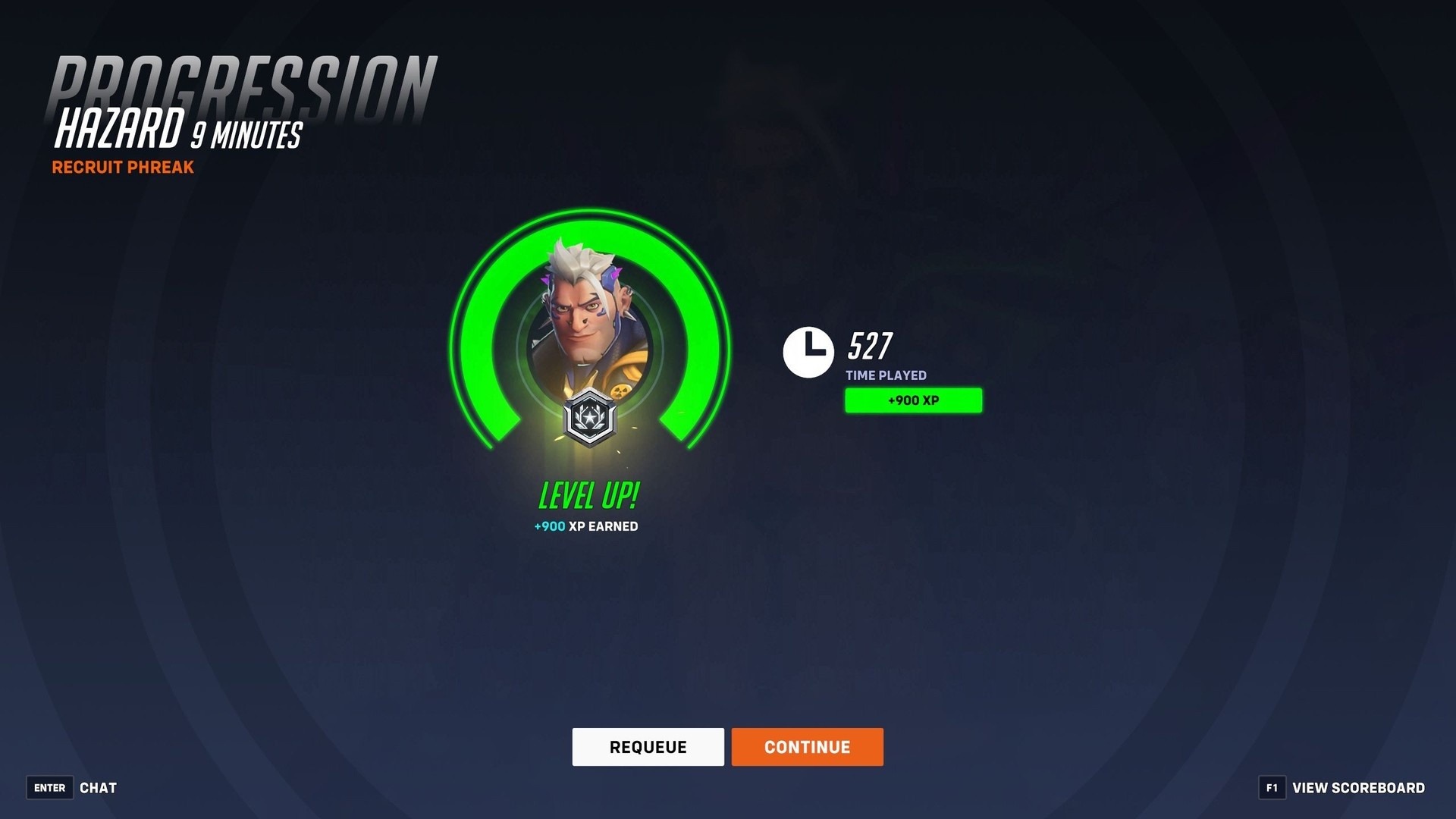
The new system gives XP mainly for time played with a hero. Consequently, players can earn level-ups and milestone rewards just by spending more time with a character, regardless of which actions they performed during matches.
Some community posts have shown rapid leveling and multiple milestone rewards after short play sessions, which players have shared as possible bugs or side effects of the change. Reports and clips have appeared on social platforms and Reddit since the update.
So there is a bug with silver bullet that if you aim it and like instantly cancel it with roll and shoot in quick succession it does like double the damage it's supposed to pic.twitter.com/QyNcbfmSQk
— Kaladin (@KaladinMeow) August 27, 2025
For discussion and wider community posts, see this Reddit thread that collects player reports and observations about Season 18 changes: the Reddit post.
What this means for learning and stat tracking
Under the old system, boosting a sub-stat encouraged players to use more of a hero’s kit — for example, practicing B.O.B. aim as Ashe or placing turrets thoughtfully as Torbjörn and Symmetra. Those tracked numbers served as concrete feedback on specific skills over time.
Now, because progression ties mostly to playtime, that specific feedback is less visible. Developers still offer in-game training for some characters, but the official training options pit players against predictable bots and are available only for a subset of the game’s roster.
Visibility, social impact and reported toxicity
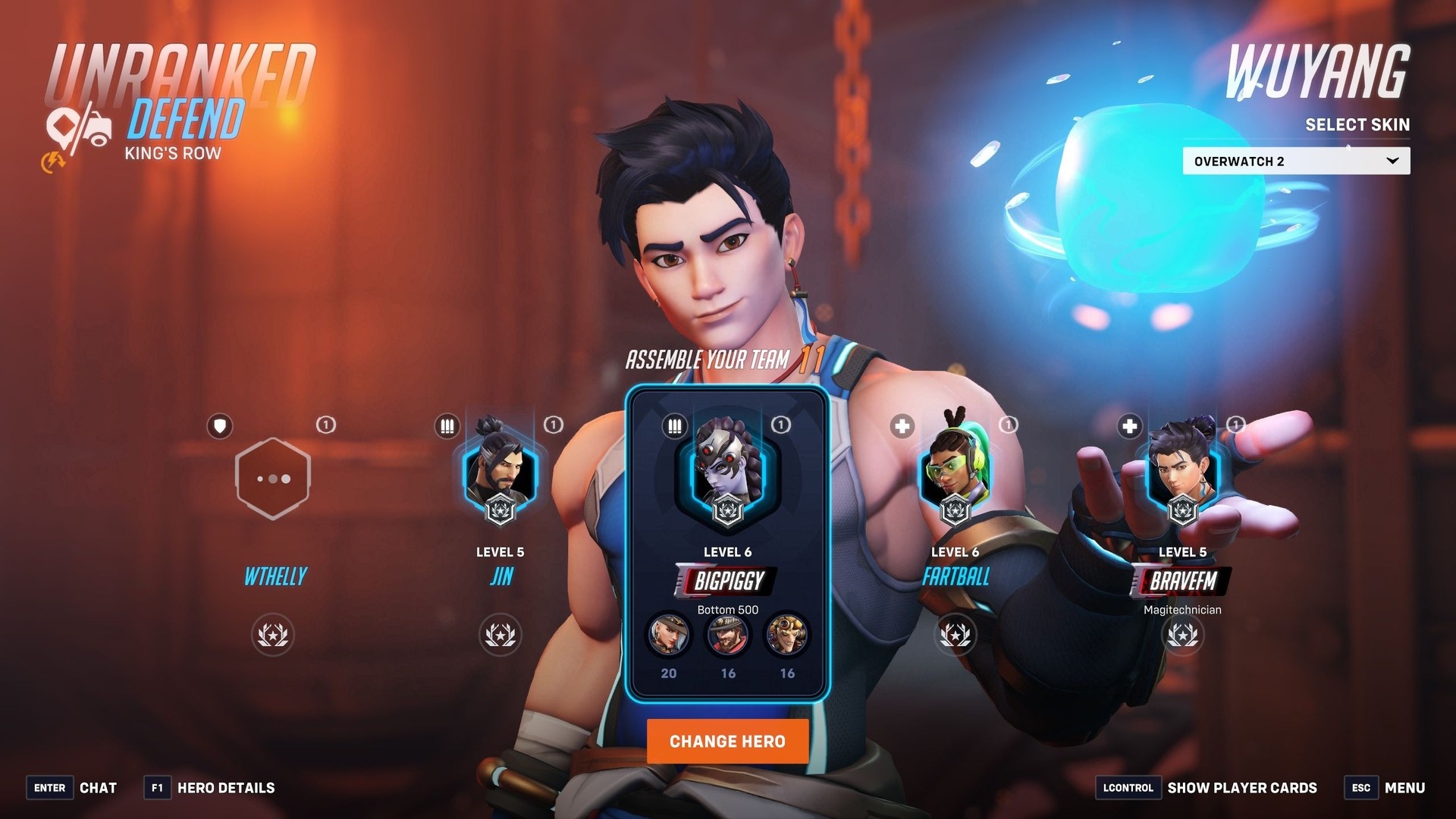
The redesigned progression interface shows each player’s top three highest-ranked characters and the rank of the currently selected character. That visibility lets teammates see which heroes others have been using most.
Several players reported instances where party members used those visible ranks to criticize teammates for trying unfamiliar heroes or for perceived mismatches between rank and performance. Some players also said they felt less comfortable trying new heroes in voice chat as a result.
@ml7supp Season 18 BUGS are RIDICULOUS #overwatch2 #gaming #overwatch
Blizzard’s response and next steps
A Blizzard representative told reporters that the team was busy with the launch of Season 18 and the Luka Dončić collaboration, and therefore could not provide a detailed comment before publication.
Separately, a Blizzard community specialist posted that the studio plans to add a “legacy” version of progression later that will include at least some of the data the previous system tracked.
I'll put this here for visibility – we couldn't fit it in the Prog 2.0 Weekly Recall, but all of the tracked info from before Season 17 is still saved server-side and there are plans to add a Legacy section in future seasons. That info isn't lost, just not visible atm! https://t.co/AvLBgMEUgL
— Liz Richardson (@mizliz_) August 26, 2025