Paul W.S. Anderson on Mortal Kombat’s spine‑rip ban, Goro’s on‑set chaos and how an arcade habit helped make a $122M hit
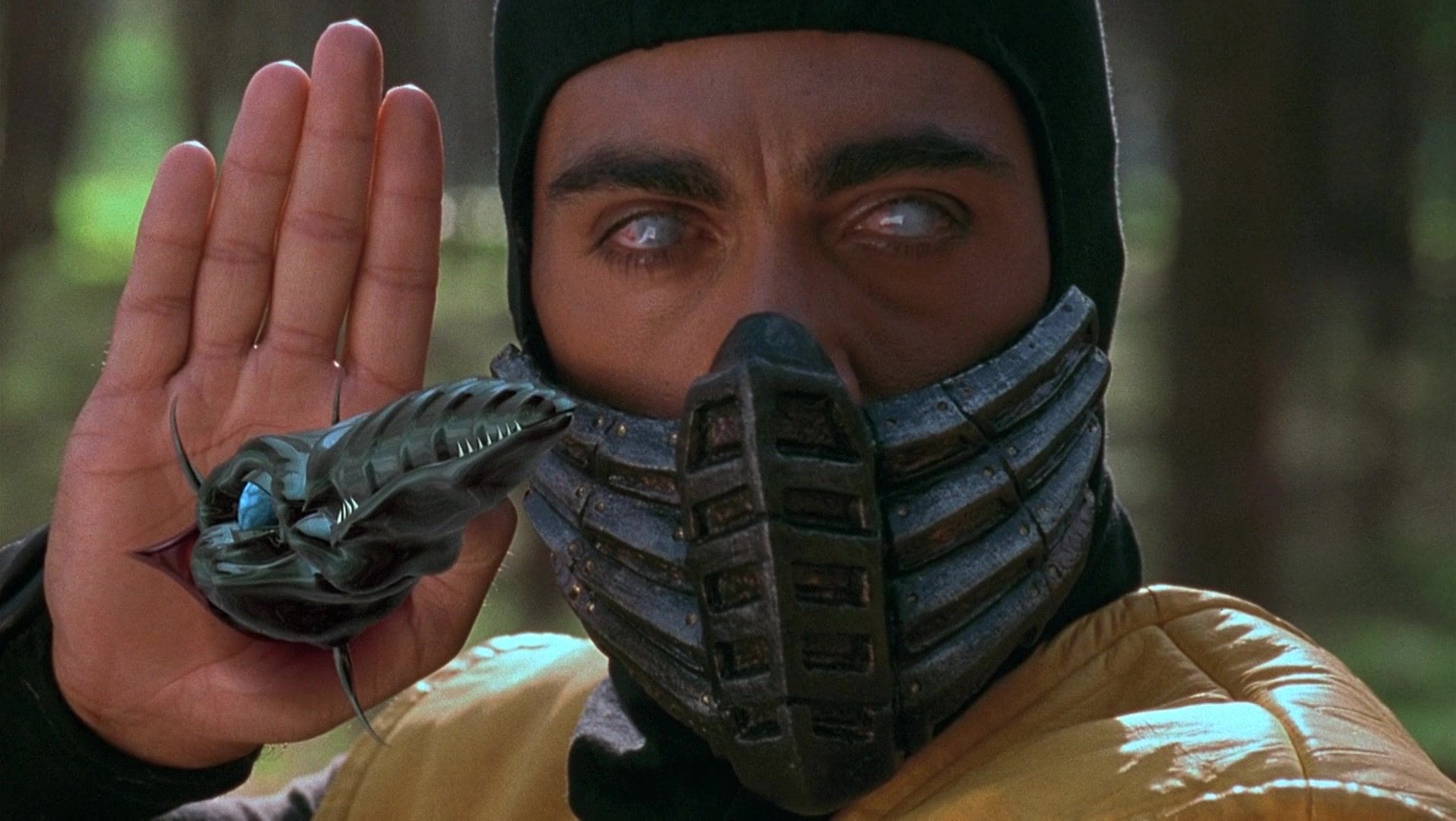
Paul W.S. Anderson, now 60, looks back on directing Mortal Kombat, the 1995 film that helped launch his career and brought video game characters to the big screen in a commercially successful way.
- How Anderson moved from arcades to film work.
- Key casting and on-set choices, including Cameron Diaz testing and Christopher Lambert’s role.
- Location challenges, Goro’s animatronics, and the PG-13 rating decision.
- Box office results and why Anderson did not return for the sequel.
From arcades to a first big break
In the early 1990s, Anderson took regular five-hour train trips from northern England to London to meet producers and to spend time in a nearby arcade. He says he practiced on a Mortal Kombat machine and played as Johnny Cage. Meanwhile, his debut film Shopping screened at the Sundance Film Festival, where Michael De Luca of New Line Cinema noticed Anderson’s low-budget action work and offered him the chance to direct Mortal Kombat.
How Anderson approached the movie
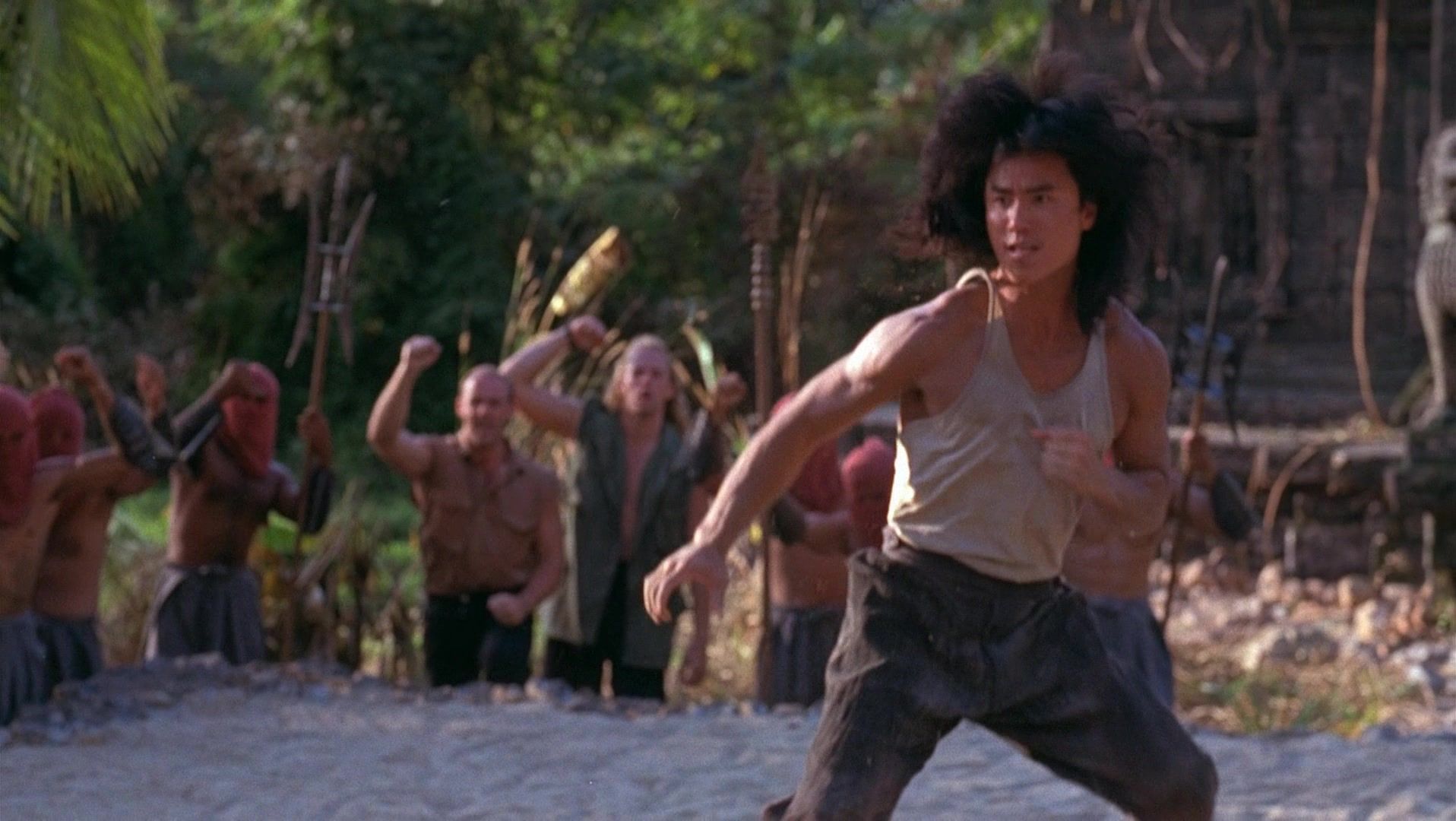
New Line provided a 20-page outline based on the first game. Anderson described the structure as similar to Enter the Dragon with mythological elements. He has said, “I had to bluff my way in, pretending that I knew about visual effects and shooting action, when I really didn’t.” Therefore, he relied on collaborators to handle stunts and effects while learning on set.
Casting decisions and changes
New Line set a production budget of roughly $20 million. The studio and Anderson aimed for realism by having actors perform many of their own stunts. As a result, casting included tests and last-minute changes. Anderson says, “Cameron Diaz did test for the role of Sonya,” but after injuring a finger in a fight test she dropped out. The role went to Bridgette Wilson.
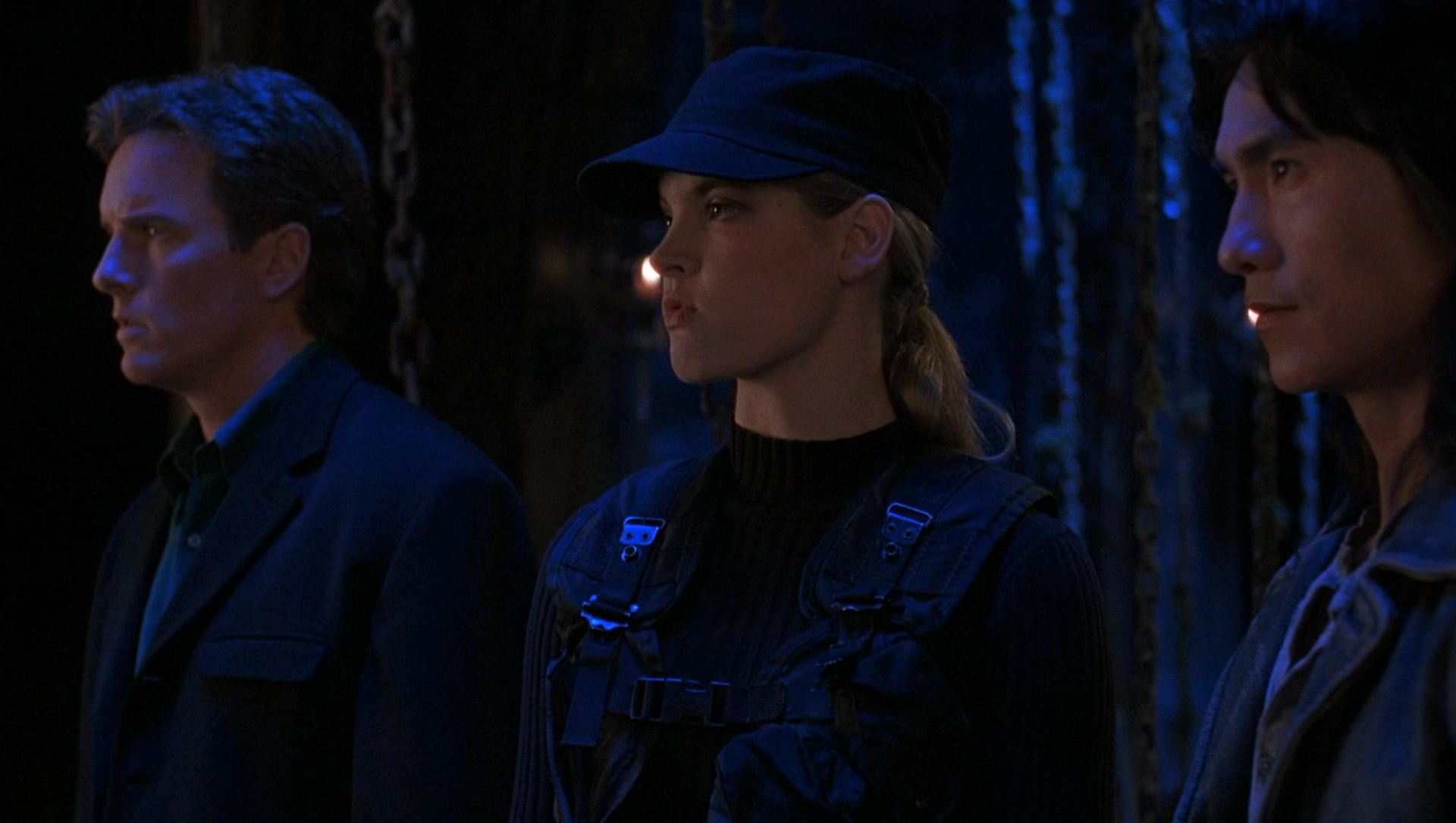
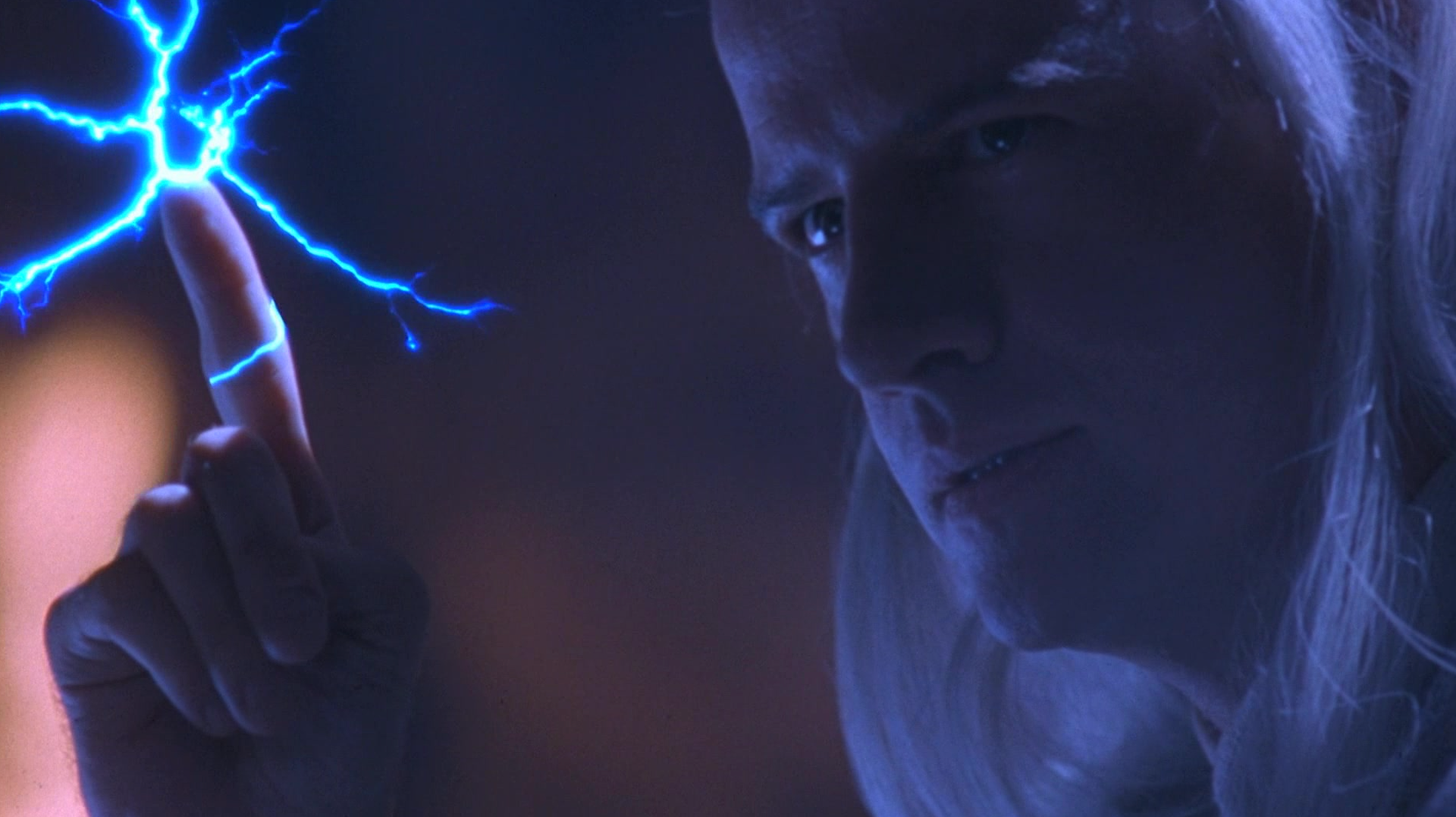
Anderson cast Linden Ashby as Johnny Cage and says Jean-Claude Van Damme “was never seriously discussed.” The studio pushed to sign Sean Connery as Raiden, but the part went to Christopher Lambert. Lambert initially had a short shooting schedule, so Anderson shot many close-ups with him first; however, Lambert extended his time and later traveled to Thailand to film exteriors at no extra cost.
Locations, sound problems, and fight choreography
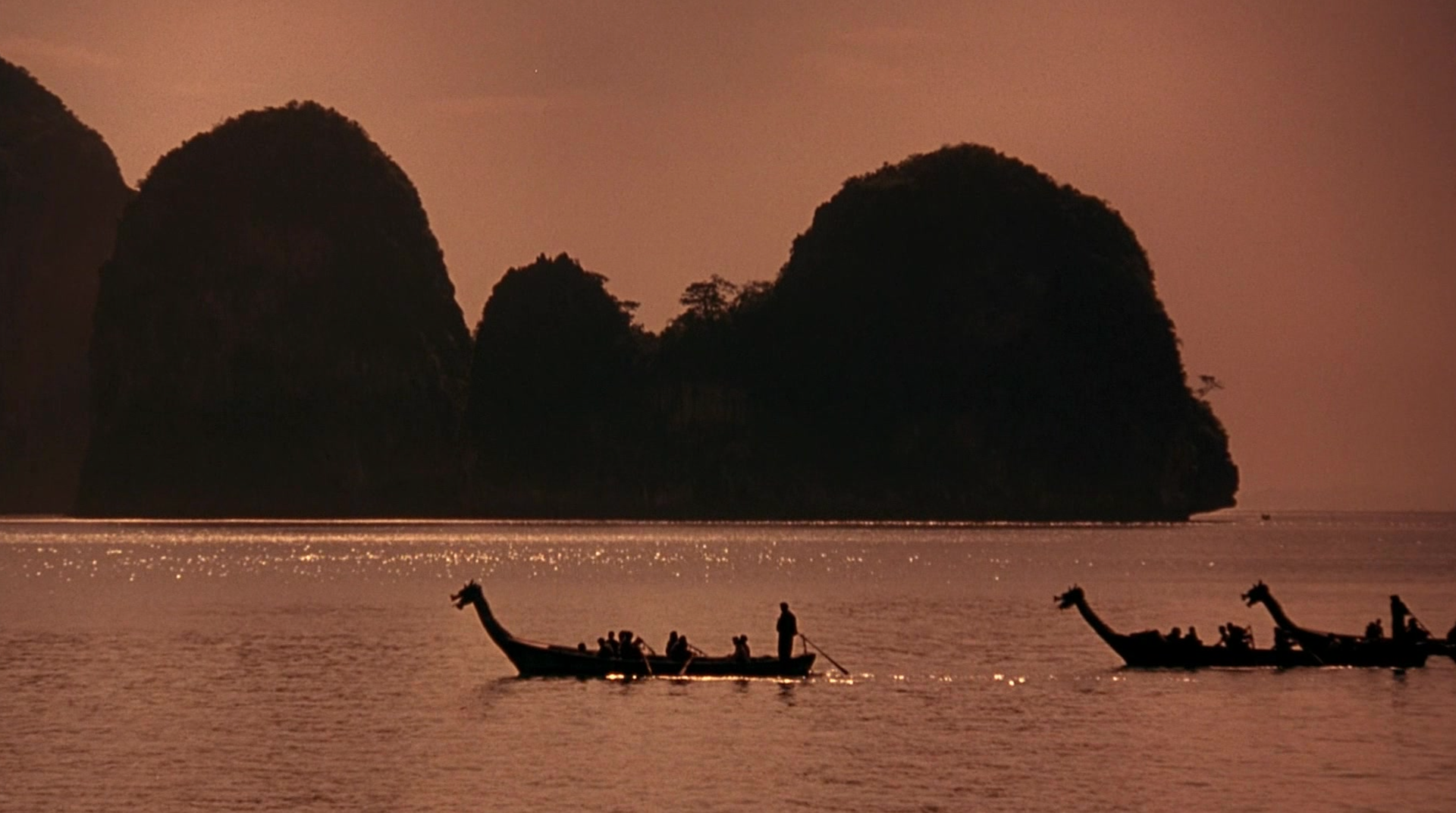
Sweeping exterior shots were filmed on a Thai beach, while interiors were shot in low-cost Los Angeles spaces such as a warehouse on Washington Boulevard and aircraft hangars. Anderson recalled significant noise issues from airfields, forcing tight timing for dialogue recording. He also said he tried filming some speeches in single takes and later reflected, “I was young and foolish.”
For fight scenes, Anderson worked with director of photography John Leonetti, fight coordinator Pat E. Johnson, and actor-stuntman Robin Shou. Anderson initially filmed long master wide shots of whole fights, but Robin Shou asked him to change that approach so actors could conserve energy for the close-up moments.
Goro: animatronics and logistics
The four-armed character Goro was built by Amalgamated Dynamics. At the time, the company mainly consisted of Alec Gillis and Tom Woodruff. Woodruff operated Goro from inside the suit while Gillis puppeteered the upper arms and head. Anderson said, “He was very twitchy” and added, “He had a lot of problems, but he delivered great for us.”
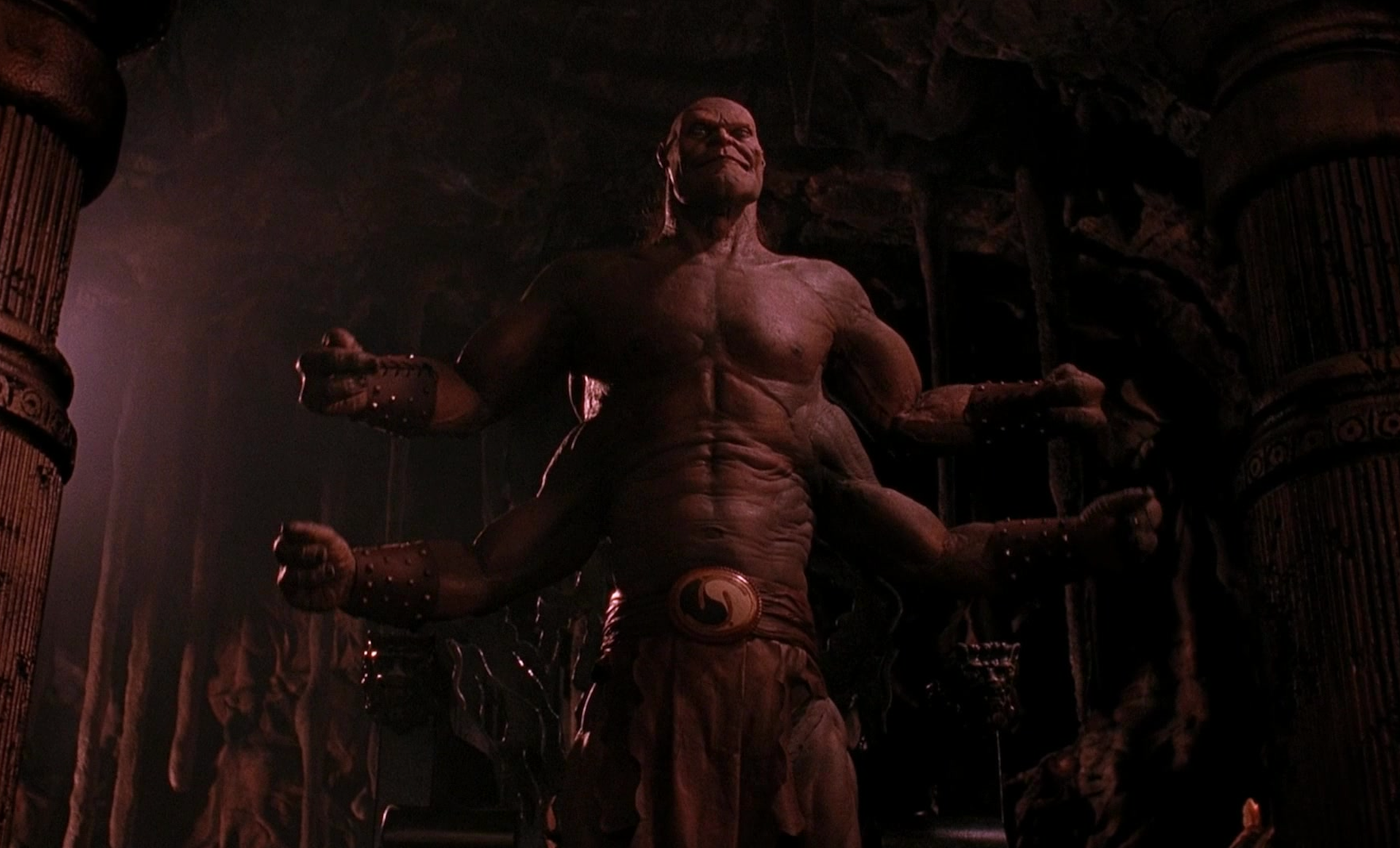
Because of humidity and sand, the animatronic Goro could not be used on the Thai beach. Consequently, the production rewrote some scenes so that Goro could be shot in Los Angeles, and a secondary “stunt Goro” handled more physical action with spring-mounted parts.
Violence, rating, and box office
New Line aimed for a PG-13 rating to keep the movie accessible to teenage fans. Anderson stated, “At the time, I trusted the studio. They wanted PG-13. Those were the marching orders. And I marched to that drum.” He also said he “pushed the limits of PG-13” and noted, “You just couldn’t rip any spines out.”
Rather than relying on graphic gore, Anderson emphasized fight choreography. He said, “We made up for it by just having damn good fight scenes. Rather than just relying on blood.” The film opened in August 1995 and grossed about $122 million worldwide on the reported $20 million budget, and it led the box office for three consecutive weeks.
Why Anderson did not direct the sequel
Anderson chose not to return for the follow-up. When asked later if he engaged with newer Mortal Kombat entries, he said, “Not really.” He added, “Not because I don’t love Mortal Kombat, but because I always want to try new things. That’s why I didn’t direct the sequel. I wanted to spread my wings and did Event Horizon instead.” Finally, he said, “I made my Mortal Kombat, and I’m happy with it. I always look forward, not back.”