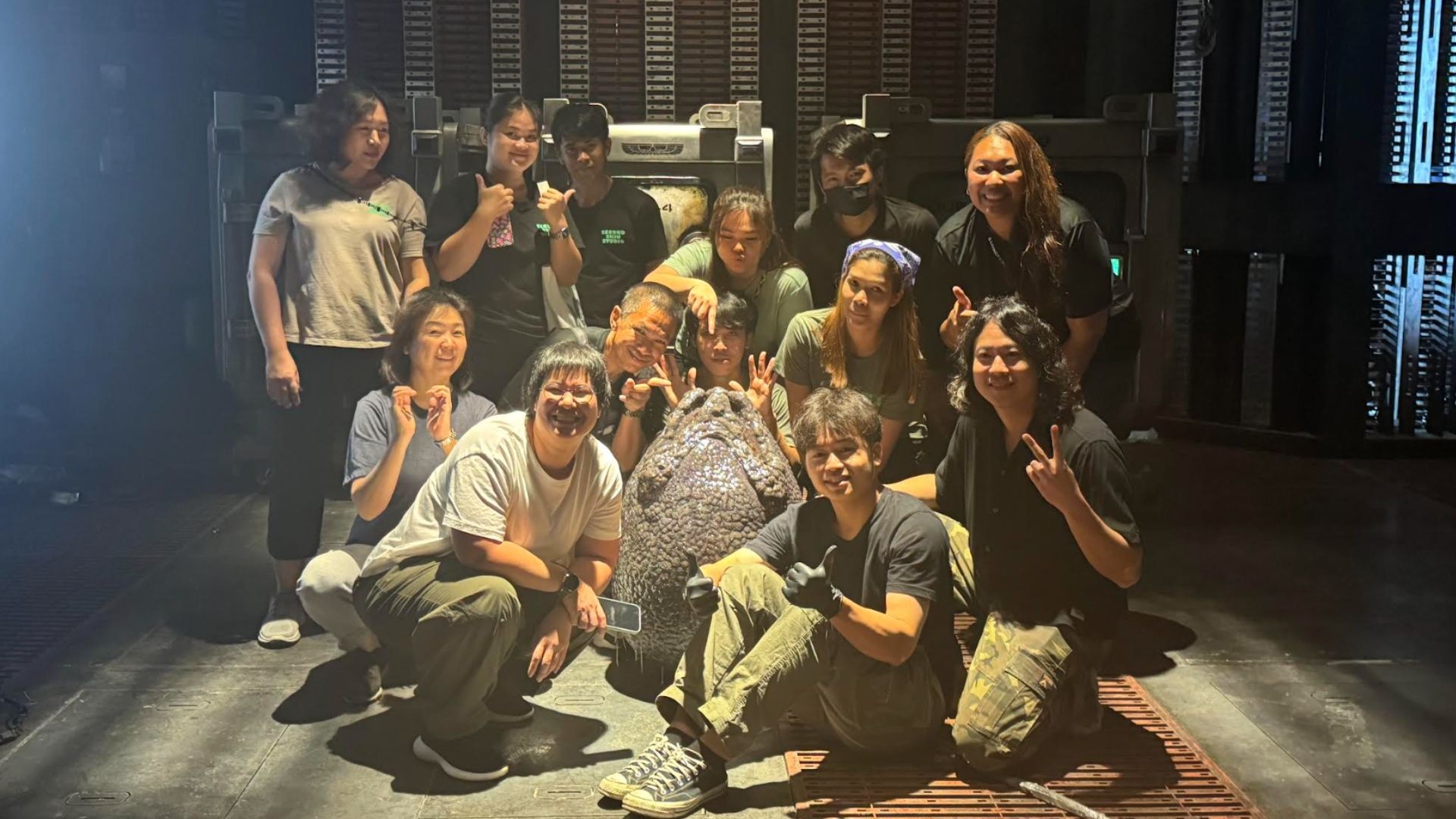
Prosthetics Team Teases Jaw‑Dropping, More Terrifying Creatures for Alien: Earth Season 2
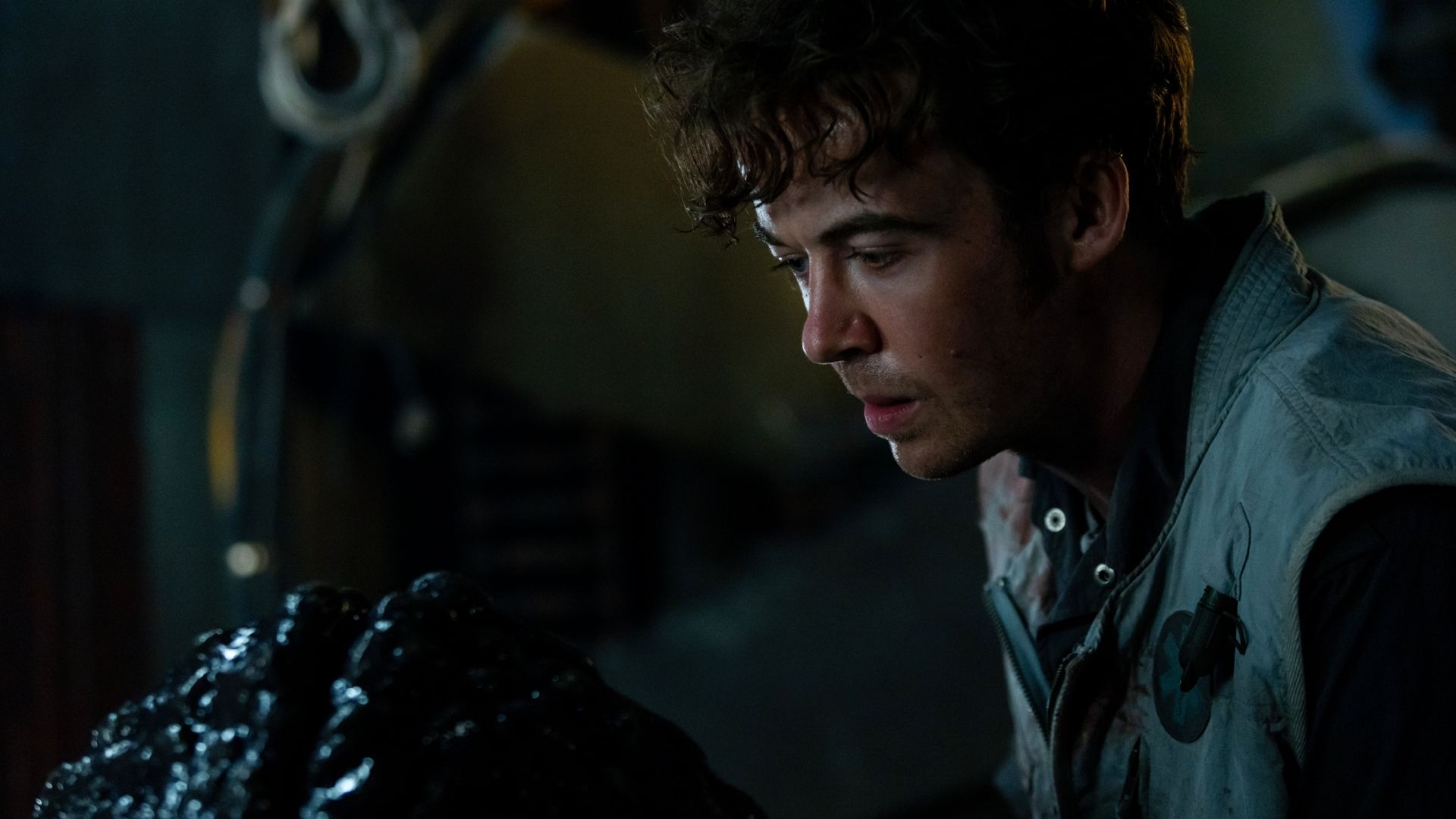
Second Skin Studio — working with Wētā Workshop and Alien: Earth’s creators — built many of the show’s practical creatures and props, from Xenomorph eggs to a so‑called “Eye Midge.” They used a mix of silicone, animatronics, 3D prints and glycerin to achieve wet, organic looks, and they also provided on‑set reference pieces for VFX.
- What the team built
- Xenomorph eggs and embryo
- Other creatures and props
- Process and collaboration
- Challenges on set
- Season 2 hints
What the team built
Second Skin Studio created multiple practical versions of the show’s creatures, often in more variations than what appears on screen. They built different sizes and forms for shots, and they also made support props used in specific stunts and effects.
Xenomorph eggs and embryo
According to the team, the Xenomorph eggs were made to feel warm and sticky. The shells were coated with vegetable glycerin to get that wet, organic texture, and the studio worked to make internal layers visible in some designs.
Wētā Workshop provided the initial 2D embryo concept. Then Second Skin sculpted a 3D model and 3D‑printed over 10 different sizes for director selection. After scale approval, they molded and cast versions designed to look like translucent jelly so the embryo’s skeletal form would show underwater.
Other creatures and props
The crew lists these practical builds and support items:
- monstrous ticks with multiple lifecycle variations;
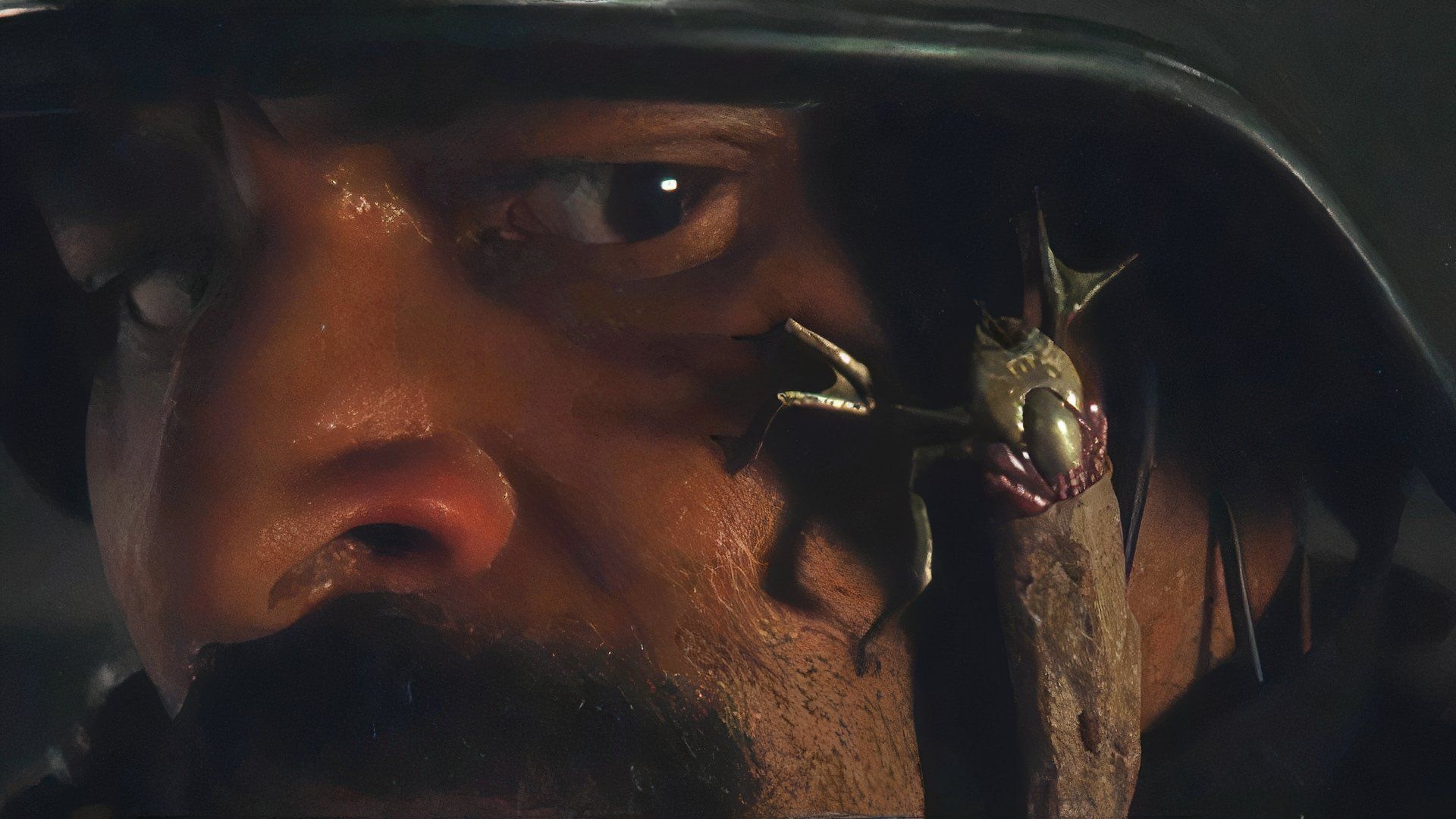
- tentacled eyeballs often called “Eye Midge” by crew;
- flies and a flies’ nest;
- a green chestburster used on set as an actor reference;
- a sheep stunt for a collapse and death scene;
- a Xenomorph foam prop inside a bag for a containment moment;
- silicone dummies, a cat dummy with the Eye Midge, hair work and prosthetics for close sequences.
Process and collaboration
The workflow was collaborative. Wētā and the director supplied initial concepts. Second Skin then turned those concepts into practical builds that could be used on set and integrated with VFX. They ran tests, adjusted materials and refined prototypes based on feedback from the director and the VFX supervisor.
{eyeball-alien-earth_20251004_203038.jpg}
Challenges on set
Second Skin highlighted several practical challenges. For example, building eggs that open, stay intact under heat, or work as animatronics required many variations and a lot of trial and error. The team also noted Thailand’s hot climate made keeping certain materials stable harder during production.
On maintaining franchise continuity, Tor said: “That’s something we never actually discussed with the director [Noah Hawley]. But from what I understand, in the original 1979 Alien, Ridley Scott used a clever camera trick — shooting upside down so that water droplets falling under gravity looked like they were dripping upwards — to make the eggs feel unsettling and alien.” The team added they used vegetable glycerin for the wet look, echoing techniques from the original film.
Season 2 hints
Second Skin confirmed they produced concepts that didn’t make season 1. Tor said future developments would depend on the director, and he noted: “You still haven’t seen how they build their nests.”
Honey added that the team hopes to bring unused concepts to life if there is a season 2 and teased “maybe even something more terrifying, something that will leave fans completely jaw‑dropped.”