PS1 at 30: The Strange, Brilliant Oddballs That Defined PlayStation’s First Era
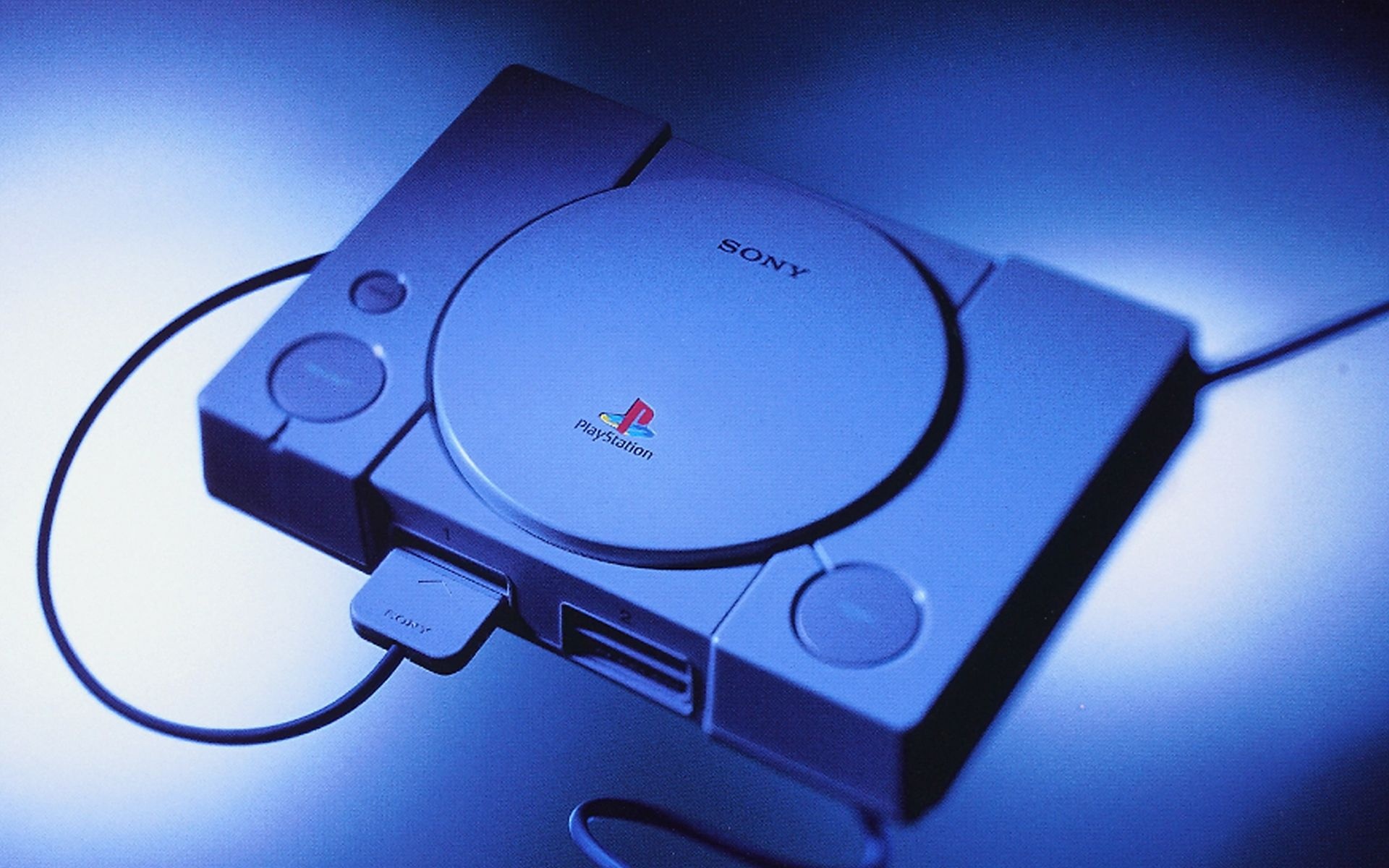
Sony’s original PlayStation turns 30 this year, and its library still stands out for being unexpectedly strange at times. Released in North America in September 1995, the PS1 helped make CD-based 3D gaming mainstream, launched multiple long-running franchises, and hosted a wide mix of polished hits and experimental oddities.
- The PlayStation launched in North America in September 1995 and followed an early collaboration with Nintendo; see the report on that partnership.
- Sony cut the console’s price from $299 to $199 one year after launch, which boosted sales.
- The system helped make CD-based 3D games mainstream; earlier CD consoles existed, as noted by this retrospective.
- The PS1 hosted both major franchises (Resident Evil, Tomb Raider, Gran Turismo, Tekken) and very odd titles like LSD: Dream Emulator and PaRappa the Rapper.
- Final Fantasy VII, one of the console’s best sellers, contains moments that modern remakes have altered or removed.
How the PlayStation launched and why it mattered
The PlayStation began as a hardware experiment and reached North America in September 1995. Initially tied to an ill-fated deal with Nintendo, that partnership has been documented by outlets such as Video Games Chronicle. Soon after release, the PS1 outsold the Sega Saturn in the U.S.; according to reporting, it overtook Saturn sales in just two days in one market push — a milestone covered by IGN.
Moreover, Sony’s design choices helped the console stand out. The gray, Discman-influenced case and the now-iconic face buttons (triangle, square, circle, cross) became instantly recognizable. Consequently, the machine’s look and controller layout have influenced PlayStation brands ever since.
CD format, pricing, and early third-party momentum
Before the PlayStation, there were other CD-based consoles, but the PS1 made the format affordable and popular; see a list of earlier systems in this piece. Because Sony dropped the retail price from $299 to $199 about a year after launch, the system reached a larger audience and encouraged more third-party support.
As a result, the PS1 became the launch pad for franchises that remain significant today, including Resident Evil, Tomb Raider, Gran Turismo, and Tekken. At the same time, the platform hosted a wide range of smaller, experimental titles.
Weirdness, experimentation, and variety
The PS1 library mixed mainstream blockbusters with genuinely odd ideas. For example, you could find rhythm-based paper-cutout games like PaRappa the Rapper, cinematic stealth-action like Metal Gear Solid, and large pixel-based RPGs like Suikoden.
Meanwhile, there were quieter or more conceptual games. The Japanese title Boku no Natsuyasumi explored a child’s summer in the countryside, and LSD: Dream Emulator presented short, surreal exploration runs.
For a factual overview of LSD: Dream Emulator, see its page on Wikipedia.
Final Fantasy VII: a high-profile example of PS1 oddities
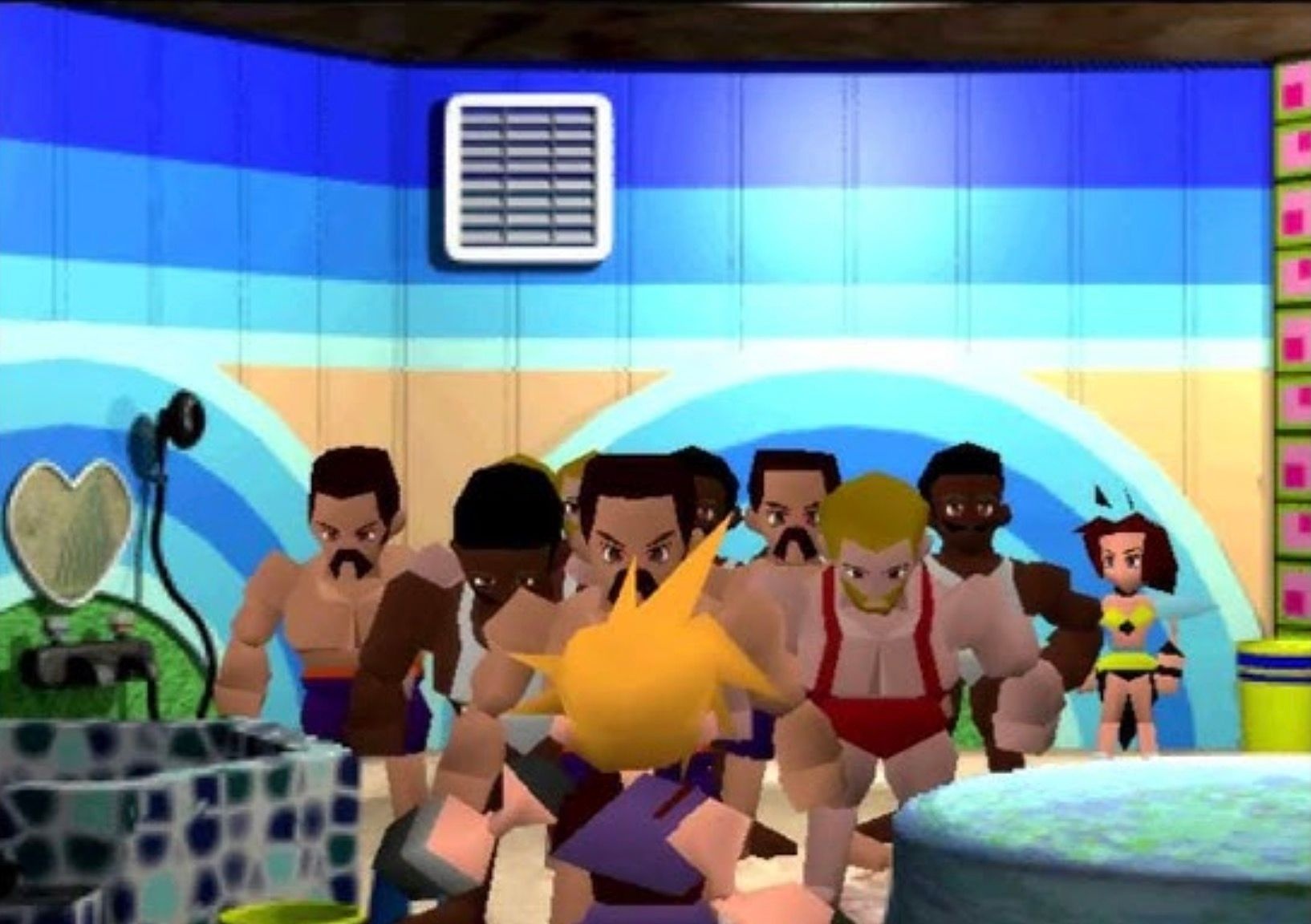
Final Fantasy VII was one of the PlayStation’s best-selling games, and it contains several scenes that stand out today for their tone and content. The game’s central group opposes a corporation that controls a planetary resource; this theme is presented through the story and missions. Additionally, the game includes a nightclub cross-dressing sequence and other side content that modern remakes have reworked.
One memorable NPC line quoted in discussions of the original is “Daddy’s so lonely.” Also, community discussions have pointed to instances where in-game domestic abuse is portrayed in a way that some players have criticized; see a community thread discussing Cid’s relationship on Reddit.
From PS1’s lo-fi charm to today’s tentpole focus
Over the PS4 and PS5 generations, Sony’s first-party output has often emphasized large, cinematic single-player titles. Examples include The Last of Us, Spider-Man, God of War, and Elden Ring (published on PlayStation platforms). Square Enix’s Final Fantasy VII Remake also reinterpreted the original’s content and presentation.
However, Sony still publishes games that reference or celebrate older styles. For instance, Astro Bot was noted for its playful nods to PlayStation history, while other modern titles blend AA and indie sensibilities.
An industry view from a former PlayStation executive
In an interview with Forbes, former PlayStation VP Adam Boyes offered a media-industry analogy: “PlayStation is HBO, Microsoft is Netflix, and Nintendo is Disney.”
Where the weird lives now
Indie and experimental games continue to thrive across multiple platforms rather than being concentrated on one console. This year saw several offbeat releases, including Promise Mascot Agency, Blue Prince, and Despelote. At the same time, some modern PlayStation releases and indie titles revisit the PS1’s looser, scrappier aesthetic.
In short, the PlayStation 1 helped mainstream CD-based 3D games, launched enduring franchises, and left behind a library that still reads as unusually diverse. For those reasons, the console’s 30th anniversary is a useful moment to look back at how wide-ranging PlayStation’s early catalog really was.