Raised $1.4M on Kickstarter, Broke Mid-Shoot, Then Neon Bailed Him Out — Inside Chris Stuckmann’s Shelby Oaks
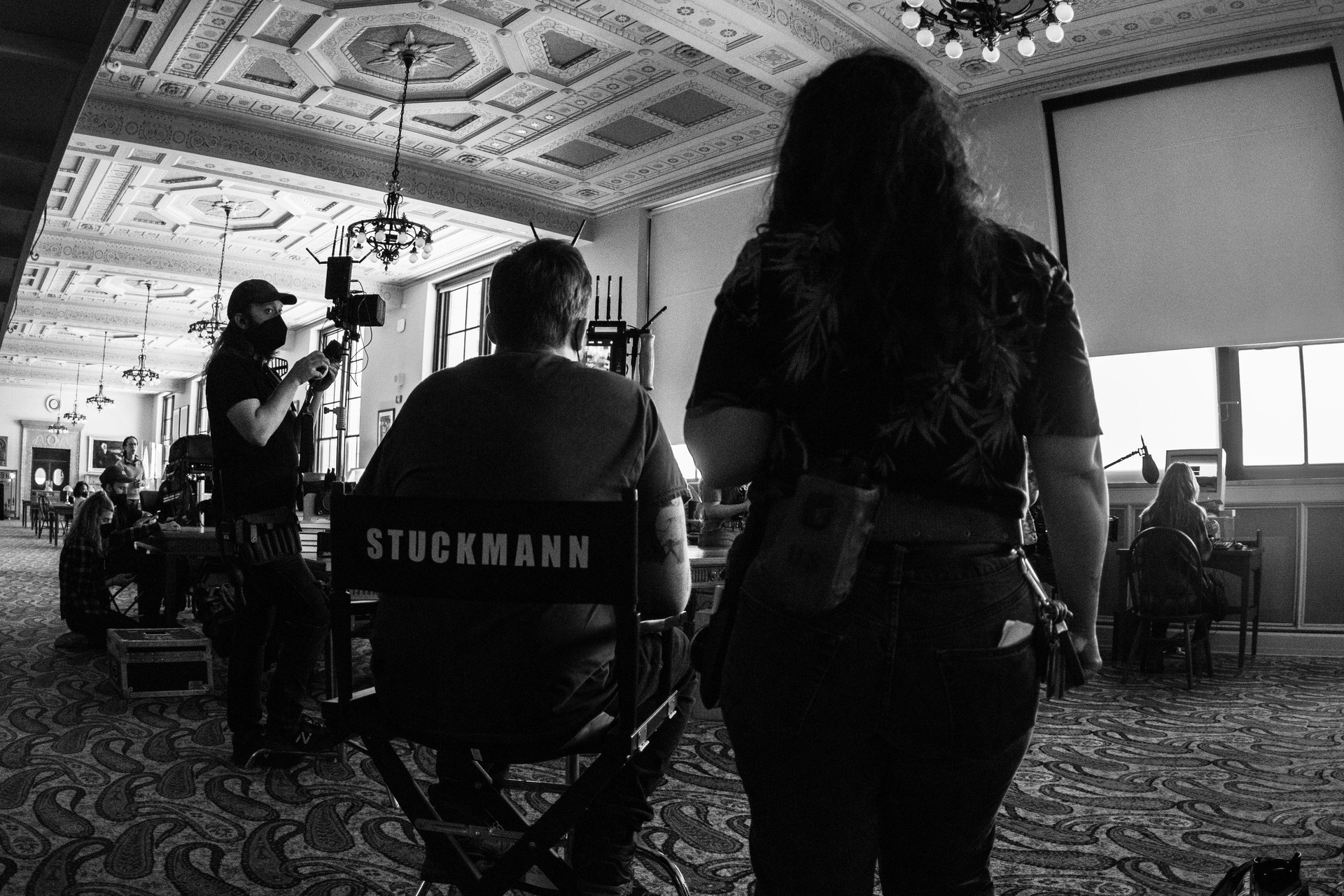
Chris Stuckmann, a longtime YouTube film critic, turned director with Shelby Oaks. He raised $1,390,845 on Kickstarter after an initial $250,000 goal, filmed in Ohio on a shoestring, ran out of money near the end of production, and then finished key scenes after indie distributor Neon bought the film and paid for additional shooting days. The movie opened in theaters on Oct. 24 and earlier premiered at Fantasia in July 2024.
How it was funded
Stuckmann launched a Kickstarter on March 1, 2022 with a goal of $250,000. The campaign raised $650,000 on the first day and ultimately brought in $1,390,845. Even so, the production still ran out of money before finishing everything written in the script. As Stuckmann said, “We shot this movie for what most people in Hollywood would call nothing.”
Locations and production
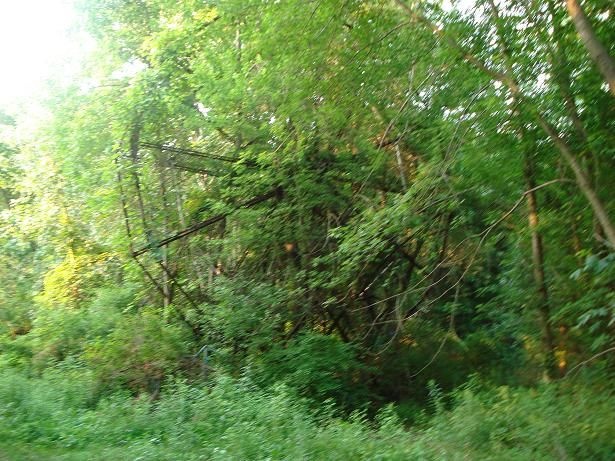
The film used real locations in Ohio to stretch the budget. Key sites included Chippewa Lake Park, an abandoned amusement park Stuckmann had first visited as a child, and Ohio State Reformatory in Mansfield, which is known from The Shawshank Redemption.
Stuckmann leaned on local contacts and favors. When a hospital manager canceled permission to shoot a scene, the crew found an alternate site that fit better. He explained the risk plainly: “The challenge became: OK, I wrote this location into the script, but that’s a risk, because now we have to get permission to shoot there. Otherwise, the scene literally doesn’t work. We can’t afford to build a Ferris wheel.”
Neon and final shots
After a Fantasia premiere in July 2024, Neon acquired Shelby Oaks. The distributor read Stuckmann’s original script and noticed several scenes missing from the cut because the production had run out of funds. Stuckmann recalled, “Neon was very interested in my original script. They read it, and they came back to me and were like, ‘There’s a couple things in here that you didn’t put in the movie, and we’re just curious why.’ And I told them, ‘Because we ran out of money.’”
Neon paid for three extra days of filming. Those days allowed Stuckmann to add a more intense death scene and shoot additional footage of demonic dogs that stalk the protagonist, Mia. Stuckmann also used on-set practical effects rather than CG for blood work, describing one session: “We had a whole day on green screen where we just splattered blood around.”
{shelby-oaks-1_20251020_163040.jpg}
Acclaimed horror creator Mike Flanagan is listed as an executive producer and offered mentorship during the process. Stuckmann described Flanagan as his “compass,” helping him navigate whom to trust in the industry.
Style and influences
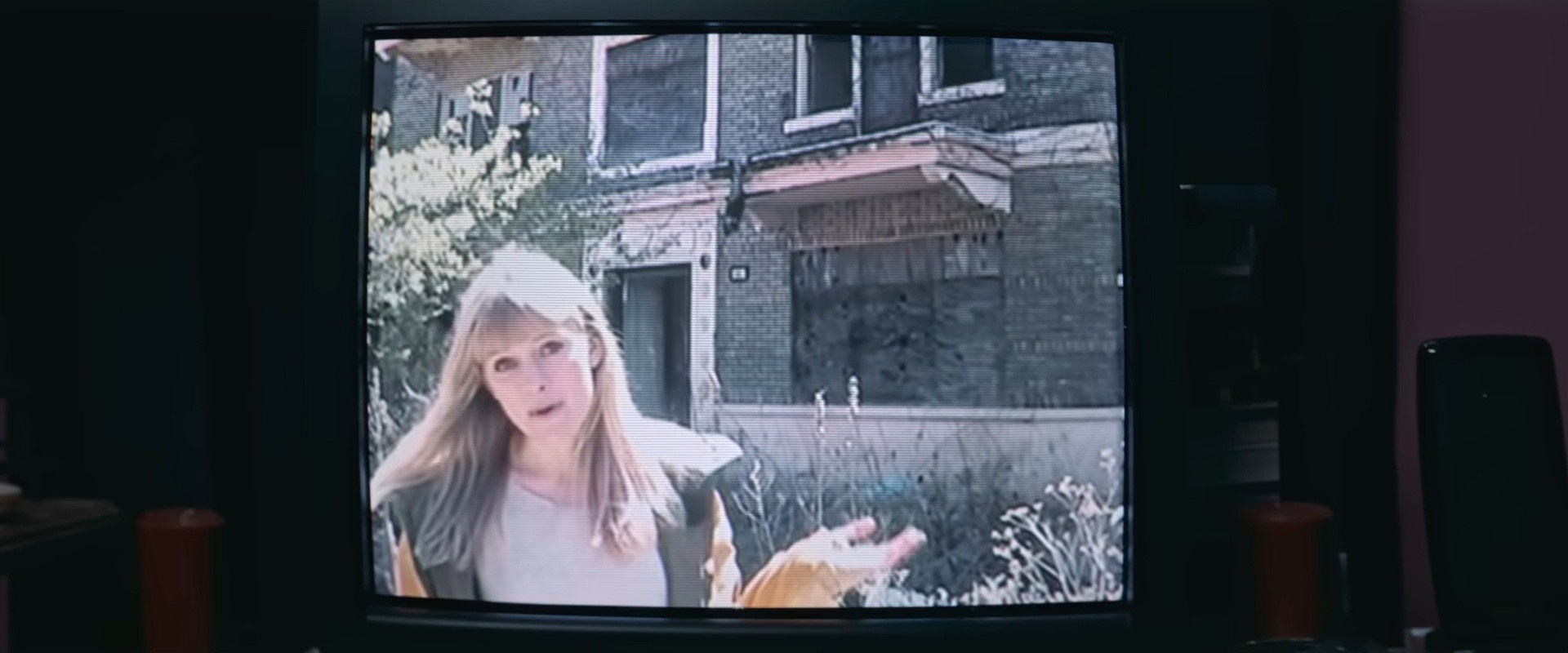
Shelby Oaks blends mockumentary framing with more traditional horror storytelling. The film opens as a faux documentary about a missing YouTuber group called Paranormal Paranoids, then shifts to wider cinematic shots and conventional narrative scenes.
The movie intentionally references early internet horror and creepypasta culture, leaning into the feel of late ’90s and early-2000s online scares. Stuckmann said, “No one was looking out for AI or VFX on YouTube back then. It felt like you could see something real. I would see videos like that, and I would think, Man, are aliens real? Is this actually happening?”
Cast and premise
The plot follows Riley Brennan (Sarah Durn) and friends, who disappear while investigating an abandoned amusement park. A decade later, Riley’s sister Mia (Camille Sullivan) searches for answers and uncovers darker forces. The film mixes found footage elements—characters finding and watching recorded tapes—with straightforward horror scenes.
What comes next
Stuckmann has multiple spec scripts and pitches in motion. He indicated one follow-up project is gaining traction, with producers and talent attached, though he could not share details until a deal is finalized. He also mentioned a personal drama about growing up as a Jehovah’s Witness that he hopes to make eventually.
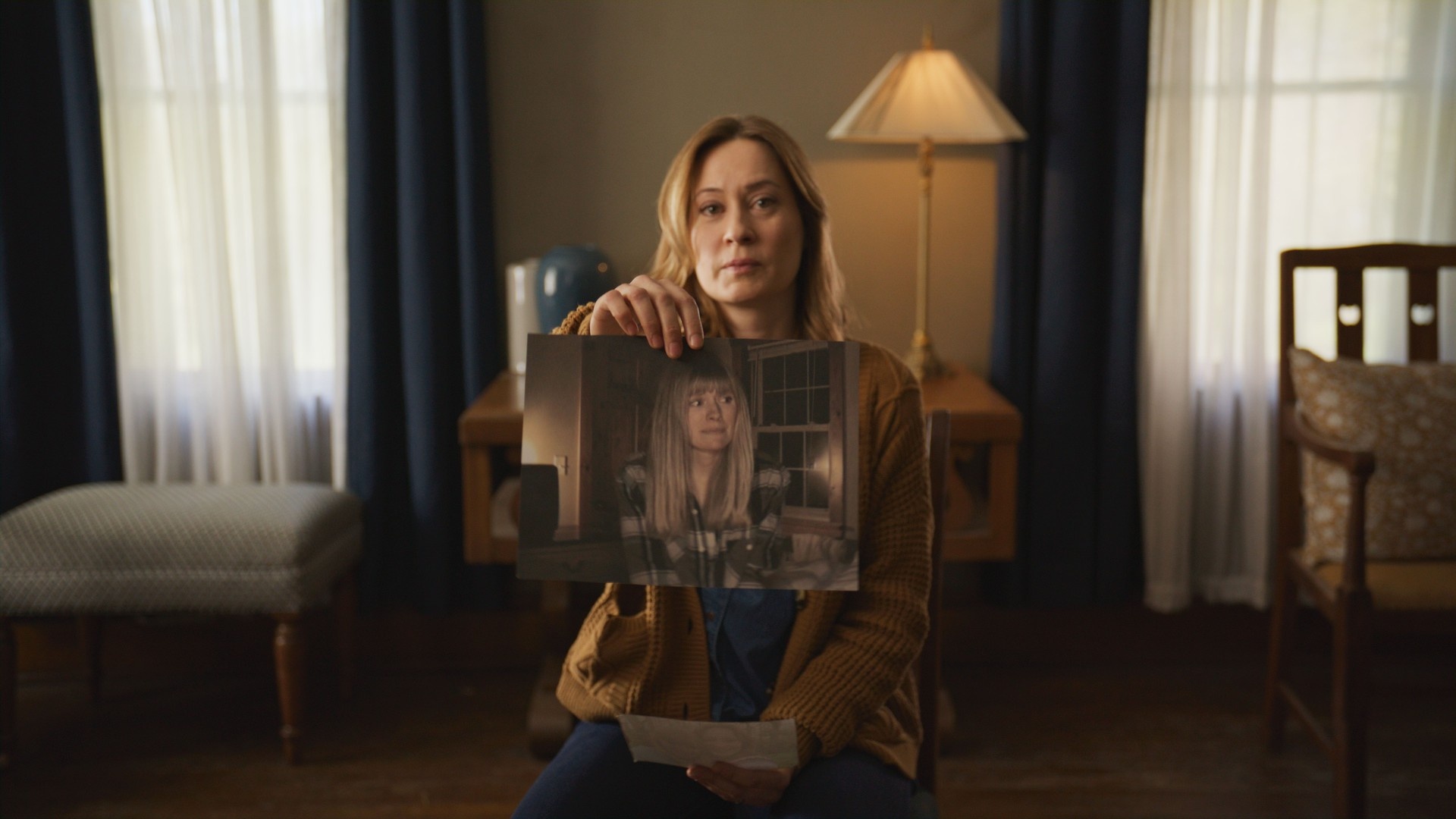
Meanwhile, Shelby Oaks is Stuckmann’s first theatrical release. He said simply, “I’m ready to go.”