Robots, Noodles, and Queer Identity: Annalee Newitz Serves Up a Cozy Sci-Fi Feast in Automatic Noodle
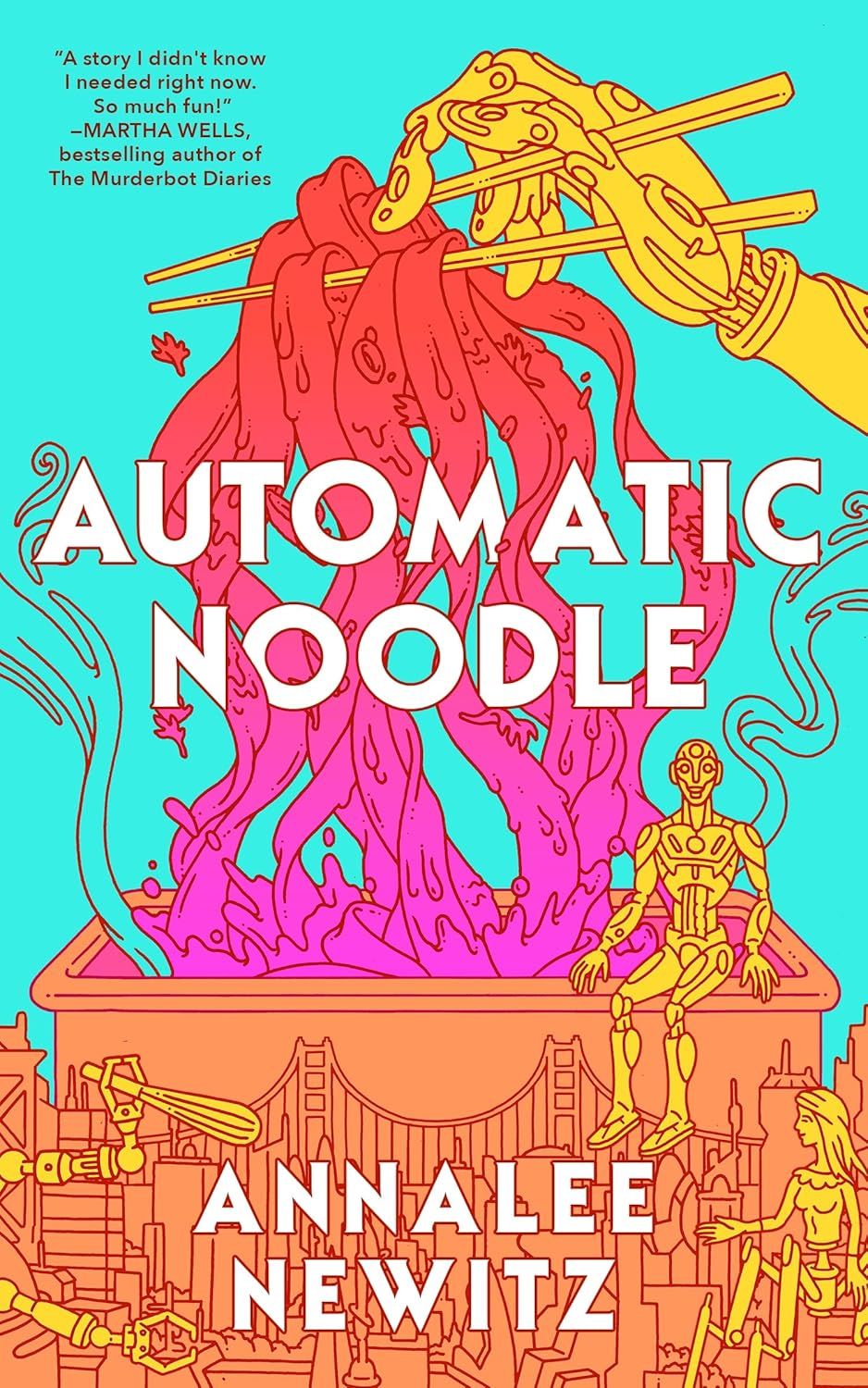
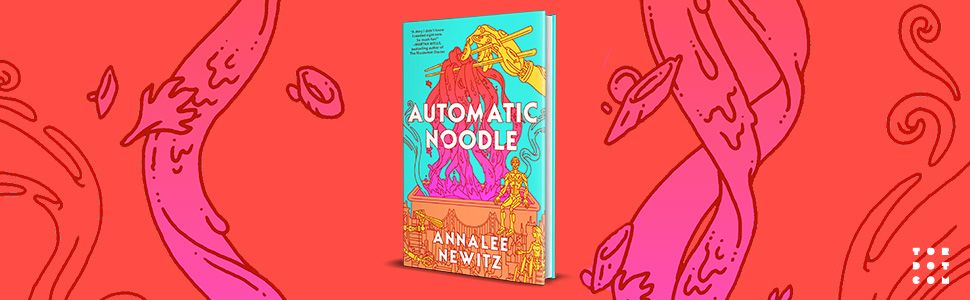
Annalee Newitz, known for exploring complex themes in their previous science fiction novels, is back with a fresh twist in Automatic Noodle. This new book dives into the world of cozy sci-fi, following a group of robots who start a secret noodle restaurant in a post-war, independent California. While the story is lighter in tone, it still tackles big topics like robot identity, gender, and the meaning of personhood—all with a generous helping of noodle appreciation. If you’re curious about robots, food, and what it means to recover after trauma, this novel might just be your next read.
- Annalee Newitz’s new book, Automatic Noodle, is a cozy sci-fi story about robots running a restaurant.
- The novel explores robot identity, gender, and recovery after conflict.
- Food—especially Chinese noodles—plays a central role in the story.
- The book is set in a post-war California, independent from the United States.
- Newitz shares insights about their writing process, inspirations, and future projects.
Cozy Robots and Post-War California
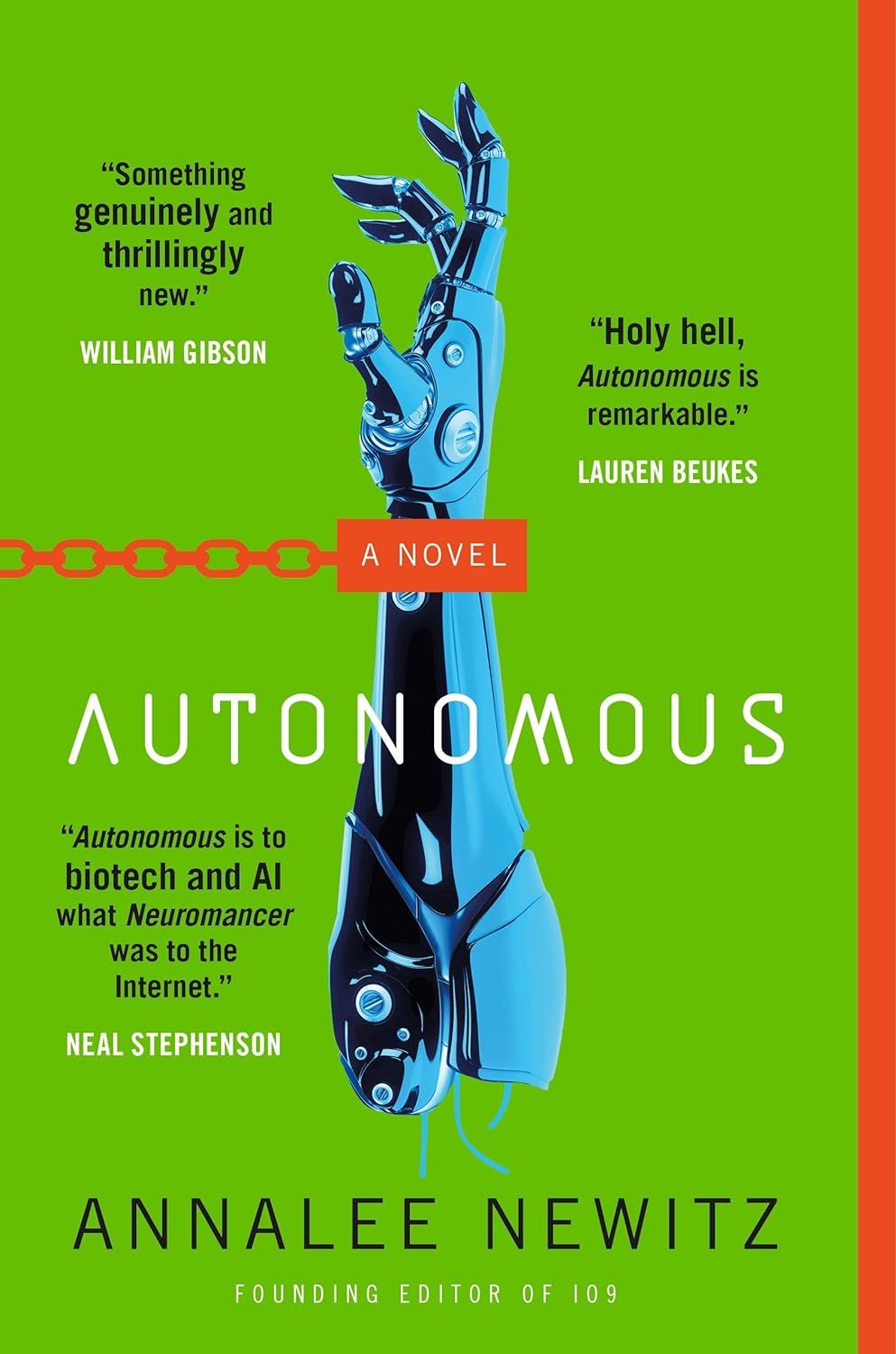
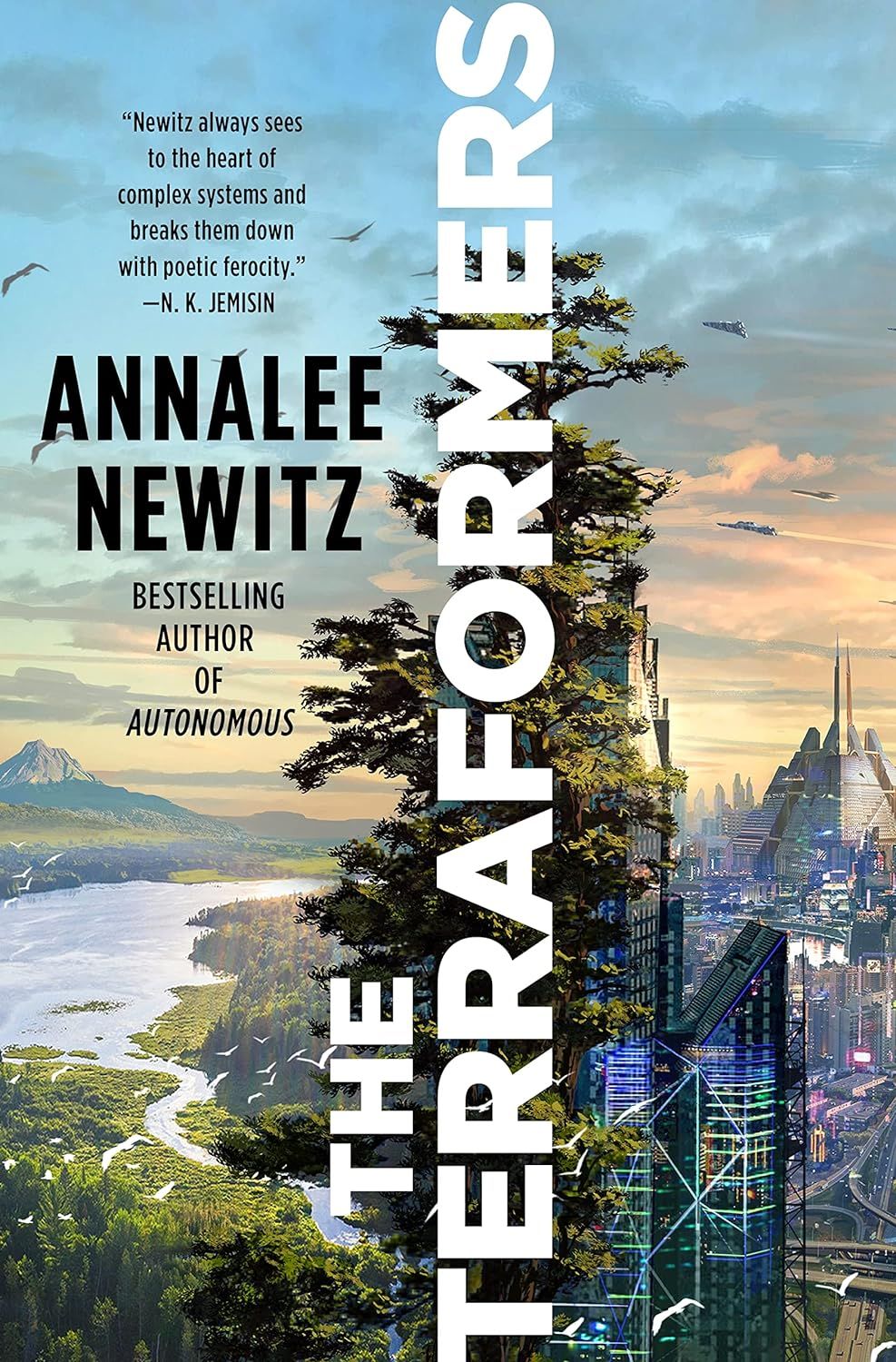
Automatic Noodle marks a shift for Newitz, who is known for more sprawling and intense novels like Autonomous and The Terraformers. This time, the story follows a small ensemble of robots living in hiding, trying to earn their independence after a war that split California from the rest of America. The robots, dealing with anti-bot prejudice and their own traumas, decide to open a noodle restaurant as a way to rebuild their lives and connect with humans.
Comfort, Recovery, and a Side of Noodles
Newitz describes the book as “cozy,” but emphasizes that it’s about recovery after trauma rather than ignoring hardship. They explain, “I think the very best cozy writing… isn’t just friendly and light. It’s about people who’ve had horrible things happen to them… but who find comfort and solace and a space of calm and warmth.” The novel explores how the robots—and by extension, people—can come together and heal after difficult times.
Food as Connection
Food is at the heart of Automatic Noodle. Newitz, a self-proclaimed noodle lover, wanted to capture the comfort of food from cultures that may not be your own but still feel like home. They drew on their own experiences growing up in Southern California, surrounded by diverse cuisines and cultures. “I always had this feeling of being an outsider who was a big fan of a culture that wasn’t really mine,” Newitz shares. The book even delves into the history of Chinese noodles, inspired by feedback from experts and friends.
Robots, Queerness, and Personhood
One of the book’s central ideas is exploring personhood—who gets to be considered a person, and who gets left out. The robots’ struggles with identity and acceptance serve as a metaphor for queer experiences and broader issues of exclusion. Newitz explains, “We know they’re fucking people! Why do we keep saying they’re lesser? It’s just so arrogant. So I hope I can create worlds where people come away thinking there are a lot more people around them than they really realized.”
Gender and the Freedom to Change
The novel also plays with the idea of gender, especially through its robot characters. Since robots can modify their bodies, Newitz uses this to explore what it means to feel out of place in your own skin. “With robots, you can literalize that. You can be like, ‘Well, this robot has three legs, and she’s experiencing things really differently.’” There’s even a scene inspired by Newitz’s own experience with top surgery, reimagined with a sci-fi twist.
What’s Next for Annalee Newitz?
Although Automatic Noodle is a standalone story, it’s set in the same universe as some of Newitz’s earlier works. When asked about sequels, Newitz says, “I could imagine writing another novella set in this restaurant, or set nearby, or something like that. But for now, I’m already working on my next novel, and it is definitely not set in the robot-human timeline.” The new project? A story about a grad student from beyond our galaxy, with the promise of “lesbian tentacle sex” and more “morphology follies.” The working title is A Wall is Also a Road, and it’s expected to be finished by the end of the year, aiming for a 2026 release.