ROG Xbox Ally vs Steam Deck vs Switch 2 — Which Handheld Comes Out on Top?
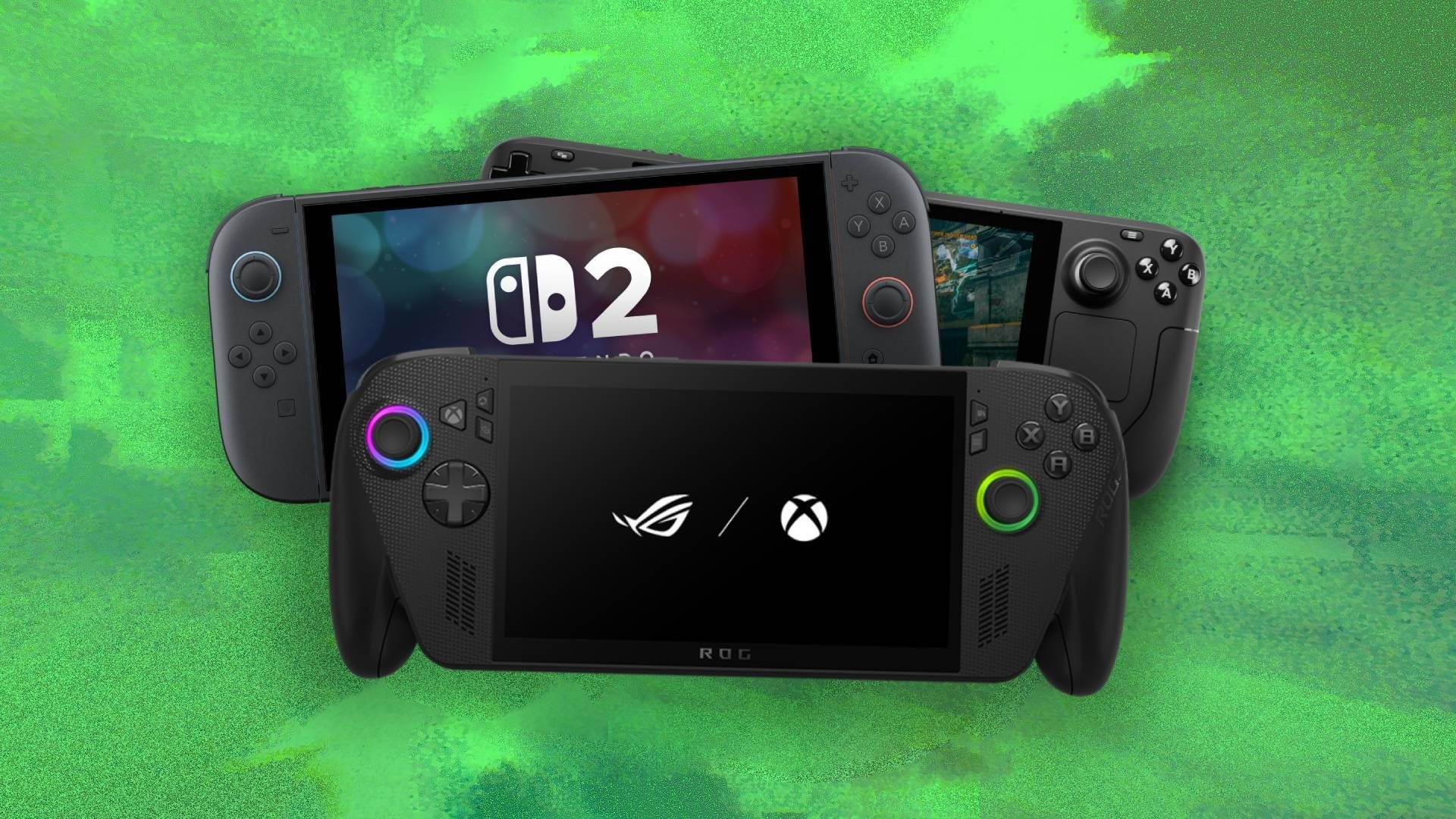
The ROG Xbox Ally, Steam Deck (including the OLED model) and Nintendo Switch 2 are three very different handhelds on the market right now. This article compares concrete specs and features — from weight and screens to libraries and connectivity — so you can see the facts and decide which device fits your needs.
1. Design, build quality, and materials
2. Controls and ergonomics
3. Portability
4. Screen
5. Interface and usability
6. Game compatibility
7. Tech specs and storage
8. Performance
9. Battery life
10. Versatility and connectivity
11. Value for money
12. Overall
Design, build quality, and materials
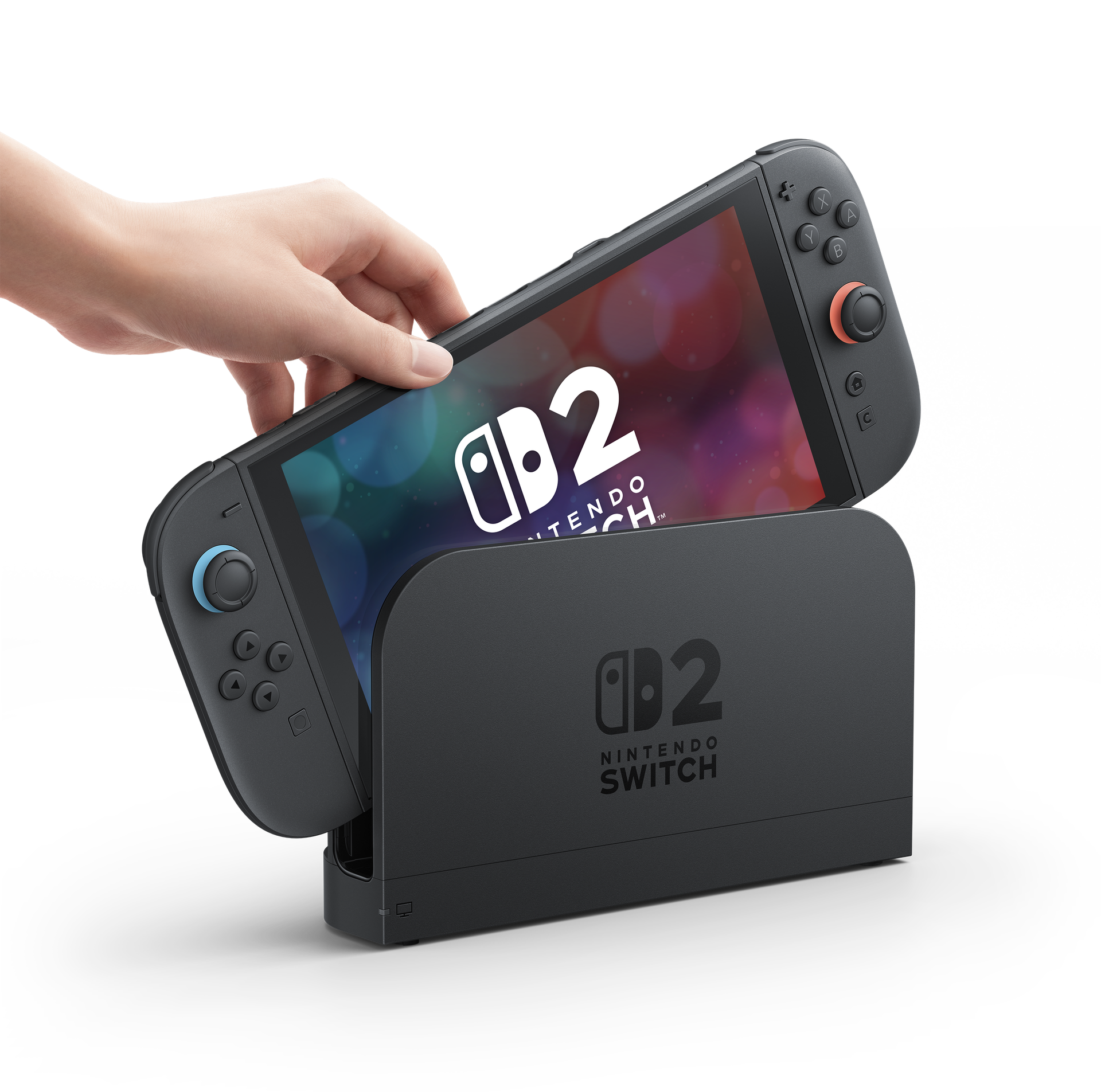
All three handhelds are solidly built. The Switch 2 uses a *slim* chassis with a matte finish and steel buttons, giving it a premium feel. By contrast, the Xbox Ally is the chunkiest unit and the Steam Deck is notably wide and thick. Overall, Switch 2 is the most refined in materials and design.
Controls and ergonomics
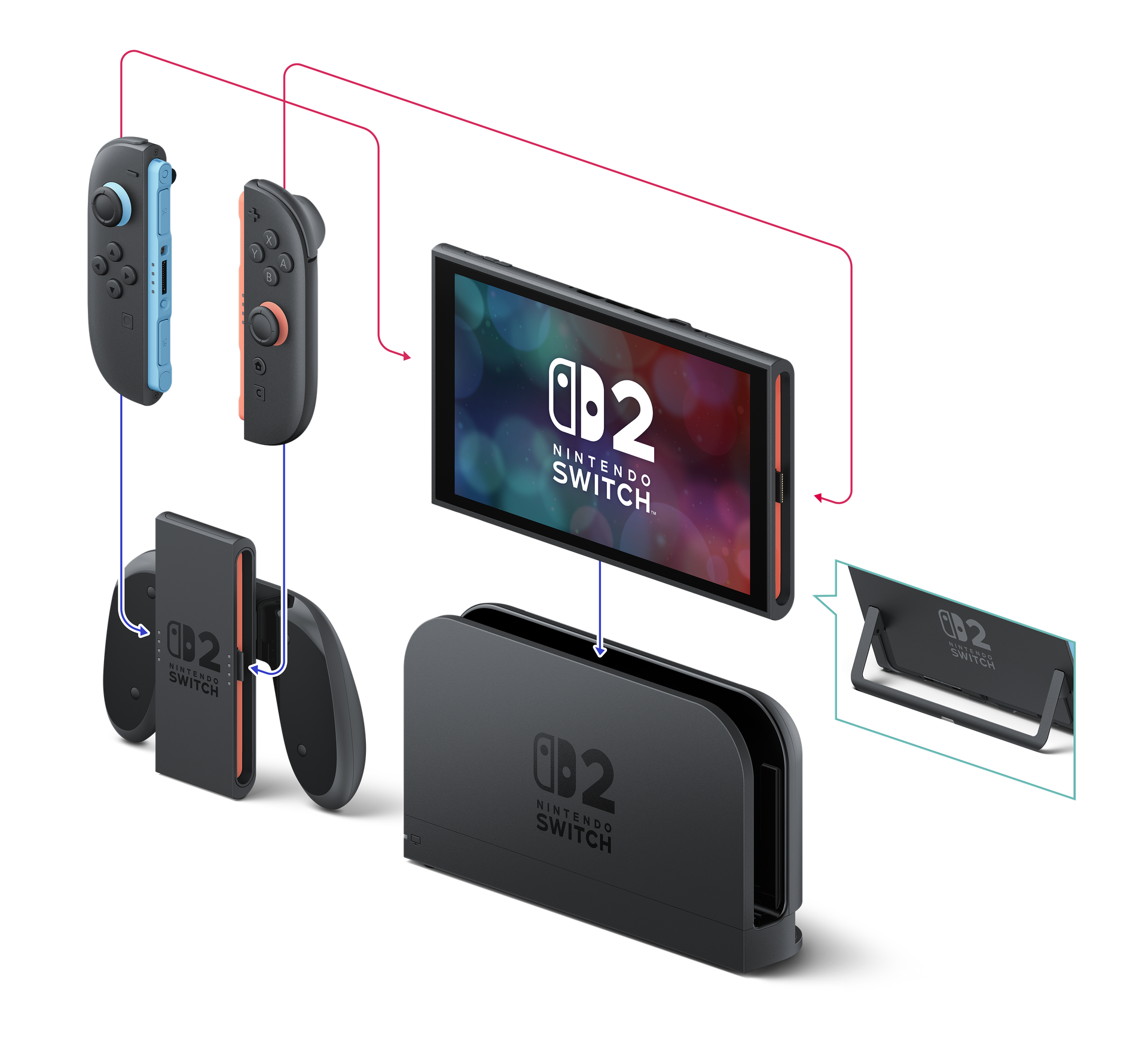
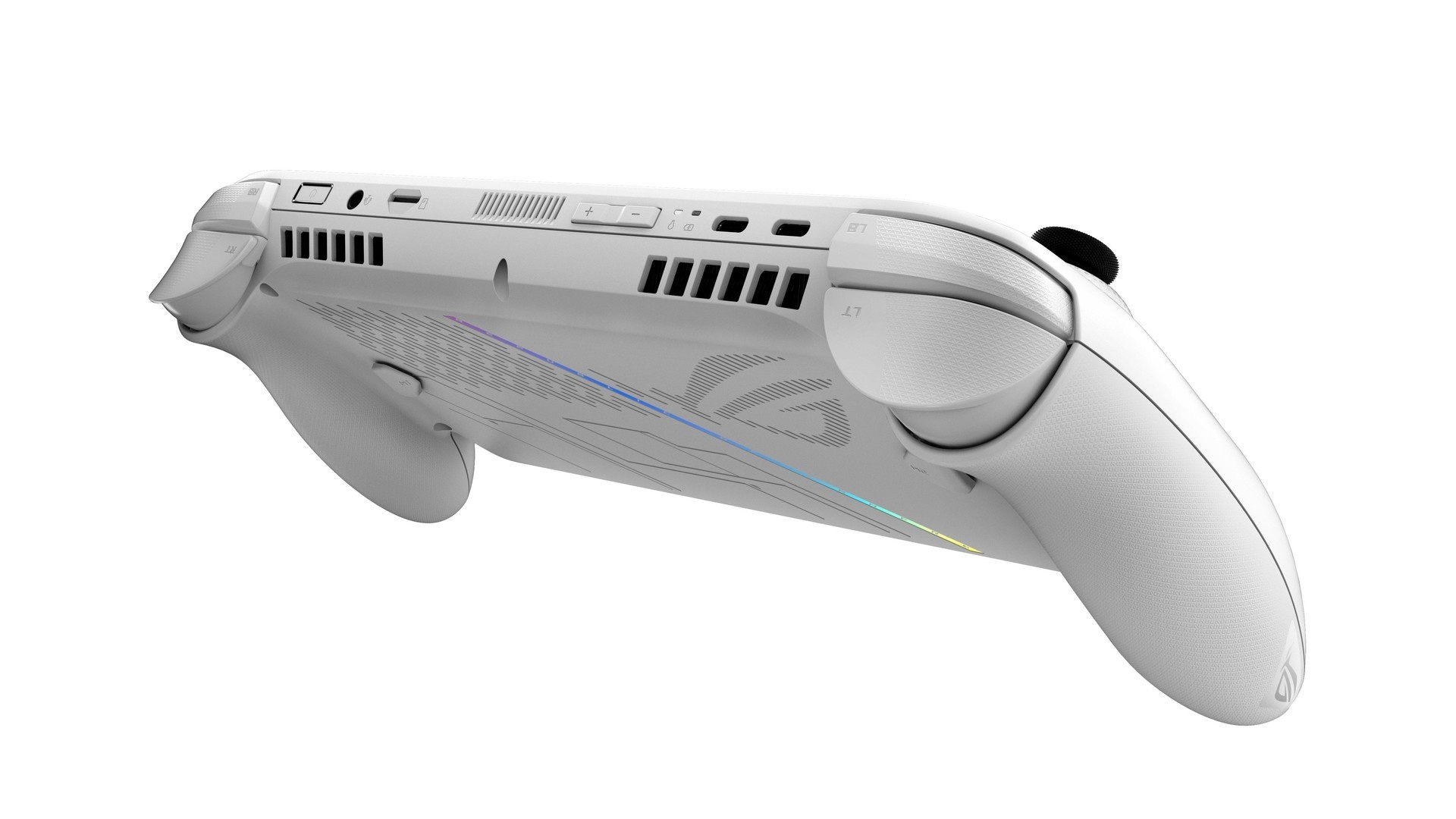
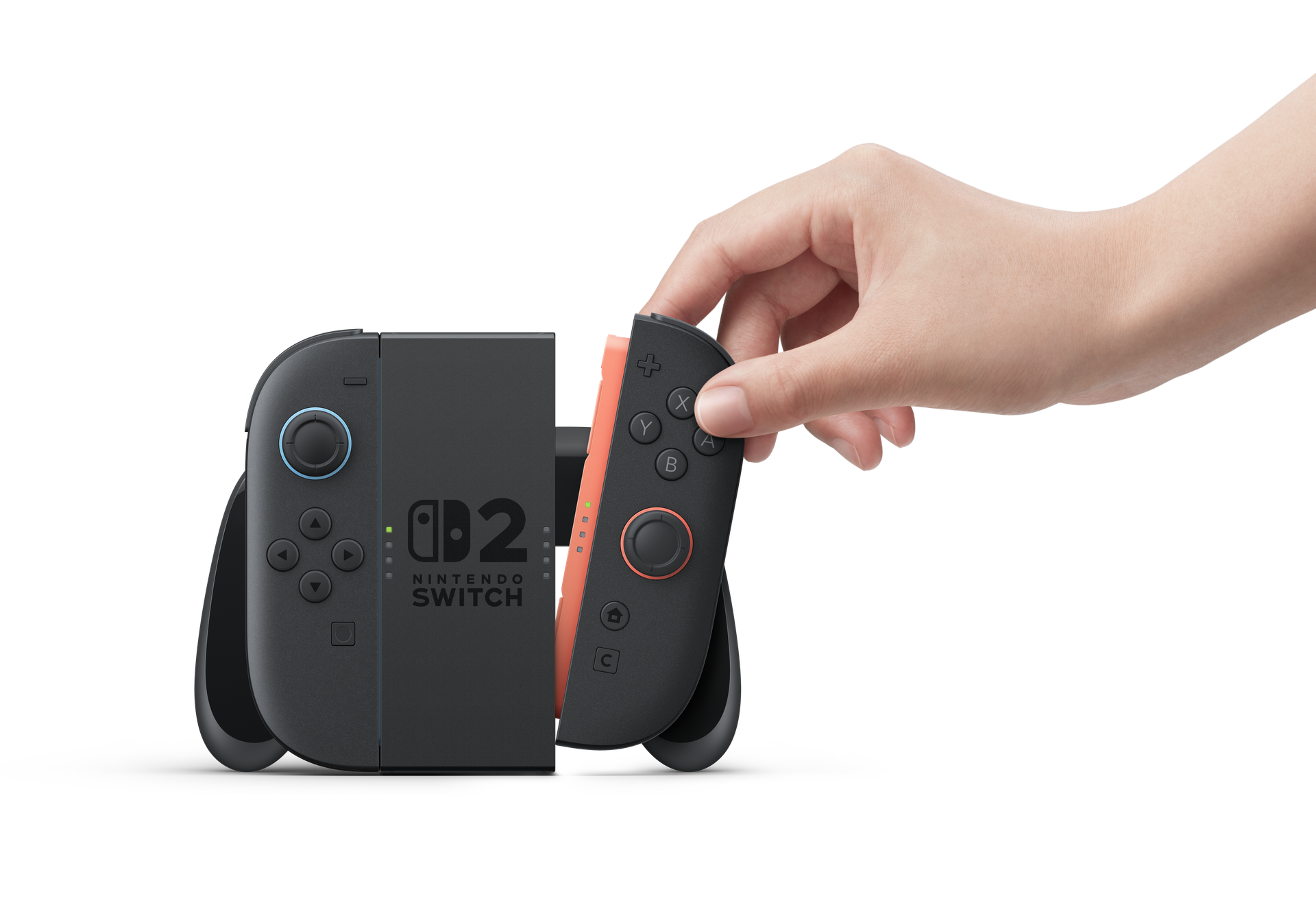
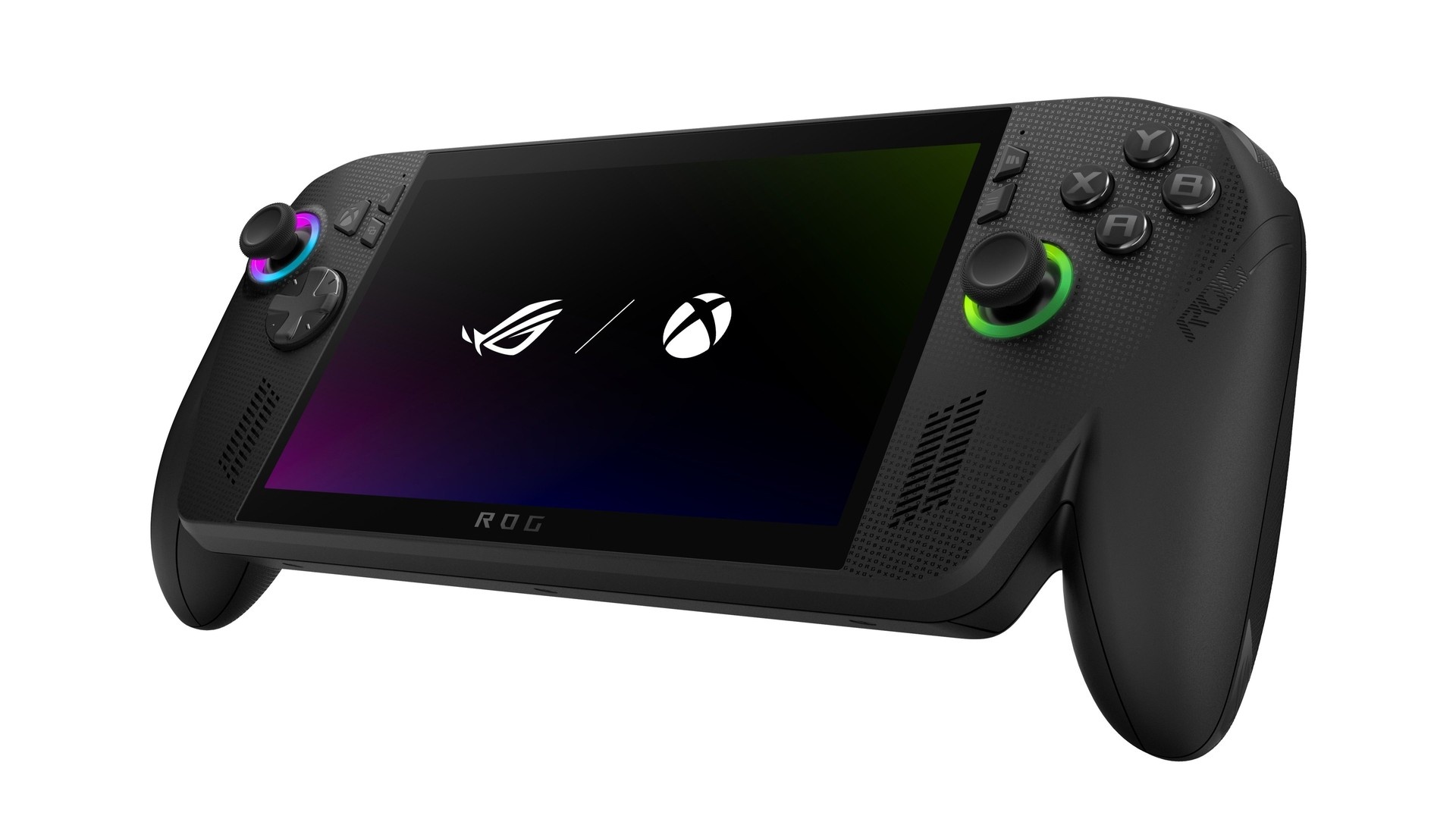
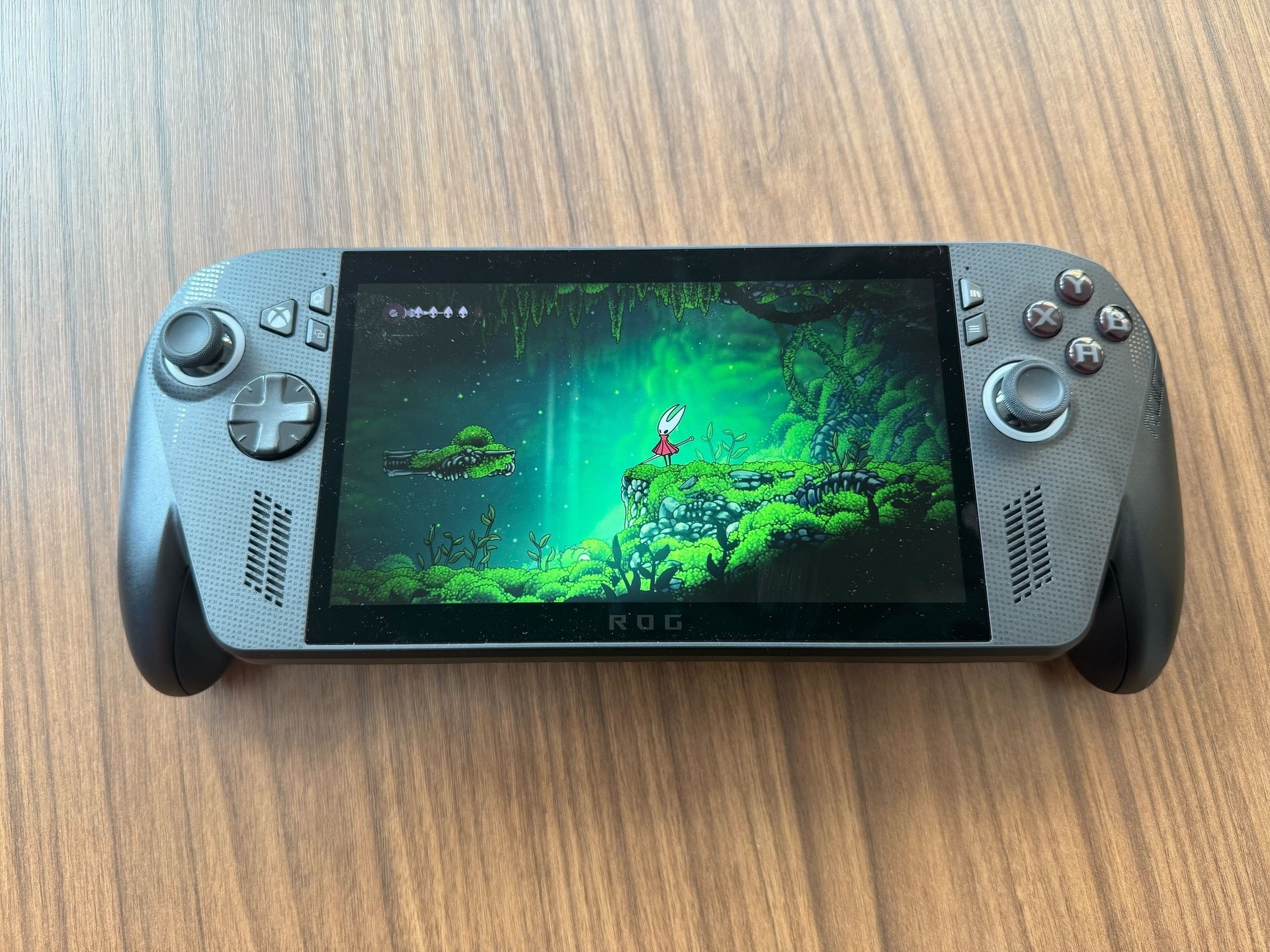
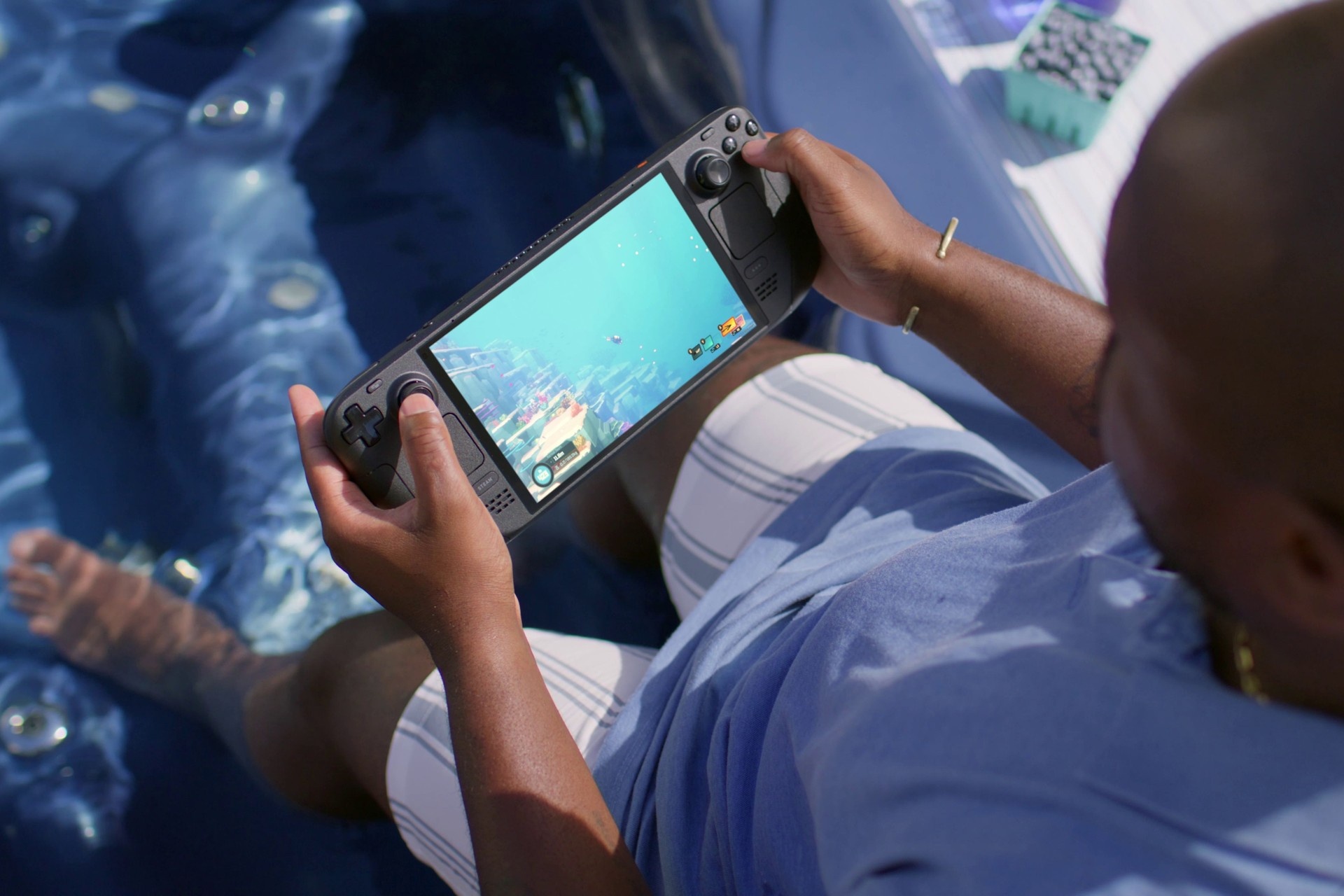
The consoles use different control philosophies. The Steam Deck is wide, features two touchpads and customizable rear buttons, but its D-pad is generally considered weak. The Xbox Ally is built like a traditional controller with full grips and strong analog triggers. Switch 2 uses detachable Joy-Con 2 controllers with motion and pointer support but lacks analog triggers and full grips.
Factually: none of these three handhelds use Hall Effect sticks.
Portability
Weight and thickness are straightforward to compare. Switch 2 weighs 534 g and measures 13.9 mm thick. Steam Deck models range between 640–670 g and are around 49 mm at their thickest point. The Xbox Ally weighs about 670 g and the Ally X around 715 g. Therefore, the Switch 2 is the most pocket- and bag-friendly by size and weight.
Screen
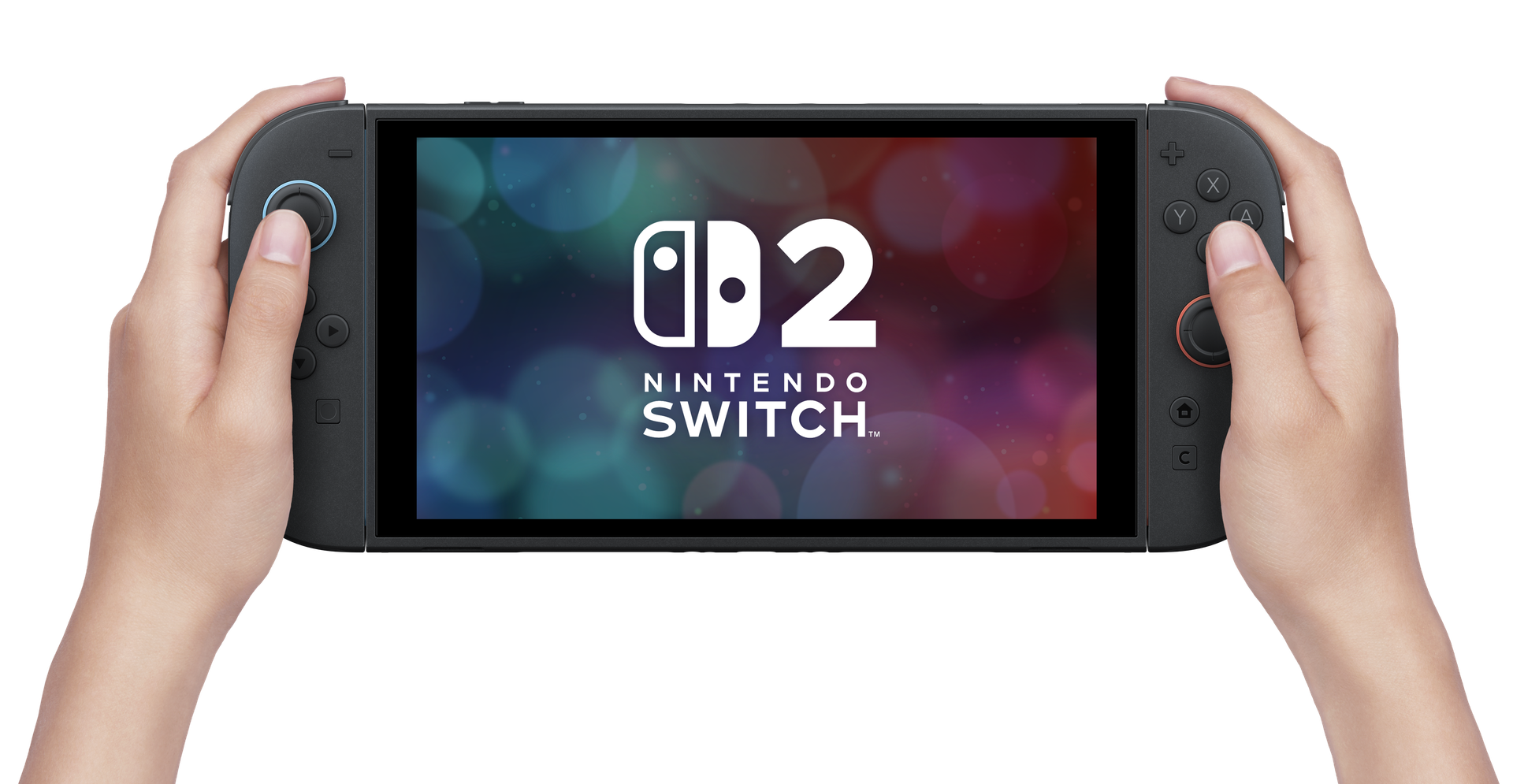
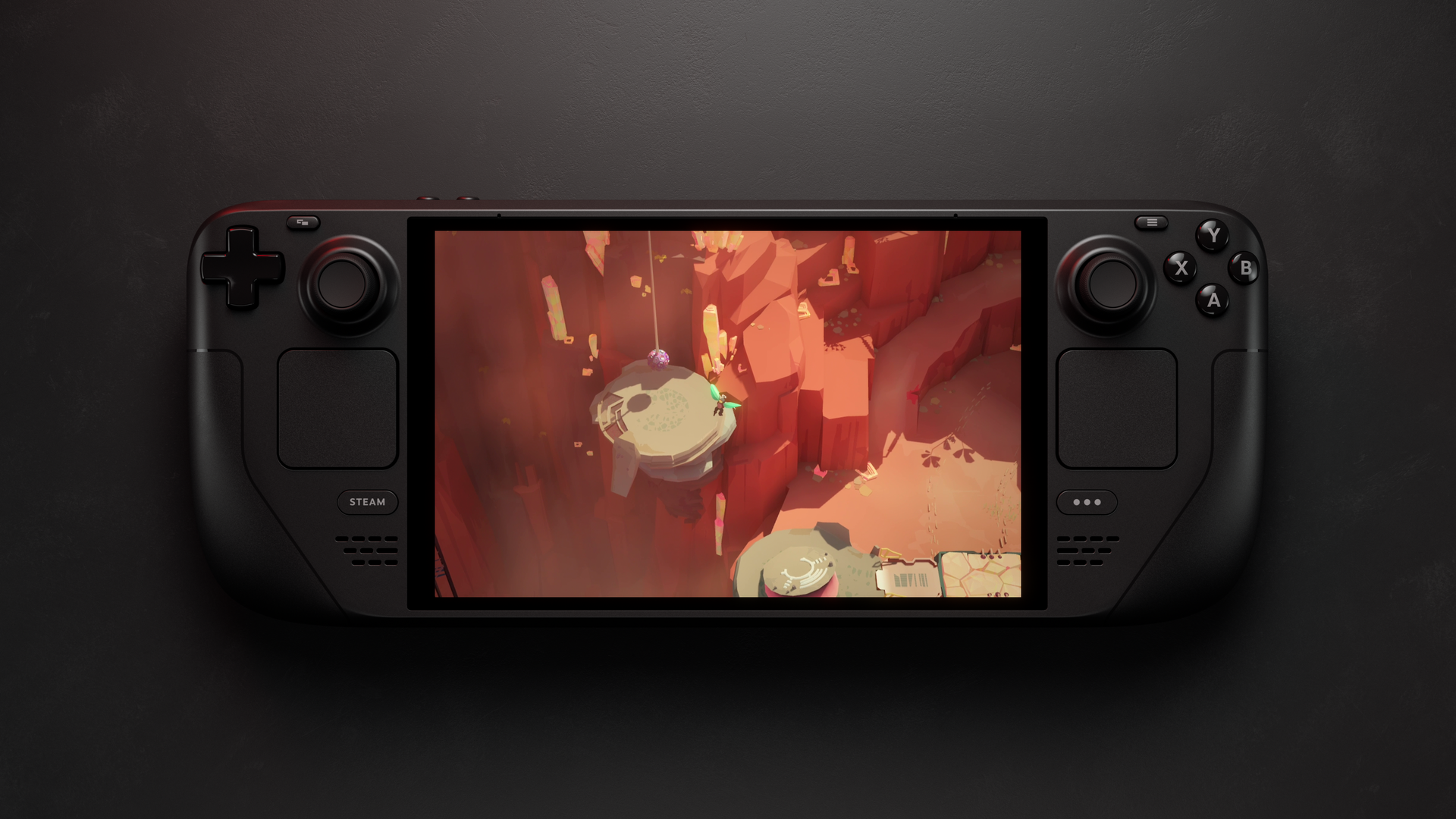
Screen sizes, resolutions and refresh rates differ across the three devices. Switch 2: 7.9″ 1080p panel, 120 Hz, variable refresh, and HDR (described as weak). Xbox Ally: 7″ 1080p, 120 Hz, variable refresh. Steam Deck base: 7″ 800p, 60 Hz. Steam Deck OLED: 7.4″ OLED, HDR capable, up to 90 Hz; this model is noted for superior color and brightness despite lower resolution than Switch 2.
Interface and usability
Switch 2 runs a lightly updated Switch UI that is minimalist, responsive, and fast. Steam Deck uses SteamOS and Big Picture elements to make a PC feel console-like, with compatibility labels for Steam games. Xbox Ally presents an Xbox full-screen experience over Windows, but it can be prone to quirks; full Windows is available for more advanced tasks.
Game compatibility
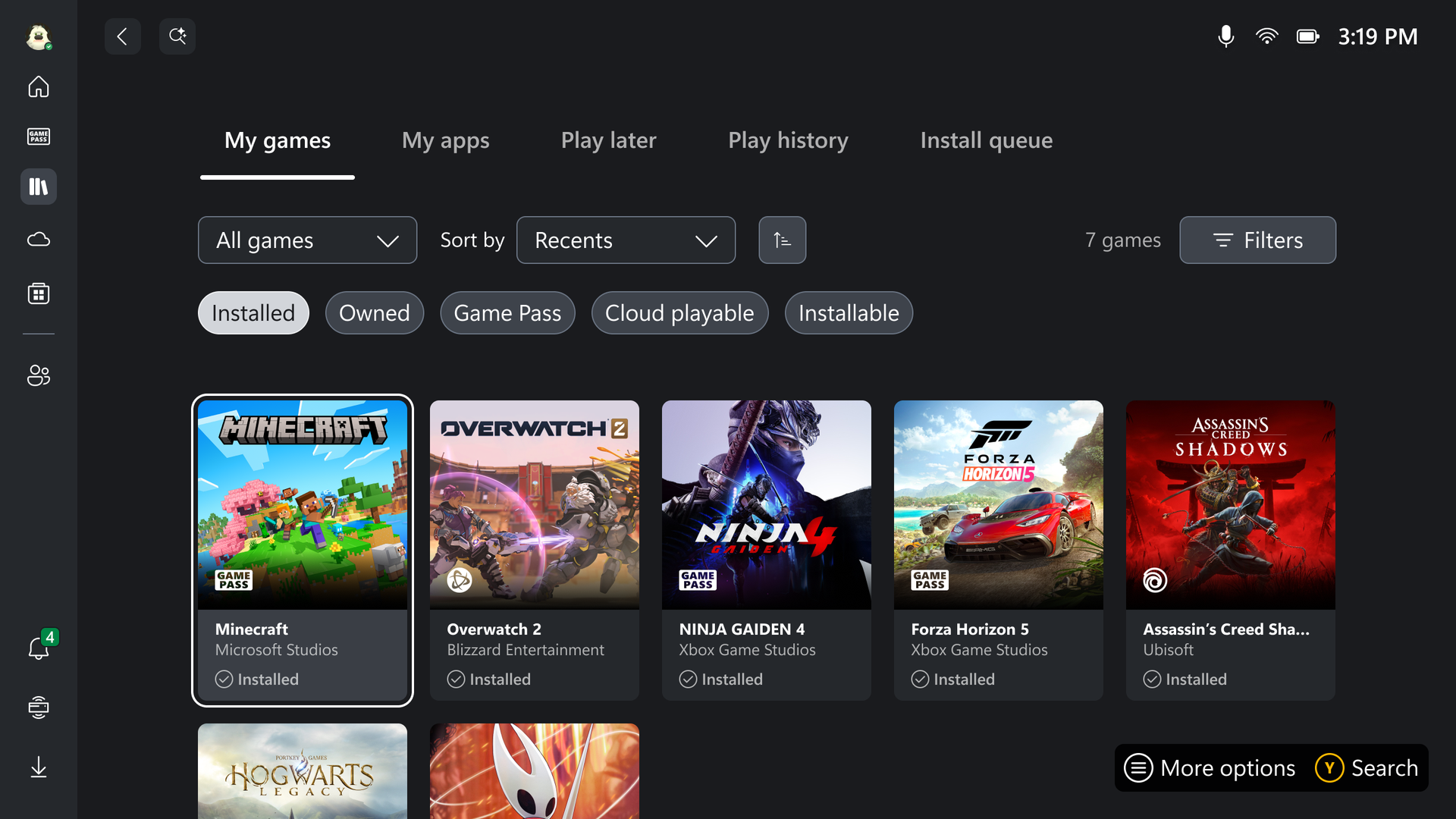
Library access varies by platform. Switch 2 is backward-compatible with most Switch titles and has Nintendo exclusives. Steam Deck provides native access to Steam with Proton compatibility for many Windows games, plus community testing labels. Xbox Ally runs Windows, so Steam, Battle.net, GOG and Game Pass titles run without an OS compatibility layer.
Tech specs and storage
Key specs at a glance:
- Switch 2: 256 GB onboard (expandable via microSD Express), 12 GB RAM, custom Nvidia Tegra T239 with DLSS support.
- Steam Deck: 16 GB RAM; storage options 256 GB / 512 GB / 1 TB (speeds vary); custom AMD Zen 2-based APU.
- Xbox Ally (base): 16 GB RAM, 512 GB storage (expandable); Ryzen Z2. Xbox Ally X: Z2 Extreme, 24 GB RAM, 1 TB storage.
Performance
Performance depends on hardware and software optimization. The Ally X is the most powerful on raw specs and can run more demanding PC titles at higher settings. Steam Deck benefits from a lower native resolution on the base model and strong software support via Proton. Switch 2 titles are optimized specifically for Nintendo hardware, which often yields stable frame rates and consistent performance for first-party games.
Battery life
Battery life varies greatly by game and settings. Across the three platforms, demanding games typically run for around 2 hours. For lighter use, expect roughly 6–8 hours. The Steam Deck OLED has a slightly improved battery compared with the base Deck and can stretch runtime a bit further in many scenarios.
Versatility and connectivity
Docking and ports:
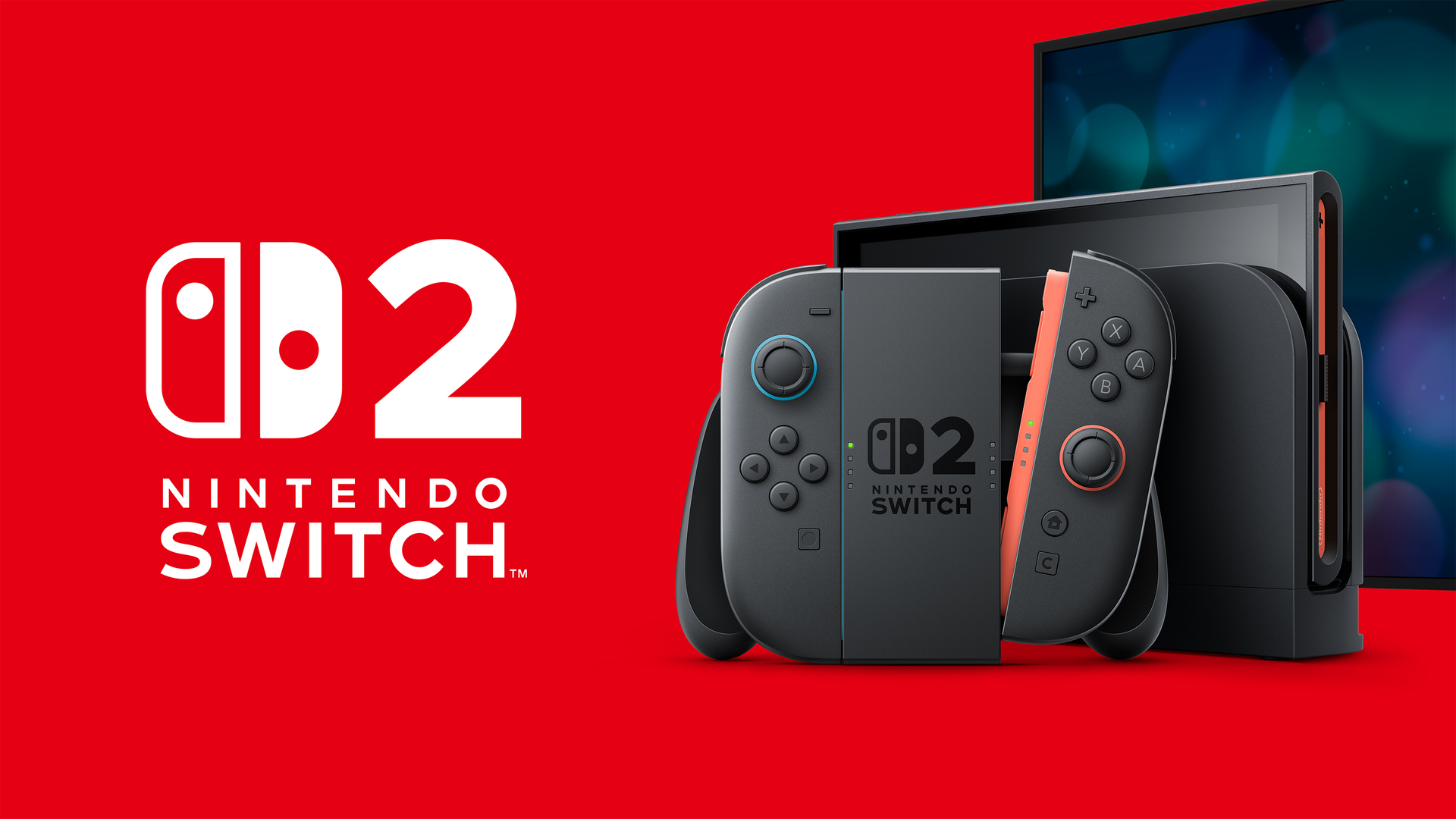
- Switch 2 includes an HDMI-equipped dock and offers tabletop, handheld and TV play with detachable Joy-Cons.
- Steam Deck has a single USB-C port and a separate official dock is available for about $79; Bluetooth and Wi‑Fi specs vary by model (OLED has Bluetooth 5.3 and Wi‑Fi 6E).
- Xbox Ally models include two USB-C ports, a headphone jack, Wi‑Fi 6E and Bluetooth 5.4. There is no official Ally dock included at launch, but third-party solutions exist.
Value for money
Current retail price points mentioned by manufacturers/retailers:
- Switch 2: $450, 256 GB model.
- Steam Deck: base model $400; the 512 GB OLED-equipped model is $550 and often considered the mid-point in value.
- Xbox Ally X: around $1,000 for the high-end Z2 Extreme configuration.
Each platform targets different buyers: Switch 2 aims for mainstream console buyers, Steam Deck for PC players wanting a portable Steam experience, and Xbox Ally for users who want broad Windows compatibility on a handheld.
Overall
To sum up the objective facts: Switch 2 is the lightest, slimmest and most polished in materials and design, with a 7.9″ screen and Nintendo-first-party library. Steam Deck OLED offers the best OLED panel among these devices and a strong balance of price, battery life and PC game compatibility via Proton. The Xbox Ally family provides the broadest out-of-the-box game compatibility because it runs Windows, and the Ally X is the most powerful hardware option.
In short: choose based on concrete needs — portability and Nintendo exclusives (Switch 2), Steam library and OLED display (Steam Deck OLED), or raw PC compatibility and top-end power (Xbox Ally X).