Roguelike, Redefined: Getting Over It, Outer Wilds and The Forest Push the Genre to Its Limits
The term “roguelike” originally refers to games that follow core systems from the 1980 game Rogue, but some modern players and designers push that definition. In this piece I lay out the common, factual elements of the roguelike label and then show three recent games that blur the line between strict roguelike design and other genres.
- What “roguelike” commonly means and its core mechanics.
- How Getting Over It with Bennett Foddy, Outer Wilds, and The Forest / Sons of the Forest relate to those mechanics.
- Concrete facts about each game: developers, mechanics, and save/death systems.
What “roguelike” commonly means
Historically, roguelike is a subgenre named after the 1980 game Rogue. Core, commonly accepted features include procedural generation (randomized levels), permadeath (losing a character’s items and starting over on death), and progress through repeated runs by acquiring upgrades, knowledge, or skills. In addition, many roguelikes involve dungeon-crawling and incremental difficulty as players descend to deeper levels.
Games that test the definition
Getting Over It with Bennett Foddy
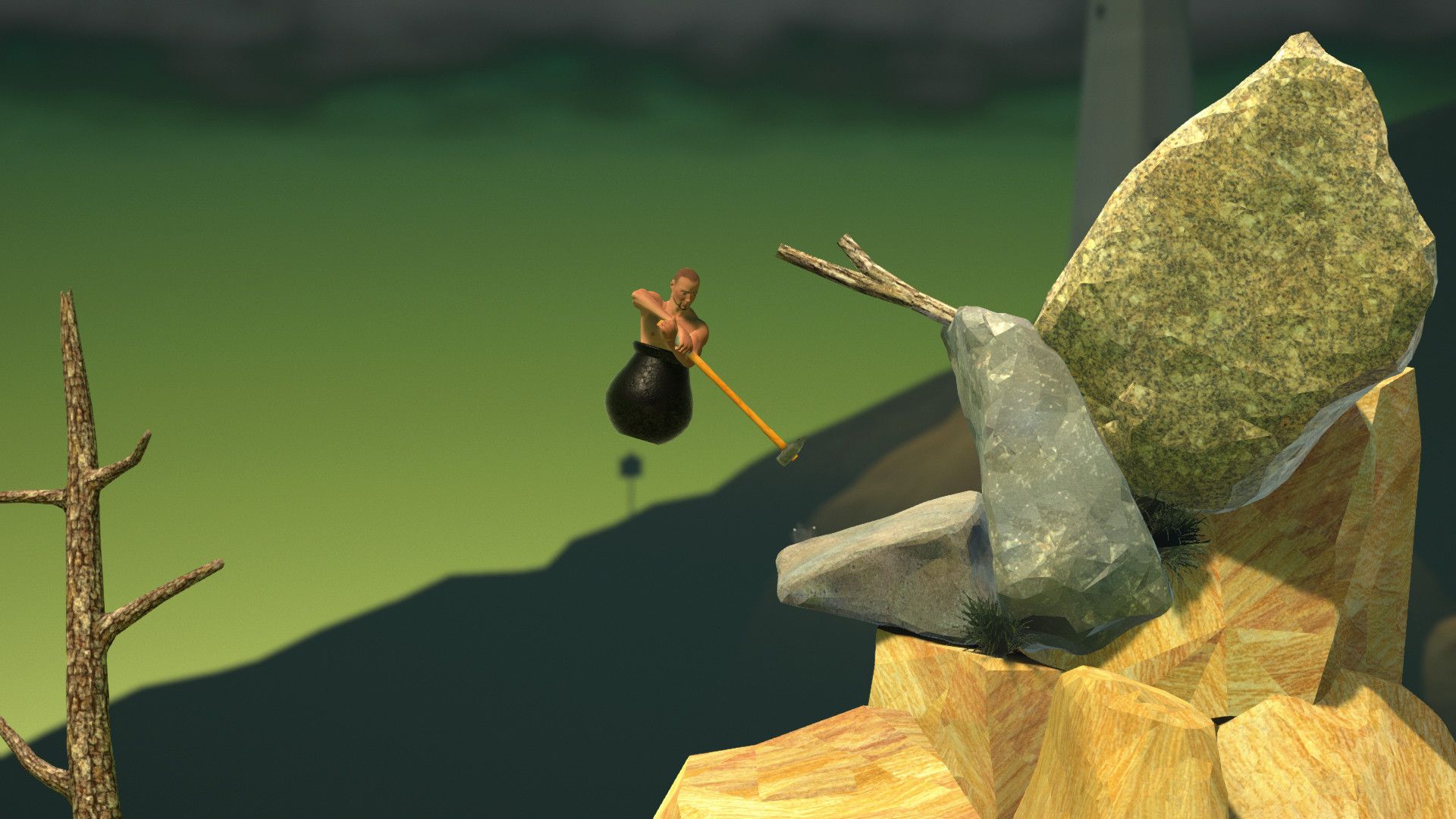
Developer: Bennett Foddy. Release year: 2017. The player controls a man in a cauldron who uses a hammer to climb a vertical obstacle course. The game uses physics-based movement and presents high difficulty with potential for large setbacks from a single input.
Players can exit the game and the session will be saved on exit; however, the mechanics allow for complete loss of vertical progress in a single mistake, which recreates a permadeath-like feeling of losing large amounts of progress.
Bennett Foddy wrote on the game’s store page: “I created this game for a certain kind of person. To hurt them.” You can find the game on Steam at Getting Over It with Bennett Foddy on Steam.
Outer Wilds
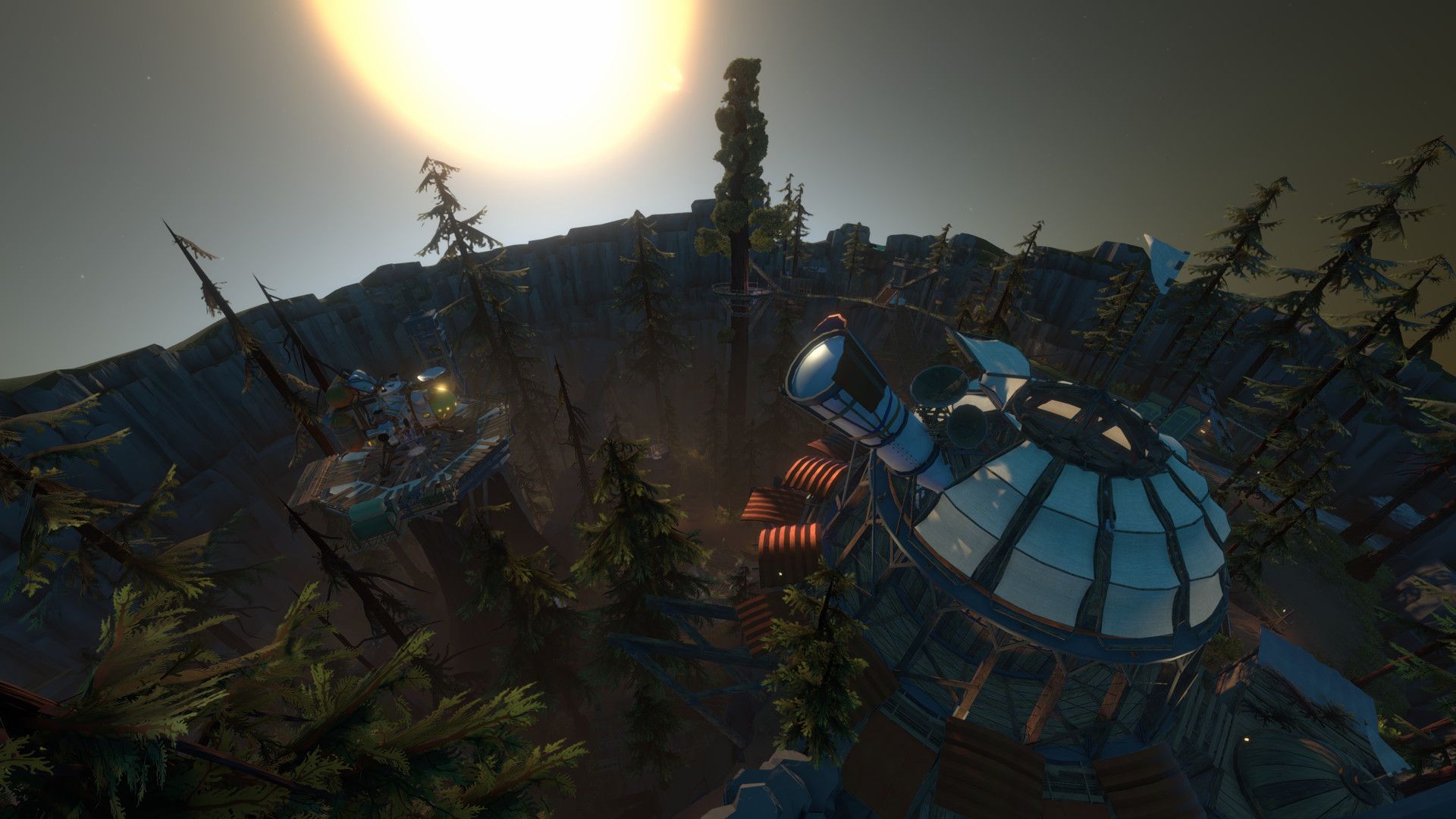
Developer: Mobius Digital. Publisher: Annapurna Interactive. Release year: 2019. Outer Wilds is an exploration-focused game built around a 22-minute time loop. During a loop, the player can explore a small planetary system; at the end of the loop the star goes supernova, resetting the world and returning the player to the start of the loop.
Progress in Outer Wilds is primarily knowledge-based: the player does not carry items across loops, but retains information learned in previous runs. The loop length is fixed and is a deliberate design element that enforces a limited run time per cycle.
The Forest and Sons of the Forest
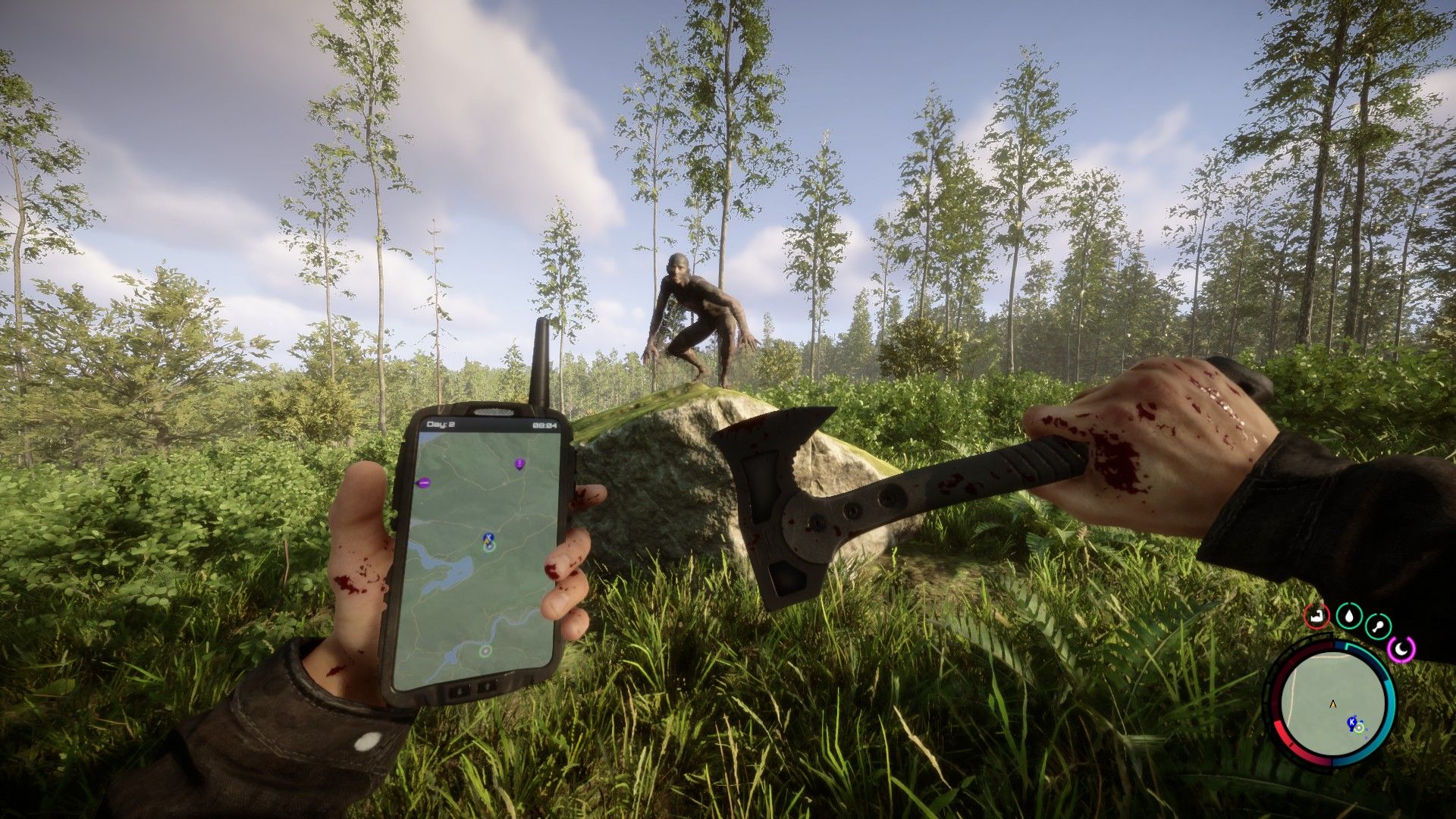
Developer: Endnight Games. The Forest originally launched in Early Access in 2014 and reached full release in 2018. Sons of the Forest entered Early Access in 2023. Both are survival-horror titles that place the player on an island populated by hostile, humanoid creatures and emphasize crafting, base-building, and resource management.
These games include manual saving options (for example, sleeping in a shelter) and autosave behavior. When a player character dies in single-player, items and immediate character progress do not persist in the same way a saved, long-term profile would; players commonly begin a new life/character after death. In multiplayer, items may be transferable between surviving players, but recovery depends on location and capacity to carry materials.
How these examples relate to roguelike mechanics
All three titles share factual ties to core roguelike elements: high consequences for failure, limited persistent progression, and design that encourages repeated attempts or runs. However, each approaches those elements differently. Getting Over It emphasizes moment-to-moment loss of positional progress, Outer Wilds enforces a fixed time loop and knowledge-based progress, and The Forest series applies survival and crafting systems with limited persistence after death.
Summary
In short, the term roguelike has an established set of conventional features tied to the original Rogue. Yet, games from different genres can implement specific mechanics—permadeath-like setbacks, limited persistence, and repeated runs—that overlap with roguelike design. As a result, titles such as Getting Over It, Outer Wilds, and The Forest / Sons of the Forest are often discussed alongside roguelikes, because they share concrete mechanics that produce similar player experiences.