Seven Years Later, Red Dead Redemption 2 Is Still Rockstar’s Sharpest Satire of the American Dream
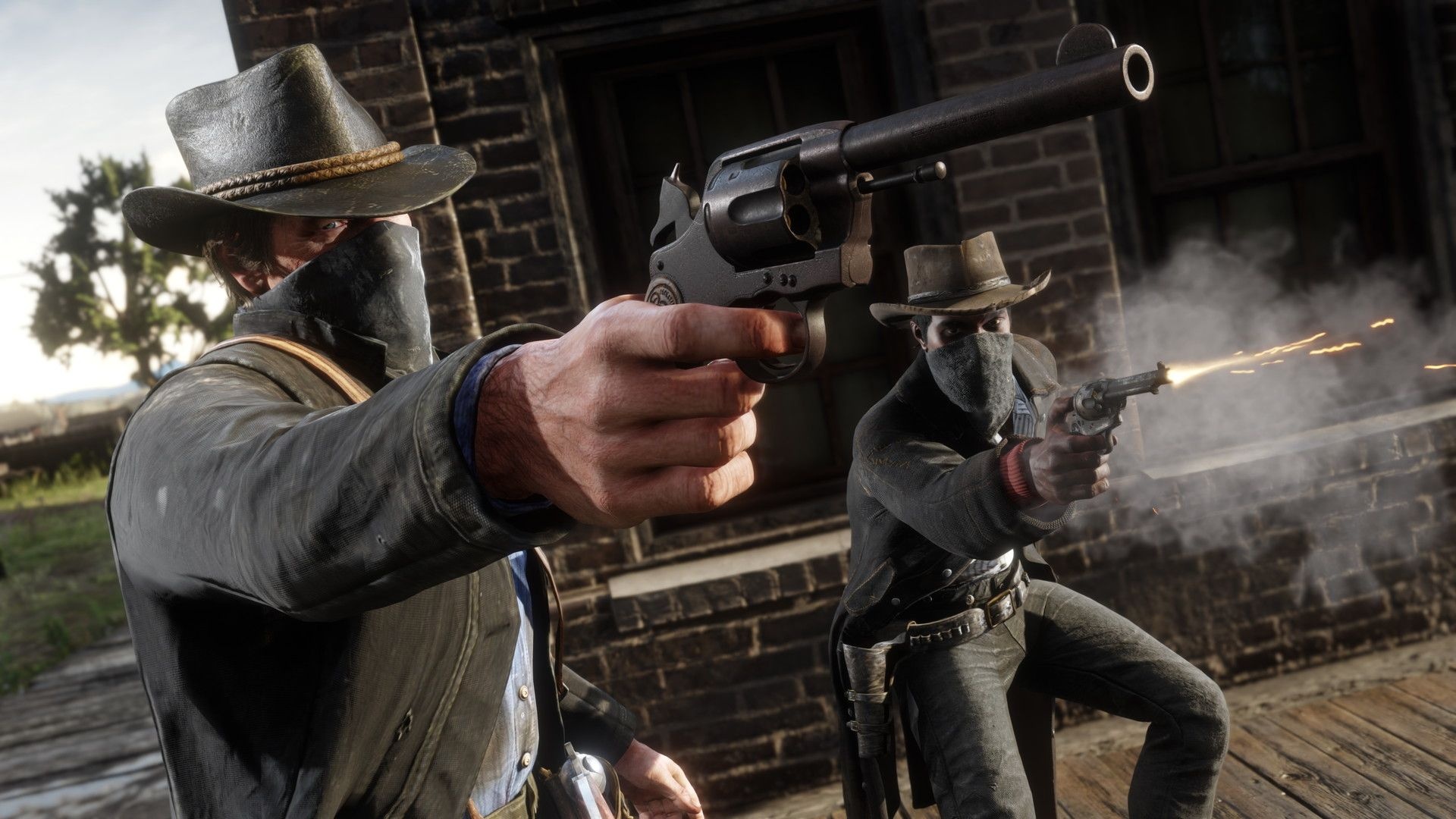
Red Dead Redemption 2 launched in October 2018 from Rockstar Games. The game is a single-player story set in the late 19th-century American West and follows Arthur Morgan and the Van der Linde gang as institutions and frontier life change around them.
- Release details and platform availability
- Story focus and core themes
- Main characters and the gang’s role
- Legacy, reception, and ongoing discussion
Release details and platform availability
Red Dead Redemption 2 was released by Rockstar Games in October 2018 for PlayStation 4 and Xbox One, and later for PC and current-generation consoles. The title is a narrative-driven open-world game with an emphasis on a single-player campaign, though Rockstar has also continued to support online modes related to their franchises.
Story focus and core themes
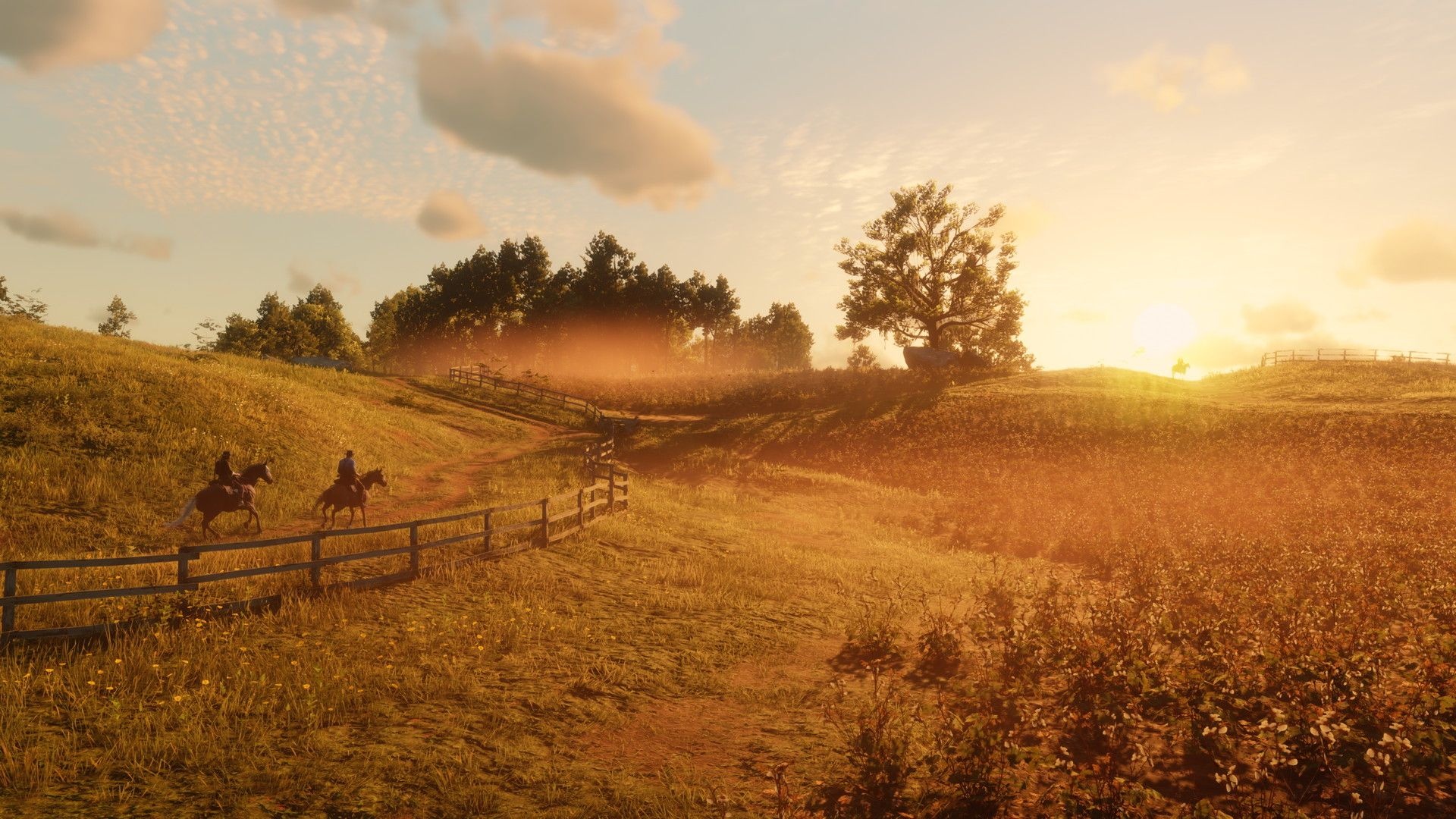
The game’s main narrative is set during the closing years of the American frontier and examines change at the turn of the century. Moreover, the story depicts attempts to escape or remake social conditions through migration and rebellion, while showing the limits of those attempts in the face of institutional and economic forces. The game explicitly uses themes tied to the myth of the frontier and the idea that moving west promised new opportunity.
In the narrative, sources and characters state that the “frontier is closed.” For background information on the historical idea of a closing frontier, see this feature from PBS.
Main characters and the gang’s role
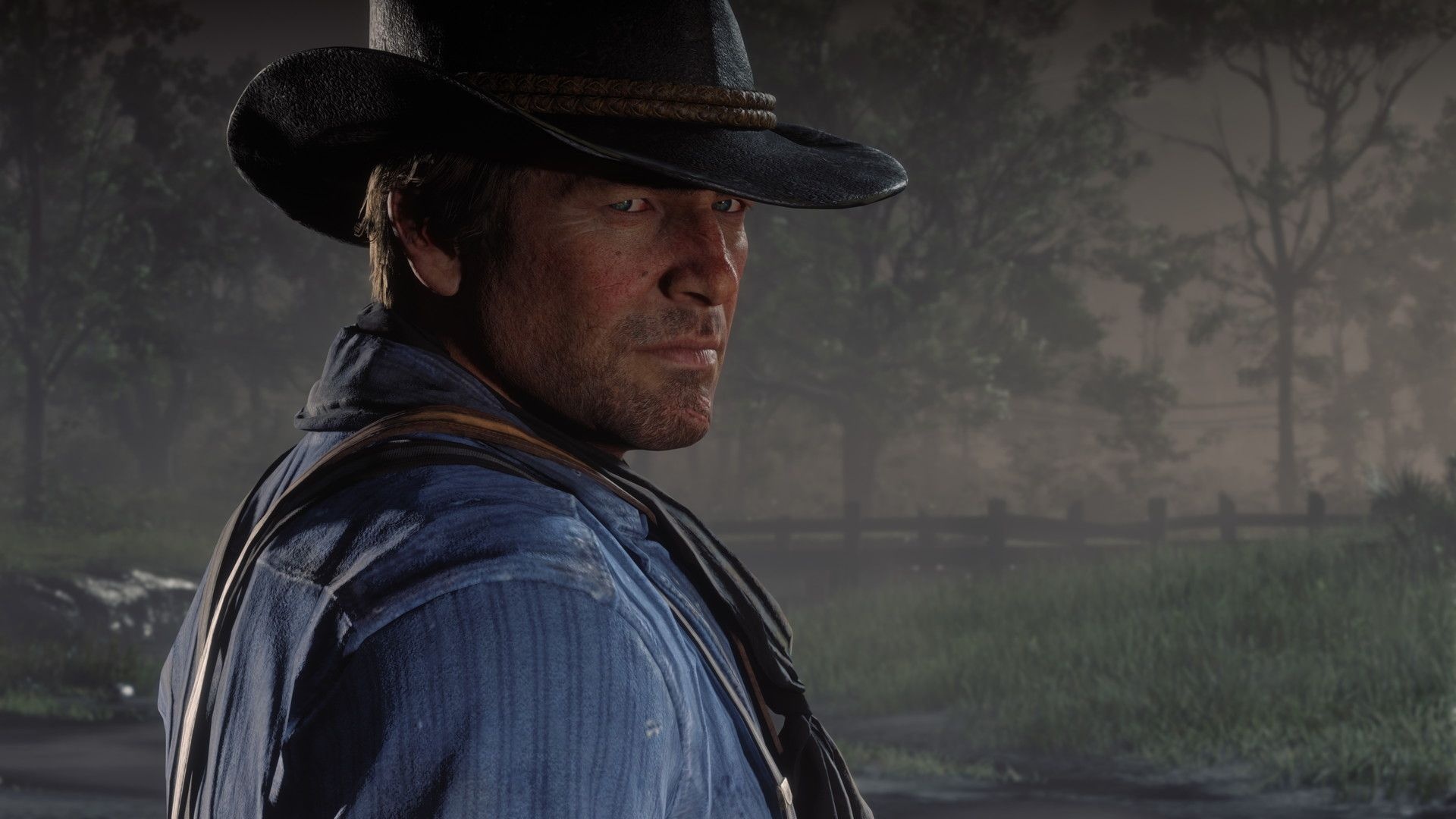
The protagonist is Arthur Morgan, a senior member of the Van der Linde gang. The gang is led by Dutch van der Linde, who promotes a version of individualism and ideals tied to American identity, sometimes described in the text as “All Things American.” The group acts outside the law and attempts to survive as social and economic systems shift around them.
How members relate to the story
Members of the gang display varied behavior: some commit crimes to survive, while others show different moral choices. The game portrays these differences without resolving them into a single, clean moral judgment, instead presenting a range of motives and consequences for the characters’ actions.
Legacy, reception, and ongoing discussion
Since its release, Red Dead Redemption 2 has been widely discussed for its narrative, world-building, and thematic content. Commentators and analysts have pointed to its exploration of late‑19th-century change, the end of the frontier, and how rhetoric and leadership affect groups of people. The game continues to be referenced in discussions about portrayals of the American West in modern media.
Finally, the game remains part of broader conversations about Rockstar’s output since 2018 and how its single-player narrative compares with other projects from the studio.