Silent Hill f, Consume Me, and Baby Steps Flip Gender Norms on Their Heads
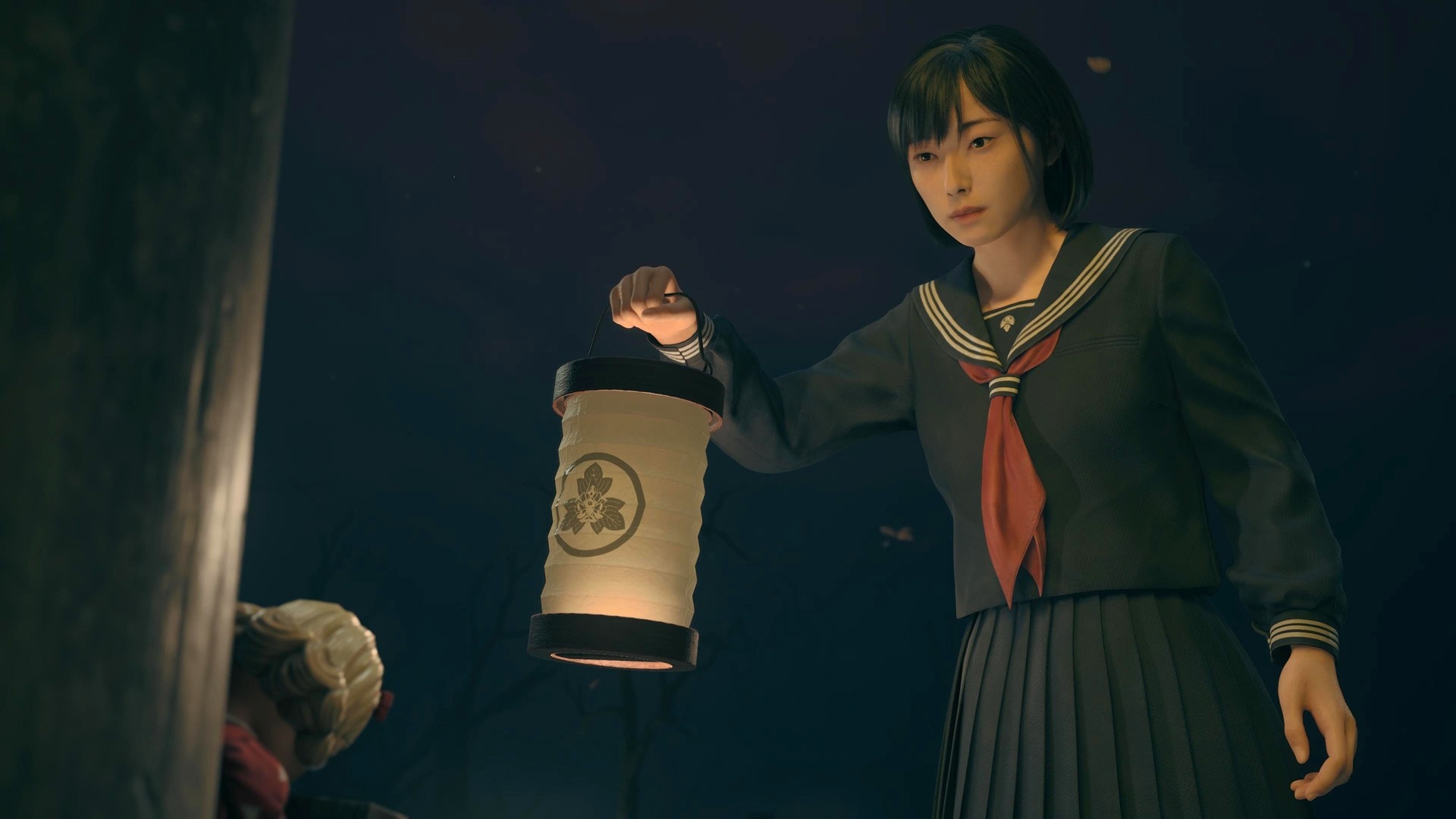
This week brought three new games that examine gender and identity in very different ways: Konami’s Silent Hill f, the indie Consume Me, and Devolver-published Baby Steps. Each title uses distinct genres — psychological horror, autobiographical life-sim, and absurd walking-sim — to explore societal expectations and how characters respond to them.
Silent Hill f
Silent Hill f is Konami’s new entry in the long-running horror series, developed with NeoBards Entertainment. The game is set in Japan in the 1960s and follows a young woman named Hinako in the fog-shrouded town of Ebisugaoka. The story focuses on Hinako’s inner conflict between who she is and who others expect her to be, and transformation is a central narrative thread.
Developers have tied the setting to real historical context; according to PC Gamer, the 1960s setting aligns with Japan’s women’s rights movement and helps shape Hinako’s arc. In the final game, journal entries and encounters with creatures are used to reveal Hinako’s pressures from family and society.
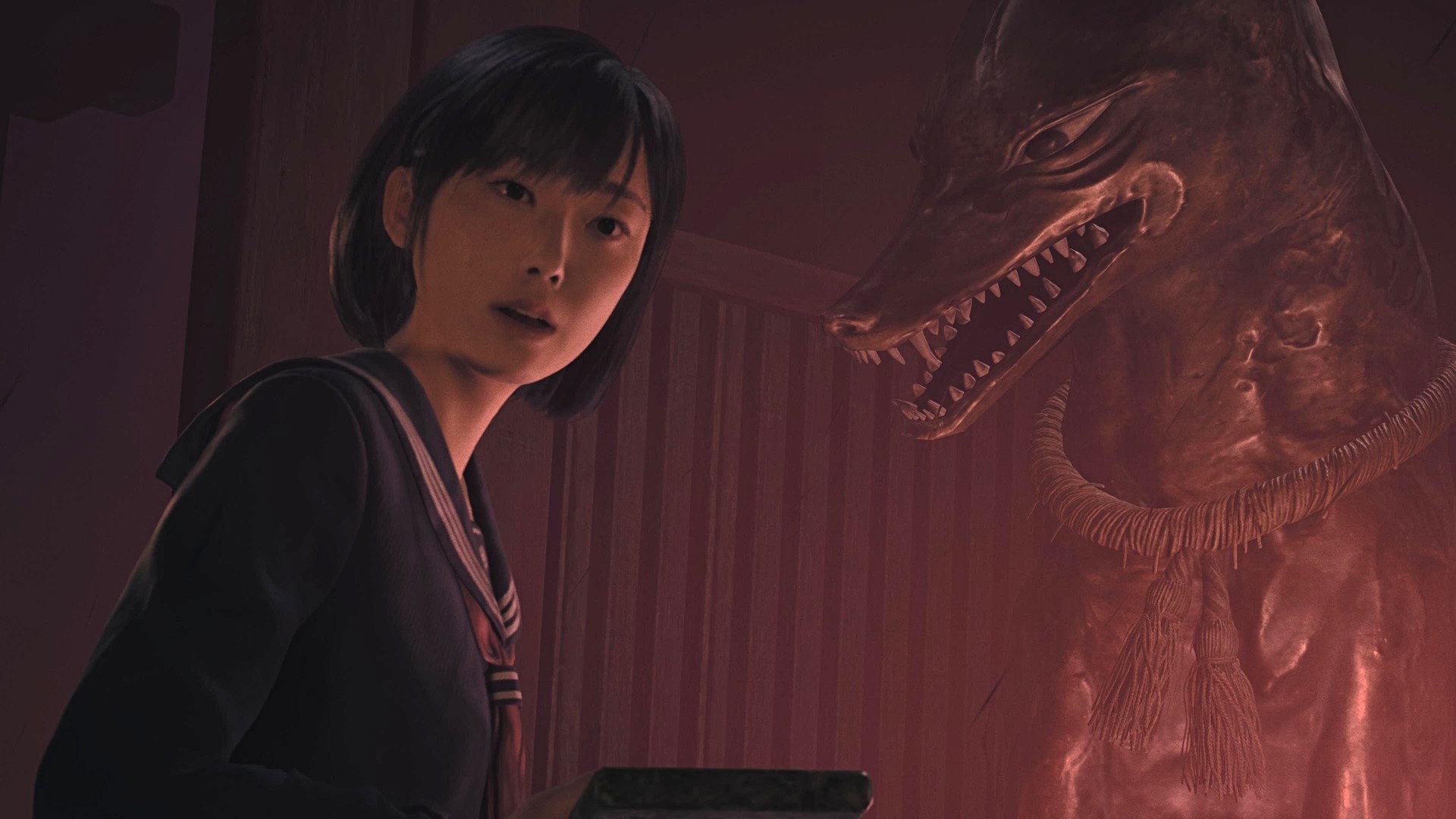
Overall, Silent Hill f uses the franchise’s cryptic horror and psychological themes to examine gendered expectations in a period setting.
Consume Me
Consume Me is an indie, autobiographical life-sim created by Jenny Jiao Hsia. It won the Seamus McNally Grand Prize, and it presents a sequence of minigames and scenes based on the creator’s teenage experiences.
The game documents pressures faced by a young woman, beginning with an eating disorder and an obsession with weight and appearance. As the story continues, additional pressures appear: maintaining relationships and preparing for school. Consume Me frames these challenges as a stacked set of expectations that the protagonist tries to manage.
Baby Steps
Baby Steps is a walking-sim from the team behind Ape Out and is shown in materials associated with Devolver Digital. On the surface it plays as a comedic, physical-control experiment: you move the main character by controlling one leg at a time.
The protagonist, Nate, is presented as insecure about traditional ideas of masculinity. During the game, he meets several men who appear more capable in conventional ways — a confident hiker and a recurring group described as a “himbo” brigade. A recurring gag involves characters pressuring Nate into tasks like getting cigarettes, which feeds into the game’s exploration of male expectations.
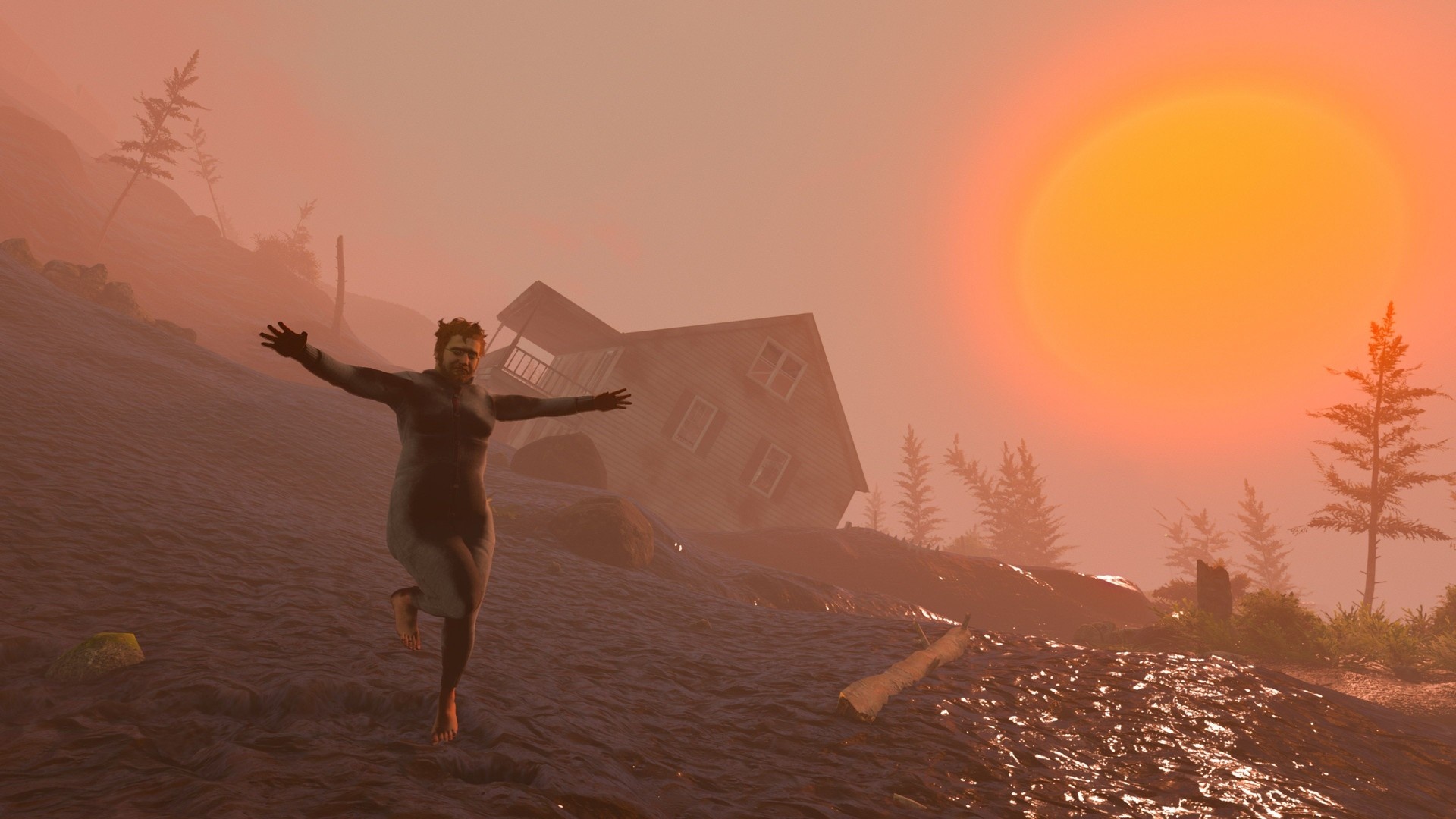
The game builds to an ending that invites players to reflect on what it means to meet or reject a stereotyped image of manhood.
Common themes and a quick comparison
All three games — Silent Hill f, Consume Me, and Baby Steps — address how society places expectations on people based on gender. Each uses a different genre and tone to do so: horror for Silent Hill f, autobiographical minigames for Consume Me, and absurd comedy for Baby Steps.
In concrete terms:
- Silent Hill f: period psychological horror set in 1960s Japan that foregrounds a female protagonist’s struggle with expected femininity.
- Consume Me: an award-winning indie life-sim that recounts the creator’s teenage experiences with body image and social pressures.
- Baby Steps: a comedic walking-sim that stages awkward encounters and social pressure to explore masculinity.
Finally, as a direct line from the original coverage: “Only one of those heroes gets to smash some faces in with a crowbar along the way.”