Silent Hill f Is a Gorgeous, Gut‑Punching Comeback — Play It If You Dare
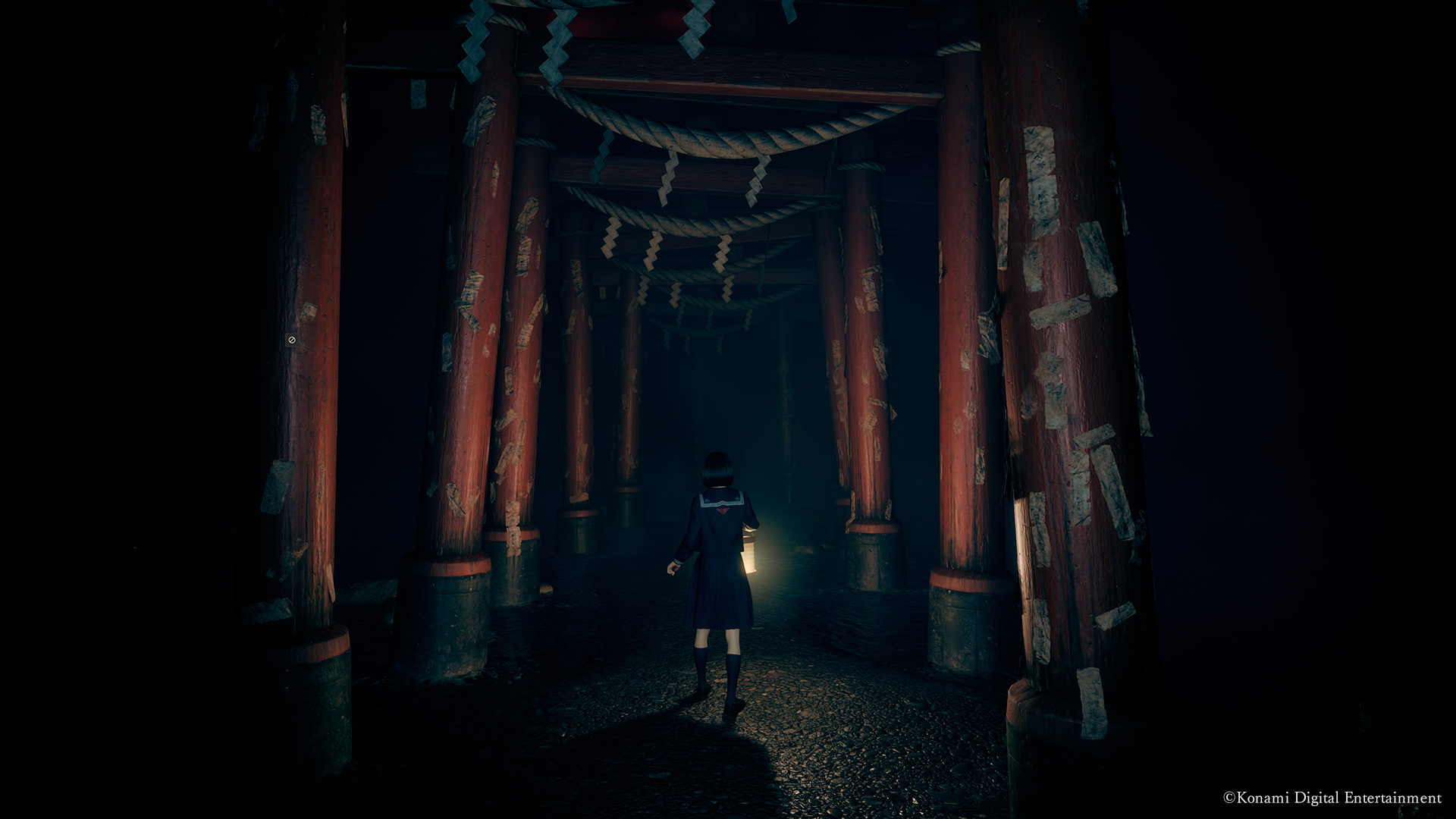
Silent Hill f launched on Sept. 25 for PlayStation 5, Windows PC, and Xbox Series X. The game was developed by NeoBards Entertainment and published by Konami, and it stars high school student Hinako Shimizu as the playable protagonist. The project lists writer Ryukishi07 and composers Akira Yamaoka and Kensuke Inage in its credits.
- Gameplay Structure
- Combat Mechanics
- Upgrades and Omamori
- Puzzles
- Story and Endings
- Audio and Visuals
- Release and Review Details
Overview
Silent Hill f is a new installment in Konami’s Silent Hill series. The game alternates between a grounded village environment and a ritualistic liminal area called the Dark Shrine. Players control Hinako Shimizu while investigating the changes afflicting the village and completing tasks presented in both locations.
Setting
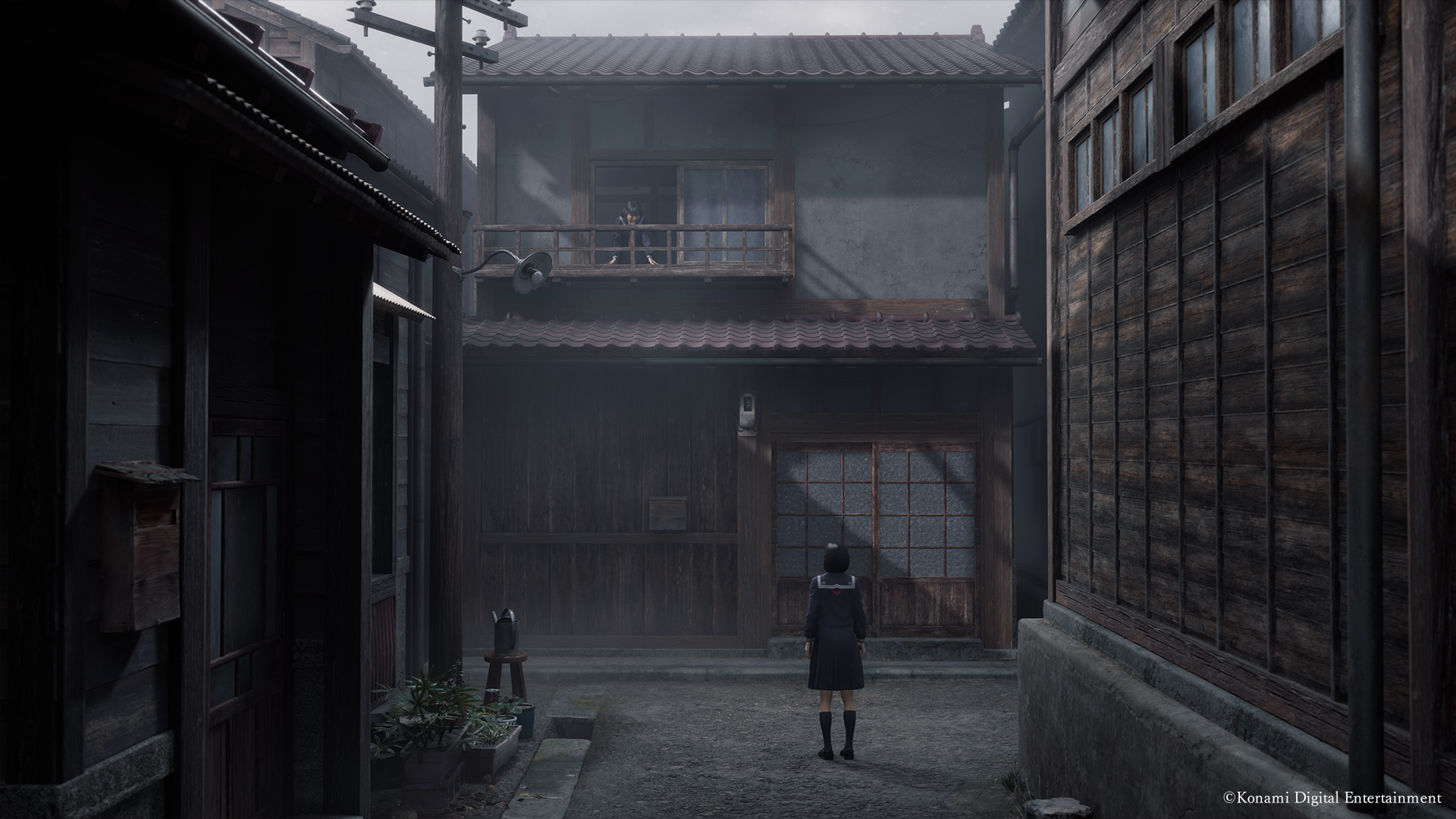
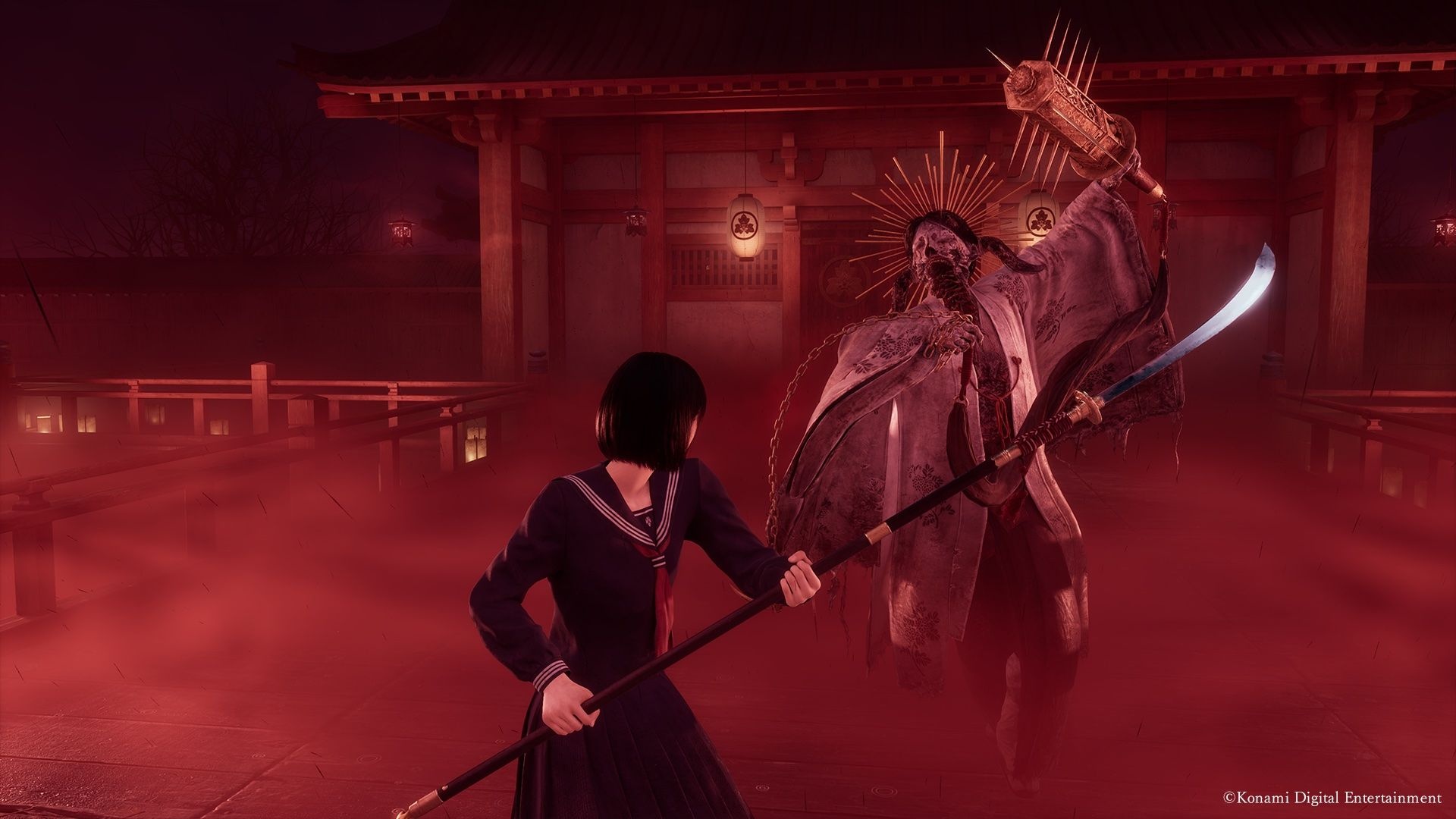
The main locale is the fictional Japanese mining village of Ebusigaoka, which the protagonist describes as a “sad little town.” The village includes dense residential areas, small businesses, shrines, and nearby pockets of nature. Early in the game, the environment shifts into a fog-shrouded, crimson-infused version of the town that signals the start of the game’s supernatural sequence.
Gameplay Structure
Silent Hill f is divided into two primary spaces: the town of Ebusigaoka and the Dark Shrine. In Ebusigaoka, Hinako explores familiar locations (for example, her middle school and friends’ homes). Meanwhile, the Dark Shrine functions as a ritual space where a masked figure called Fox Mask presents tests and ceremonies.
Players can save at shrines, spend offerings to earn upgrade currency, and return to cleared saves via New Game Plus. The game features multiple difficulty modes and unlockable endings, which affect replay value and some in-game content.
Combat Mechanics
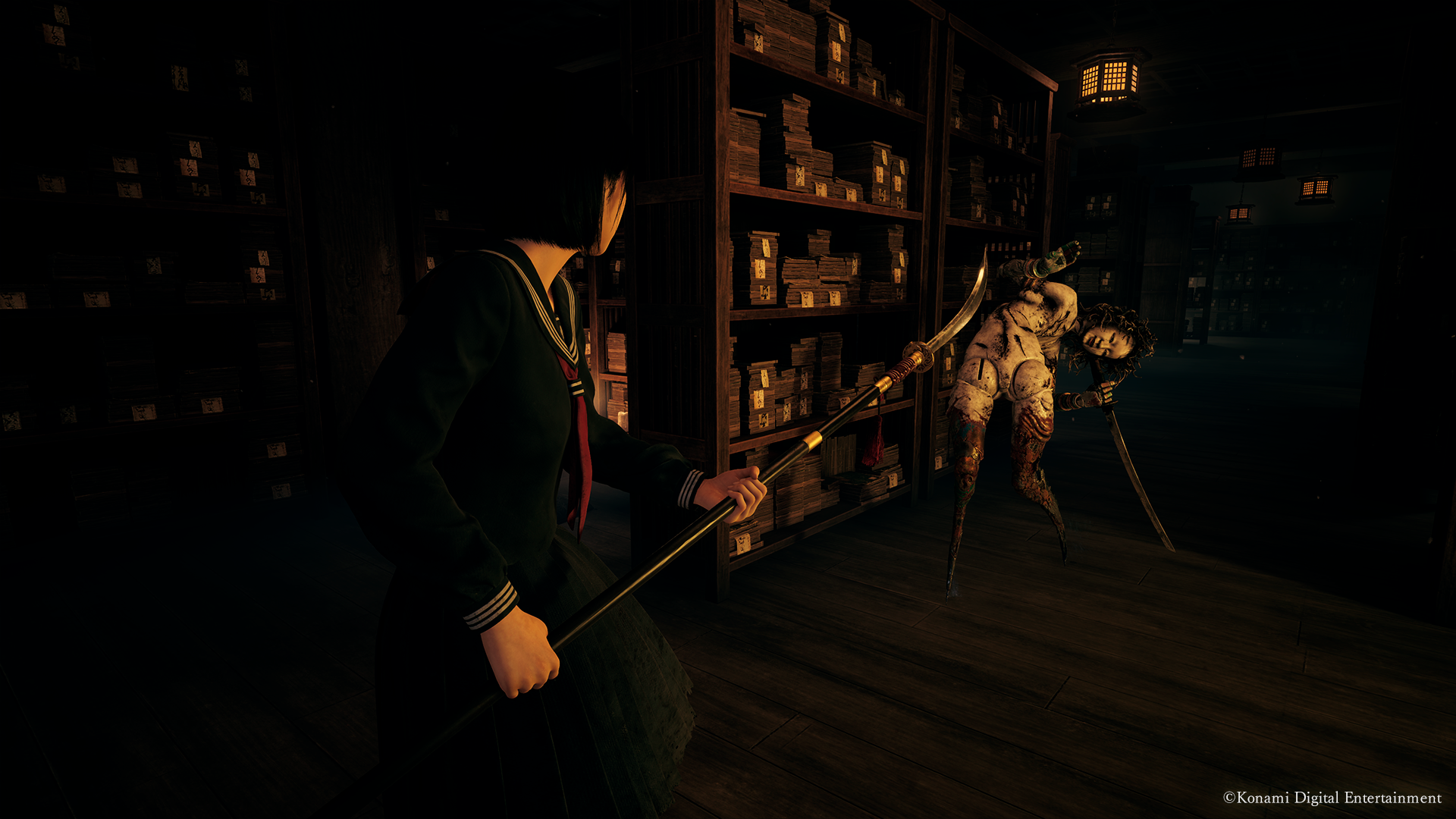
Combat is primarily close-range and melee-based. Hinako uses improvised weapons such as steel pipes, baseball bats, kitchen knives, and ceremonial daggers. Weapons can degrade and break with use, requiring players to manage supplies and sometimes flee encounters.
Control inputs include dodge moves, counterattacks, and separate light/heavy attacks mapped to shoulder buttons on controllers. The game uses a stamina meter for many actions and supports charged melee attacks. These mechanics are present alongside more traditional Silent Hill exploration and puzzle elements.
Upgrades and Omamori
Shrines serve as save points and upgrade stations. Players can exchange items and food as offerings to receive Faith, the in-game currency used for upgrades. Upgrades include increases to health and stamina and the ability to equip additional charms called omamori.
Some omamori are found in the world, while others are obtained through a randomized system that requires spending Faith (a gacha-style mechanic). Examples of omamori effects noted in the game include reduced weapon wear when using light attacks and a small health refill after defeating an enemy.
Puzzles
Many puzzles follow an object-and-slot structure (for instance, finding crests or keys and placing them correctly). However, the presentation often uses narrative or cultural artifacts—such as scrolls, paintings, and traditional Japanese items—to convey solutions.
The game offers three difficulty modes: Story (easiest), Hard, and Lost in the Fog (an unlockable, more challenging mode). Puzzle complexity and presentation vary across locations and modes.
Story and Endings
The game’s narrative is intentionally layered between Ebusigaoka and the Dark Shrine. Clues appear in notes, environmental carvings, and Hinako’s in-game journal, which updates as the player progresses.
New Game Plus reveals additional story content, enemy variations, and quests not available on a first run. The title includes multiple endings: one initial ending is available on a first playthrough, and there are four additional unlockable endings obtainable through subsequent playthroughs or specific actions.
Audio and Visuals
Art direction emphasizes near-photorealistic environments with stylized, dreamy touches—fog, moss, and detailed interiors are prominent. Music credits include series veteran Akira Yamaoka and composer Kensuke Inage, with a mix of classic Silent Hill motifs and traditional Japanese elements noted in the score.
Release and Review Details
Silent Hill f released on Sept. 25 for PlayStation 5, Windows PC, and Xbox Series X. The game was developed by NeoBards Entertainment and published by Konami. The listed writer is Ryukishi07. The game includes content warnings for graphic violence and themes such as abuse, gender discrimination, torture, and self-harm.
Review notes: the game was reviewed on PlayStation 5 using a prerelease download code provided by Konami. Reported first-playthrough time on Story difficulty in one review was approximately 13 hours, with additional content unlocked on subsequent playthroughs.