Society (1989) Is the Sickest “Eat‑the‑Rich” Horror — Wait Until the Climax
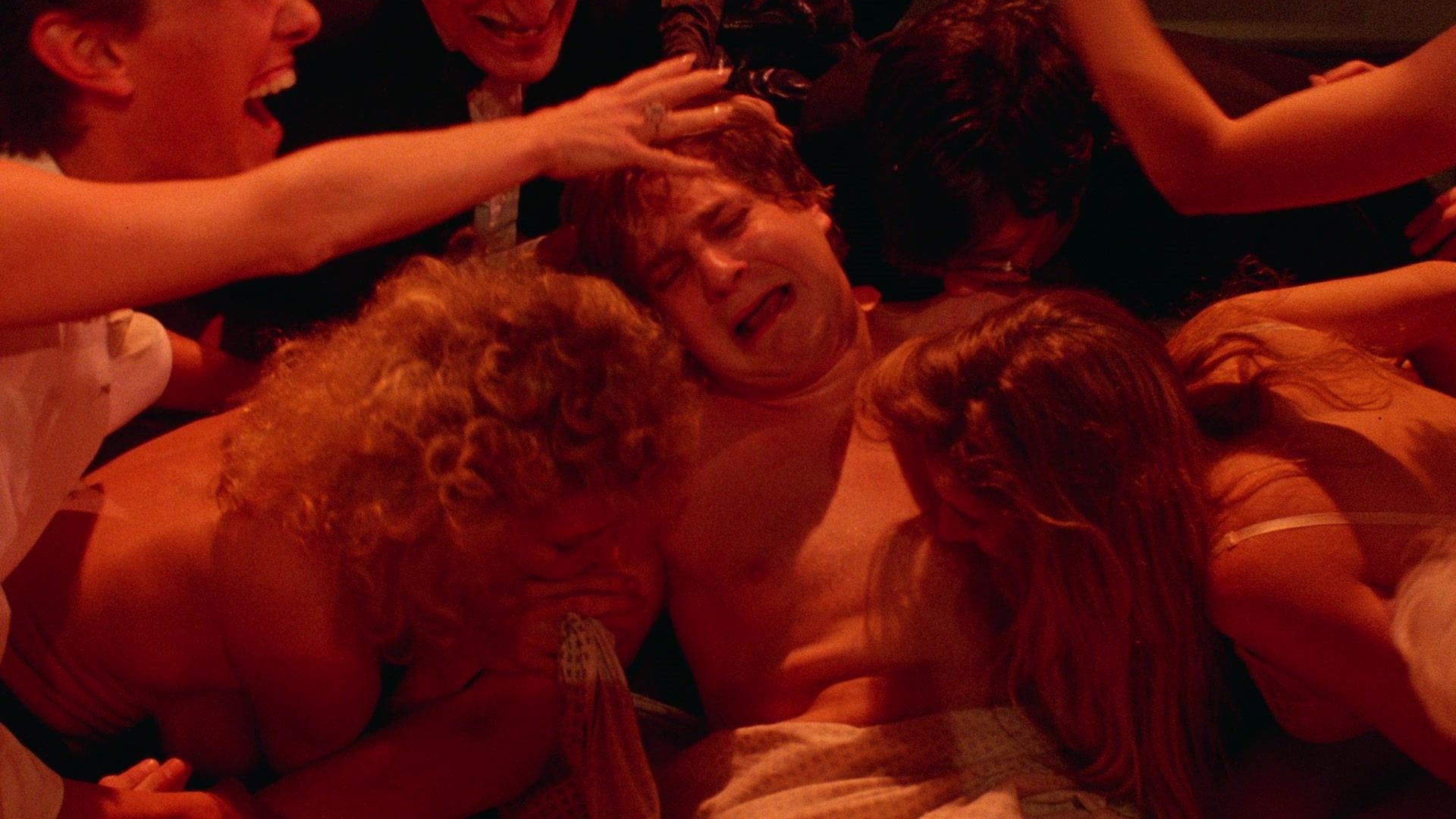
Society is a 1989 horror film directed by Brian Yuzna that mixes social satire with extreme body-horror effects. The movie follows a privileged teenager who suspects his wealthy family and classmates of belonging to a secretive, predatory cabal, and it culminates in a notorious practical-effects climax that many viewers remember for its intensity.
Quick facts
Title: Society
Director: Brian Yuzna
Year: 1989
Runtime: Approximately 100 minutes
Lead actor: Billy Warlock (as Bill)
Plot and tone
The story centers on Bill, a teenage member of a wealthy Beverly Hills family who feels alienated from his peers. Consequently, he begins to suspect that his family and other elites are involved in a secretive group that preys on outsiders. The film builds tension through repeated hints and missed confirmations, so the plot often emphasizes suspicion rather than explicit proof.
Meanwhile, the film’s presentation leans into a bright, glossy depiction of late‑’80s suburbia. Therefore, the early material can feel deliberately ordinary, which contrasts with the more shocking material later on.
Effects and climax
The film is known for its practical make-up and prosthetic effects, credited in the opening to Screaming Mad George. Over time, the movie’s narrative leads to a single, extended sequence of mass body-horror that is both graphic and stylized. This climax is frequently cited in discussions of extreme practical-effects work in genre cinema.
Where to watch
Society is available on several streaming and purchase platforms. For example, you can stream it for free on Plex, or find it on Fubo. Additionally, Night Flight Plus lists the film in its catalog at Night Flight Plus, and you can rent or buy a digital copy via Fandango.
For collectors, Arrow’s U.K. Blu‑ray edition is available through their store at Arrow’s U.K. physical edition, which offers a high‑quality transfer for multi‑region players.
Reviews and reception
Critics and viewers often point to the film’s final sequence when discussing its impact. For instance, one Letterboxd review describes the film as “top tier ‘subtext is for cowards’ filmmaking.” You can read that write‑up on this Letterboxd page.
Overall, the film is frequently referenced in conversations about horror that blends social commentary with physical spectacle. As a result, it remains a notable title in late‑20th‑century genre cinema.