Sonic Team: Tell Us What You Want — More Cars, DLC and Wild Crossovers Coming to Sonic Racing: CrossWorlds
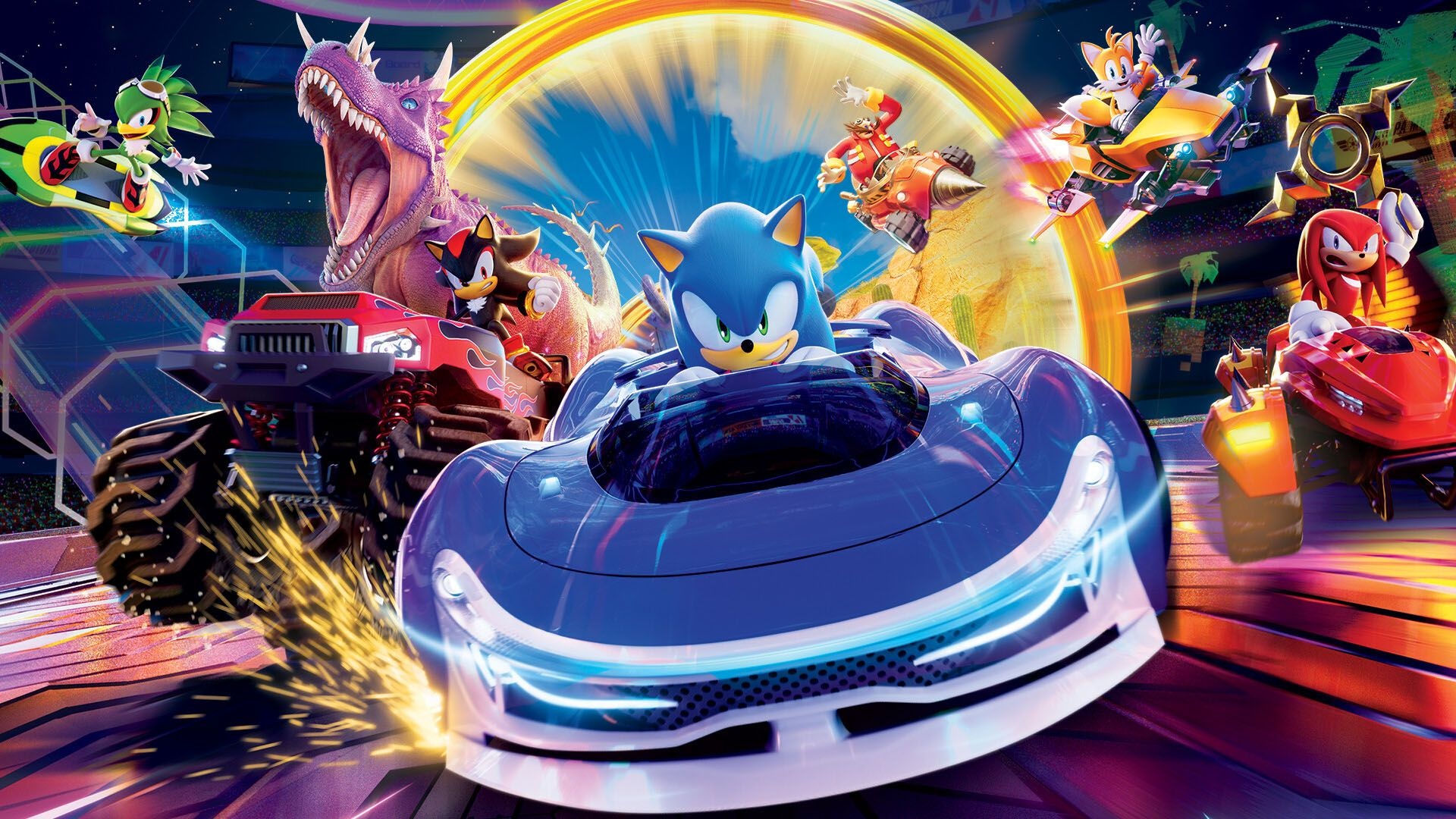
Sonic Team laid out practical plans for Sonic Racing: CrossWorlds at Brasil Game Show, and they repeatedly pointed to player feedback as the guide for what comes next. The team says the game’s positive reception has given them confidence, the online setup lets them add content and balance over time, and the project itself grew from a merger with Sega’s arcade racing staff during COVID restructuring.
- Game reception & next steps
- Online structure and DLC
- Team merger and origins
- Design, cars and handling
- Rival System and Travel Rings
- Guest characters and tone
Game reception & next steps
Sonic Team said they’ve noticed a lot of positive comments from both fans and reviewers. As a result, they feel comfortable continuing to support the game with new content. Series producer Takashi Iizuka said, “We really appreciate all the positive comments we’ve gotten from fans and from reviewers. People really like the game, which gives us the confidence to continue making more content.”
Moreover, the team is openly asking players to shape that future. Iizuka added, “If enough people are coming in and playing it, there’s conversations about the game. We have one year of DLC, we could do year two, we could do year three of DLC,” Iizuka says. “Tell us what you want!”
Online structure and DLC
Because CrossWorlds is an online game, Sonic Team can extend the title over time. In practice, that means new gadgets, tweaks to balance, and additional content can be rolled out after launch. The team framed this as a direct advantage: “These are the things we can do because it is an online game. We could add new gadgets, we could balance the game differently.”
Team merger and origins
Interestingly, the project began as an internal shift. Iizuka explained that changes during the COVID period affected arcade development and led Sega to restructure. He said, “It actually started because COVID happened and started affecting the arcade sales and the profitability of the arcade development teams. And so Sega itself said, ‘We need to restructure how our teams are working and what they’re working on,’” Iizuka explains.
Consequently, Sonic Team merged with the Sega arcade racing staff. That pairing was practical: one team had deep Sonic experience, the other had racing expertise. Iizuka described it plainly: “That was really the opportunity for Sonic Team to think, we need to make a game with these guys. What are they best at? What can they make that’s amazing? Racing games! What are we great at? Sonic! We’re going to make the best Sonic racing game because now we have the Sonic experience, we have the racing experience. It’s a perfect fit,” Iizuka says.
Design, cars and handling
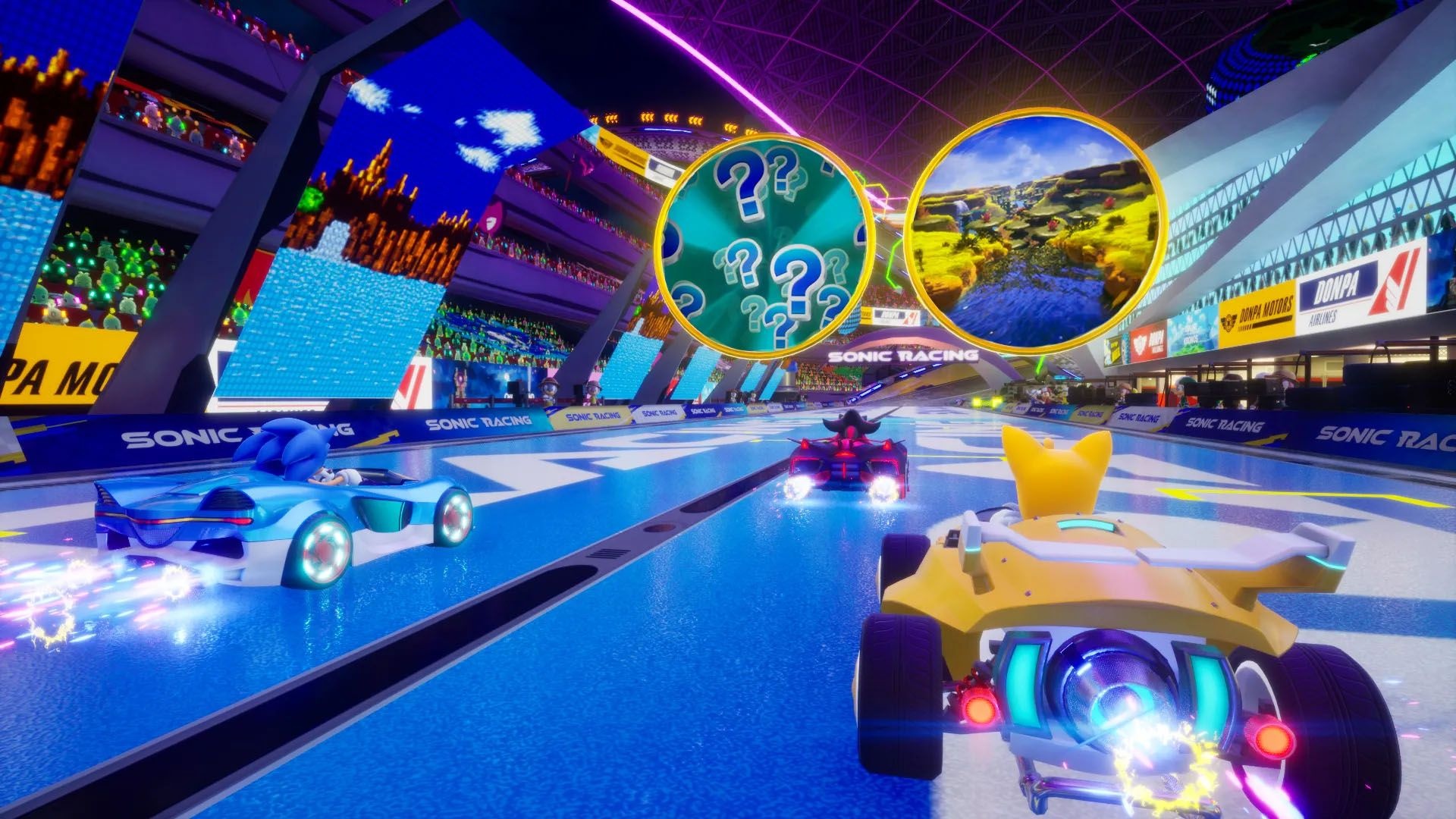
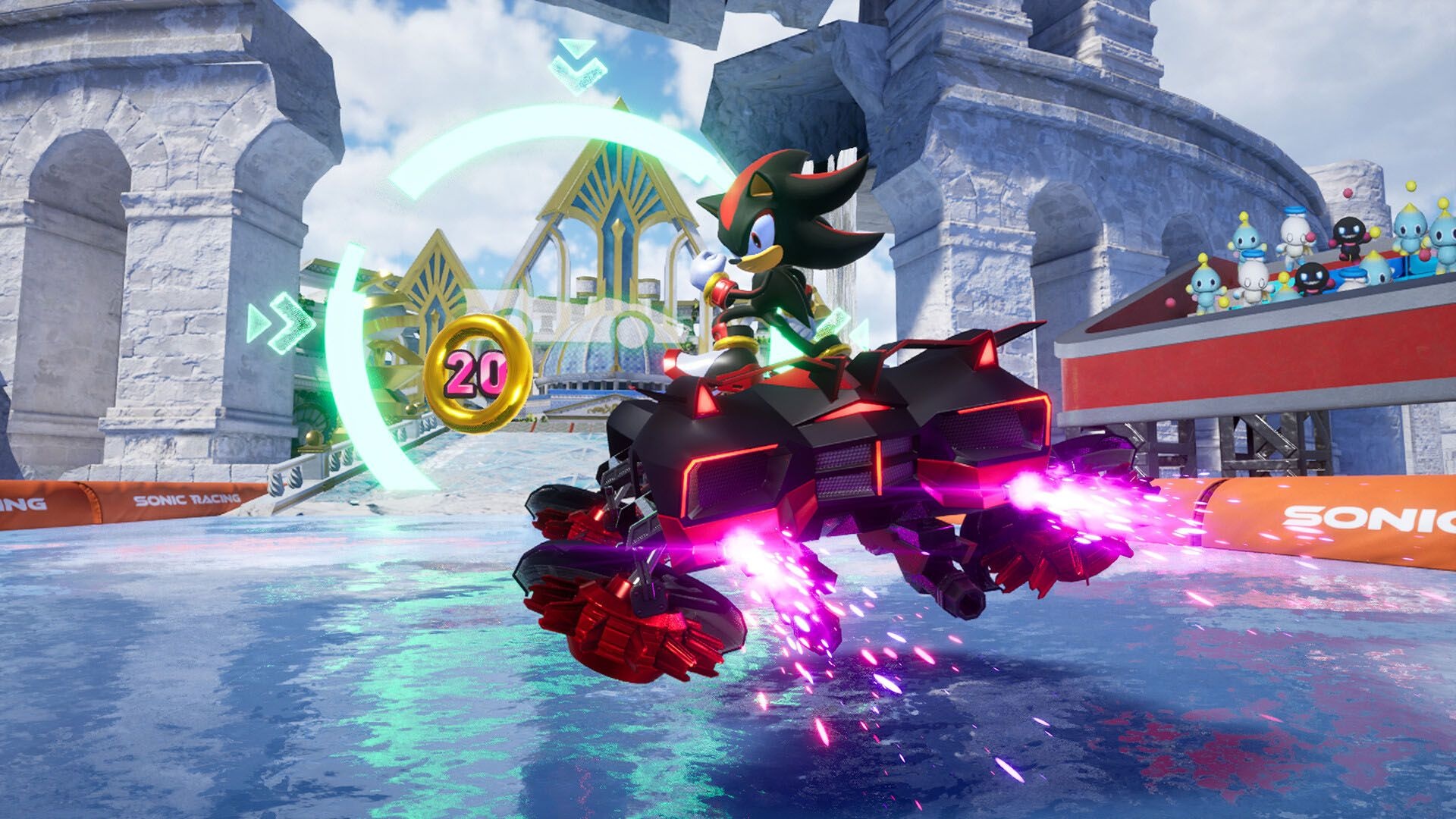
The developers focused on making vehicles feel like an extension of the characters. Visually, cars were crafted to suit each driver. Iizuka said, “Sonic must always be driving a really cool car. These aren’t go-carts, these are cars! And so even when the team was designing the vehicles, I would be going in and touching up how the side looks, and how the front looks, and how the back looks to make sure all the vehicles, for all the characters, are unique to that character, but also look really cool and feel very stylish.”
Meanwhile, the team also spent time tuning controls so the racing actually feels like Sonic. In short, speed alone wasn’t enough. Iizuka put it clearly: “The other really important thing is — and it goes through for even the 3D action games — is the feel. You have the controller in your hands and you’re pressing buttons. It’s about how that feel connects with the in-game experience. Having Sonic just drive fast is great, that’s very Sonic. But it also needs to feel really good. And so the team spent a lot of time working on not just the speed, but the cornering, the handling, the drifting, all the other elements of racing that needed to go in to have it feel just like a 3D Sonic action game.”
Rival System and Travel Rings
Sonic Team added a Rival System so characters can trade competitive lines during races. That introduced a writing challenge because many characters had never interacted before. According to Iizuka, “A big challenge was having these characters all speak to each other directly with the Rival System. It was extremely difficult to go through this huge roster of characters and some of them have never ever met before.”
To justify these encounters, the game uses Travel Rings — portals that link different worlds and bring characters together. Iizuka explained that this structure made it possible to stage direct, competitive comments: “Usually if you’re writing a story for a story-based thing, the story is happening and the characters run into each other. And so you can think of what they would say to each other in that situation. But this is really a direct competitive comment that they’re making.”
Guest characters and tone
CrossWorlds includes outside characters like Hatsune Miku and Minecraft elements. The team framed those additions as choices made for fun rather than strict series canon. As Iizuka put it, “The development team thinks it’s a lot of fun, and they thought it was a great way to kind of get all this play activity together. So instead of thinking of it as a hard canon of ‘this is how the world is,’ we hope everyone just enjoys it more like a fun party experience with a story reason for why it’s happening, but not necessarily the absolute truth of the characters,” Iizuka says.
Finally, Sonic Team stressed that CrossWorlds is an ongoing project. They plan to listen to players, continue building content, and adjust the game’s systems over time. Therefore, the road ahead will depend largely on community response and how many players keep coming back.