Splinter Cell: Deathwatch on Netflix — Liev Schreiber Leads Derek Kolstad’s Bleak, Brilliant Spy Anime
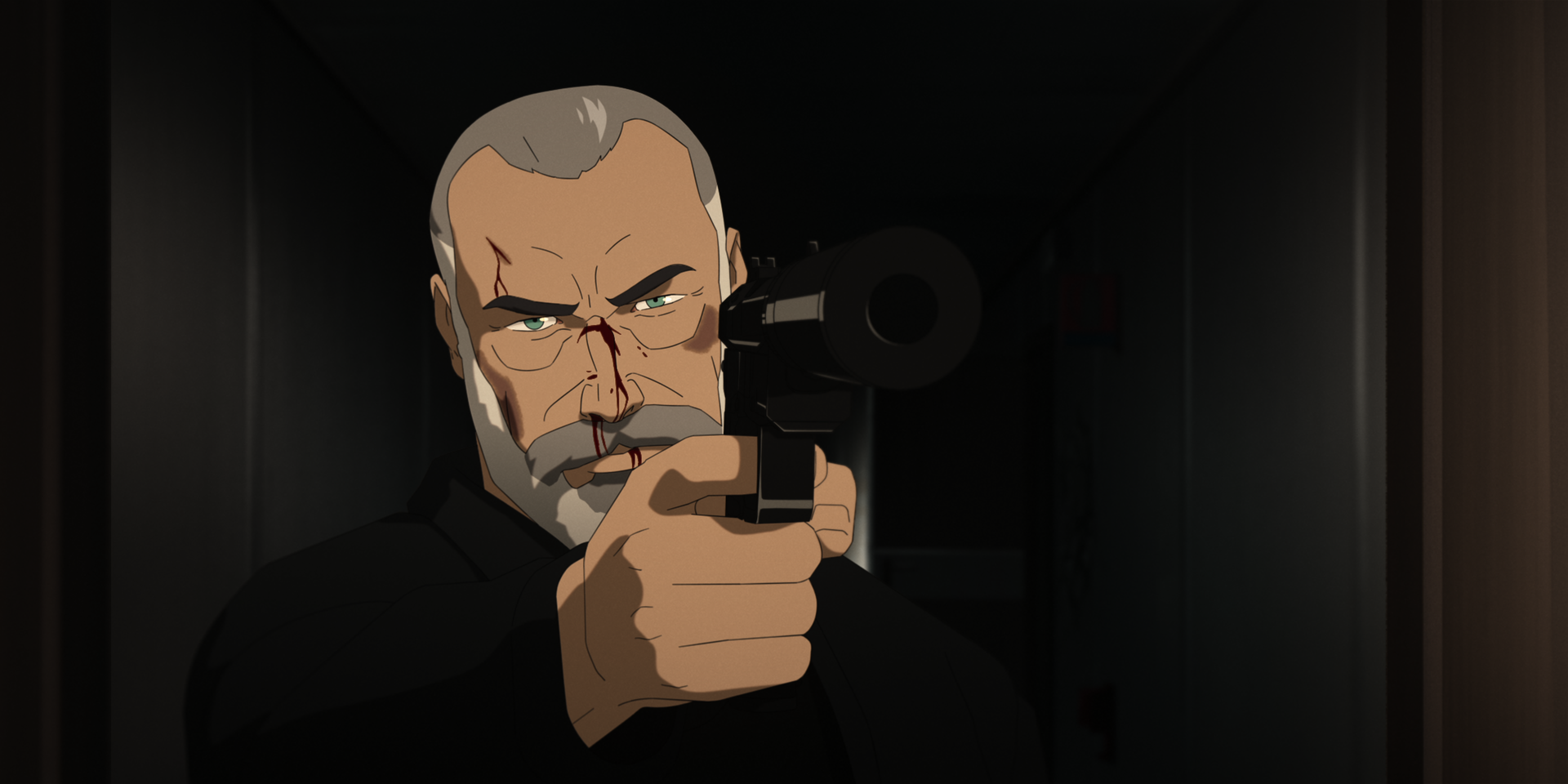
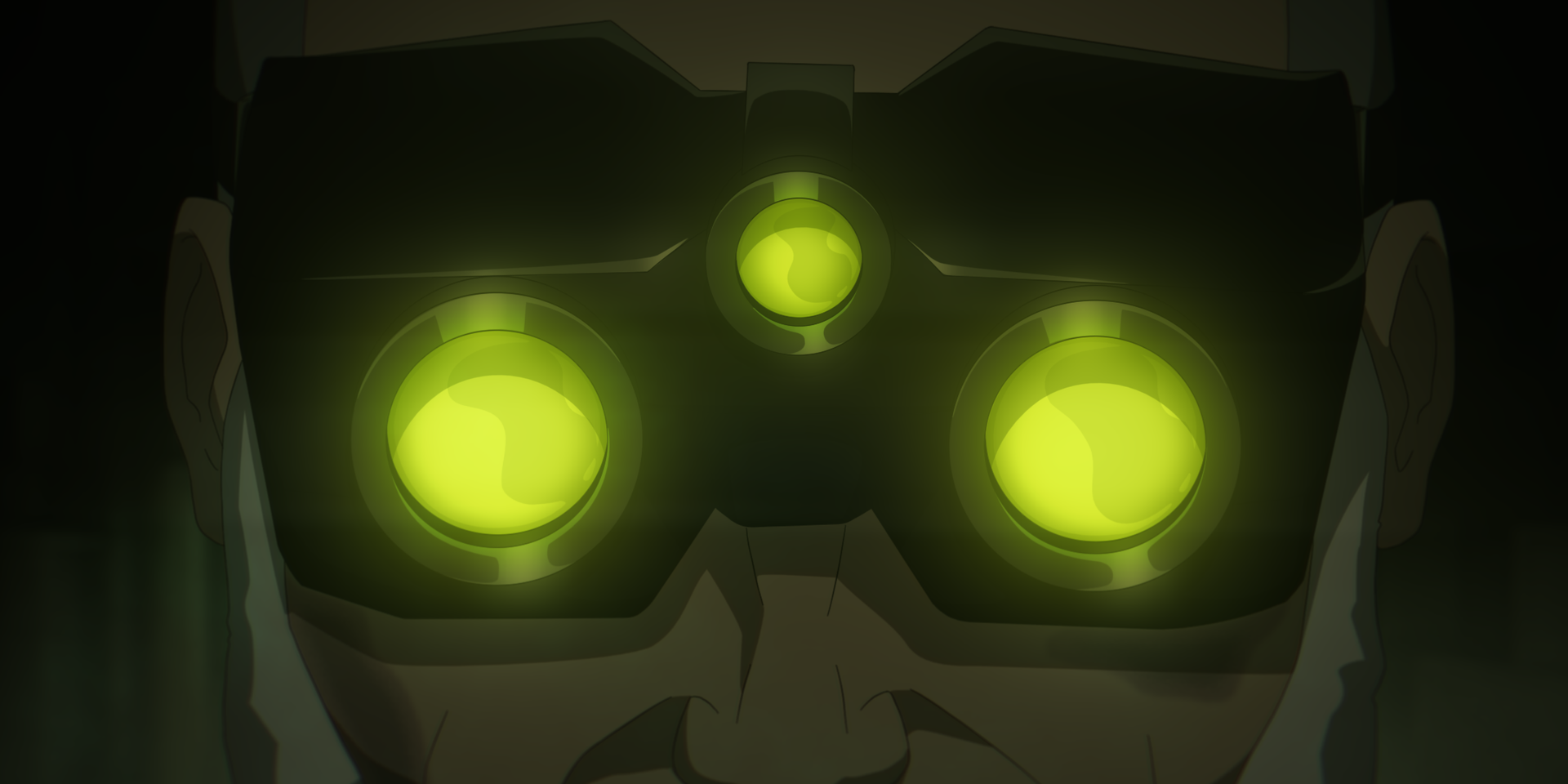
Netflix and Ubisoft have released Splinter Cell: Deathwatch, an anime-style series that continues the Splinter Cell franchise on screen with new episodes, voice actors, and a story tied to the games.
Premise
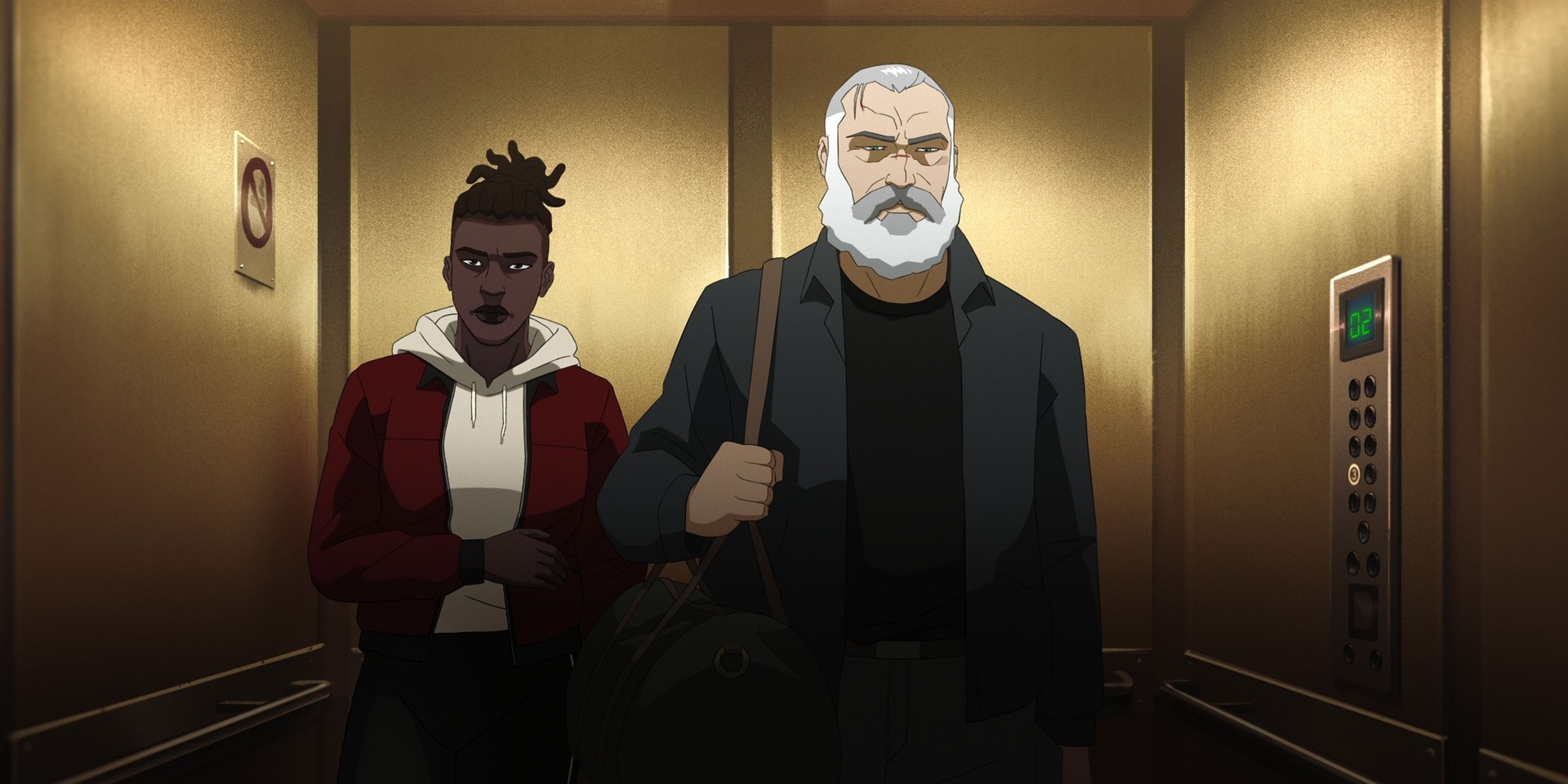
Splinter Cell: Deathwatch follows former CIA paramilitary officer and Navy SEAL Sam Fisher, who is pulled out of retirement to assist a new agent, Zinnia McKenna, after a Fourth Echelon mission leaves her badly wounded and stranded. The covert unit Fourth Echelon is portrayed in the series as answering directly to the President of the United States.
The plot navigates traditional stealth operations against a modern digital threat, including corporate espionage and disinformation campaigns tied to global warming. Episodes mix fieldcraft with political and corporate intrigue across the season.
Connections to the games
The series arrives more than a decade after the last mainline game, 2013’s Tom Clancy’s Splinter Cell: Blacklist, and it is described as being directly tied to the video games rather than as a full reboot. For background, the franchise was kept active in other media, such as a couple of tie-in novels and a radio drama. For example, there were new tie-in novels noted on this page and a BBC radio drama listed on the BBC site. The most recent Splinter Cell novel, Splinter Cell: Dragonfire, was released in 2024 and is referenced here.
Additionally, the series references established franchise elements and characters; key story beats and lines of dialogue in the games continue to appear in linked materials, such as the game’s transcript archives noted at the Splinter Cell fandom page.
Characters
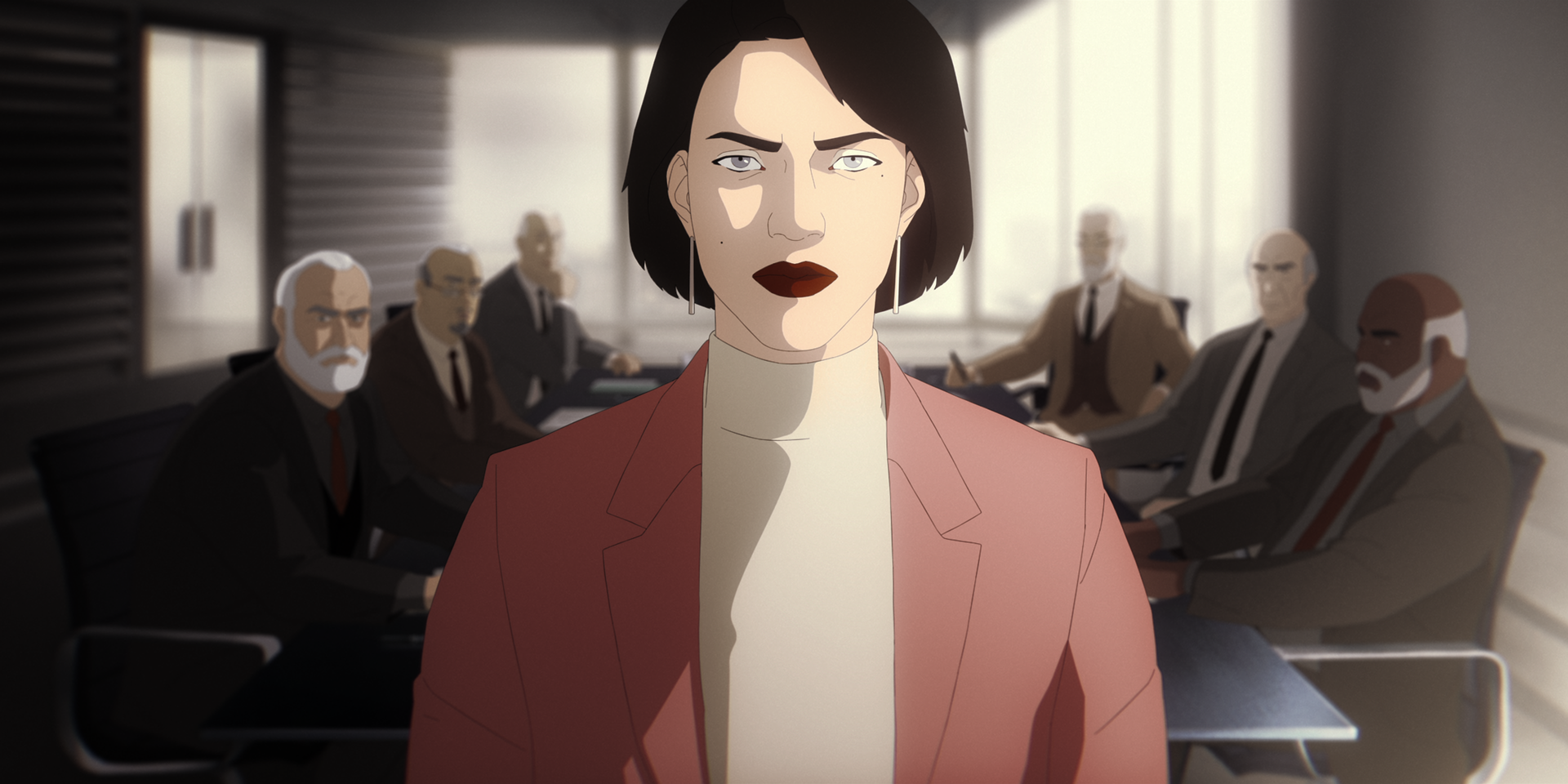
Sam Fisher is voiced by Liev Schreiber. The new agent Zinnia McKenna is voiced by Kirby Howell-Baptiste. The story brings back Douglas Shetland, an important figure from the games, now framed as an antagonist who once had a close relationship with Fisher. Shetland’s two children, Diana and Charlie, also appear and are voiced respectively by Kari Wahlgren and Aleks Le.
In the series, Shetland founded a private military company called Displace International after his fallout with Fisher. The Shetlands portray a public stance of addressing climate change, while the company is shown conducting covert and violent operations tied to achieving those goals.
Themes and ending
The show explores the moral complexity of espionage and covert military work. It repeatedly presents the idea that operators like Fisher and his counterparts carry moral and emotional consequences for their actions. Across its run, Deathwatch examines legacy, regret, and the tension between state-directed action and private military interests.
The first season consists of eight episodes. The finale is animated with detailed sequences and ends on a bleak note. Creator Derek Kolstad reportedly planned for two seasons, but only one season was greenlit, according to an interview summarized by Collider here. Also, discussions about Netflix renewal patterns and cancellations are noted in broader coverage of streaming decisions on this page.
Production and release
Splinter Cell: Deathwatch was developed for Netflix by Derek Kolstad, creator of the John Wick films, with animation by Sun Creature Studio and the French studio Fost. The studios are listed on their official pages: Sun Creature Studio and Fost.
The series is available exclusively on Netflix. Coverage about the series’ ties to the games and adaptation choices can be found in reporting that outlines the direct connections between Deathwatch and the Splinter Cell video games here. Historical notes on the planned but cancelled film adaptation are available at IGN as well here.