Steam Crackdown Forces Indie Devs to Take Back Control with Handmade Physical Releases
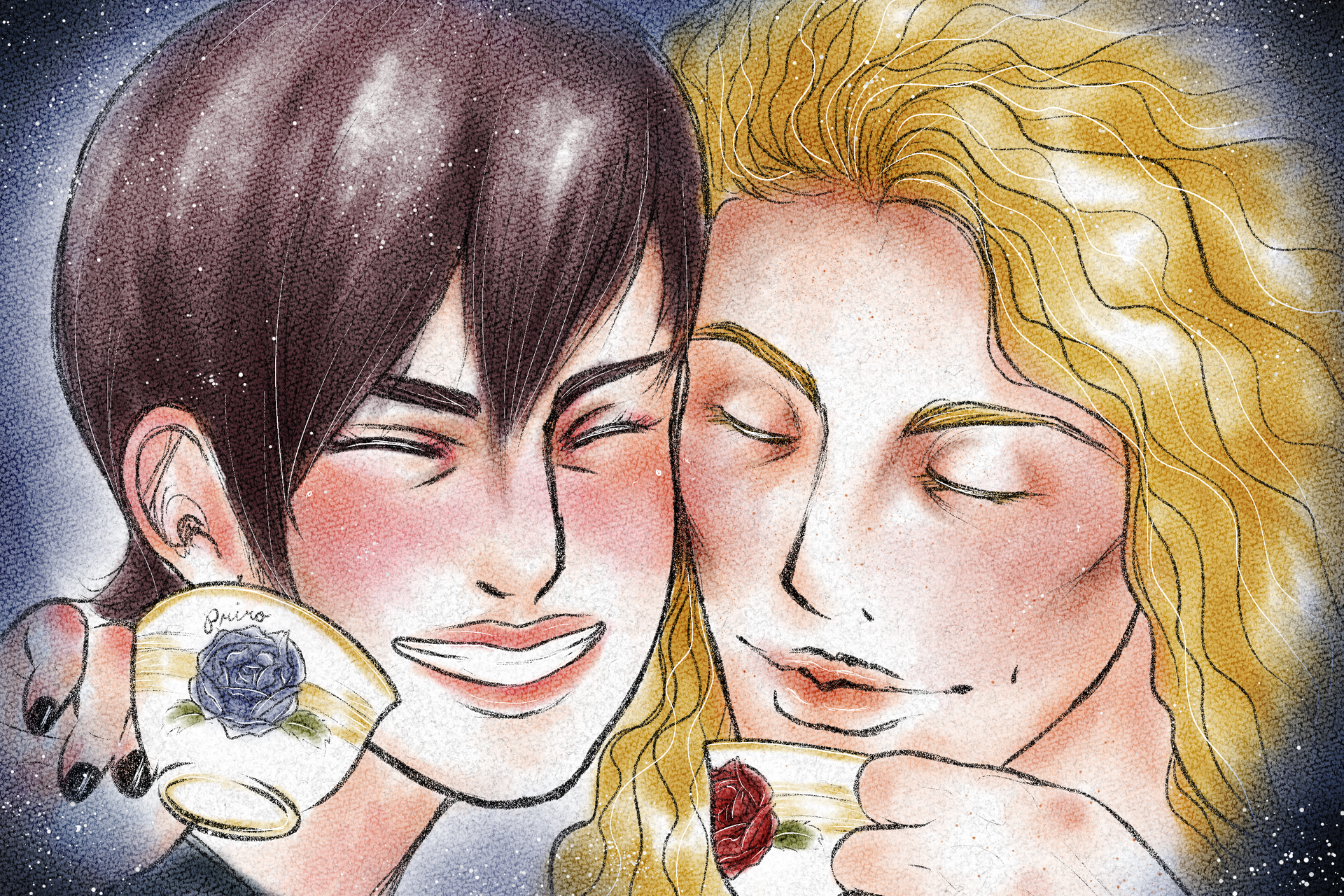
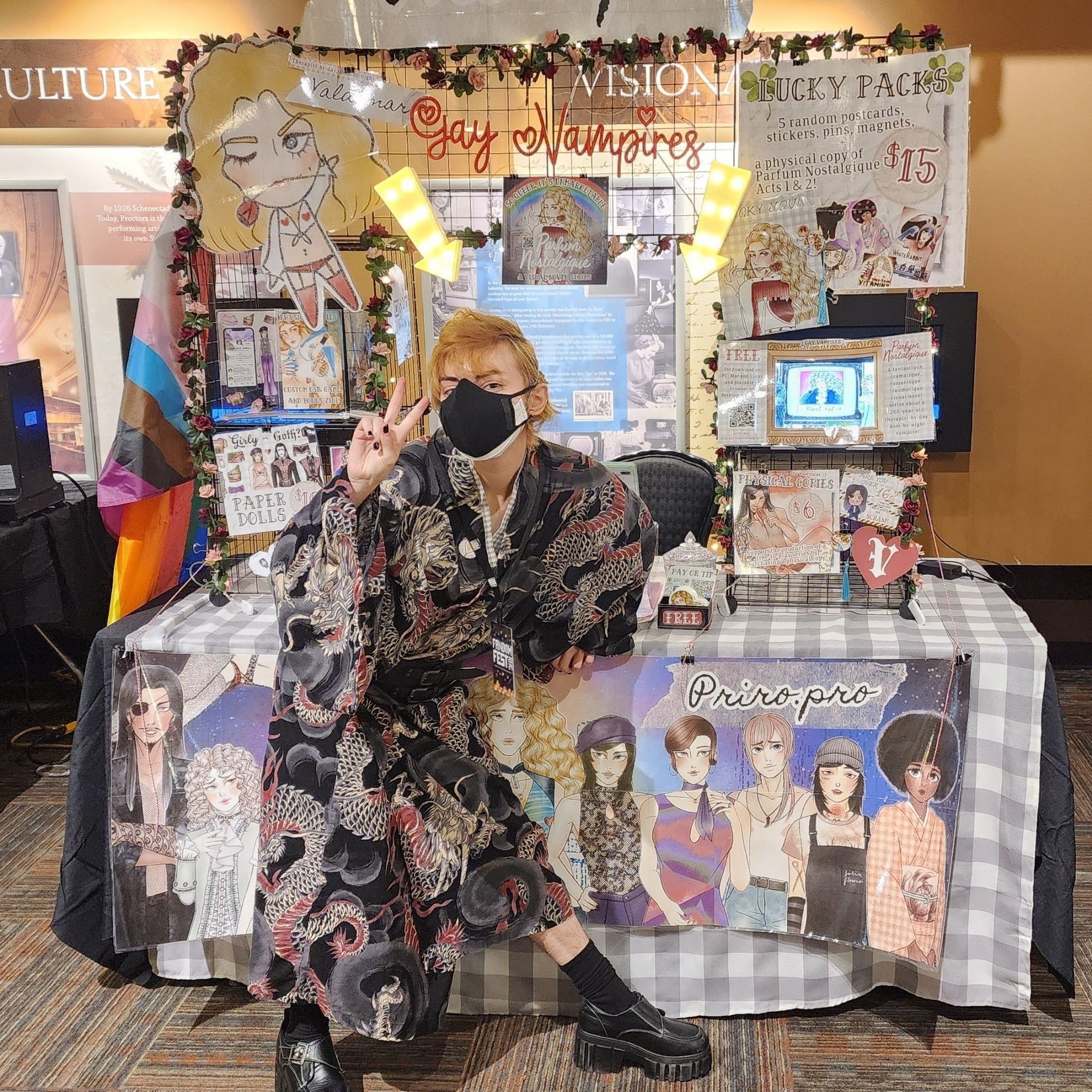
Steam has recently tightened its rules around adult and sexual content, and that change has left some indie developers scrambling. One creator, 27-year-old Rosario, checks Steam regularly to make sure his visual novel about a queer sex worker, Parfum Nostalgique, is still available. Meanwhile, other creators have seen games removed after campaigns and pressure from outside groups and intermediaries.
- What is happening on Steam
- Why developers are looking to physical distribution
- How physical releases can work
- Rosario and the takeaway
What is happening on Steam
In 2025, Steam removed a collection of games partly after a campaign led by the organization Collective Shout, which pushed platforms to tighten rules on content depicting violence against women. Payment processors like Visa and Mastercard have publicly denied ordering removals and say they only require legality, but platform representatives have said intermediaries that work with processors raised concerns to companies like Valve. As a result, some developers say they feel pressure on their listings and uncertainty about what content is allowed.
Developers report that Steam’s early access model has become harder to use for adult games, and that enforcement can feel inconsistent. As one developer put it, “Nobody really knows what gets a game taken down,” Rosario told Polygon in an interview. This unpredictability is a major reason some creators are exploring alternatives.
Why developers are looking to physical distribution
Because digital platforms can remove or restrict games without clear guidance, some creators are choosing to produce physical copies as a backup or as a way to connect directly with players. For example, Rosario released a pay-what-you-can zine called Holding the Baby: How to make and distribute physical games in the age of digital download dominance that explains how to self-distribute.
Physical items can create a stronger, more personal connection. They let developers customize packaging, include extras, and make an object that people keep on a shelf instead of a store page that might vanish. Rosario argues this can turn a game into a keepsake rather than just another download.
How physical releases can work
Physical distribution doesn’t mean making traditional discs. Many indie creators use USB drives, which are relatively cheap and flexible. They can be shaped, illustrated, and packaged in creative ways that standard digital stores don’t allow. For example, Rosario has used a circular “wafer” USB that folds down on a thin stick, decorated with art and attached to a tassel, all wrapped on a card shaped like a perfume bottle.
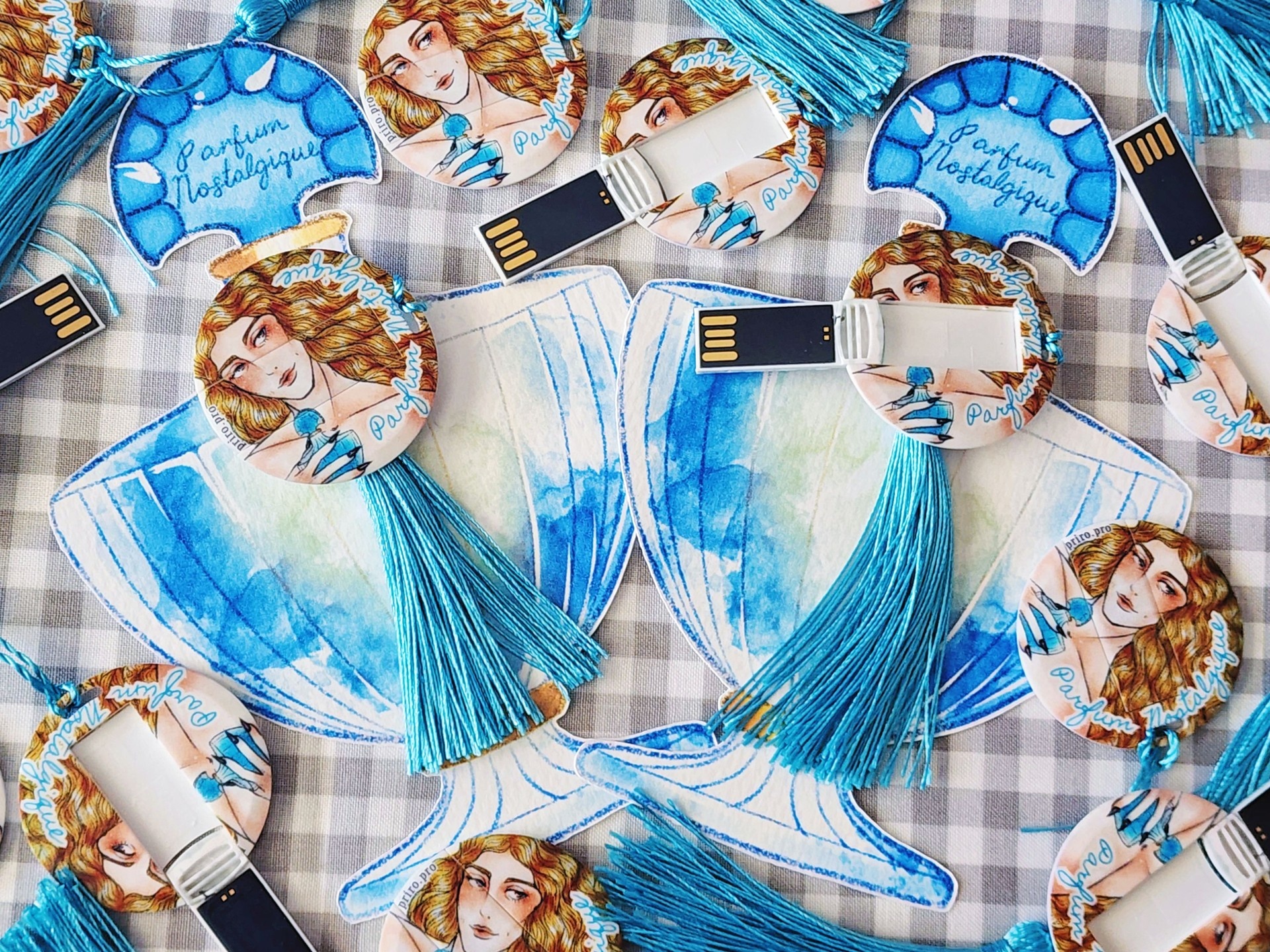
Other options include cassette-style boxes, sheer envelopes with twine and wax seals, or novelty flash drives shaped like keys or cards. These choices let developers design an experience from unboxing to installation. Additionally, physical sales at events can build community and reduce reliance on any single online platform.

Costs, logistics, and audience
Of course, making physical products adds costs and logistics: manufacturing, shipping, and storage. Yet some developers find crowds, events, and direct sales can offset those costs. Moreover, limited runs can create scarcity and make the releases more meaningful to fans.
Rosario and the takeaway
Rosario still values Steam for discovery and community, and he doesn’t advocate abandoning platforms entirely. However, he sees physical distribution as a form of resilience. As he asks, “So where are we supposed to go if we can’t trust our platforms to have our backs?”
He also urged caution about sweeping solutions. “It’s naive to suggest that everything would be fixed if we all delete our games from Steam and Itch.io, and move onto our own websites, and I don’t want anyone to think that’s what I’m trying to say, but there simply should be no attempt at a Library of Alexandria for games,” Rosario said. Instead, he recommends developers explore more distribution methods so their work can persist outside a single storefront.
Finally, Rosario described the personal value of making physical editions: “I think everyone’s game should have the opportunity to be more than a game, but a memento of a day in someone’s life, an object that sits in their house, a personal belonging,” Rosario says. “If I left it up to a mass marketplace or a social media algorithm to distribute my work, all I’d have to tell me my work was reaching people would be a quick, underwhelming check of numbers.”