Stop Reviving Teammates in Battlefield 6 — You’re Losing Matches by Trying to Save Them
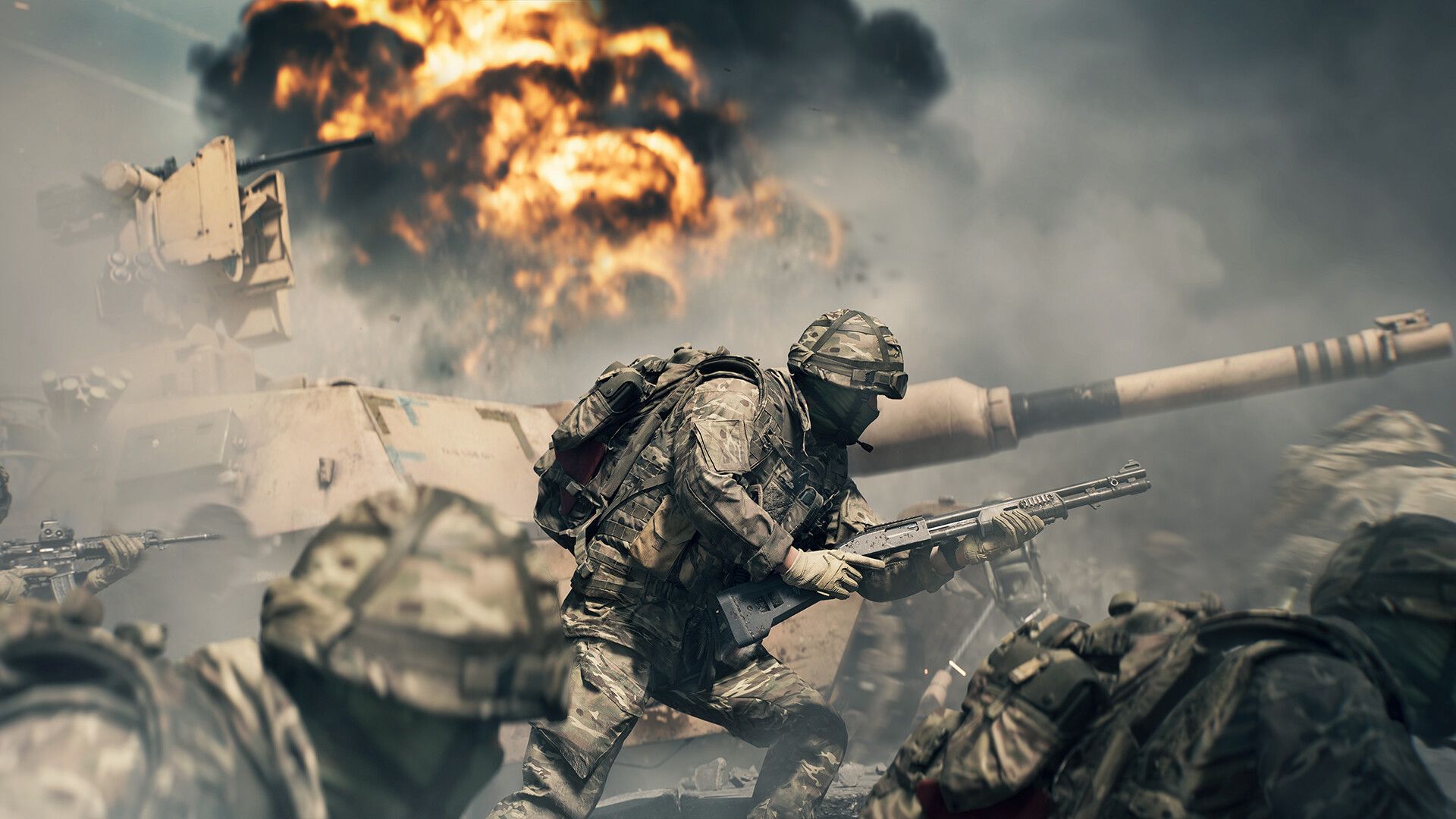
During the Battlefield 6 open beta, several matches showed a clear tactical pattern: attempting to revive downed allies in exposed areas often cost more lives than it saved. In short, revives frequently created openings for opponents, and many teams lost ground when players tried to bring teammates back into action in unsafe positions.
- What happened in the beta and a concrete example.
- How revive attempts affected team outcomes and why it’s risky.
- Map differences and practical advice for players.
What happened in the beta
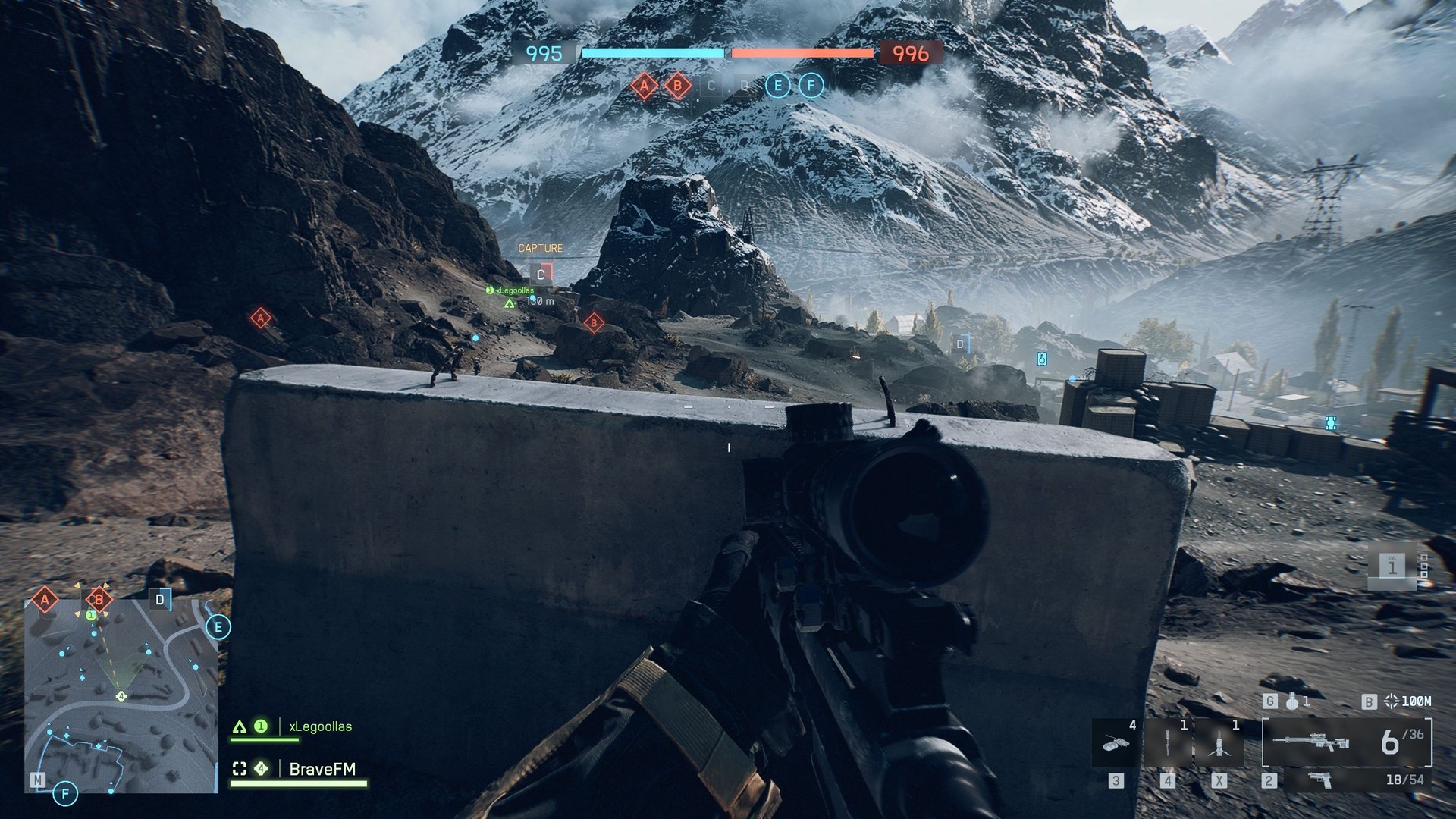
In the open beta, players tested large-scale matches with more than 30 people per side. Matches included Domination rounds on maps such as Liberation Peaks and Cairo. During one Domination round on Liberation Peaks, a squad advanced up the mountainsides and held several objectives, but then the opposing team mounted a counterattack. As the frontline support shifted to deal with a tank, individual infantry engagements became decisive.
A concrete example
In one encounter, a single squadmate named Legoollas — a nod to Tolkien’s Legolas — was downed in an open area. The player who attempted the revive exposed themselves and was killed shortly after completing the revival, which left the revived player down again. This sequence happened in open terrain with little cover, and it allowed the opposing team to exploit newly created gaps in the defense.
For context, see the Legoollas reference on Tolkein Gateway. Also, some readers compared the decision to revive against simple utilitarian logic; background on that can be found at this Stanford entry.
Why revives cost matches
Firstly, Battlefield 6 has a short time-to-kill. Therefore, medics and revivers are particularly vulnerable while they work. Secondly, when one person runs out into open ground to revive someone else, opponents often predict the move and use it to bait and eliminate both players. Consequently, a single revive attempt can create holes that opponents immediately exploit, which sometimes led to entire squads being overwhelmed.
Map and flow matter
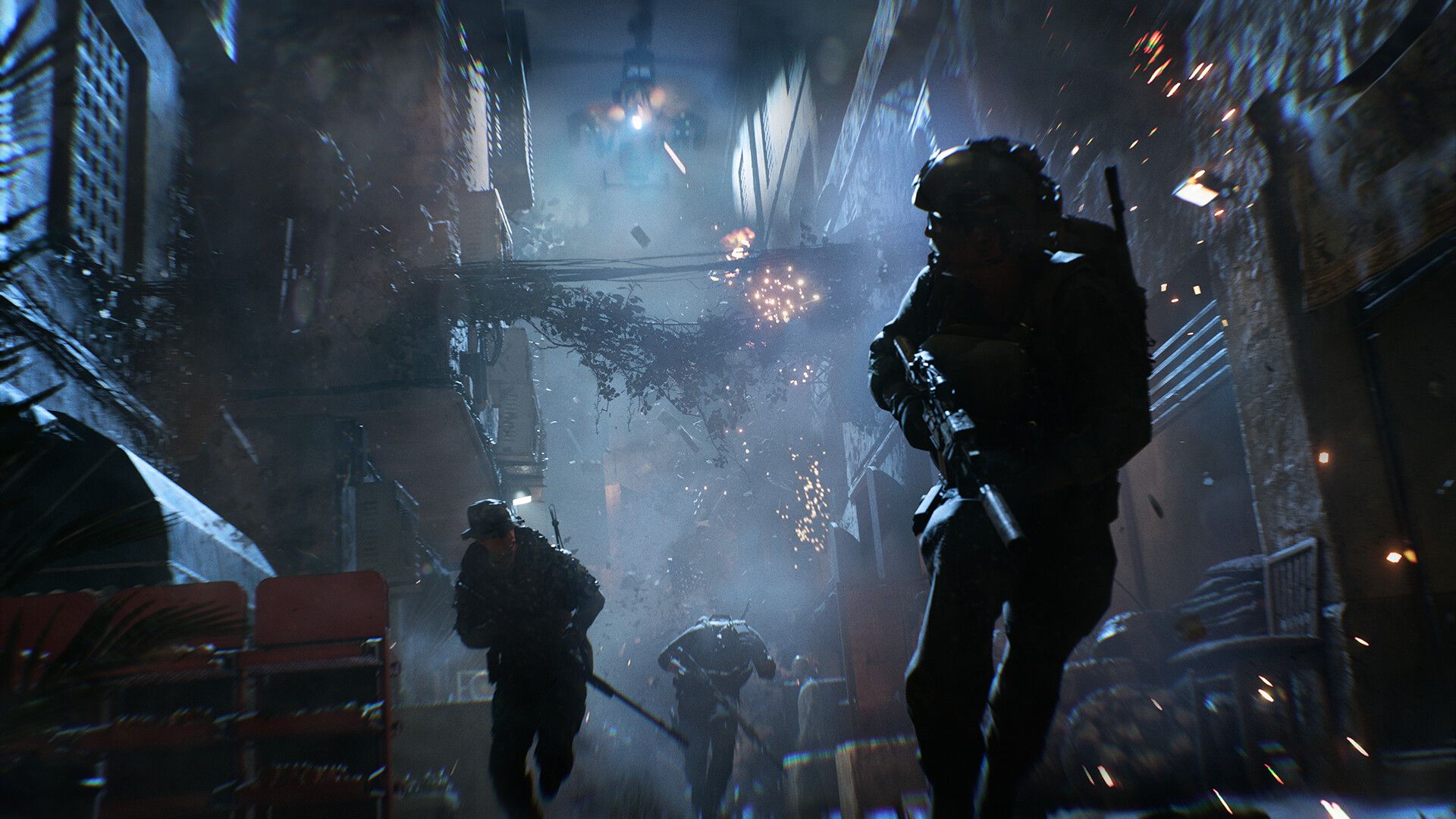
Map design changed the risk level. For example, Cairo’s narrow alleys make safe revives difficult because there’s little space to move a downed player away from danger. Conversely, on maps or situations where a squad can drag a downed teammate into cover and other allies can provide overwatch, revives were safer. However, in many public matches where coordination was limited, revives in exposed areas tended to reduce a team’s overall effectiveness.
Practical takeaways for players
Based on observed matches in the beta, consider these concrete points:
- Don’t revive in open ground unless multiple teammates can immediately cover the area.
- Prioritize positioning first; then attempt a revive from a protected spot.
- Accept respawn when coordination isn’t possible — it can preserve overall team strength.
In summary, the Battlefield 6 open beta showed that revive attempts in exposed or poorly coordinated situations often harmed teams more than they helped. Therefore, players who want to hold objectives and win rounds generally saw better results by avoiding risky revives and focusing on secure positioning and coordinated support.