Strange Antiquities Turns Antique-Hunting Into a Cozy, Occult Puzzle Adventure
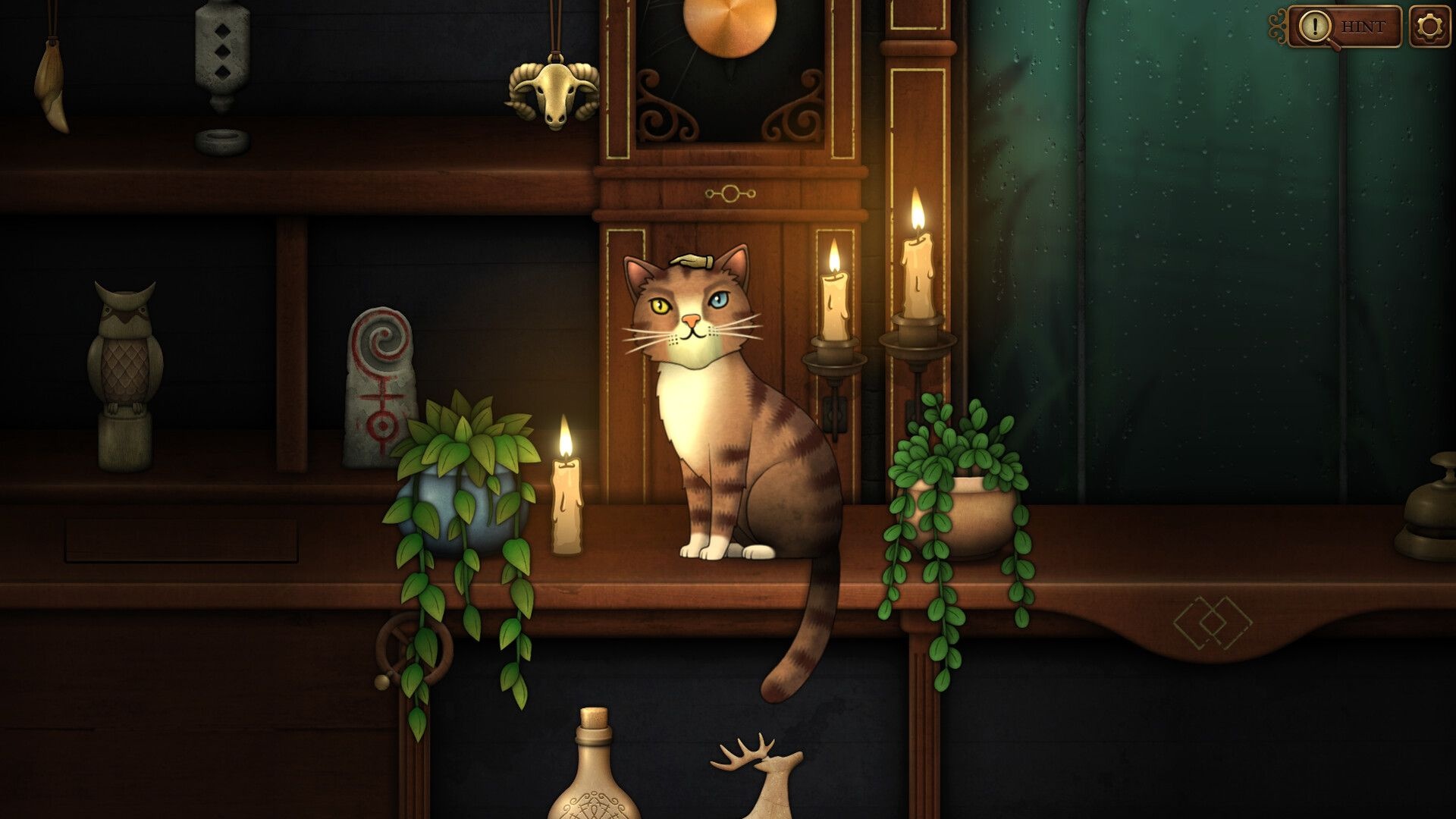
Strange Antiquities is the follow-up to Bad Viking’s 2022 puzzle game Strange Horticulture. Instead of running a flower shop, you run an antique store that sells *mysterious* artifacts. The game turns identification and context clues into its core puzzles, and it layers in occult rules, maps, and notes to build a quiet mystery around the shop.
- Gameplay basics: running the shop and identifying items
- Puzzles and tools: catalogs, scales, runes and maps
- World and story: notes, customers and outside chaos
- Systems and difficulty: hints and the fallback minigame
- Watch the trailer
Gameplay basics: running the shop and identifying items
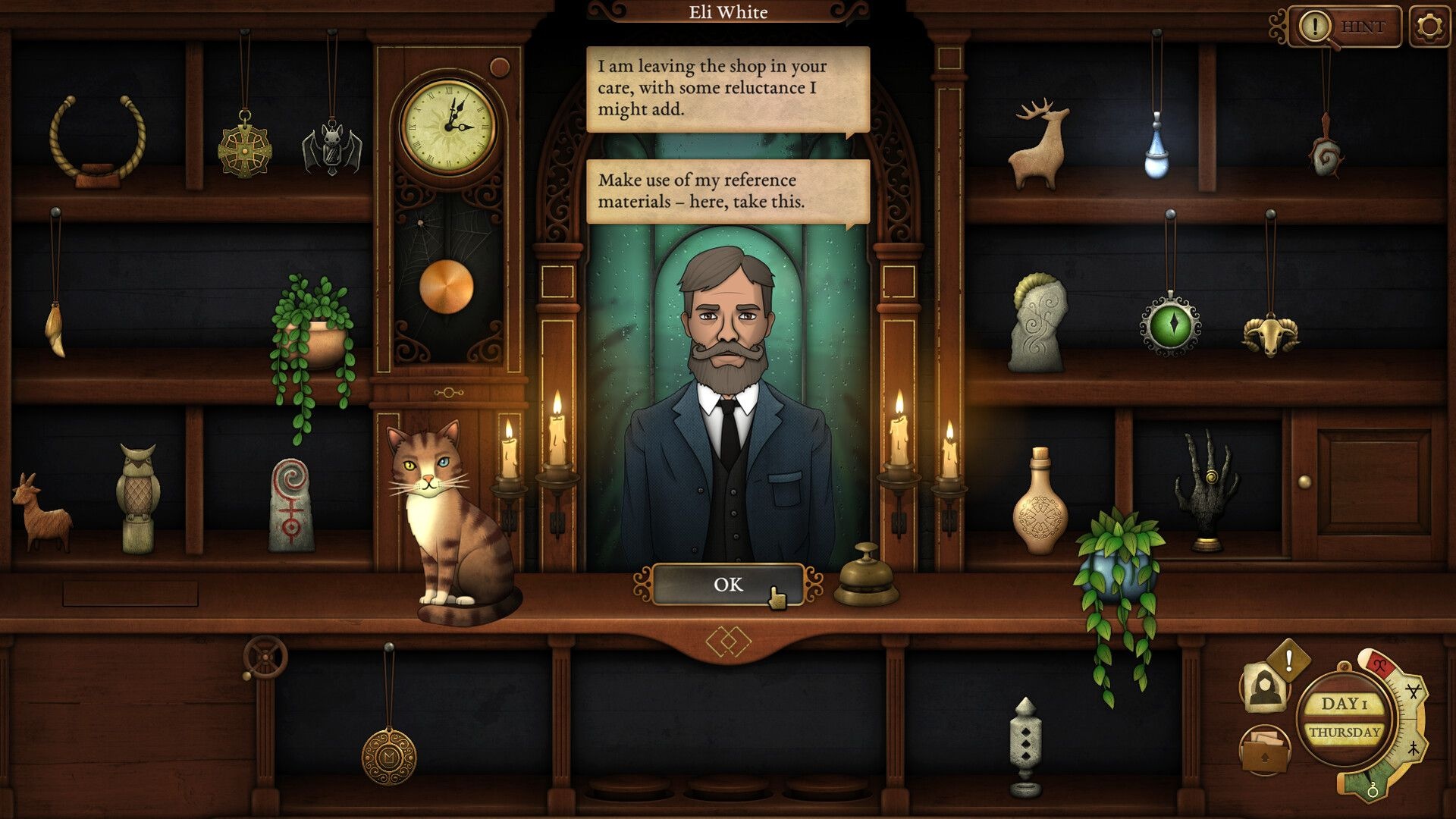
Players manage a small shop that sells haunted or occult trinkets. Each customer gives contextual clues about what they need, but they rarely name items directly. Instead, the game supplies a catalog of inventory entries that describe characteristics—such as shape, weight, material, or visible symbols—and players match those descriptions to objects on the shelves.
Consequently, the core loop is deduction: read a request, consult the catalog, inspect items, and deliver the correct piece. The catalog often points to subtle details, so observation is central rather than timed action.
Puzzles and tools: catalogs, scales, runes and maps
The game expands the basic identification mechanic with tools and reference materials. For example, you can use scales to test weight, inspect objects to hear how they sound, and consult books that explain gemstones or runic combinations.
Additionally, some puzzles require combining runic symbols or interpreting a gemstone’s meaning to unlock how an object functions. There are also maps you can follow to locate new items and secret nooks to discover through clues left by a mailman NPC.
These layers create multi-step puzzles: one item’s identification can depend on information learned from another source, so the game often sends you down a deliberate chain of small investigations.
World and story: notes, customers and outside chaos
Story beats arrive through customers, notes, and the objects themselves. Customers gradually mention events happening outside the shop, including a recurring motif involving birds. Meanwhile, notes and messages—sometimes passed by a mailman—reveal hidden spaces and additional clues.
As a result, much of the game’s narrative is implied through transactions and discoveries at the counter rather than through cutscenes or direct exposition. Players piece together the wider situation by serving requests and following leads.
Systems and difficulty: hints and the fallback minigame
Strange Antiquities includes a built-in hint system that provides leads when you get stuck. The hint system is designed to move you toward a solvable thread rather than leaving you stranded.
However, if a player fails tasks repeatedly, the game transitions to a fallback minigame that uses dice-matching mechanics (described in coverage as similar to Yahtzee). In that minigame, you must make specific dice matches to avoid losing sanity in the game’s systems.
Watch the trailer
For a direct look at the game’s presentation and atmosphere, you can view the official trailer here.
Closing facts
Bad Viking developed Strange Antiquities as a follow-up to Strange Horticulture (2022). The game keeps the studio’s focus on deduction-based counter gameplay, while replacing plants with occult artifacts and adding tools, maps, and layered puzzles to expand the original formula.