Surprise 1.0 Drop: The Rogue Prince of Persia Wants Dead Cells’ Crown
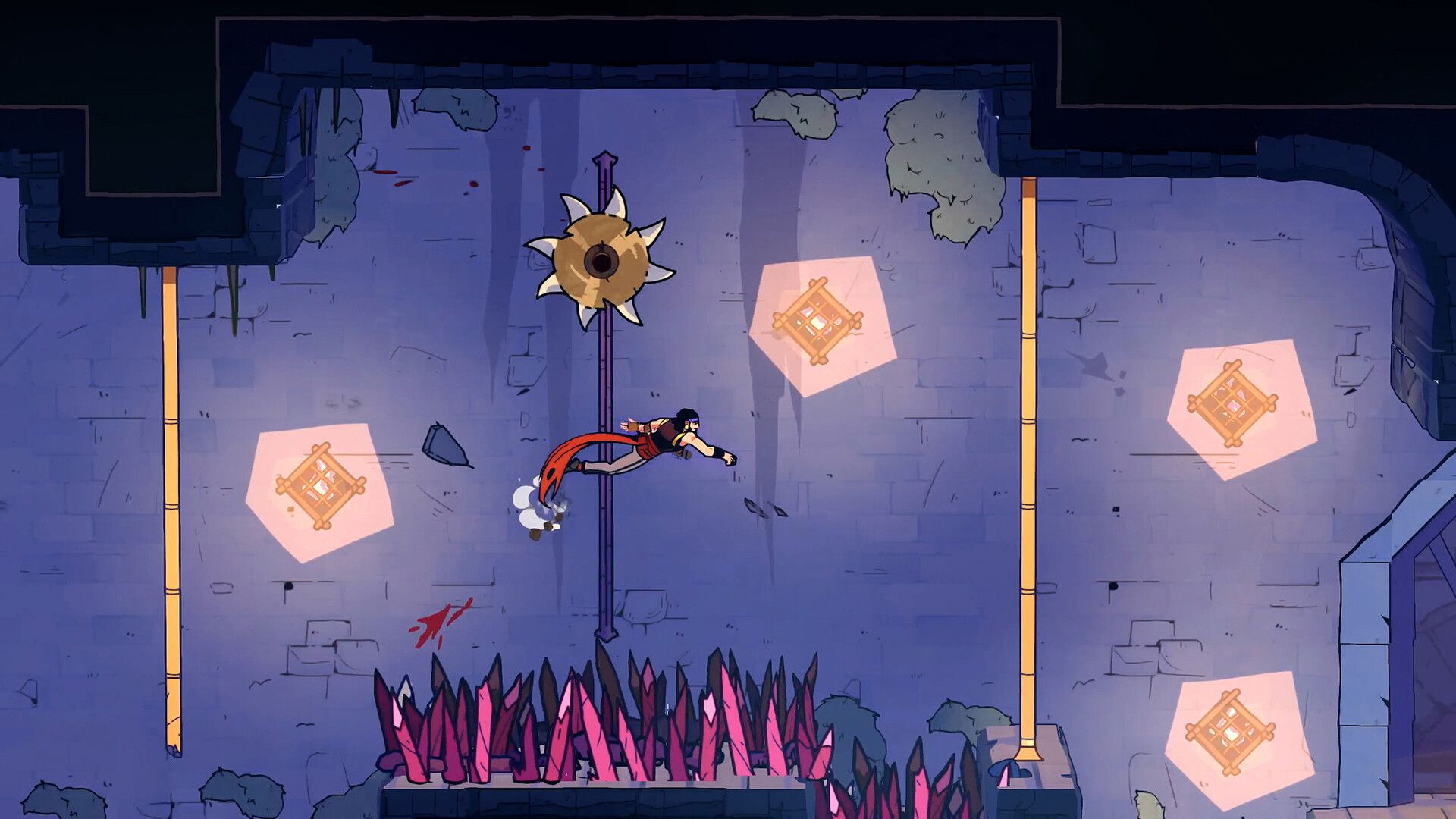
The Rogue Prince of Persia reached version 1.0 this week after roughly a year in early access, and it ships as a 2D action roguelite developed by Evil Empire. The game uses a meta-progression currency called Soul Cinders, a passive-item system built around medallions, and a story-linked feature called the Mind Map that reveals collected lore and character connections.
- What the game is and who made it
- Core systems: progression, items, and combat
- Platforming additions and level structure
- Notable features and how runs are structured
What The Rogue Prince of Persia is
The Rogue Prince of Persia is a 2D action roguelite that borrows heavily from existing genre conventions. It was developed by Evil Empire, the studio that took over maintenance and DLC work on Dead Cells from Motion Twin in 2019. The game was surprise-launched to 1.0 after about a year in early access.
Core gameplay systems
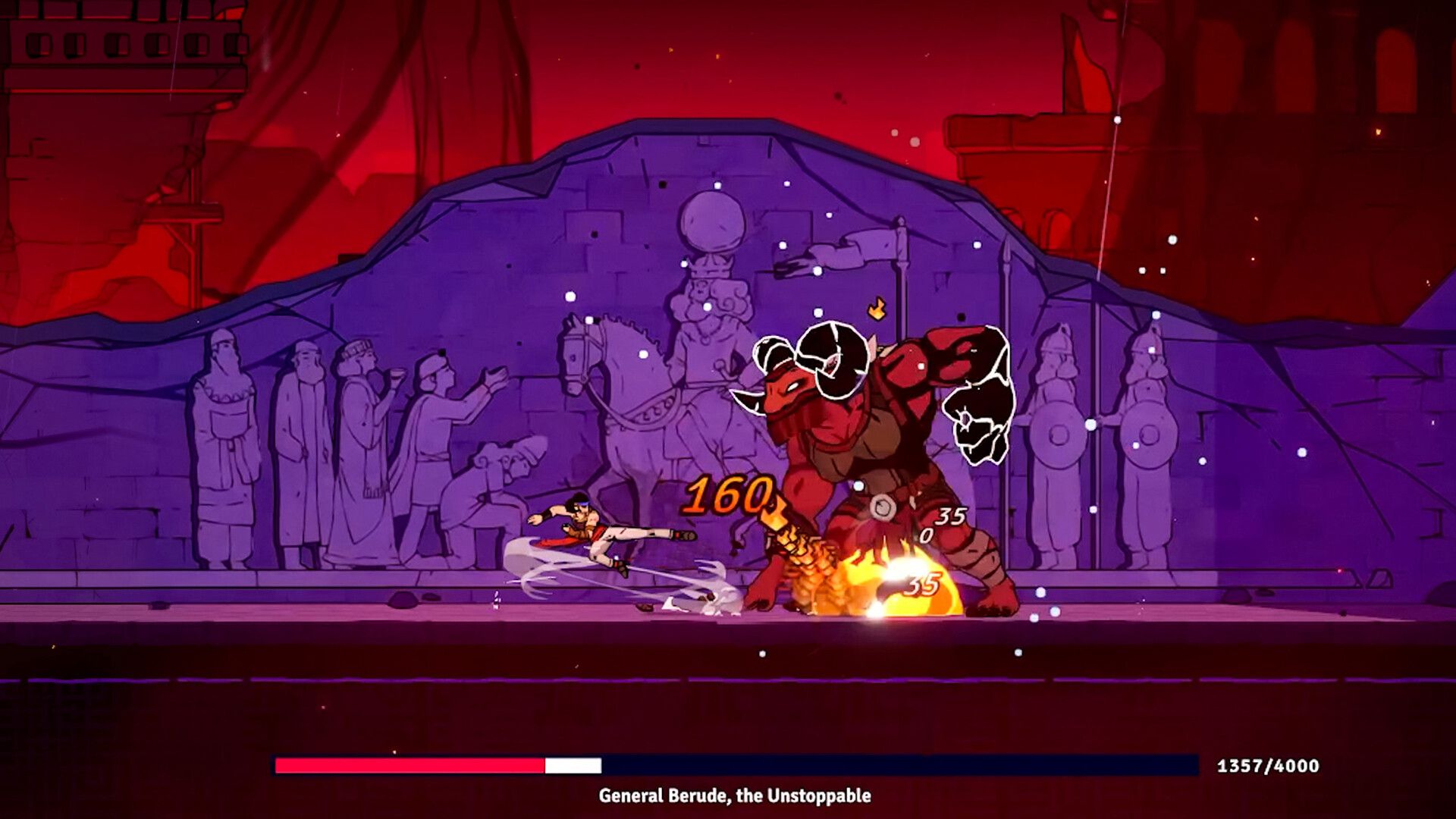
The game’s runs send the Prince through multiple maze-like biomes with interstitial bosses guarding the path to the final encounter, where the Prince tries to reclaim the throne from an invader named Nogai. During runs players collect weapons, secondary items, and medallions as passive perks. Outside runs, players spend Soul Cinders to add new weapons and tools to the item pool and to unlock upgrades.
Combat and items
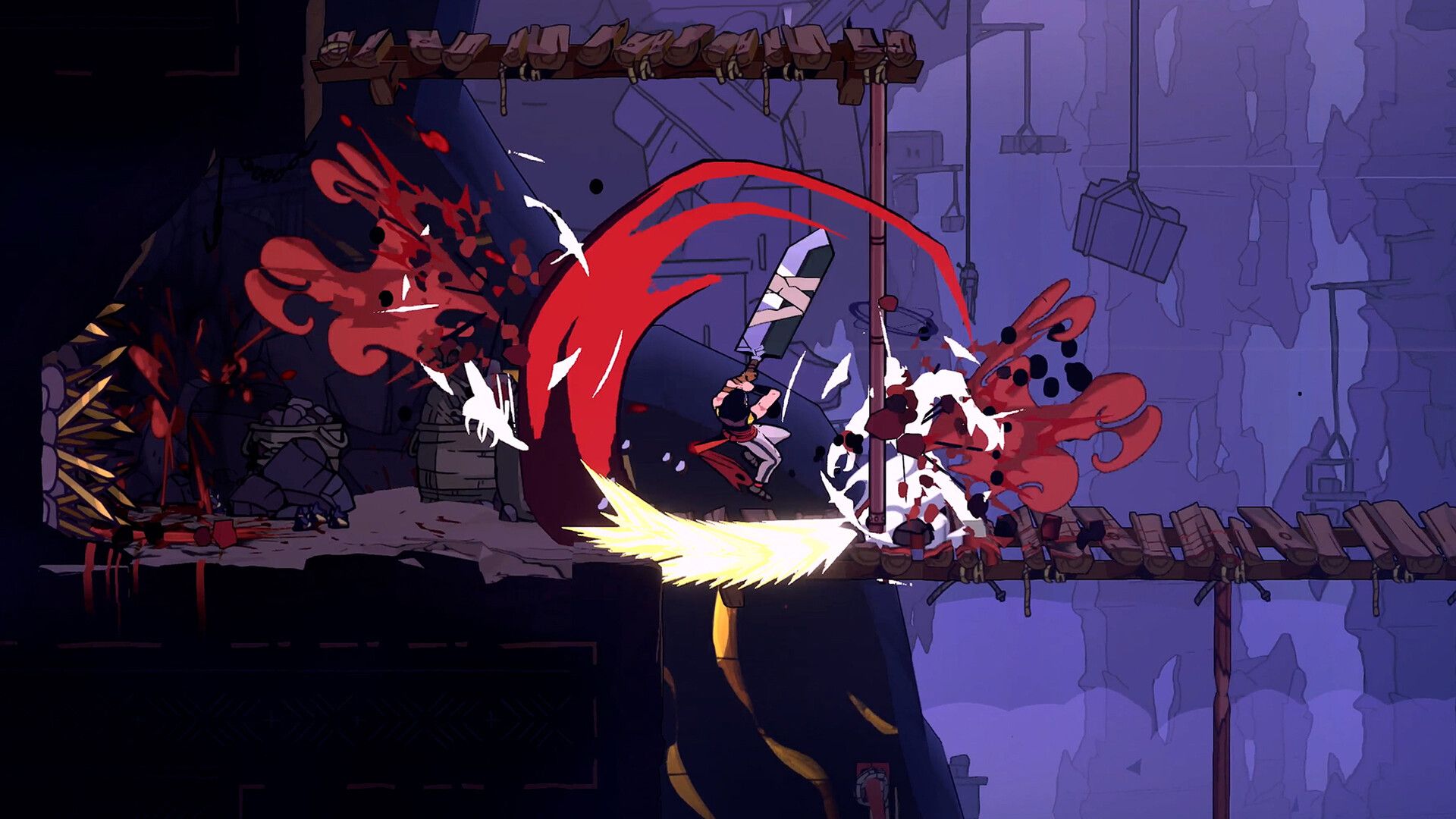
Combat consists of fast-paced melee attacks and secondary items such as bows and saws. Weapons and secondary items are picked up during runs and can be combined with medallions to create different builds. The game includes both straight damage-increasing medallions and ones that provide utilities (for example, crowd control or debuffs).
Platforming and movement
To reflect Prince of Persia’s acrobatic roots, the game adds platforming mechanics not always present in similar roguelites. The Prince can run along walls to reach higher areas and cling to footholds. These movement options are used to access alternate paths and to navigate platforming gauntlets required for some blueprint and item unlocks.
Progression and structure of runs
Each run aims to gather better gear and medallions so the player can tackle harder bosses and further branching paths. Biome layouts change between runs, though some areas remain more static. The Mind Map tracks collected lore and sub-missions that connect across multiple runs, and players can unlock branching paths to explore new biomes within a run.
Design notes (facts)
Moreover, Evil Empire previously worked on Dead Cells content such as Return to Castlevania, which explains the similarities in systems like meta-progression and item pools. The game’s mechanics combine combat, platforming, and a currency-based meta layer. Runs involve repeated attempts to unlock new items, medallions, and health upgrades via the game’s persistent systems.
Where to find more
For a quick look at gameplay, the game’s surprise 1.0 launch included videos and developer information released around the same time as the early access period ended. The developer and publisher information listed with the release highlights Evil Empire’s role in development and the use of Soul Cinders, medallions, and the Mind Map as core features.