Sword of the Sea: Matt Nava on Surfing, ‘Extreme’ Bliss and Finally Embracing Journey’s Orange
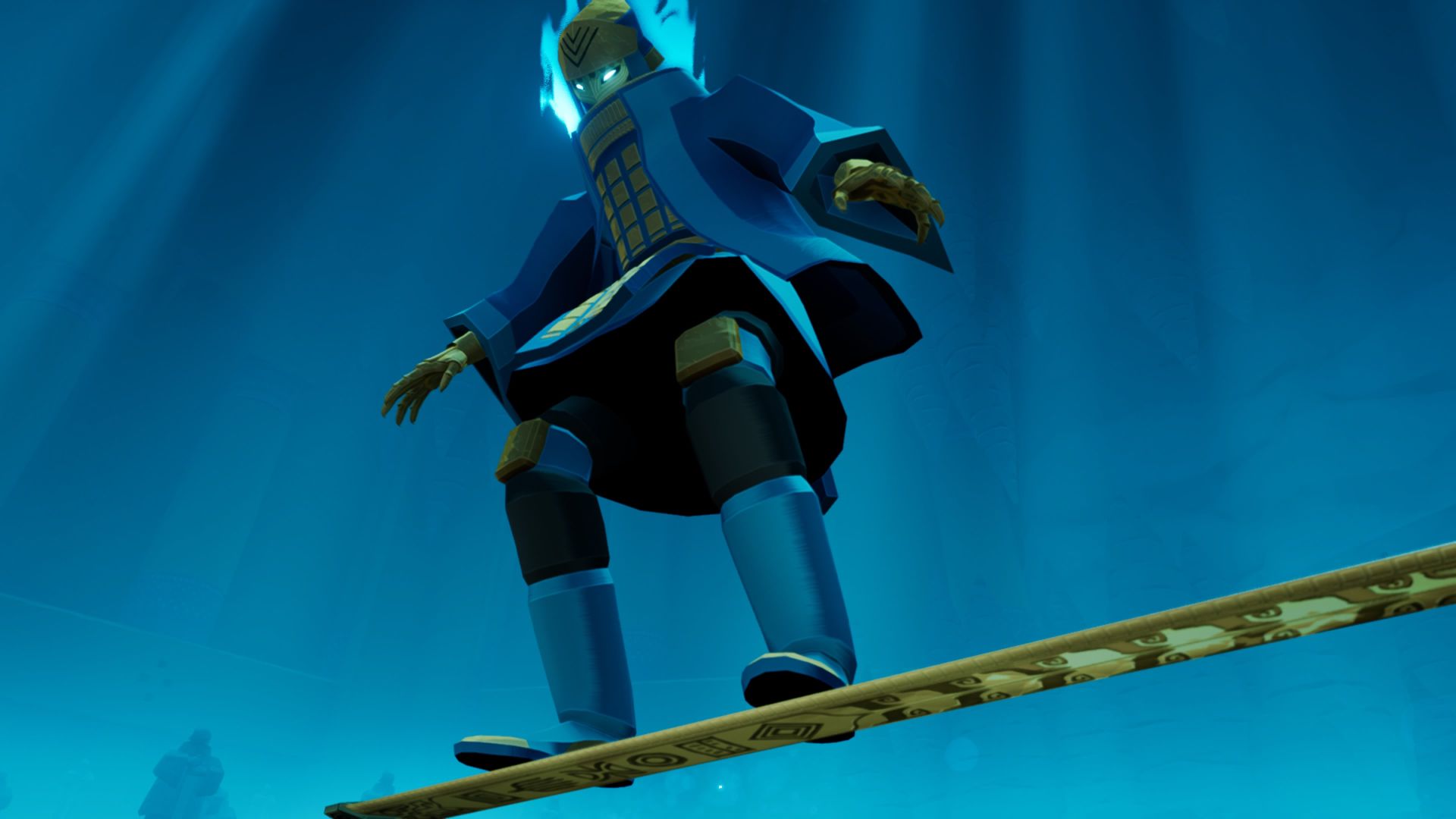
Giant Squid’s new game Sword of the Sea comes from the studio co-founded by Journey artistic director Matt Nava, who serves as the game’s creative director. The title shares visual and narrative ties with ABZÛ and The Pathless, uses a hoverboard-like Hoversword for traversal, and deliberately avoids on-screen dialogue in favor of environmental storytelling and collectible poems.
- Who made the game and how it links to Giant Squid’s earlier work.
- How movement works and why the team spent years tuning it.
- Storytelling choices, visual design, and Nava’s return to a desert palette.
Visuals and the shared universe
The studio behind ABZÛ and The Pathless developed Sword of the Sea. Matt Nava leads the project as creative director. According to Nava, the game is visually related to ABZÛ, and the three games sit in the same universe. For example, Sword of the Sea tasks players with restoring water to arid deserts and frozen tundras, while ABZÛ focuses on restoring an ocean.
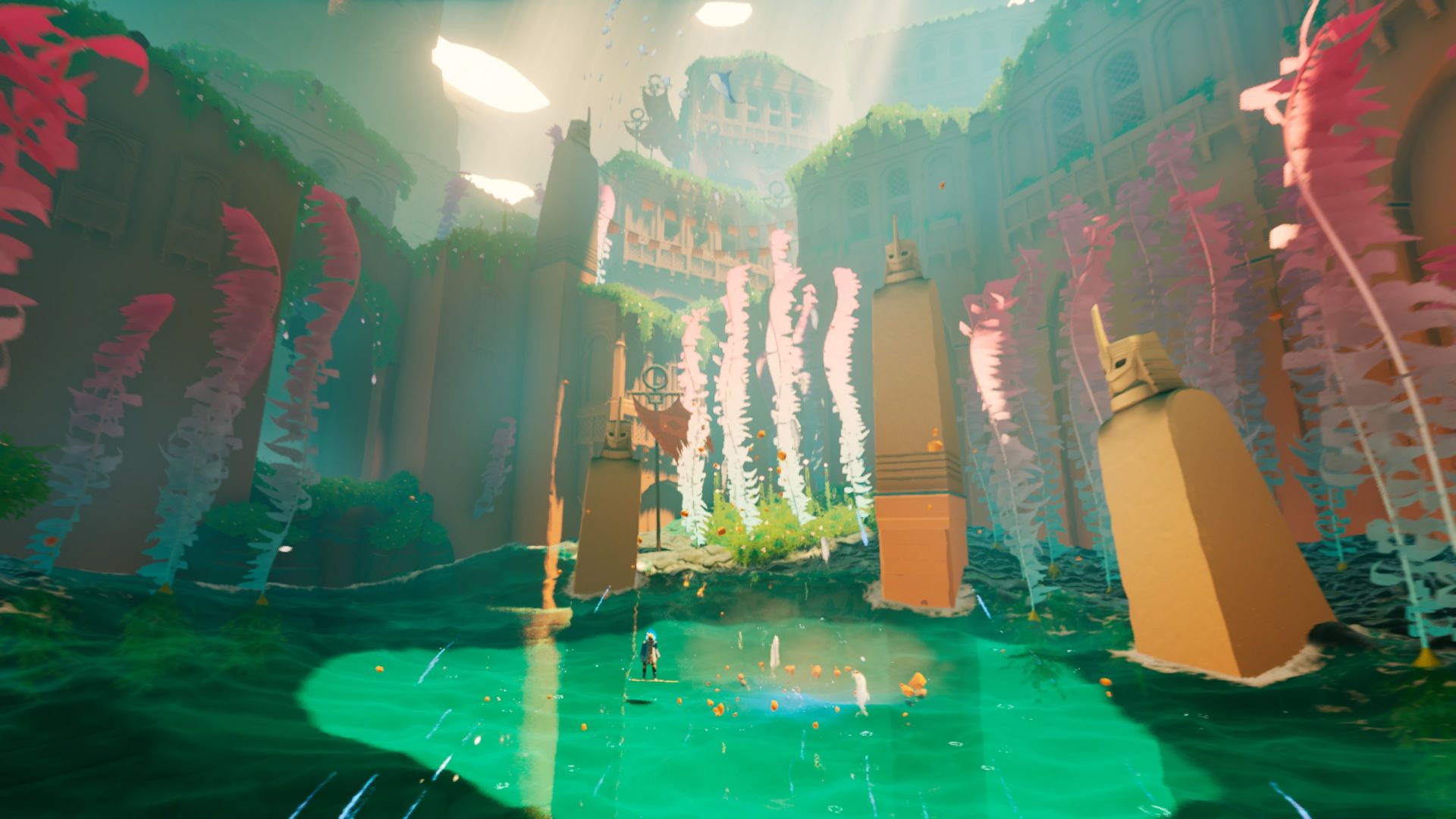
The team intentionally left story details somewhat ambiguous. Nava said, “We design a whole backstory and mythos and everything, and then we like to keep it very ambiguous and let the players connect the dots.” Instead of full written dialogue, the game uses collectible poems on hidden steles and visual cues to communicate its themes.
Movement: Hoversword, surfing and years of tuning
Movement is central to the game. Players never swim or dive; instead, they ride a Hoversword that acts like a surfboard, skateboard and snowboard. Environments include half-pipes and rails to grind, and sea creatures in the world can both fly and swim.
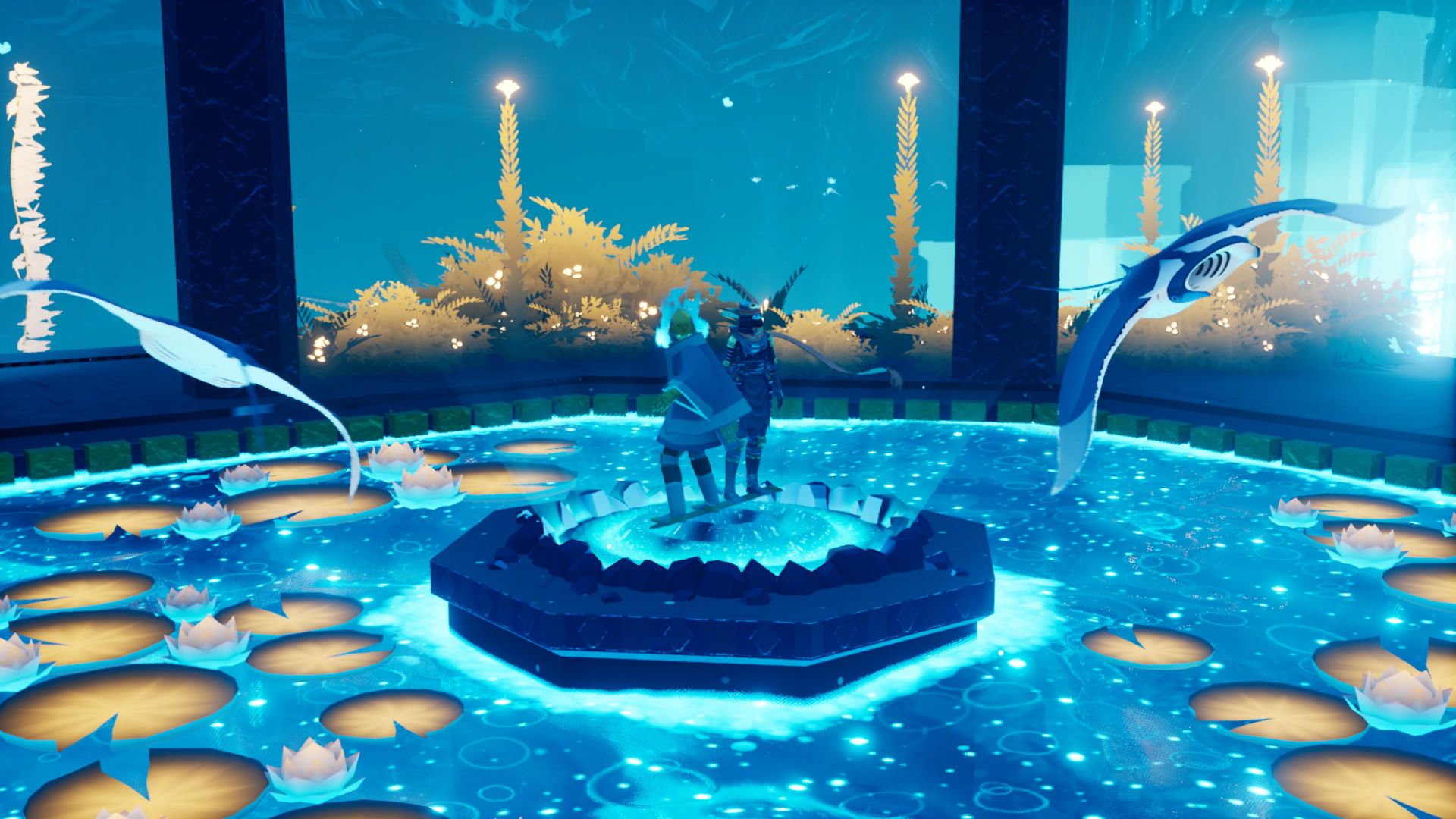
Nava said the team worked on the movement for almost five years: “This kind of movement stuff just takes a really long time, we’ve been working on it for almost five years.” The studio drew inspiration from snowboarding and skateboarding games, and from Nava’s personal surfing and snowboarding experience. As he put it, “Surfing is this really magical experience,” and the game aims to recreate that feeling of letting the environment act on you.
Design goals and player rewards
The movement is designed to deliver intrinsic rewards: it should feel satisfying and enable exploration. Nava explained that movement helps players find secrets and new areas, and that the team adjusted the game’s mechanics to allow unusual moments — for example, a board that can move uphill as well as downhill.
Storytelling choices and tone
Giant Squid chose a middle ground between no text and full dialogue. The game does not display spoken dialogue text; instead, it uses environmental storytelling, music, color and the poems on steles. Nava said, “I really like doing the big lift of the storytelling through the visuals, through the music, the color.”
Where ABZÛ uses murals and no text, and The Pathless includes written lore and dialogue, Sword of the Sea mixes those approaches to guide players while keeping much of the story open to interpretation.
Nava on Journey’s influence and what’s next
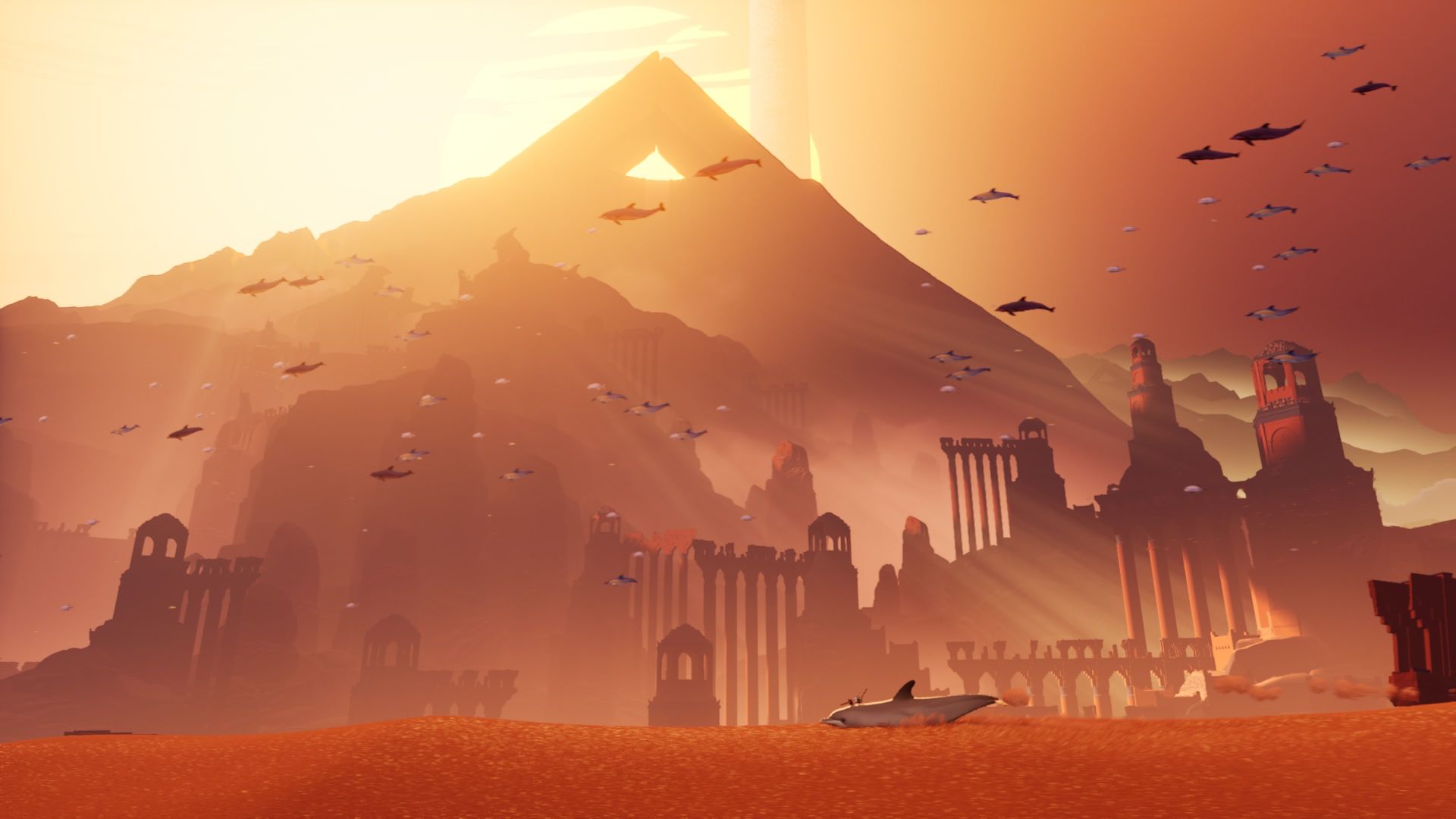
After the success of Journey, Nava avoided overtly referencing its desert palette in later work. However, he says Sword of the Sea is the first time he felt comfortable returning to that aesthetic: “You know what? I’m ready to do my orange game.”
Finally, Nava told Polygon he plans to keep making games with the Giant Squid team and wants to do so in a sustainable way that allows time for breaks. He said, “I’m just going to keep trying to make video games. That’s what we’re going to do. That’s all you can do.”