The Long Walk Ending Explained: Did DeVries Really Kill The Major — or Is the Final Scene a Hallucination?
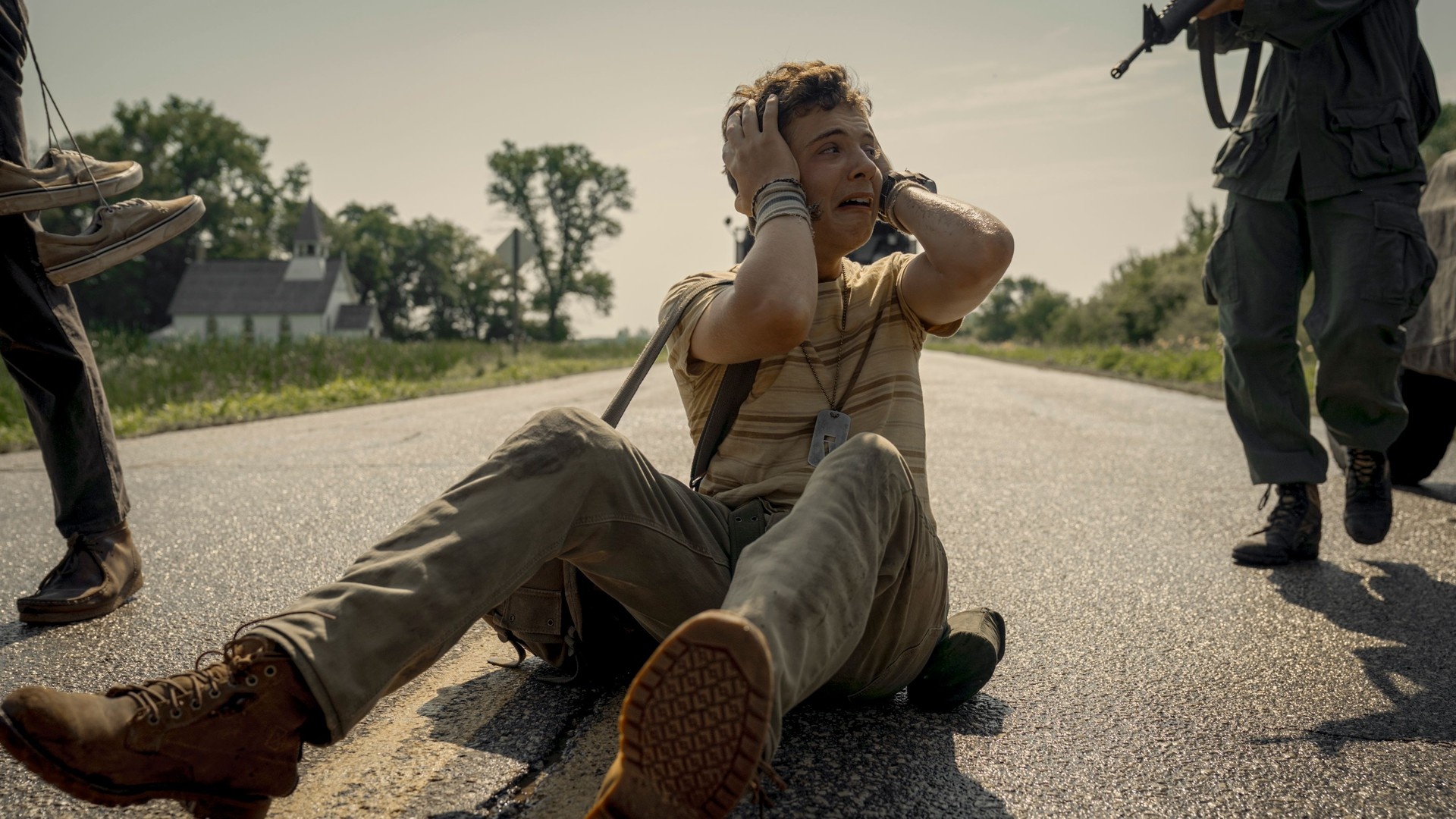
Francis Lawrence’s 2025 film adaptation of Stephen King’s 1979 novel The Long Walk follows the book closely for most of its runtime, but the final minutes change key beats and leave the ending deliberately ambiguous. The movie reduces the field of walkers, expands some character backgrounds, and stages a different sequence of deaths than the novel. Because of that, viewers and readers have been asking which parts of the film’s final scene are shown as events and which parts might be presented subjectively.
- How the story ends in book and film
- Key differences between the book and the movie
- What the film actually shows in the final scene
How Stephen King’s The Long Walk ends
In both the novel and the film, the story narrows to three primary competitors: Ray Garraty, Peter DeVries (listed as “McVries” in some sources), and a third boy usually identified as Stebbins. Over days of forced walking, the boys form bonds, then face exhaustion, surrender, and death as the Long Walk plays out.
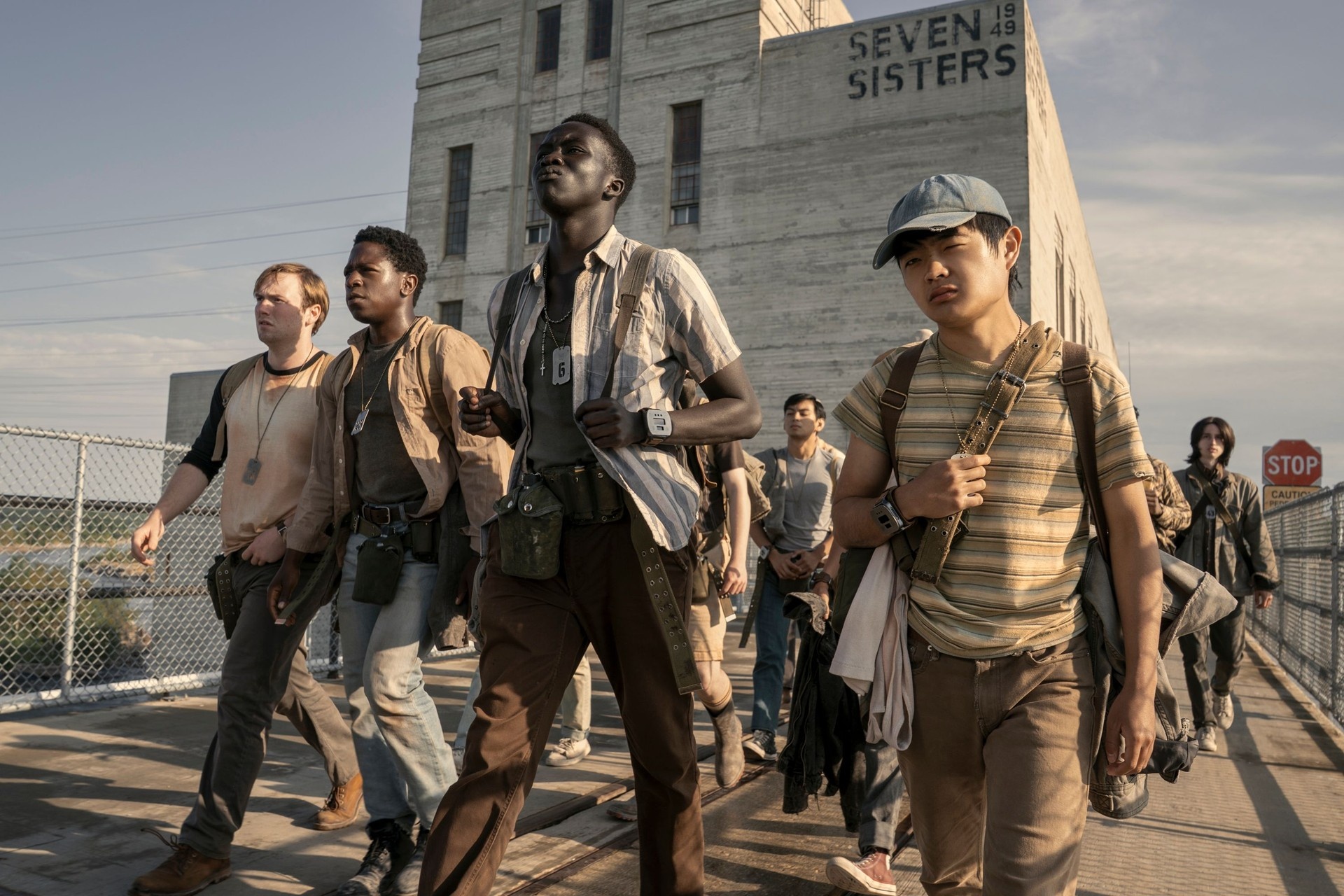
In the original book, the final sequence leaves Garraty alone at the end in a state of physical and mental collapse after the other two die. That ending emphasizes exhaustion and a bleak sense of inevitability. The film stages a different set of final deaths and then presents a final shot that many viewers find ambiguous.
The Long Walk’s ending, book vs. film
The film keeps the same primary trio of characters, and it follows the book’s structure for much of the story. However, screenwriter JT Mollner and director Francis Lawrence make concrete changes: the competition is reduced from 100 walkers to 50, and several characters receive more background and clearer motives. Cooper Hoffman plays Ray Garraty, David Jonsson plays Peter DeVries, and Garrett Wareing plays Stebbins.
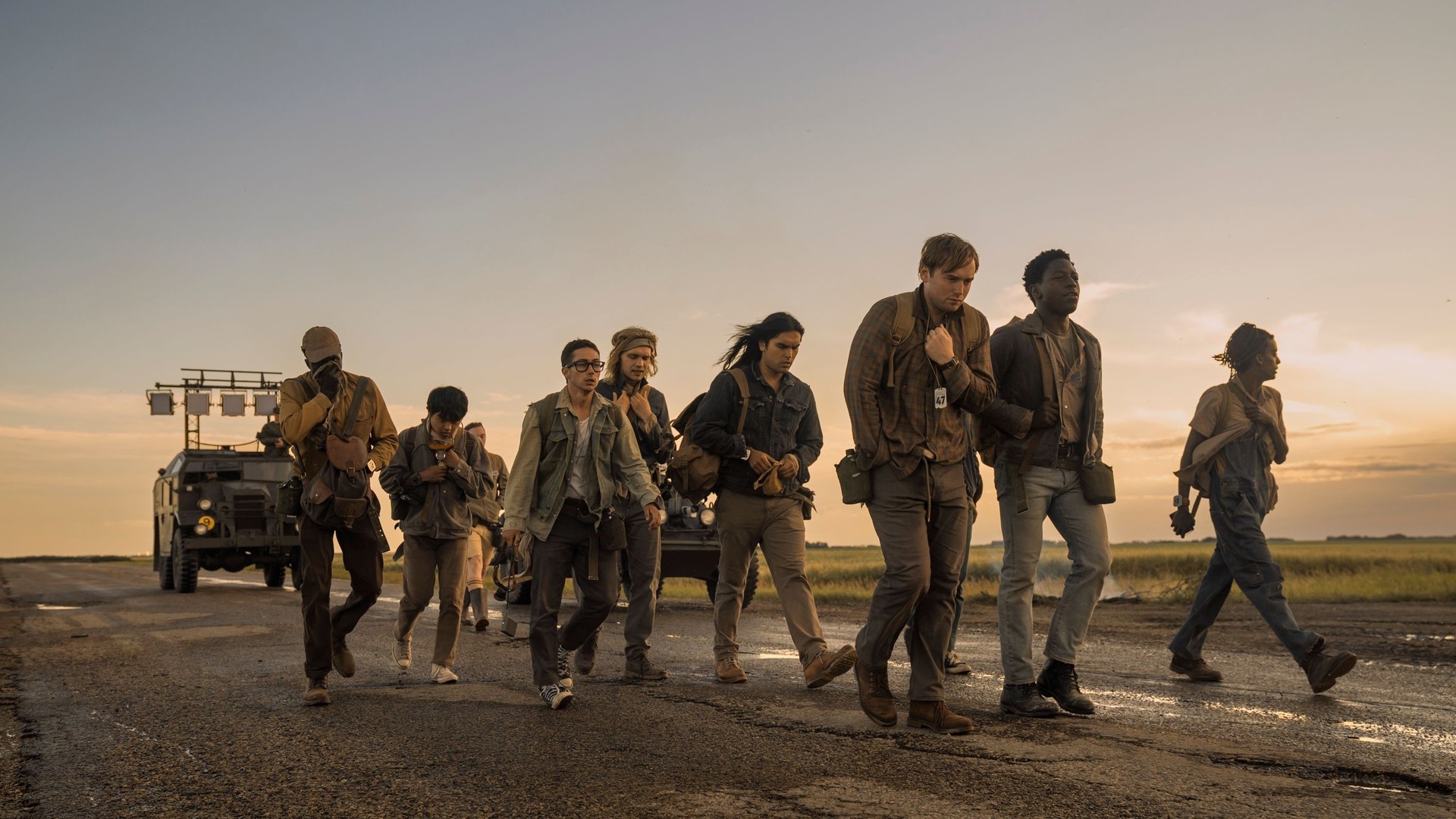
Importantly, the order of deaths at the end differs between the two versions. In the book, DeVries (McVries) dies before Stebbins, leaving Garraty to stagger on as the last walker in a state of shock. In the film, Stebbins is killed earlier, and the final sequence centers on Garraty and DeVries. The film then shows DeVries obtaining a rifle and shooting The Major, the authoritarian figure who oversees the Walk.
Readers and viewers have noted that Stephen King endings sometimes divide opinion; for wider context, see an article about King’s endings on Slashfilm and a ranking discussion on Ranker.
What’s actually real in the movie’s final scene
The film presents several observable, concrete elements in its final moments. First, DeVries retrieves a rifle and points it at The Major. Then the shot sequence tightens: the background and crowd visuals change, the ambient sound drops in volume, and the camera uses soft focus and shadowed lighting on the figures in frame. After DeVries fires, the film does not cut to wide reaction shots of the soldiers, crowd, or officials responding on camera.
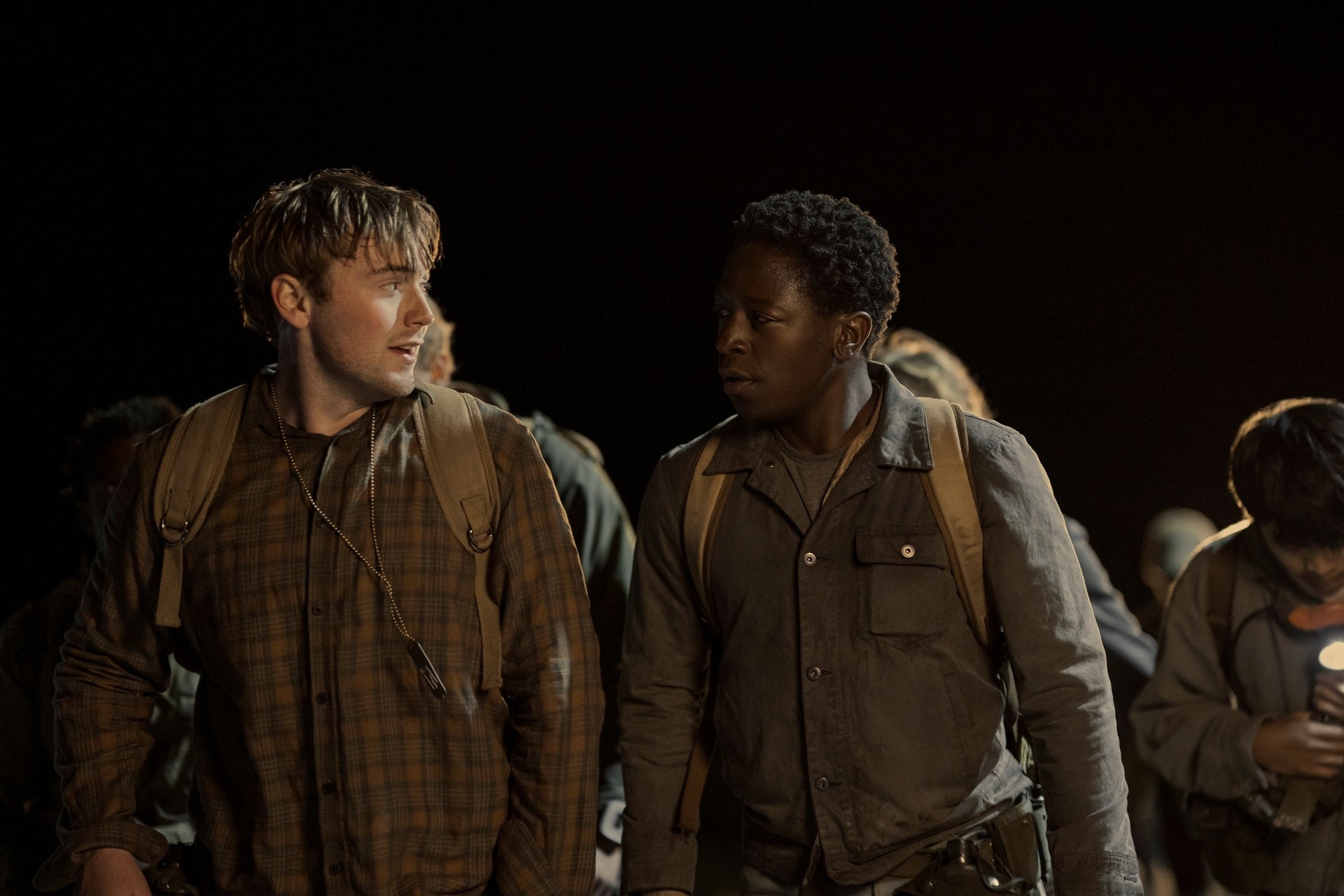
Because the film does not show any on-screen response from the soldiers or crowd after The Major is shot, the final image is left without explicit confirmation of the immediate aftermath. The scene also echoes a line from the novel that appears at the end of its own ambiguous sequence: “If there are such things as souls, his is still close. You could catch up.”
Finally, the movie’s last framed composition focuses on DeVries walking down the road with soft edges and little environmental detail. The filmmakers do not display any clear, factual resolution on-screen regarding whether DeVries is stopped by others, taken into custody, killed, or able to alter the larger system after The Major’s death. Instead, the film leaves the outcome open to interpretation.
Notes and sources
Cast and credits referenced here come from the film’s published materials. For an example discussion of ambiguous endings and audience interpretation, see the AV Club piece on “lady or the tiger” style choices: this AV Club article.